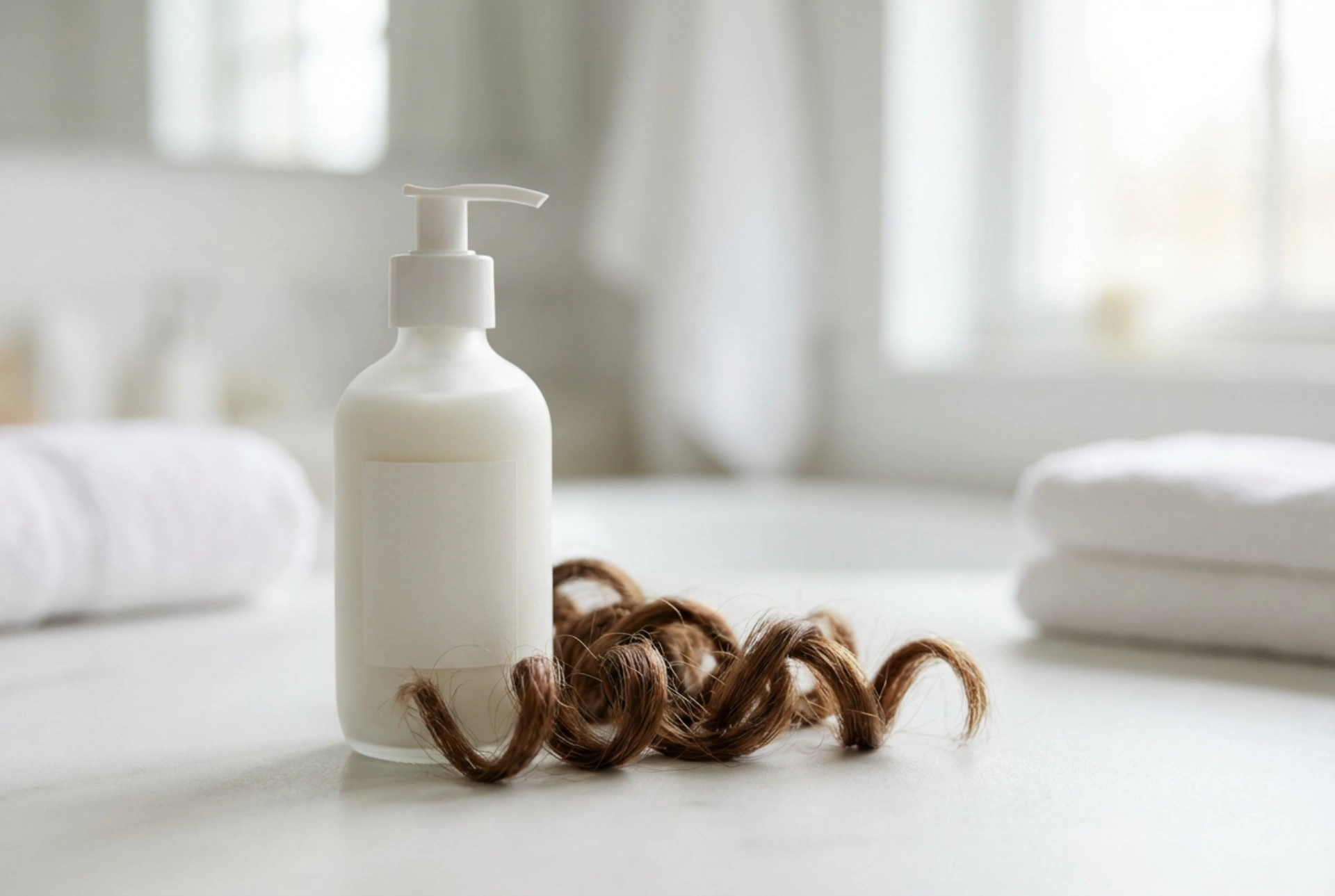


Curly hair is unique in its structure and beauty, but it also comes with a specific set of needs. One of the most critical elements in any curly hair care routine is the right conditioner. Due to the twists and turns of the hair shaft, natural scalp oils have a harder time travelling down to the ends, often leaving curls prone to dryness, frizz, and breakage. A well-chosen conditioner, applied correctly, can transform your hair, delivering essential moisture, enhancing curl definition, and making your locks softer and more manageable. Understanding how to select and use this pivotal product is the first step towards unlocking your curls' full potential.
Understanding the Needs of Curly Hair
The key to caring for curly hair is hydration. The spiral shape of each strand lifts the hair's cuticle layer, making it more porous and susceptible to moisture loss. This is why curly hair can often feel dry and look frizzy, especially in humid or dry weather. The primary goal of a conditioner for curly hair is to replenish this lost moisture, smooth the cuticle, and provide a protective layer that helps retain hydration. A good conditioner will not only soften the hair but also provide 'slip', which is essential for gentle detangling without causing damage or disrupting the natural curl pattern.
The Role of Ingredients
Not all conditioners are created equal, and for curls, the ingredient list is paramount. The right formulation will nourish the hair without weighing it down. It’s about finding a balance of moisturising, strengthening, and sealing components that work in harmony to support the health and structure of your curls.
What to Look for in a Conditioner for Curls
Navigating the world of hair products can be overwhelming. When selecting a conditioner for your curls, focus on formulations designed to provide intense hydration and nourishment. Here are some key things to look for and some to approach with caution.
Beneficial Ingredients for Hydration
- Humectants: Ingredients like glycerine and panthenol (pro-vitamin B5) are excellent for curls. They attract moisture from the air and draw it into the hair shaft, providing deep and lasting hydration.
- Emollients and Oils: Natural butters and oils such as shea butter, coconut oil, argan oil, and jojoba oil are fantastic for softening hair and sealing in moisture. They smooth the hair cuticle, which helps to reduce frizz and add shine.
- Proteins: While moisture is key, some curly hair can also benefit from protein to improve elasticity and strength. Ingredients like hydrolysed wheat protein or silk amino acids can help fortify the hair structure. However, it's important to find a good moisture-protein balance, as too much protein can make some hair types feel stiff.
- Fatty Alcohols: Don't be alarmed by the word 'alcohol'. Fatty alcohols like cetyl, stearyl, and cetearyl alcohol are beneficial for hair. They are derived from natural sources and act as emollients, helping to soften and detangle the hair.
Ingredients to Use with Awareness
Certain ingredients can be problematic for curly hair. While they are not universally 'bad', it's good to be aware of how they might affect your specific hair type. Many people with curly hair prefer to avoid non-water-soluble silicones, as they can build up on the hair over time, preventing moisture from penetrating and weighing down curls. Similarly, some choose to avoid certain sulphates in their cleansers, which can be stripping, and drying alcohols (like alcohol denat) in styling products, which can dehydrate the hair.
The Correct Way to Apply Conditioner
How you apply your conditioner is just as important as the product you choose. Using the right technique ensures that the product is distributed evenly and your curls get the maximum benefit. Follow this step-by-step guide for beautifully conditioned curls.
- Start with Soaking Wet Hair: After cleansing, do not wring out your hair. Conditioner spreads more easily and effectively on very wet hair, helping it to absorb fully into the hair shaft.
- Use a Generous Amount: Curly hair is often thirstier and denser than straight hair, so don't be afraid to use more product than you think you need. You want to feel the 'slip' of the conditioner coating every strand.
- Focus on the Ends: Apply the conditioner starting from the mid-lengths and concentrating on the ends, as this is the oldest and driest part of your hair. You can work the remainder up towards the roots, but avoid applying a large amount directly to your scalp if your hair gets weighed down easily.
- Detangle Gently: This is the ideal time to detangle. With the conditioner providing slip, use your fingers or a wide-tooth comb to gently work through any knots, starting from the ends and moving upwards. This method minimises breakage and helps to keep your curl clumps intact.
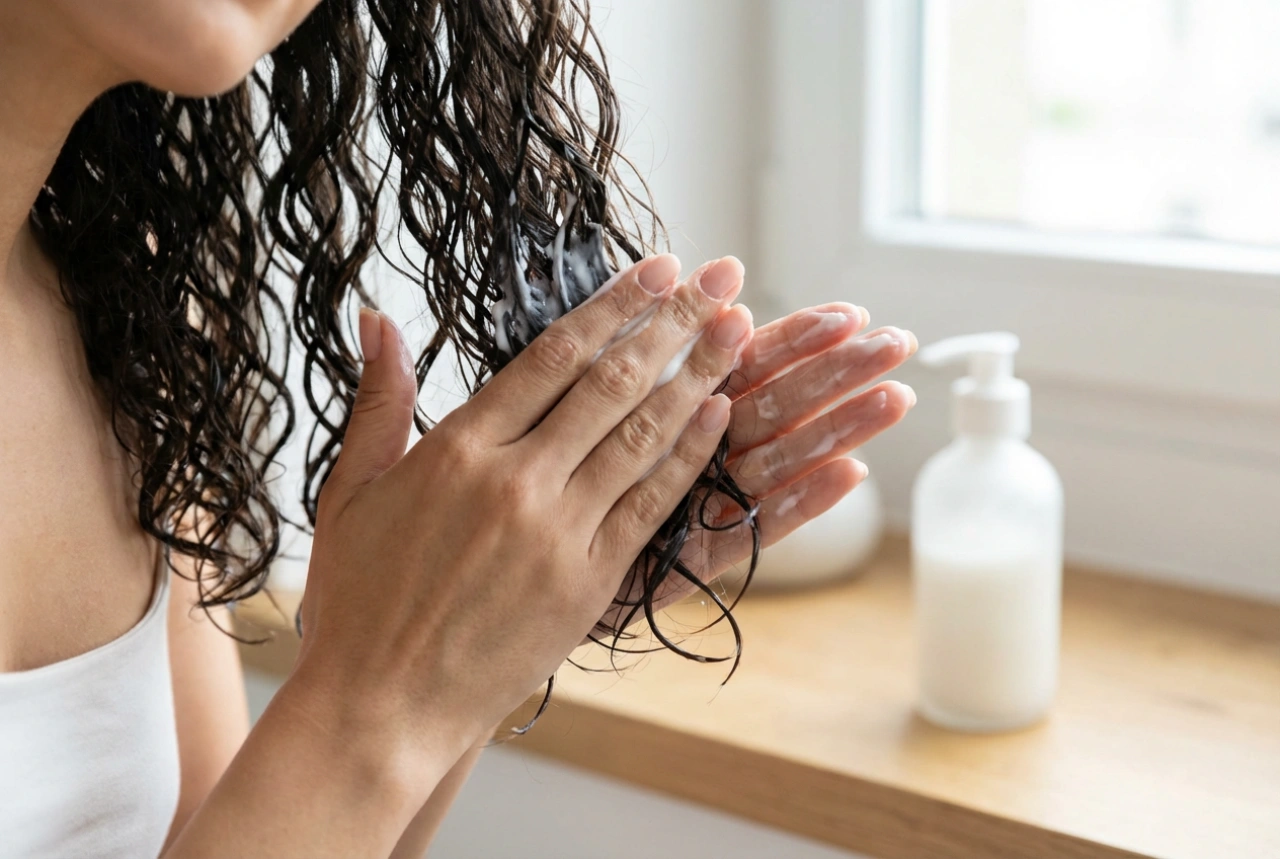
- Squish to Condish: A popular technique in the curly community is to 'squish to condish'. Cup sections of your hair in your palms and gently squish them upwards towards your scalp. This motion encourages the hair cuticle to absorb the water and conditioner, promoting hydration and curl formation.
- Let it Sit: Allow the conditioner to sit on your hair for at least 3-5 minutes. For a deeper treatment, use a deep conditioner or hair mask once a week and leave it on for 15-30 minutes.
- Rinse Thoughtfully: Rinse your hair, but consider not rinsing it all out. Many people with curly hair find that leaving a small amount of conditioner in helps with softness and frizz control. Rinse most of it from the roots and let the water run down the lengths, leaving a light coating on the ends.
Common Mistakes to Avoid
Achieving healthy, defined curls often involves avoiding a few common pitfalls. One major mistake is being too rough with your hair, especially after conditioning. Instead of rubbing your hair with a traditional terrycloth towel, which can cause frizz and disrupt your curls, gently scrunch out excess water with a microfibre towel or an old cotton T-shirt. Also, ensure you are using enough conditioner and giving it enough time to work its magic. Rushing the process will prevent you from getting the full moisturising benefits. Finally, consistency is key. Incorporating regular deep conditioning treatments into your routine will make a significant long-term difference in the health and appearance of your curls.