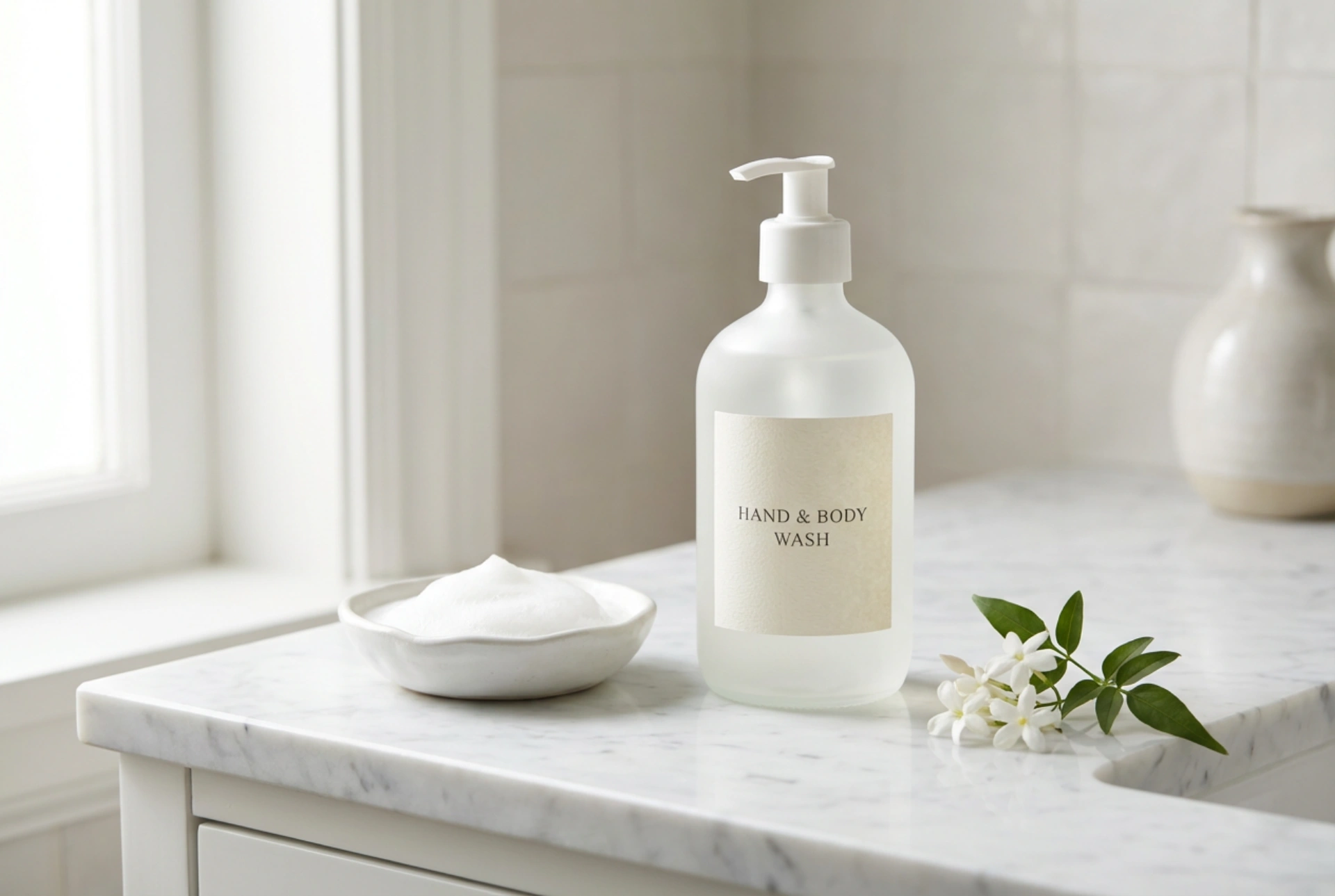


Choosing a liquid soap might seem like a simple task, but the right choice can transform a daily necessity into a moment of sensory pleasure. A beautifully formulated soap, housed in an elegant bottle, can complement your décor and offer a touch of everyday luxury. It’s not just about cleaning; it’s about the experience—the fragrance that greets you, the feel of the lather, and how your skin feels afterwards. This guide will help you navigate the key aspects of selecting a high-quality liquid soap that perfectly suits your preferences and needs.
The Art of Scent: Finding Your Perfect Fragrance
The scent is often the first thing we notice about a liquid soap and can significantly influence our mood. Fragrances in soaps generally fall into a few key categories, each offering a unique experience.
Exploring Scent Families
- Floral: Scents like jasmine, rose, lavender, and peony offer a classic, often calming or romantic, aroma. They are perfect for creating a serene atmosphere in a bathroom.
- Citrus: Notes of lemon, bergamot, grapefruit, and orange are invigorating and refreshing. They work wonderfully in kitchens or for a morning energy boost.
- Woody and Earthy: Sandalwood, cedar, vetiver, and patchouli provide a grounding, sophisticated, and warm scent profile. These are excellent for a refined, gender-neutral appeal.
- Herbal and Green: Fragrances such as mint, eucalyptus, basil, and green tea are crisp, clean, and revitalising. They bring a sense of nature indoors.
When choosing, consider the difference between natural essential oils and synthetic fragrance oils. Essential oils are derived directly from plants and can offer subtle aromatic properties, while synthetic fragrances are created in a lab and can produce more complex and longer-lasting scents. For sensitive skin, a fragrance-free option or one scented only with gentle essential oils may be the best choice.
Decoding the Ingredient List for Healthier Skin
The label on your liquid soap contains vital information about its formulation. Understanding the key components will empower you to choose a product that cleanses effectively without stripping your skin of its natural moisture.
Key Ingredients to Look For
- Surfactants (Cleansing Agents): These are what create lather and wash away dirt and oils. Look for milder surfactants derived from coconut or sugar, such as Cocamidopropyl Betaine, Decyl Glucoside, or Coco-Glucoside. While effective, some stronger surfactants like Sodium Lauryl Sulphate (SLS) can be drying for some individuals, especially with frequent use.
- Humectants: These ingredients attract moisture to the skin, helping it stay hydrated. Glycerin is the most common and effective humectant found in soaps. Others to look for include aloe vera, honey, and hyaluronic acid. A soap rich in humectants will leave your hands feeling soft, not tight.
- Emollients: These are oils and butters that soften and smooth the skin. Ingredients like shea butter, cocoa butter, jojoba oil, or almond oil add a nourishing, conditioning quality to the soap, replenishing lipids lost during washing.
A well-balanced formula will contain a thoughtful combination of these ingredients, ensuring that the soap cleanses thoroughly while also caring for the skin's barrier.
The Science and Sensation of a Good Lather
Many people associate a rich, bubbly lather with superior cleaning power, but this isn't always the case. The type and amount of lather are determined by the soap's formulation, particularly its surfactants. A luxurious feel is more about the quality of the lather than the quantity.
What Makes a Lather 'Good'?
A high-quality liquid soap often produces a creamy, dense, and stable lather rather than large, fleeting bubbles. This type of lather feels more substantial and conditioning on the skin. It indicates the presence of moisturising ingredients and gentler cleansing agents. Soaps that create a very foamy, bubbly lather may contain stronger surfactants, which can be more drying. Pay attention to how the lather feels. Does it feel silky and moisturising, or does it dissipate quickly, leaving your skin feeling squeaky clean but tight? The former is usually a sign of a more nourishing formula that respects your skin's natural balance.
Matching the Soap to Your Skin's Needs
Just like with facial skincare, your hand soap should be appropriate for your skin type. Since we wash our hands multiple times a day, making the right choice is crucial for maintaining healthy, comfortable skin.
Guidance for Different Skin Types
- For Dry or Mature Skin: Prioritise soaps with a high concentration of emollients and humectants. Look for creamy formulas enriched with oils, butters, and glycerin. Fragrance-free or naturally scented options can also prevent potential irritation.
- For Sensitive Skin: The golden rule is 'less is more'. Opt for soaps with short ingredient lists, no synthetic fragrances or dyes, and mild, plant-based surfactants. A 'hypoallergenic' label can be a helpful, though not guaranteed, indicator.
- For Normal Skin: If your skin is not particularly dry or sensitive, you have more freedom to explore different scents and textures. Even so, choosing a soap with hydrating ingredients is always a good practice to prevent future dryness and maintain skin health.
Ultimately, selecting an exquisite liquid soap is about finding a balance between effective cleansing, a delightful sensory experience, and genuine skin care. By paying attention to the scent, ingredients, and the feel of the lather, you can turn handwashing into a simple yet profound act of self-care.