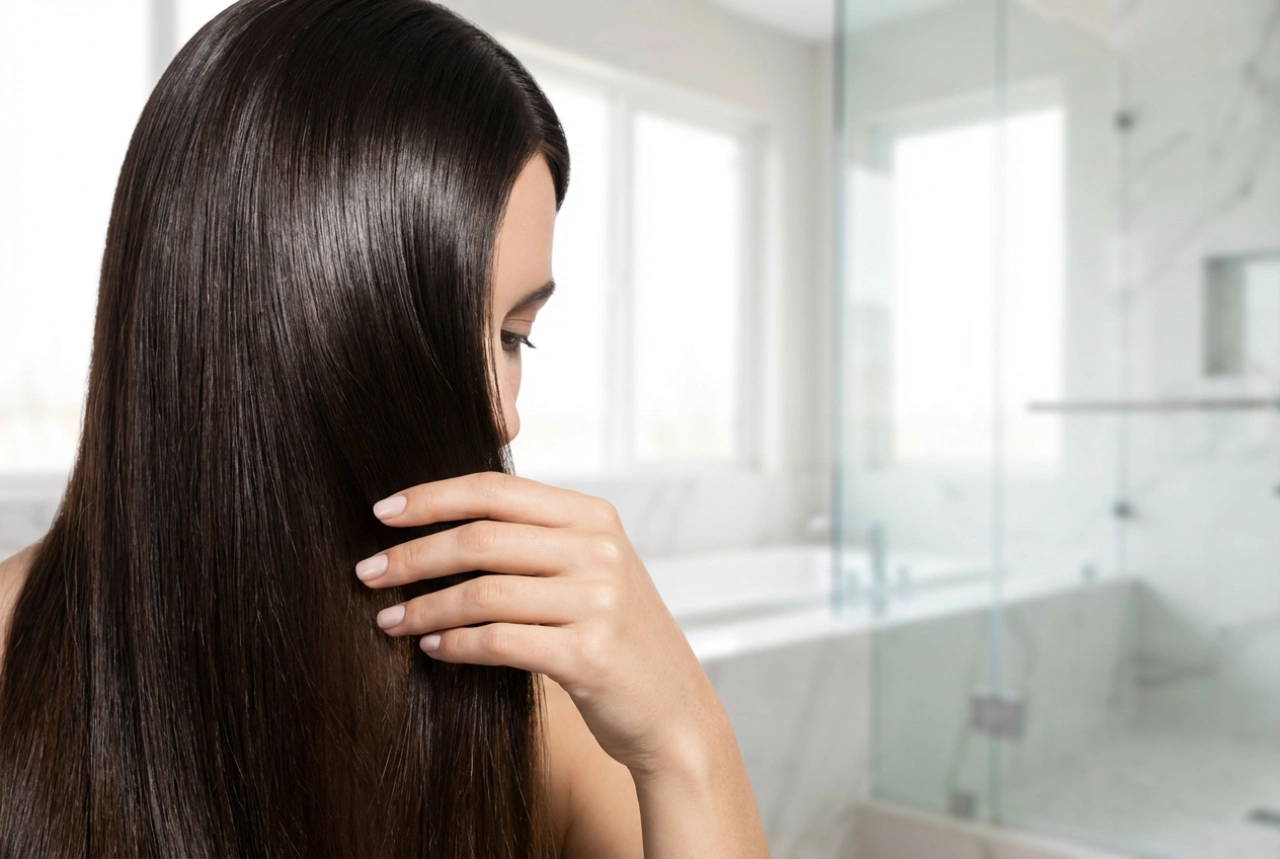


Achieving silky-smooth, healthy-looking hair is a common beauty goal. When hair becomes damaged, it can feel coarse, look dull, and be difficult to manage. A high-quality conditioner, chosen wisely and applied correctly, is a cornerstone of any routine aimed at restoring the hair's appearance and texture. It works by replenishing moisture and smoothing the hair's outer layer, leading to improved shine, softness, and manageability.
Understanding Damaged Hair and Its Needs
Damaged hair often exhibits several tell-tale signs. These can include a lack of shine, a rough texture, increased frizz, and a tendency to tangle easily. Split ends and breakage are also common indicators. This damage is typically caused by a compromised hair cuticle – the protective outer layer of the hair strand. Factors like heat styling, chemical processes, and environmental exposure can lift or wear away the cuticle, leaving the inner core vulnerable. To improve its condition, damaged hair requires ingredients that can help to replenish lost moisture, smooth the cuticle, and provide a temporary strengthening effect.
How to Choose the Right Conditioner
Selecting an appropriate conditioner is the first step towards reviving the look of damaged hair. The key is to understand what your hair needs and to scrutinise the ingredient list.
Key Ingredients for Hair Restoration
When searching for a conditioner for damaged tresses, look for formulas rich in specific types of ingredients:
- Proteins: Ingredients like hydrolysed keratin, wheat protein, or silk amino acids can temporarily fill in gaps in the hair cuticle, which helps to strengthen its structure and reduce the appearance of damage.
- Moisturisers and Humectants: Look for glycerin, panthenol (pro-vitamin B5), and hyaluronic acid. These ingredients attract moisture from the air and bind it to the hair shaft, improving hydration levels.
- Emollients and Oils: Natural oils such as argan, coconut, jojoba, or avocado oil, as well as shea butter and ceramides, are excellent for smoothing the hair cuticle. They create a protective film that locks in moisture, reduces frizz, and enhances shine.
Conditioner Types for Different Levels of Care
Not all conditioners are created equal. It's useful to have different types available for a comprehensive hair care routine.
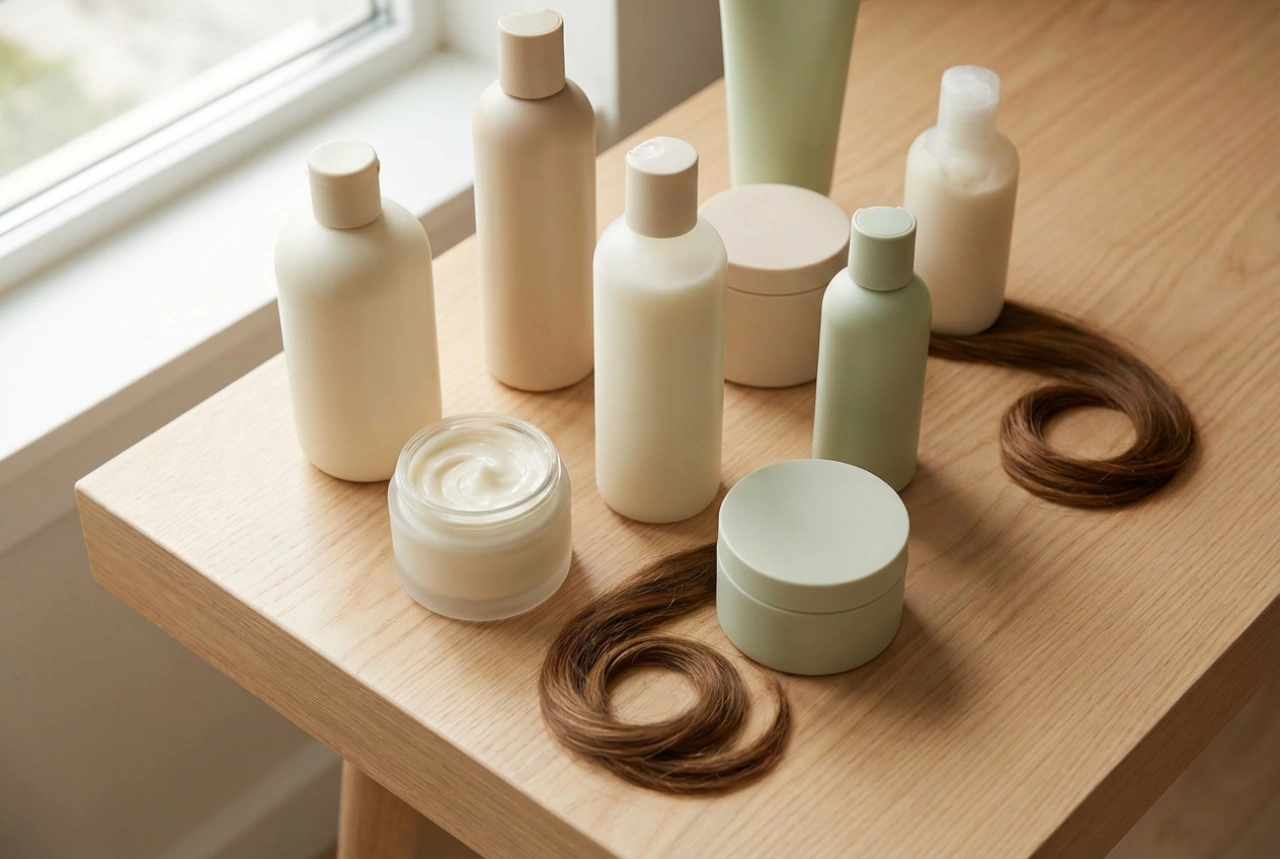
- Rinse-out Conditioner: This is your daily or regular-use product. It's designed to be applied after shampooing and left on for a few minutes before being rinsed out. It provides essential moisture and detangling benefits.
- Deep Conditioner or Hair Mask: These are more intensive treatments with a higher concentration of restorative ingredients. They should be used once or twice a week and left on for a longer period (e.g., 10-30 minutes) to allow for deeper penetration and more significant conditioning.
- Leave-in Conditioner: A lighter formula that is applied to towel-dried hair and not rinsed out. It provides continuous moisture, detangling, and protection from styling stress throughout the day. It's particularly beneficial for very dry or coarse hair.
The Correct Application Technique for Maximum Effect
Even the best conditioner won't deliver optimal results if applied incorrectly. Following a proper technique ensures the product is distributed where it's needed most, without weighing hair down.
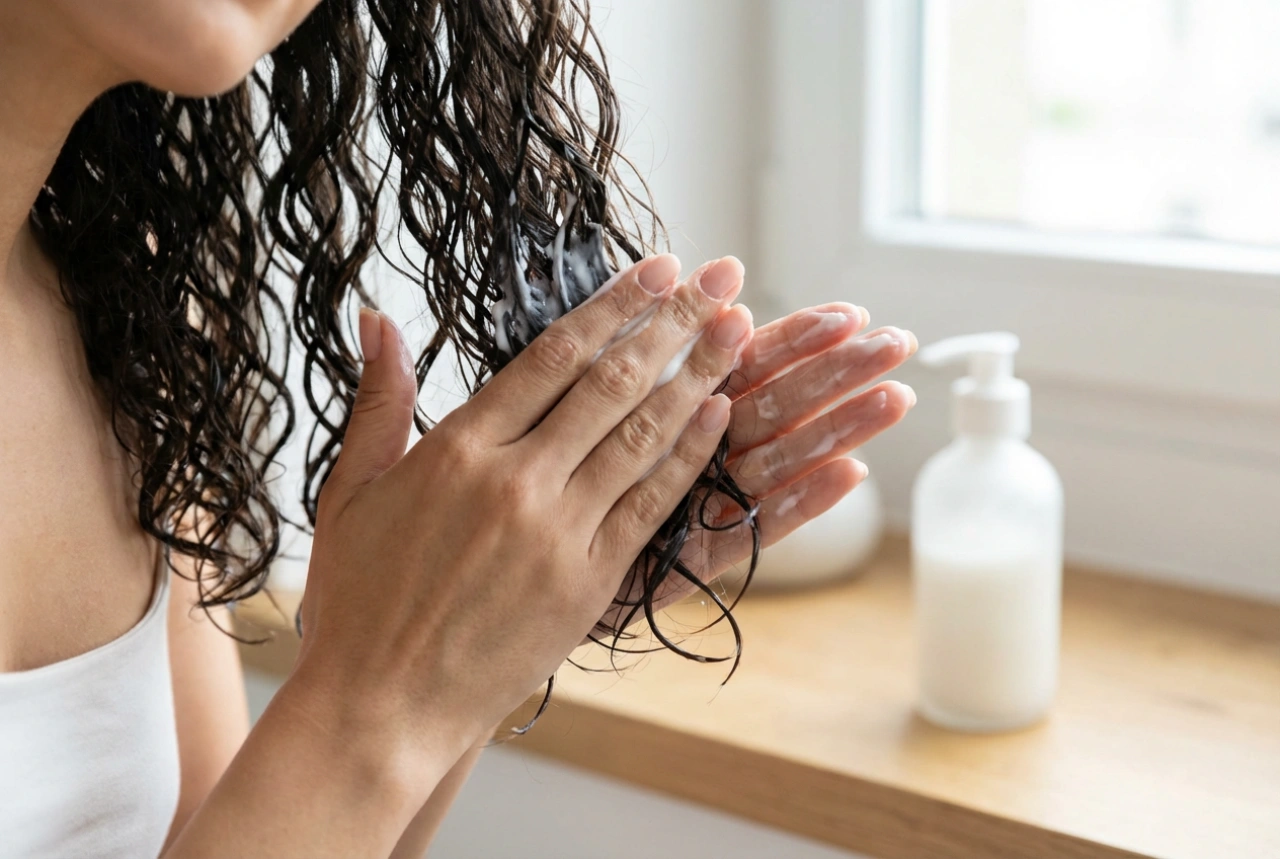
- Start with Washed, Damp Hair: After shampooing, gently squeeze the excess water from your hair with your hands or a soft towel. Applying conditioner to sopping wet hair can dilute it and reduce its effectiveness.
- Apply to Mid-lengths and Ends: The ends of your hair are the oldest and most damaged part, so they need the most attention. Avoid applying conditioner directly to the scalp and roots, as this can lead to build-up and make hair look greasy.
- Distribute Evenly: Use your fingers or a wide-tooth comb to gently work the conditioner through your hair from the mid-lengths to the tips. This ensures every strand is coated.
- Allow Time to Work: Pay attention to the instructions on the bottle. A standard conditioner usually needs 2-3 minutes, while a deep conditioner or mask may require 15 minutes or more. This waiting period is crucial for the ingredients to work effectively.
- Rinse Thoroughly: Use lukewarm or cool water to rinse the conditioner out completely. Cool water helps to seal the hair cuticle, which can enhance shine.
Common Mistakes to Avoid
To get the most out of your conditioning routine, be mindful of these common errors:
- Using too much product: A small, coin-sized amount is usually sufficient for medium-length hair. Using too much can weigh hair down and leave a residue.
- Rushing the process: Not leaving the conditioner on for the recommended time means your hair doesn't get the full benefit of the ingredients.
- Applying to the scalp: Your scalp produces its own natural oils. Adding conditioner can lead to oiliness and flat roots.
- Using hot water for rinsing: Hot water can cause the hair cuticle to swell, which can lead to more frizz and less shine.
By choosing a conditioner with nourishing ingredients and mastering the correct application technique, you can make a significant difference in the appearance and feel of damaged hair. Consistency is key to seeing a real improvement and bringing back a smoother, shinier, and more manageable look to your locks.