

A high-quality hair mask is a cornerstone of any effective hair care routine, offering an intensive treatment that goes beyond daily conditioning. Selecting the right product and applying it correctly can transform your hair's texture, health, and appearance. This thoughtful approach to deep conditioning provides nourishment where it's needed most, leaving your hair soft, shiny, and resilient. Let's explore how to choose the perfect mask for your needs and get the most out of every application.
Understanding Your Hair Type and Concerns
The first step to finding your ideal hair mask is to accurately assess your hair's characteristics and needs. A mask formulated for fine, oily hair will not be effective on thick, dry hair, and vice versa. Identifying your specific requirements is crucial for achieving the desired results.
Fine Hair
If you have fine hair, your primary goal is to find a mask that provides nourishment without weighing it down. Look for lightweight formulas that promise volume and strength. Ingredients like panthenol and lightweight proteins can help fortify strands without causing them to become flat. Avoid heavy butters and oils, which can make fine hair look greasy and limp.
Thick or Coarse Hair
Thick or coarse hair types are often prone to dryness and can handle richer, more intensive treatments. Seek out masks with a high concentration of emollients like shea butter, cocoa butter, and plant oils such as argan, avocado, or coconut oil. These ingredients help to smooth the hair cuticle, reduce frizz, and provide deep, lasting moisture.
Dry or Damaged Hair
Hair that is dry, brittle, or damaged from heat styling or chemical processes requires intensive repair. The best masks for this concern contain a balance of moisture and protein. Look for humectants like glycerin and hyaluronic acid to draw moisture into the hair shaft, and strengthening ingredients like hydrolysed keratin or silk proteins to help rebuild the hair's structure and improve elasticity.
Colour-Treated Hair
To keep your colour vibrant and prevent fading, choose masks specifically designed for colour-treated hair. These products often contain antioxidants like vitamin E and green tea extract to protect against environmental damage, along with gentle moisturising agents that won't strip colour. They help to seal the hair cuticle, locking in pigment and adding shine.
Key Ingredients to Look For in a Hair Mask
Reading the ingredient list can feel overwhelming, but knowing a few key components will help you make an informed choice. Different ingredients serve different purposes, from hydrating to strengthening.
- Humectants: These ingredients attract water molecules from the air into the hair shaft. Common examples include glycerine, aloe vera, honey, and hyaluronic acid. They are excellent for boosting hydration in all hair types.
- Emollients: These create a protective barrier on the hair's surface, smoothing the cuticle, reducing moisture loss, and adding softness and shine. Plant oils (argan, coconut, jojoba) and butters (shea, mango) are powerful emollients.
- Proteins: Essential for repairing and strengthening damaged hair. Hydrolysed proteins (like wheat, oat, or silk) have smaller molecules that can penetrate the hair shaft to fill in gaps and fortify its structure. Be mindful of protein-moisture balance; too much protein can make some hair types feel stiff.
- Vitamins and Antioxidants: Ingredients like Panthenol (Pro-Vitamin B5) improve elasticity and hydration, while Vitamin E protects the hair from oxidative stress that can cause damage and colour fading.
How to Apply a Hair Mask for Maximum Efficacy
Proper application is just as important as choosing the right product. Follow these steps to ensure you're getting the full benefits of your hair treatment.
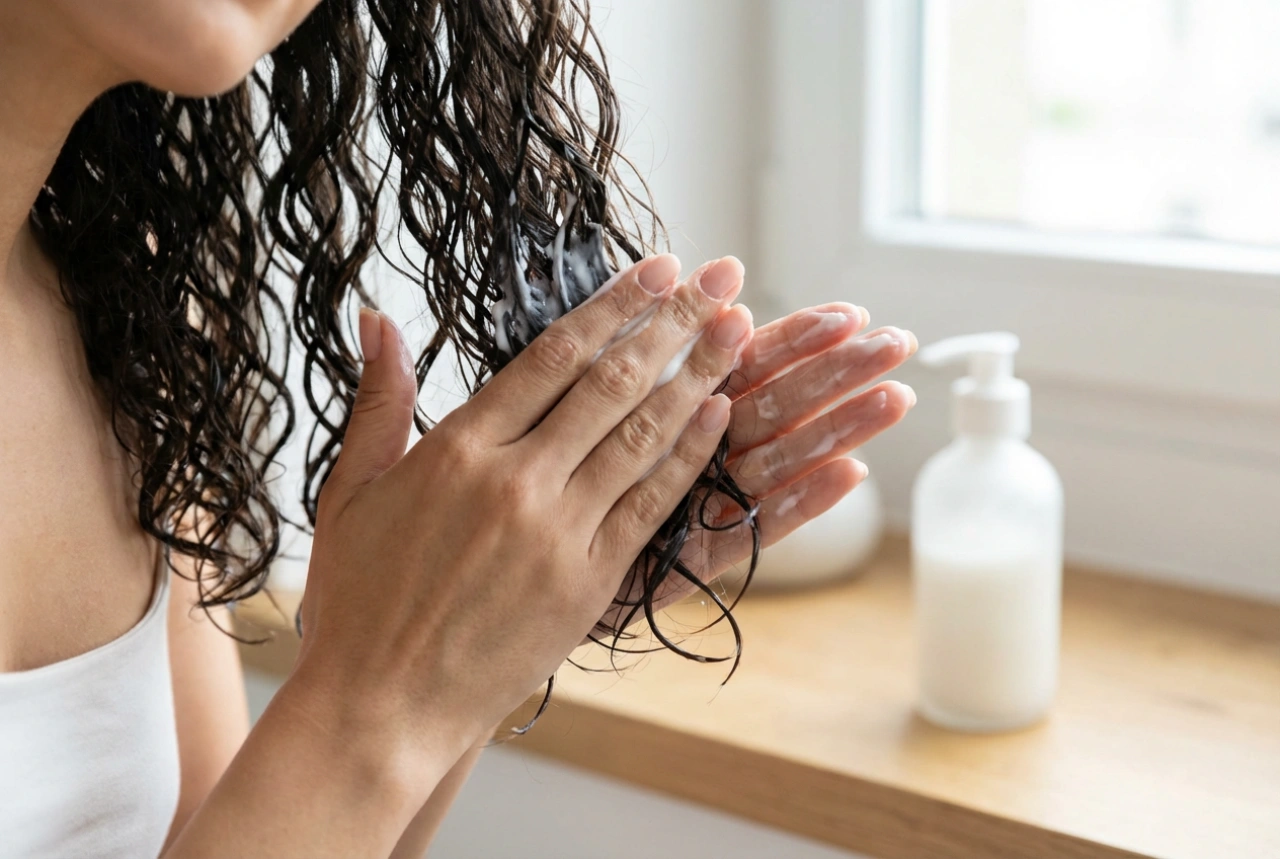
First, always start with clean hair. Shampoo your hair as usual to remove any product build-up or impurities. Gently squeeze out excess water with your hands and then blot your hair with a towel. Applying a mask to dripping wet hair will dilute the formula and reduce its effectiveness. Your hair should be damp, not soaking. Next, section your hair into two to four parts to ensure an even application. Take a small amount of the mask and begin applying it from the mid-lengths to the ends, as this is typically the oldest and most damaged part of your hair. Avoid applying it directly to the roots unless the product is specifically designed for scalp treatment, as this can weigh hair down. Use a wide-tooth comb to gently distribute the product through your hair, ensuring every strand is coated. Let the mask sit for the recommended time, usually between 5 and 20 minutes. For an extra-deep treatment, you can wrap your hair in a warm towel or a shower cap. The gentle heat helps to open the hair cuticle, allowing the ingredients to penetrate more deeply. Finally, rinse the mask out thoroughly with lukewarm or cool water. Cool water helps to seal the hair cuticle, locking in the moisture and leaving your hair looking smooth and shiny.
Common Hair Mask Mistakes to Avoid
To ensure your hair mask experience is always positive, be aware of a few common mistakes that can hinder your results. Avoiding these pitfalls will help you achieve the healthy, beautiful hair you desire.
- Using it too often: Over-conditioning can make your hair feel heavy, greasy, or limp. For most people, using a hair mask once or twice a week is sufficient.
- Applying to the roots: Unless you have a very dry scalp or are using a specific scalp mask, applying a rich formula to your roots can lead to oiliness and weigh your hair down.
- Leaving it on for too long: While it might seem like more time equals more benefits, leaving a mask on much longer than recommended (especially overnight, unless it's a designated overnight formula) can sometimes lead to issues like hygral fatigue, where the hair shaft becomes overly saturated with water and weakened.
- Not rinsing properly: Failing to rinse the mask out completely will leave a residue that makes hair feel heavy, dull, and even a bit sticky. Ensure the water runs clear before you finish.