

Satin eyeshadows occupy a beautiful middle ground in the world of eye makeup, offering a finish that is neither completely flat like a matte nor overtly sparkly like a glitter. Their subtle, sophisticated sheen brings a gentle luminosity to the eyes, creating a look of effortless elegance. The luxurious, smooth texture of satin eyeshadows makes them incredibly blendable, allowing for seamless colour transitions that are perfect for both everyday wear and special occasions. Understanding how to harness their potential can elevate your makeup routine.
What Defines a Satin Eyeshadow?
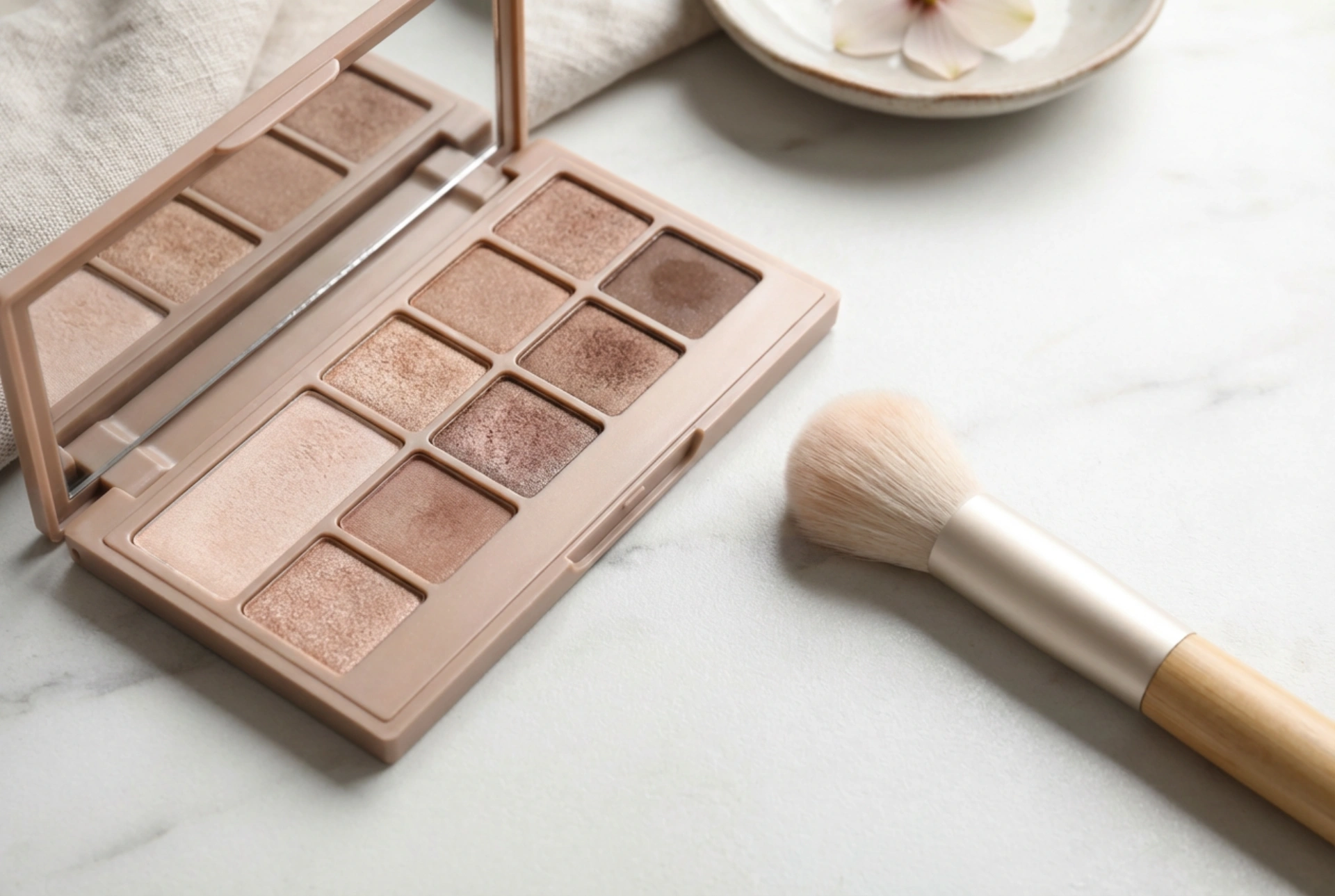
A satin eyeshadow is characterised by its soft-sheen finish, reminiscent of the fabric it's named after. It catches the light gently without containing large, visible glitter particles. This makes it a highly versatile option. Unlike matte eyeshadows, which absorb light and are ideal for creating depth and shadow, satin formulas add a touch of dimension and light. Compared to shimmer or metallic eyeshadows, their glow is much more subdued and refined, making them suitable for all ages and styles. This unique quality allows them to be used across the entire eyelid, as a transition shade in the crease, or as a subtle highlight on the brow bone.
Mastering the Art of Soft Transitions
The key to a professional-looking eye makeup application lies in blending. The smooth consistency of satin eyeshadows makes them particularly forgiving and easy to work with. Following a few simple steps will help you achieve a flawless gradient effect.
Prepare the Eyelid
Always start with a clean, moisturised eyelid. Applying a thin layer of eyeshadow primer is a crucial step. A primer creates a smooth canvas for the shadow to adhere to, preventing it from creasing throughout the day. It also helps to intensify the colour and ensures your look remains fresh for hours.
Use the Right Tools
The right brushes are essential for good blending. A medium-sized, fluffy blending brush is your most important tool for diffusing colour and softening harsh lines. Use a flatter, denser brush to pack colour onto the eyelid for more intensity, and then switch back to the fluffy brush to blend the edges. Keeping your brushes clean ensures that colours do not become muddy.
Application Technique
For a classic, soft look, begin by applying a light, neutral satin shade all over the eyelid, from the lash line to the brow bone. Next, take a medium-toned satin shadow and apply it into the crease of your eyelid using a fluffy brush. Use gentle, back-and-forth 'windscreen wiper' motions or small circular motions to diffuse the colour. The goal is to create a seamless transition where you cannot see where one colour ends and another begins. For added definition, a slightly darker shade can be applied to the outer corner of the eye and blended inwards.
Choosing Complementary Colours
Selecting the right colours can enhance your natural eye colour and complete your overall look. Satin eyeshadows come in a vast array of shades, offering endless possibilities.
For a Natural, Everyday Look
Neutral tones are a timeless choice for understated elegance. Shades like soft beige, taupe, dusty rose, and champagne are universally flattering. These colours can be worn alone for a simple wash of colour or layered to create a subtle, multi-dimensional look that brightens the eyes without being overpowering.
Creating Depth and Definition
To create a more structured look, play with light and dark shades. The rule of thumb is that light shades bring areas forward, while dark shades make them recede. Apply a light satin shade on the centre of the eyelid to make the eyes appear larger and more open. Use a deeper satin shade in the crease and outer corner to add depth and a sophisticated contour.
Tips for All-Day Wear
While satin eyeshadows are generally long-wearing, a few extra tricks can ensure your eye makeup stays perfect from morning to night. Besides using a primer, consider layering your products. Applying a cream eyeshadow in a similar shade as a base can give the powder satin shadow something to grip onto, boosting both its intensity and longevity. Finally, once your eye makeup is complete, a light mist of a setting spray can help to lock everything in place, preventing smudging or fading. This final step melds all the layers of makeup together for a truly seamless and durable finish.