

Washing your hair might seem like one of the simplest parts of your personal care routine, but the right technique can make a significant difference to the health, shine, and overall appearance of your locks. A mindful approach, transforming a mundane task into a beneficial treatment, begins with understanding the correct steps. From preparing your hair to the final rinse, mastering the art of the hair wash can help you achieve the beautiful results you desire.
Preparation is Paramount
Before you even step into the shower, a couple of preparatory steps can enhance your hair washing experience and improve the outcome. First, take a moment to gently brush your hair. This helps to detangle knots and loosen any dirt or styling product residue, making it easier for the shampoo to work effectively. Brushing dry hair also minimises breakage, as wet hair is more fragile and prone to snapping when detangled forcefully.
Next, consider the water temperature. While a hot shower can feel relaxing, excessively hot water can strip your hair and scalp of their natural, protective oils, leading to dryness and irritation. It can also cause the hair cuticle to swell, making it look dull and frizzy. Opt for lukewarm water instead. It’s effective enough to dissolve oils and product build-up without being harsh on your hair and scalp.
The Art of Shampooing
The core of the process is the shampoo itself. Applying it correctly ensures a thorough cleanse without causing unnecessary damage or stripping your hair.
Step 1: Thoroughly Wet Your Hair
Ensure your hair is completely saturated with lukewarm water before applying any product. This allows the shampoo to lather and distribute evenly. If your hair isn't wet enough, you'll find yourself using more product than necessary, and it won't cleanse as effectively.
Step 2: Use the Right Amount of Shampoo
The amount of shampoo needed depends on your hair's length and thickness, but a coin-sized amount (about the size of a 10-pence piece) is a good starting point. Instead of applying it directly to your head, dispense it into your palms and emulsify it by rubbing your hands together. This activates the ingredients and ensures a more even application.
Step 3: Focus on the Scalp
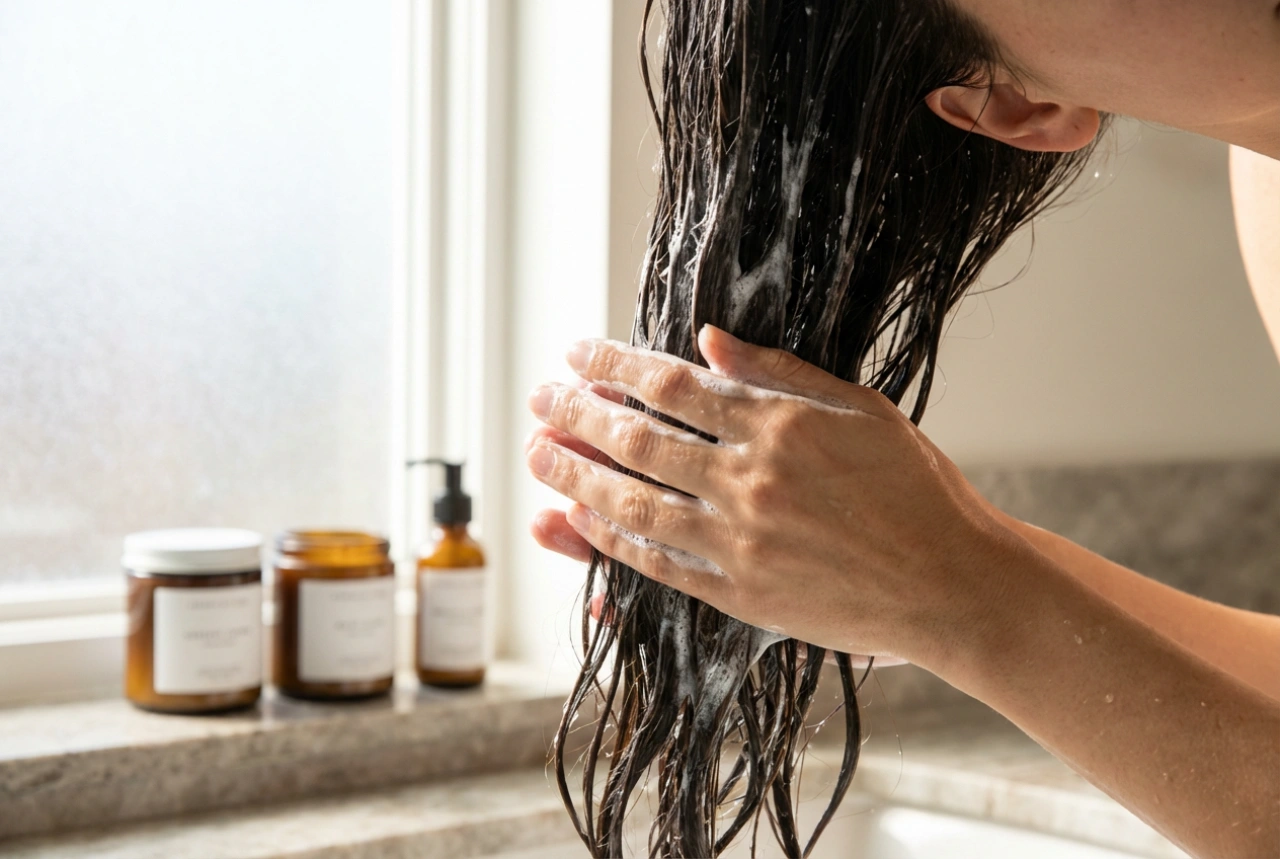
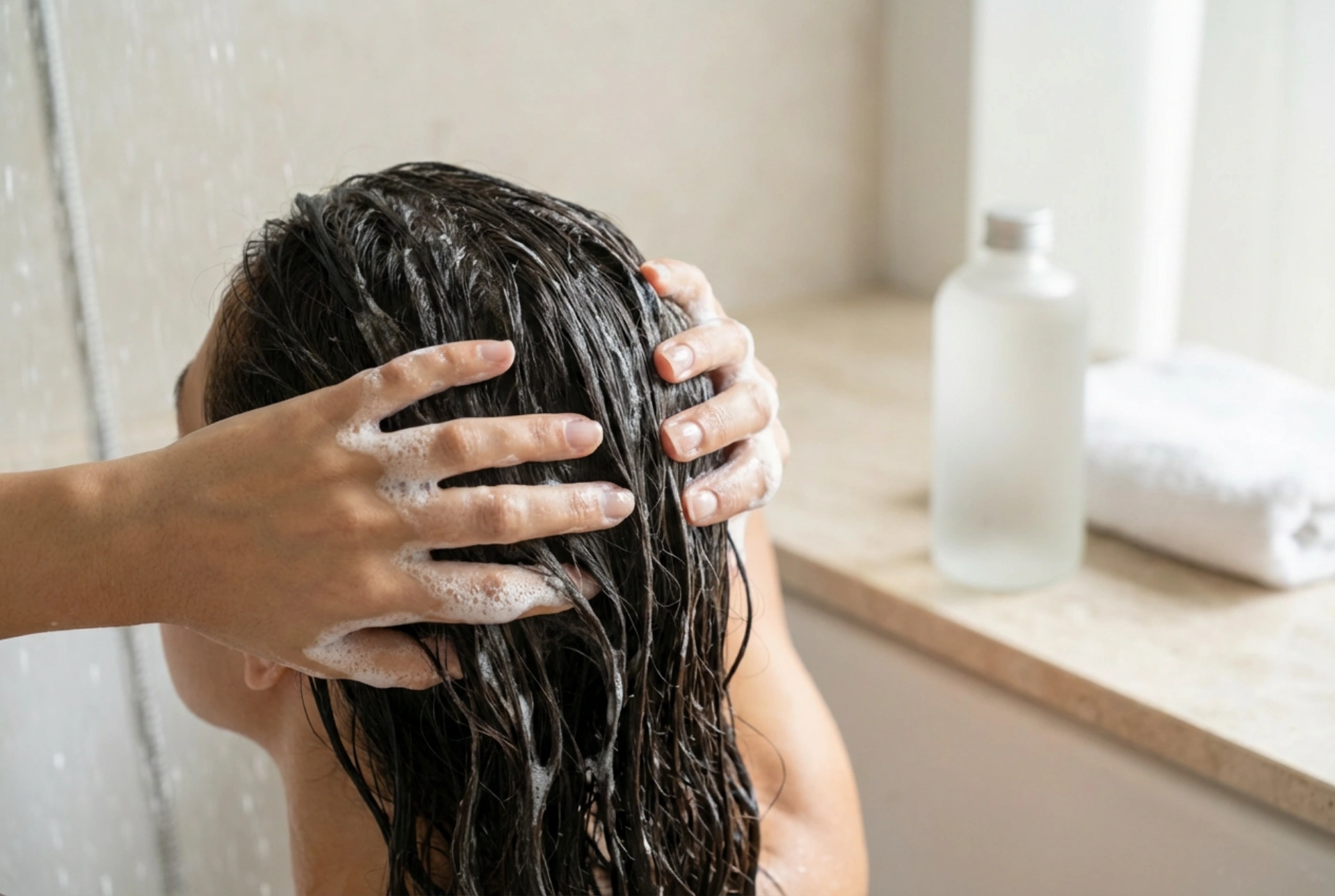
Shampoo is primarily for cleansing your scalp, where oils and dirt accumulate. Using your fingertips (not your nails), gently massage the shampoo into your scalp in circular motions. This not only cleanses but also stimulates blood flow, which is beneficial for hair health. There's no need to vigorously scrub the lengths of your hair; the suds that rinse down will be sufficient to cleanse them without causing friction and tangles.
Rinsing and Conditioning
How you rinse and condition is just as important as how you shampoo. Leaving product residue behind is a common cause of dull, limp, or greasy-feeling hair.
Step 1: Rinse Meticulously
Spend a minute or two rinsing your hair thoroughly with lukewarm water. Lift sections of your hair to ensure water reaches every part of your scalp. Continue rinsing until you can no longer feel any suds or slipperiness from the shampoo. This step is crucial for preventing build-up that can weigh your hair down.
Step 2: Apply Conditioner Correctly
After rinsing out the shampoo, gently squeeze the excess water from your hair. Applying conditioner to soaking wet hair dilutes the product and reduces its effectiveness. Focus the application on the mid-lengths and ends, as these areas are older and more prone to dryness and damage. Avoid applying conditioner directly to your roots and scalp, which can lead to oiliness and lack of volume.
Finishing Touches for Healthy Hair
The final steps after conditioning can lock in shine and protect your hair from damage during the drying and styling process. For a final rinse, briefly switch the water to a cooler temperature. This helps to seal the hair cuticle, which locks in moisture from the conditioner and makes your hair appear smoother and shinier. After turning off the water, resist the urge to rub your hair vigorously with a towel. This rough action can cause frizz and breakage. Instead, gently squeeze and blot the excess water from your hair using a soft microfibre towel or even an old cotton t-shirt for a gentler alternative. Finally, use a wide-tooth comb to carefully detangle your hair, starting from the ends and working your way up to the roots. This method is the kindest way to deal with post-wash tangles and sets the stage for healthy styling.