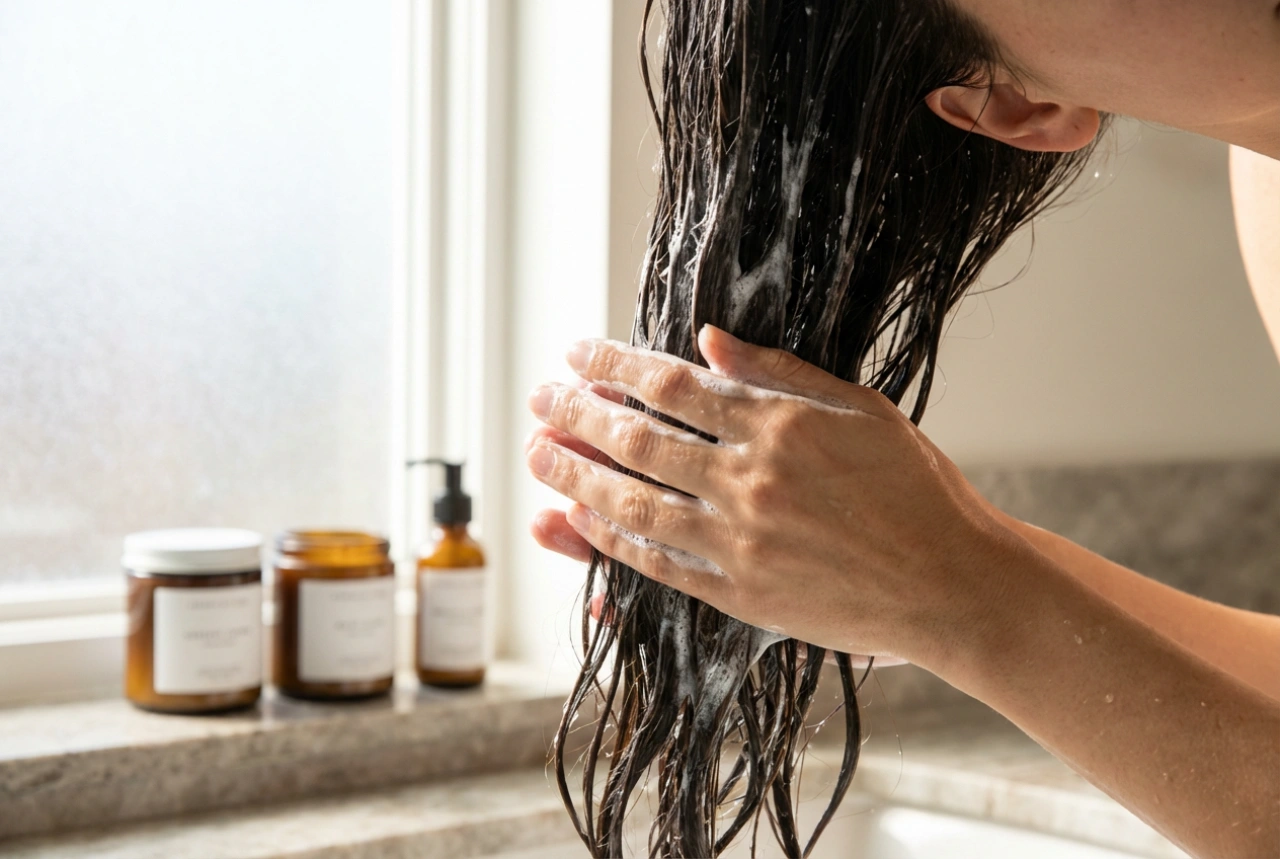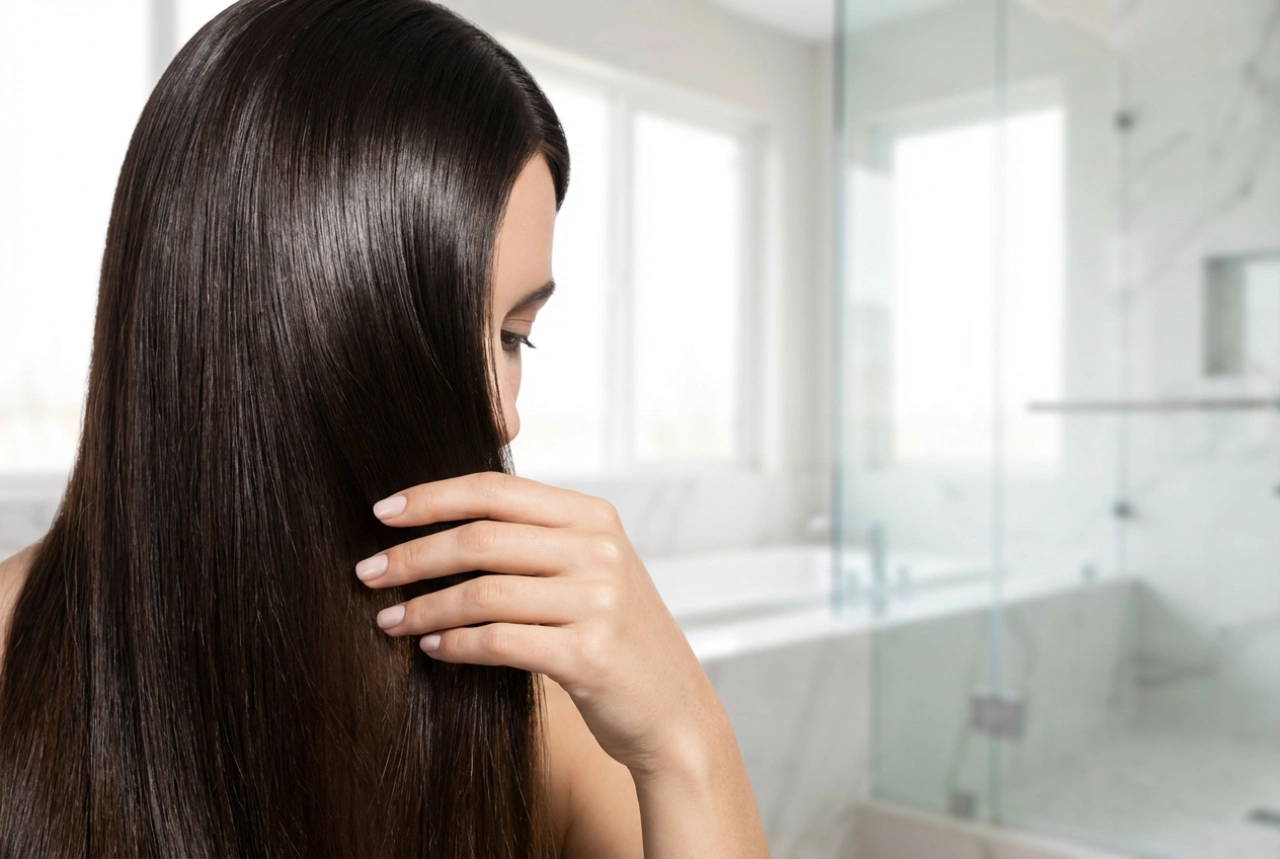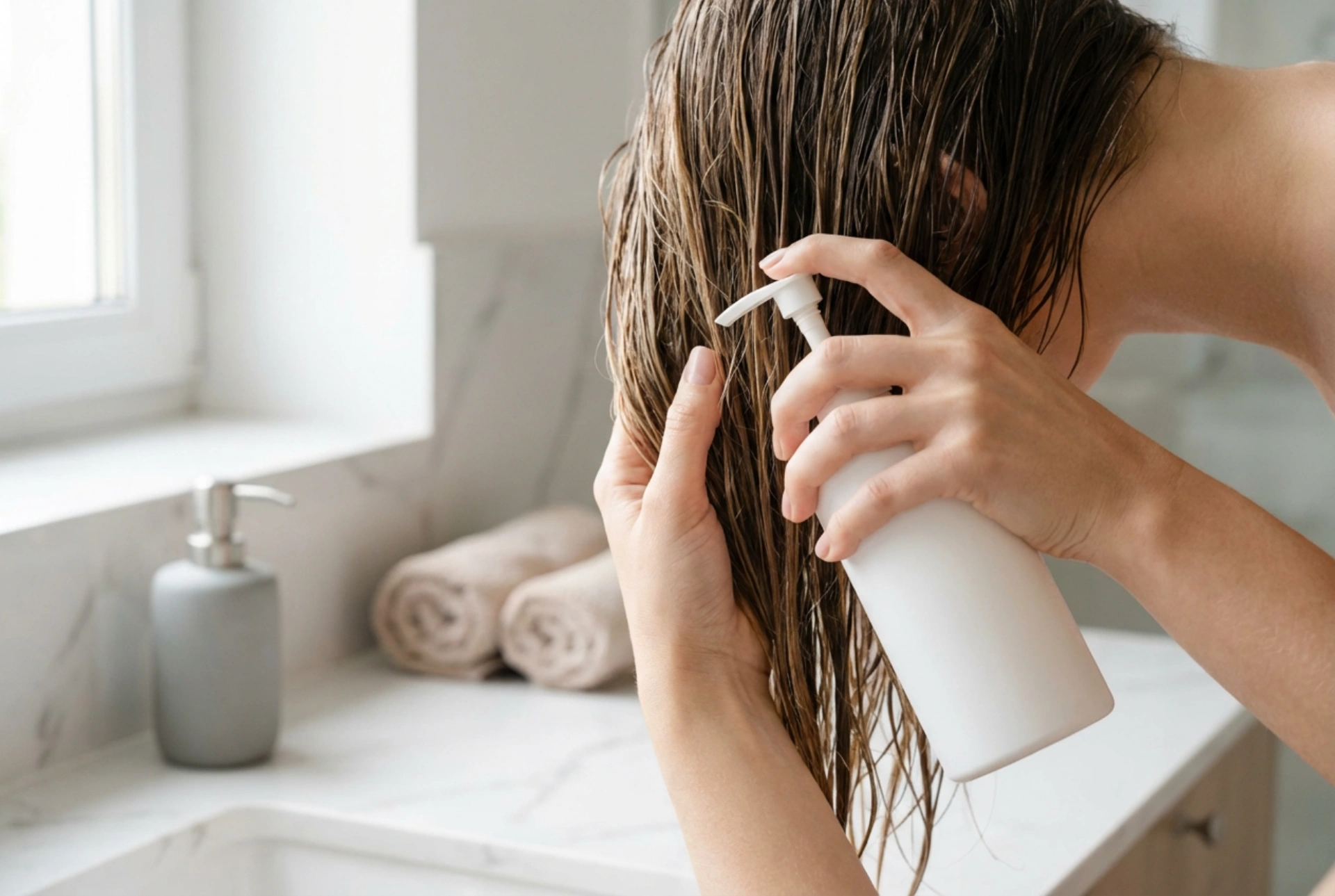


Noticing more hair on your brush or in the shower drain can be concerning. While some daily shedding is a natural part of the hair's life cycle, excessive shedding can prompt us to look closer at our hair care routine. A crucial first step is evaluating your shampoo and application technique. As seen in the mindful act of gently applying shampoo, the right approach can make a significant difference in supporting the health and resilience of your hair, starting from the scalp.
Understanding What to Look for in a Shampoo
When you're dealing with increased hair fall, the goal is to create the best possible environment for your scalp and to strengthen the hair you have. This means choosing a shampoo with beneficial ingredients while avoiding harsh ones. Look for formulas that contain components known for their strengthening and nourishing properties. Ingredients such as proteins (like keratin or silk amino acids) can help fortify the hair shaft, making it more resistant to breakage. Vitamins like biotin and niacinamide are often included to nourish the scalp. Furthermore, various plant extracts and essential oils are used in formulations to help soothe and invigorate the scalp. It's also wise to consider shampoos free from harsh sulphates (such as Sodium Lauryl Sulphate), as these can strip the scalp of its natural oils, leading to dryness and irritation, which is not conducive to healthy hair.
Choosing the Right Shampoo for Your Hair and Scalp Type
A one-size-fits-all approach rarely works in hair care. Even when the primary concern is shedding, your specific hair and scalp type must guide your choice to ensure the product is effective and not counterproductive.
For Oily Scalps
If your scalp tends to get oily quickly, you might be tempted to use a strong, stripping shampoo. However, this can backfire by causing your scalp to produce even more oil. Instead, look for a formula that offers a gentle but effective cleanse. Ingredients like tea tree oil extract or salicylic acid in mild concentrations can help manage oil production without causing excessive dryness. The key is balance: a clean scalp without irritation.
For Dry Scalps
A dry, tight, or flaky scalp is an unhealthy foundation for hair. If this is your scalp type, you need a shampoo that provides moisture and hydration. Look for ingredients like glycerin, aloe vera, or hyaluronic acid. These humectants help draw moisture into the scalp, soothing dryness and creating a better environment for your hair follicles. Creamy, lotion-like textures are often a good indicator of a moisturising shampoo.
For Fine or Thin Hair
If your hair is fine, heavy formulas can weigh it down, making it look flat and even thinner. Opt for lightweight or 'volumising' shampoos. These are designed to cleanse effectively without leaving behind heavy residues. They often contain ingredients that help to lightly coat the hair strand, giving it a fuller appearance without compromising scalp health.
The Correct Application Technique: A Step-by-Step Guide
How you wash your hair is just as important as what you wash it with. A gentle, methodical technique ensures you get the maximum benefit from your shampoo while minimising physical stress on the hair strands.
- Wet Hair Thoroughly: Start by completely saturating your hair with lukewarm water. Water that is too hot can strip natural oils and irritate the scalp.
- Emulsify Before Applying: Dispense a coin-sized amount of shampoo into your palm. Rub your hands together to create a lather before applying it to your scalp. This ensures even distribution and prevents using too much product in one spot.
- Focus on the Scalp: Healthy hair starts at the root. Use your fingertips (never your nails) to gently massage the shampoo into your scalp using circular motions. This not only cleanses the scalp of oil and buildup but also helps to stimulate circulation.
- Cleanse Lengths Gently: Avoid piling all your hair on top of your head and scrubbing vigorously. This creates tangles and causes friction that can lead to breakage. Simply allow the lather to run down the lengths of your hair as you rinse; this is sufficient to clean them.
- Rinse Completely: Rinse your hair with lukewarm water until it feels completely clean and free of product. Any residue left behind can weigh hair down and potentially irritate the scalp.
Common Mistakes to Avoid
Sometimes, what we do wrong is more impactful than what we do right. Avoiding these common errors can significantly contribute to reducing hair breakage and supporting scalp health. Don't use excessive amounts of shampoo, as this leads to product buildup and can be difficult to rinse out. Find a washing frequency that suits your scalp; over-washing can be as detrimental as under-washing. Always prioritise the scalp during washing, as it's the foundation of your hair's health. Finally, be gentle after washing. Instead of rubbing your hair aggressively with a towel, gently squeeze out excess water with your hands and then pat it dry with a soft microfibre towel or an old cotton t-shirt to minimise friction and prevent breakage.