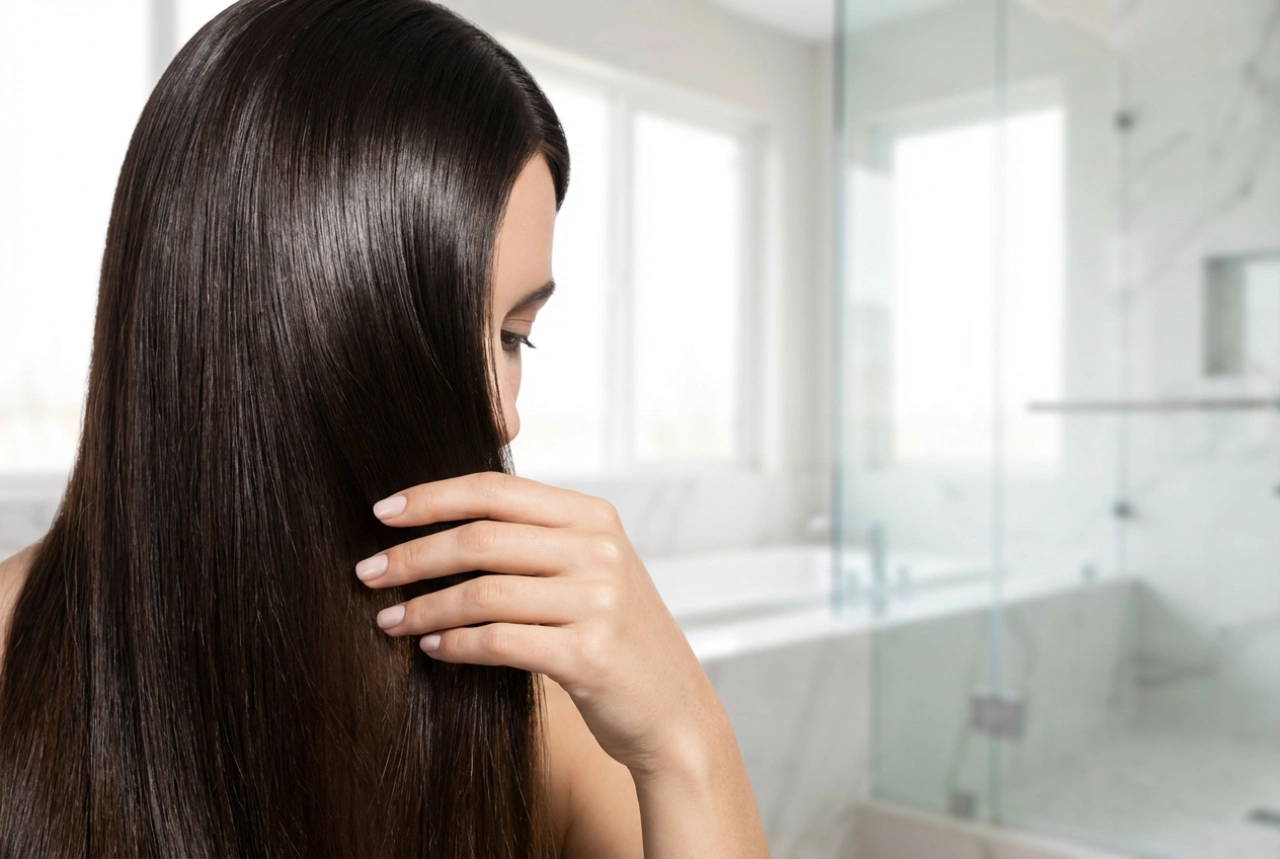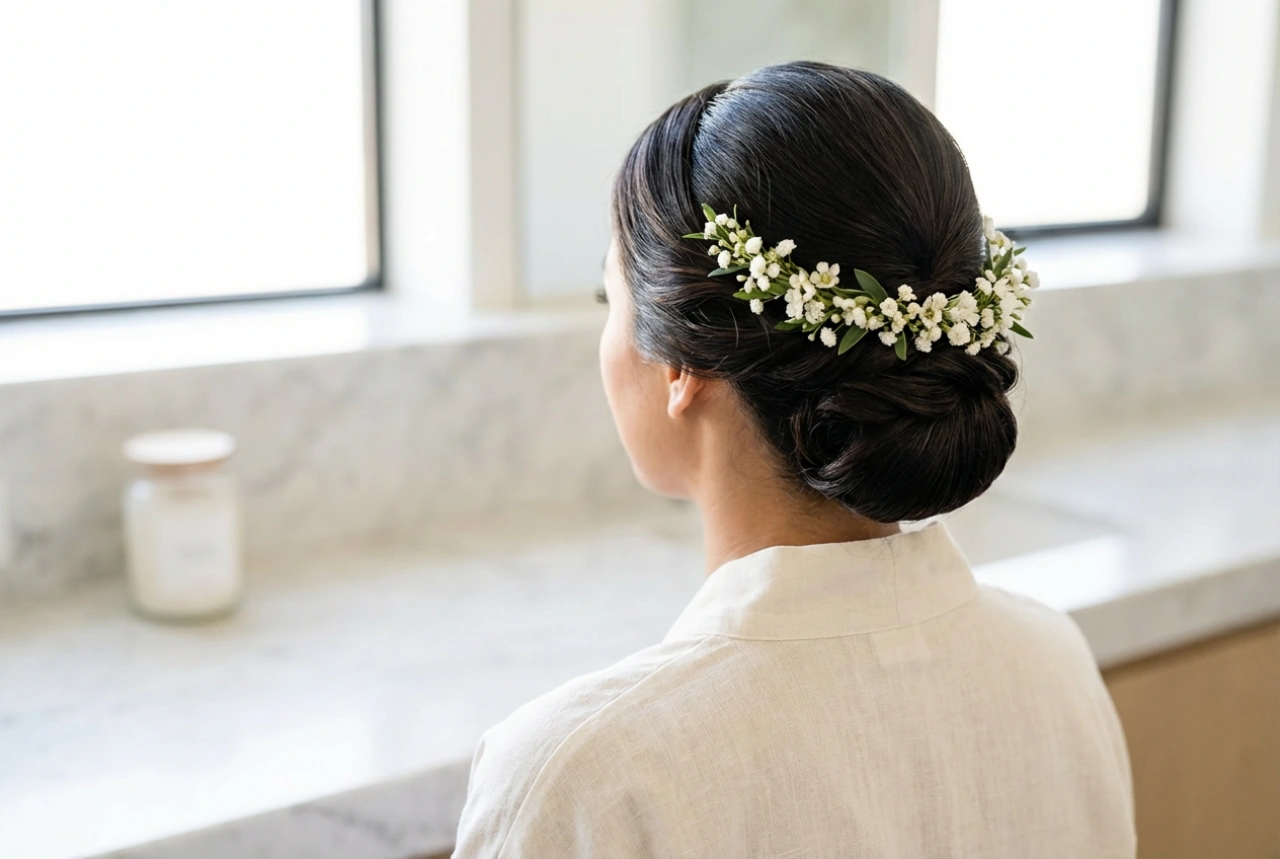


The minimalist aesthetic and sense of tranquillity often associated with Japanese beauty extend deeply into their approach to hair care. Far from being just a cleansing product, a Japanese-inspired shampoo is part of a holistic ritual aimed at fostering long-term hair and scalp health. This philosophy moves away from quick fixes and instead focuses on creating a foundation of balance and nourishment, using principles and ingredients honed over centuries. Understanding this approach is the first step towards achieving the smooth, radiant hair admired in Japanese beauty ideals.
The Philosophy Behind Japanese Hair Care
At the core of the Japanese hair care philosophy is the belief that beautiful hair begins with a healthy scalp. The scalp is viewed as the 'soil' from which hair grows, and so it must be treated with the utmost care. This contrasts with many Western approaches that may focus more on treating the hair shaft itself with styling products or intensive masks. The Japanese method is preventative and foundational; it aims to create the optimal environment for hair to grow strong, resilient, and naturally glossy from the root. This involves a two-pronged approach: gentle, thorough cleansing to remove impurities without stripping natural oils, and deep nourishment to soothe and fortify the scalp skin. The goal is harmony, ensuring the scalp is neither too oily nor too dry, but perfectly balanced.
Key Ingredients in Japanese-Inspired Shampoos
The effectiveness of these shampoos lies in their sophisticated formulations, which blend traditional, nature-derived ingredients with modern science. When exploring these products, you will often find a focus on botanicals known for their specific benefits.
Nourishing Oils and Extracts
These are the cornerstone of hydration and shine. Look for ingredients that provide moisture without weighing the hair down. Common examples include:
- Camellia Oil (Tsubaki): A treasured secret in Japanese beauty, this oil is rich in oleic acid and vitamins. It is exceptional at sealing in moisture, smoothing the hair cuticle, and adding a brilliant shine.
- Rice Bran Oil and Extract: For centuries, Japanese women have used rice water to care for their hair. Rice-derived ingredients are packed with antioxidants, minerals, and vitamins B and E, which help to strengthen hair, improve elasticity, and promote softness.
- Yuzu Extract: This citrus fruit extract helps to clarify and refresh the scalp and hair, promoting a sense of lightness and volume while providing a subtle, uplifting aroma.
Scalp-Soothing Components
To maintain the health of the scalp 'soil', specific ingredients are used to calm, protect, and invigorate. A healthy scalp is free from irritation and has good circulation, which encourages robust hair growth.
- Green Tea Extract: Known for its powerful antioxidant properties, green tea helps to protect the scalp from environmental stressors and can have a soothing effect.
- Seaweed and Algae Extracts: These marine botanicals are rich in minerals and nutrients. They help to hydrate the scalp and hair, providing balance and improving texture.
- Sakura (Cherry Blossom) Extract: This extract is often included for its moisturising and soothing properties, helping to maintain a supple and comfortable scalp.
Choosing a Shampoo Based on Your Hair Needs
While the overall philosophy is universal, formulations are tailored to address specific hair and scalp concerns. To choose the right one, start by identifying your primary need.
For Dry or Damaged Hair
If your hair feels brittle, looks dull, or is prone to split ends, seek out shampoos with a strong focus on moisture and repair. Formulations rich in Camellia (Tsubaki) oil, rice proteins, and other deeply hydrating ingredients will be most beneficial. These will help to replenish lost moisture, smooth the hair's surface, and restore its natural lustre and flexibility.
For Fine or Oily Hair
Those with fine hair that easily becomes flat or a scalp that tends to get oily should look for clarifying and balancing formulas. Ingredients like yuzu extract, mint, and seaweed can help to gently cleanse away excess sebum without over-drying. These lighter formulations provide volume and help maintain a fresh, clean feeling for longer.
For a Sensitive Scalp
A calm scalp is a happy scalp. If you experience sensitivity, prioritise shampoos with gentle, amino-acid-based cleansing agents, which are much milder than harsh sulphates. Look for soothing ingredients like green tea extract, liquorice root extract, and aloe. Fragrance-free or naturally scented options are also a wise choice to avoid potential irritation.
Adopting the Japanese Hair Washing Method
How you wash your hair is just as important as what you use. The Japanese hair care ritual often involves a double-cleanse method to ensure both the hair and scalp are impeccably clean and receptive to nourishing treatments.
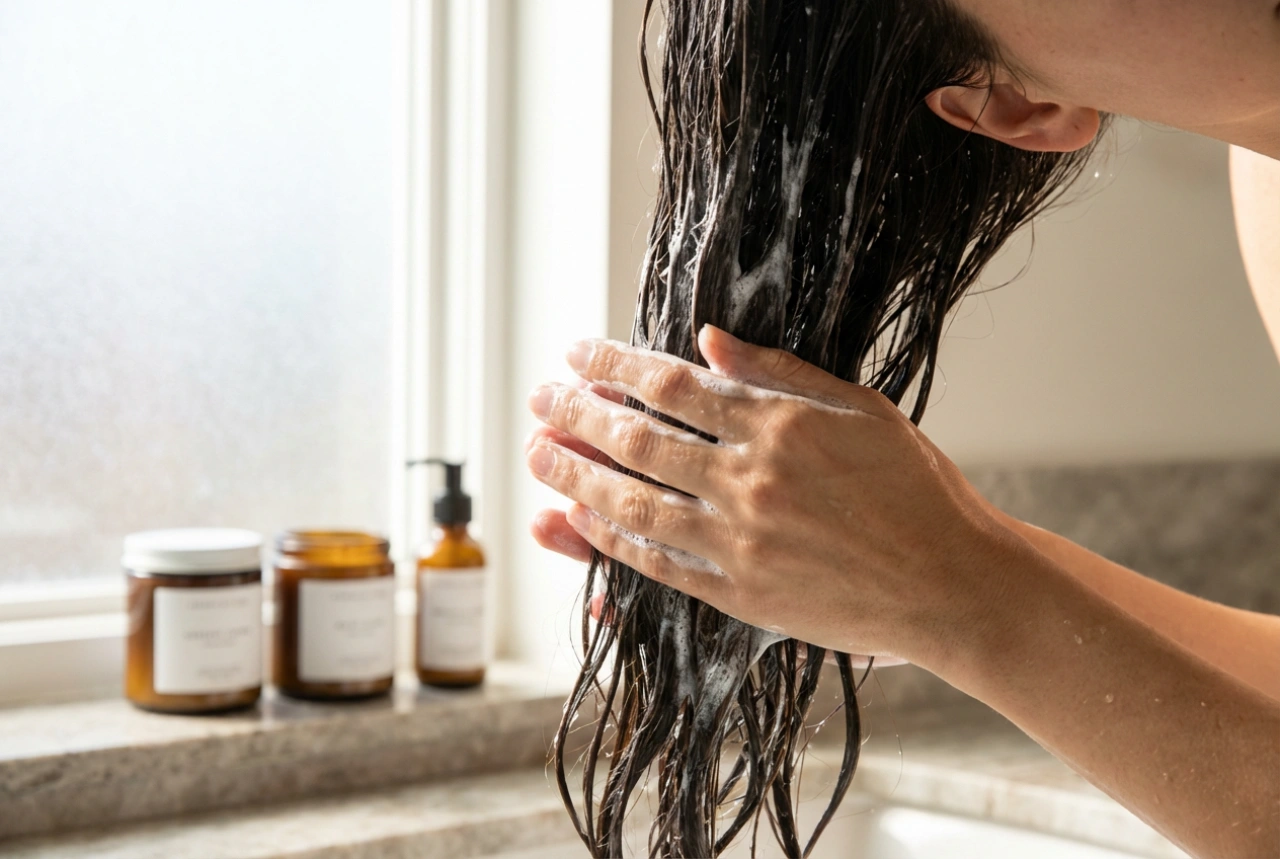
First, take time to thoroughly wet your hair. The initial wash uses a small amount of shampoo worked into a lather, focusing on the lengths of the hair to remove daily grime, dust, and styling product residue. Rinse this out completely. The second wash is the main event for the scalp. Use a fresh amount of shampoo and work it into a rich foam. Use your fingertips (not nails) to gently but firmly massage your entire scalp in circular motions for at least a minute. This not only deep-cleanses the follicles but also stimulates blood flow. Finally, rinse meticulously, ensuring no product is left behind, as residue can weigh hair down and irritate the scalp. Following this mindful ritual transforms a daily chore into a moment of restorative self-care.