

The French manicure is the epitome of classic nail elegance, a timeless style that complements any look with its clean and sophisticated finish. Achieving this polished look at home might seem daunting, but with the right polishes, tools, and a little practice, it's entirely possible. The key lies in selecting the perfect shades of sheer nude and crisp white, and mastering the technique for creating that iconic 'smile line'. This guide will explore the essentials for creating a beautiful French manicure from the comfort of your own home.
Choosing the Perfect Shades for Your French Manicure
The traditional French manicure is defined by its specific colour palette: a natural, translucent base and a solid white tip. However, selecting the right tones within this palette is crucial for achieving a result that complements your skin tone and personal style.
The Base Colour
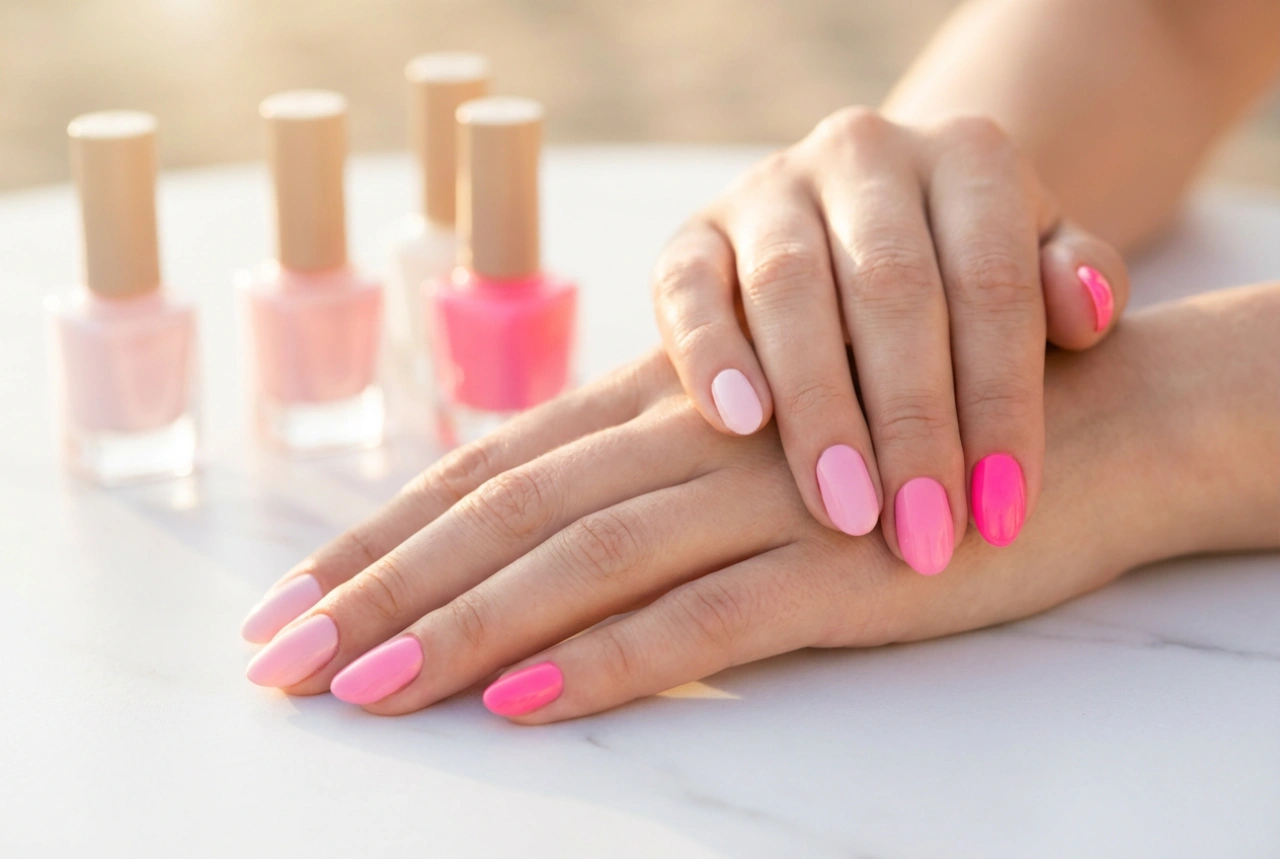
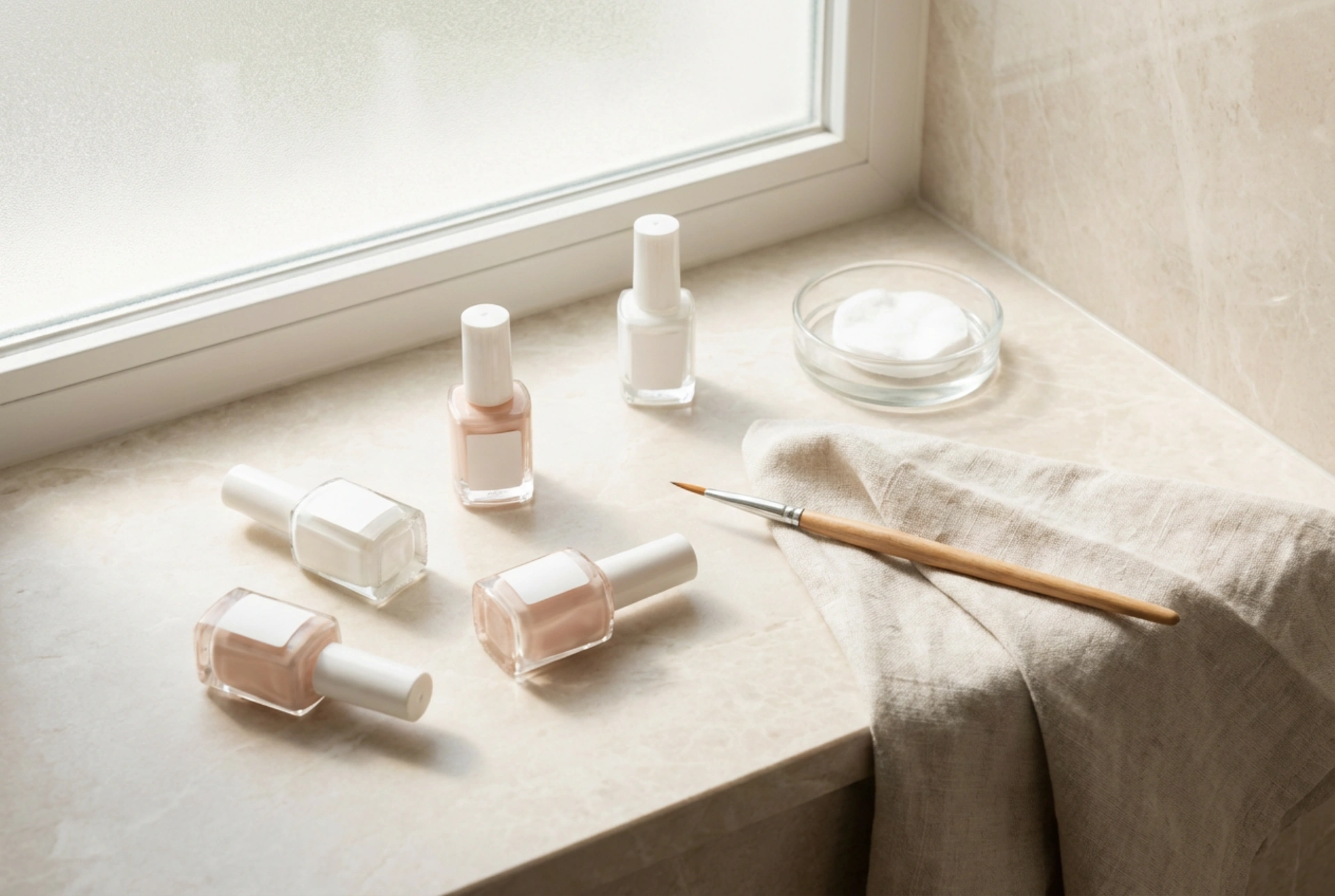
The base coat should enhance the natural look of your nail bed, not completely cover it. Look for sheer polishes in shades of pale pink, neutral beige, or soft peach. The goal is to create a healthy, uniform appearance. When choosing a colour, consider your skin's undertones. Cooler skin tones often look best with sheer pinks, while warmer skin tones are complemented by peachy nudes and beiges. Always test a colour if possible; the right shade will make your nails look naturally flawless.
The Tip Colour
A crisp, opaque white is the classic choice for the tip of a French manicure. It provides a stark, clean contrast that defines the style. For a slightly softer, more modern look, you might consider an off-white or a creamy ivory. If you feel adventurous, you can also experiment with different colours for the tip. A pastel shade, a subtle metallic, or even a bold colour can offer a contemporary twist on the traditional French style.
Essential Tools for Precision Work
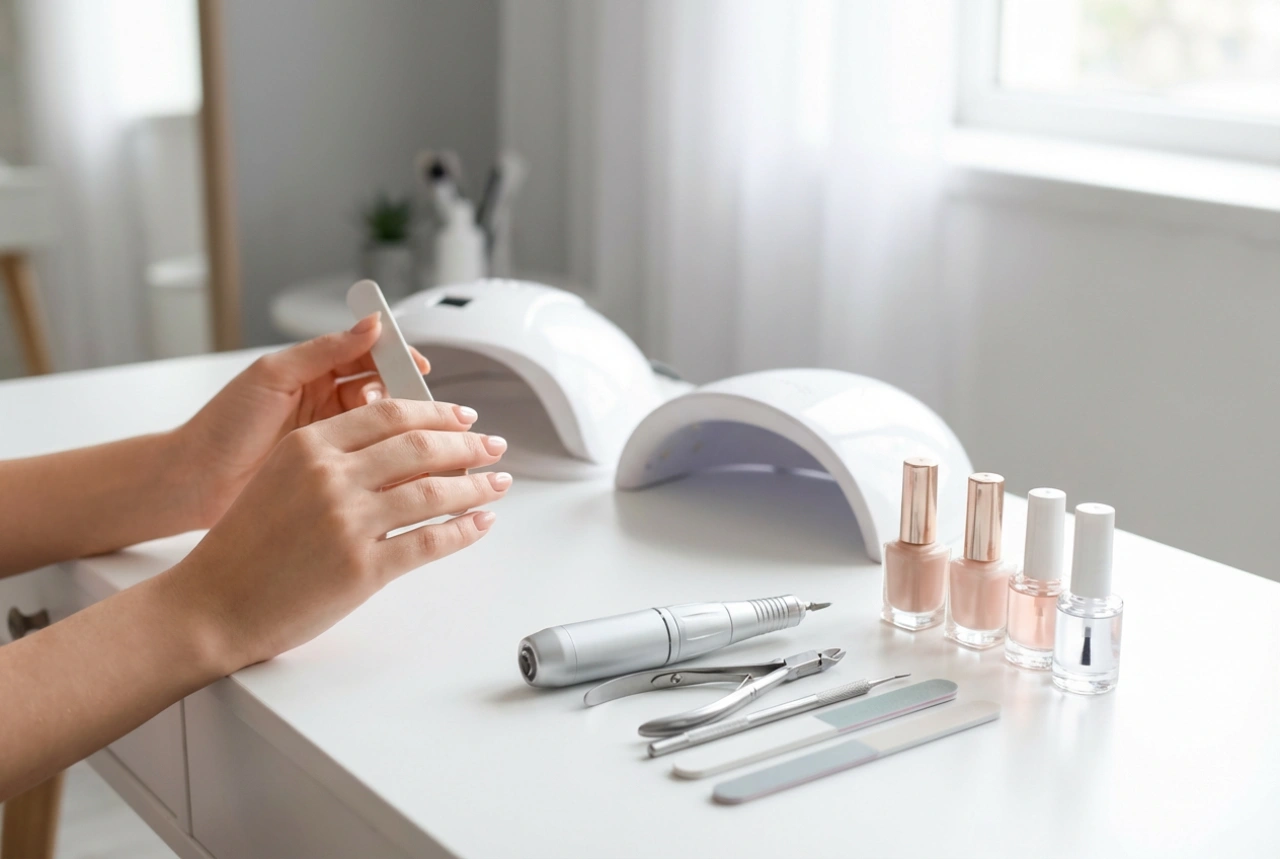
Beyond the polishes, the right tools will make the application process smoother and more professional. Investing in a few key items can dramatically improve your results.
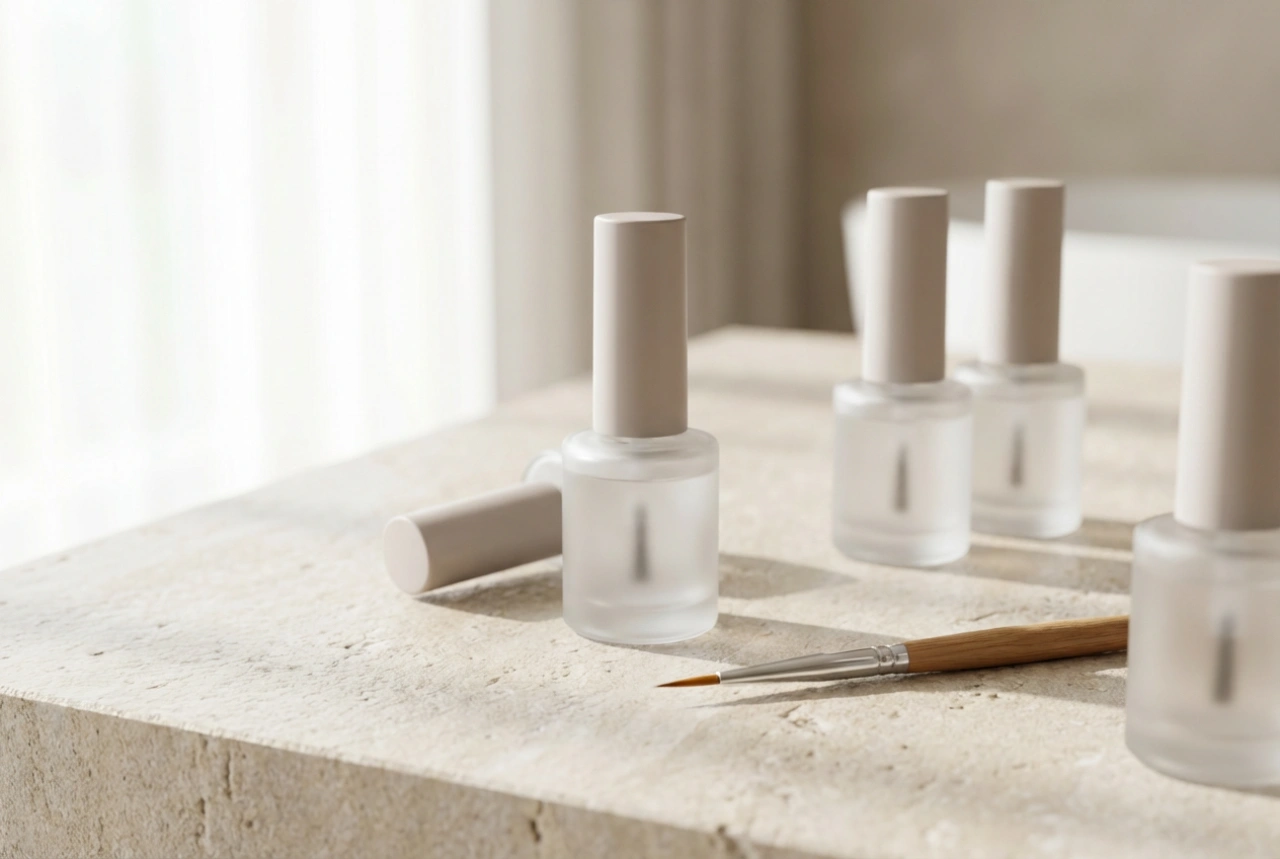
- Fine-Tipped Art Brush: This is arguably the most important tool for creating a sharp, clean line. While some polishes come with a thin brush, a dedicated nail art brush offers superior control and precision for painting the smile line.
- Standard Polish Brushes: These are used for applying the base coat and top coat. A good quality brush that fans out evenly will allow for a smooth, streak-free application.
- Clean-Up Brush: A small, flat or angled brush dipped in nail polish remover is perfect for correcting any mistakes. It allows you to sharpen the smile line or clean up any polish that may have gotten onto the skin around the nail.
- Base and Top Coats: A quality base coat protects your natural nail and helps the polish adhere better, while a high-shine top coat seals the design, adds gloss, and extends the life of your manicure.
Technique: Painting the Perfect Smile Line
The 'smile line' is the gentle curve that separates the white tip from the nude base. A steady hand and patience are your best assets here. Follow these steps for a flawless application.
Preparation and Base Application
Start with clean, dry nails. File them to your desired shape and gently push back your cuticles. Apply a thin layer of your chosen base coat and let it dry completely. Following this, apply one or two thin coats of your sheer base colour. Ensure each layer is fully dry before proceeding to avoid smudging. Patience during the drying phase is essential for a smooth final result.
Creating the Tip
There are two primary methods for painting the white tip. The first is to use the polish's own brush. Wipe off excess polish from one side of the brush, and then, starting from one corner of the nail, sweep it across to the other side in a single, confident motion to create the curve. The second, more controlled method involves using a fine-tipped art brush. Decant a small amount of white polish onto a palette (a piece of foil works well). Dip your art brush into the polish and carefully trace the smile line. Once the outline is complete, fill in the rest of the tip. Don't worry if it's not perfect on the first try; you can refine it with a clean-up brush.
Finishing Touches
After the white tips are completely dry, apply a high-quality top coat over the entire nail. Be sure to 'cap' the free edge by running the brush along the very tip of the nail. This helps to seal the polish and prevent chipping. Allow your manicure to dry thoroughly before engaging in any activities that could cause smudges or dents.