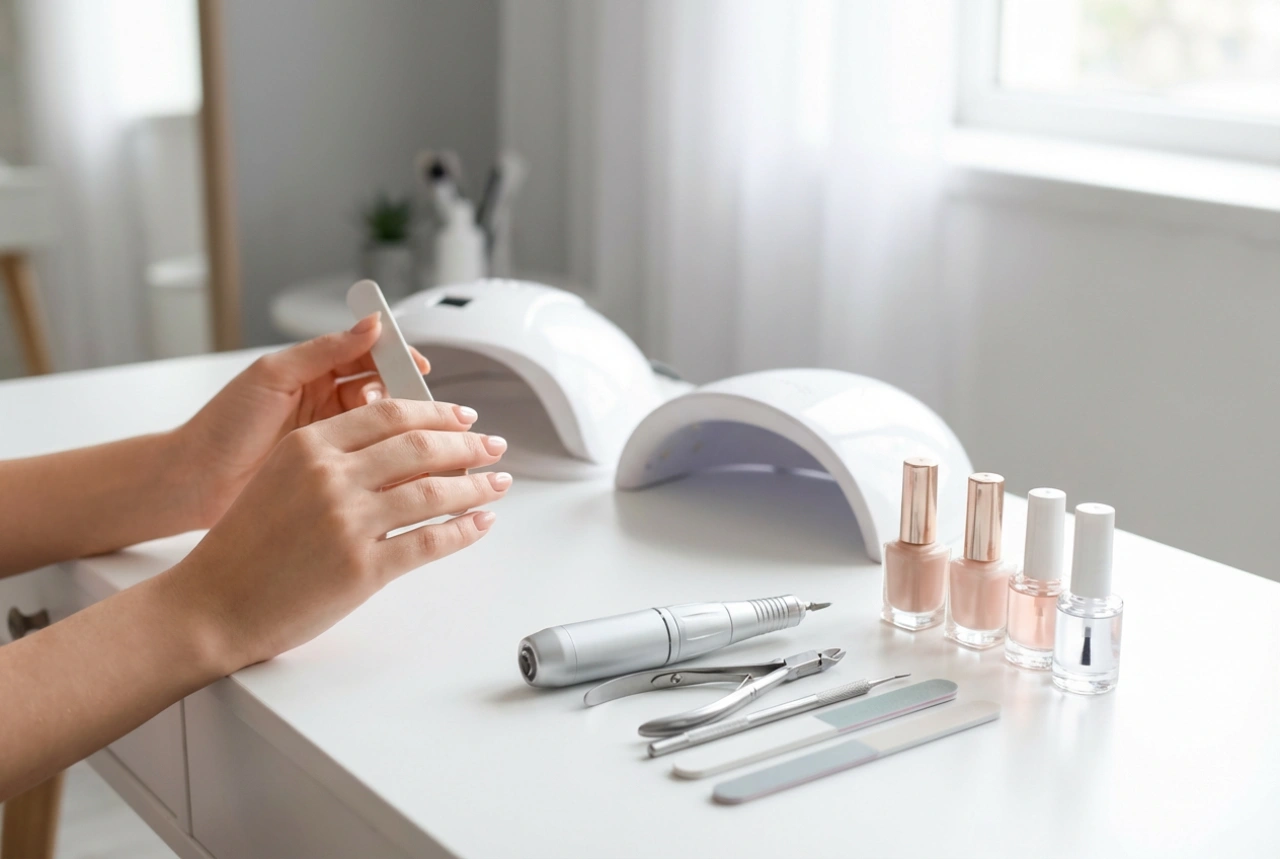


Achieving a salon-quality manicure at home often comes down to having the right tools. A mini nail drill, also known as an electric nail file, can be a fantastic addition to your personal care kit, offering precision for shaping nails and tidying cuticles. However, its power and efficiency also demand correct and careful handling to maintain the health and beauty of your nails. Understanding how to use this device safely is paramount to unlocking its full potential without causing damage.
What Is a Mini Nail Drill and What Is It For?
A mini nail drill is a compact, motorised tool designed for at-home nail care. It comes with interchangeable attachments, known as bits or burs, which rotate at various speeds to file, shape, and buff nails. Unlike manual files, a drill can perform these tasks much faster and with greater precision, provided it is used correctly. It is particularly useful for individuals who enjoy experimenting with nail art or maintaining perfectly groomed nails between professional appointments.
Primary Uses at Home:
- Shaping and Shortening: Quickly and evenly shape the free edge of natural or enhanced nails.
- Cuticle Care: Gently push back and remove the non-living tissue (the true cuticle) that grows on the nail plate, creating a clean and neat appearance.
- Surface Smoothing: Lightly buff the nail surface to smooth out ridges and create a perfect canvas for polish.
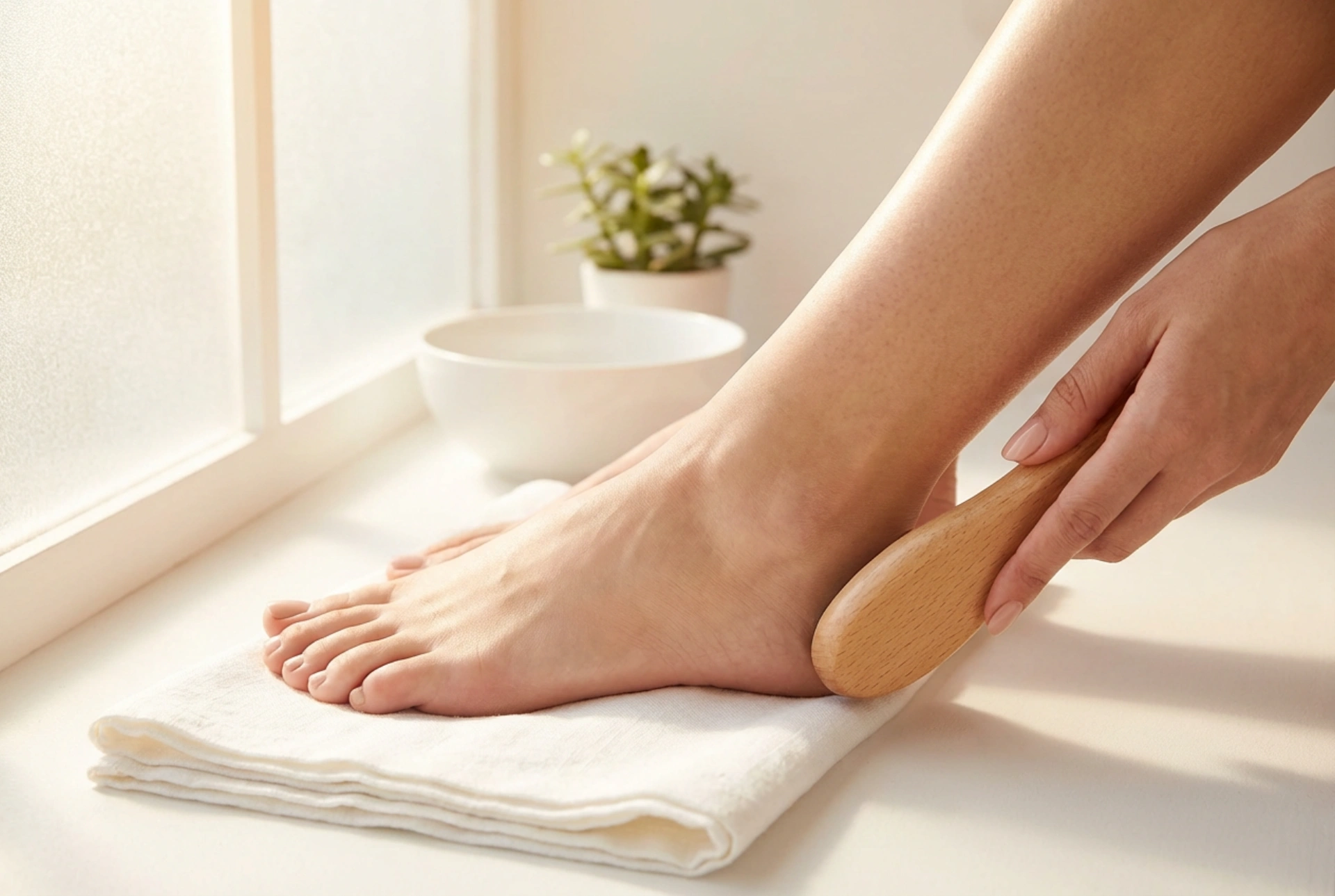
- Callus Removal: Some bits can be used to gently smooth small calluses on the skin around the nails.
Understanding the Different Drill Bits
The effectiveness and safety of a nail drill depend entirely on the bit you choose. Bits come in various materials (such as diamond, carbide, ceramic, or silicone), shapes, and grits (coarseness). For home use on natural nails, it's crucial to start with the finest, gentlest options available.
Essential Bits for Beginners:
- Fine-Grit Barrel or Cone Bit: Ideal for shortening the nail and refining the overall shape. Its flat or tapered surface allows for smooth, even filing.
- Small Flame or Needle Bit: This fine-pointed bit is designed for precision work around the cuticle area. It can gently lift the cuticle from the nail plate and clean up the sidewalls. Extreme care must be taken with this type of bit.
- Ball-Tipped Bit: A small, rounded bit used to carefully remove the lifted, non-living cuticle tissue. It's generally considered safer than sharper bits for this delicate task.
- Silicone or Felt Polishing Bit: Used at a low speed, this type of bit is perfect for buffing the natural nail to a high shine without the need for a top coat.
How to Use a Mini Nail Drill Safely at Home
Safety should always be your top priority. Improper use can lead to thinned, weakened, or damaged nails. Always read the manufacturer's instructions for your specific device and practise on a nail tip or a practice finger before moving to your own nails.
Step-by-Step Guide:
- Preparation: Work in a well-lit area on a stable, clean surface. Ensure your nails are completely clean and dry, as filing wet nails can cause them to split.
- Start Low and Slow: Always begin with the lowest speed setting on your drill. You can gradually increase the speed as you become more confident, but for natural nails, a low to medium speed is usually sufficient.
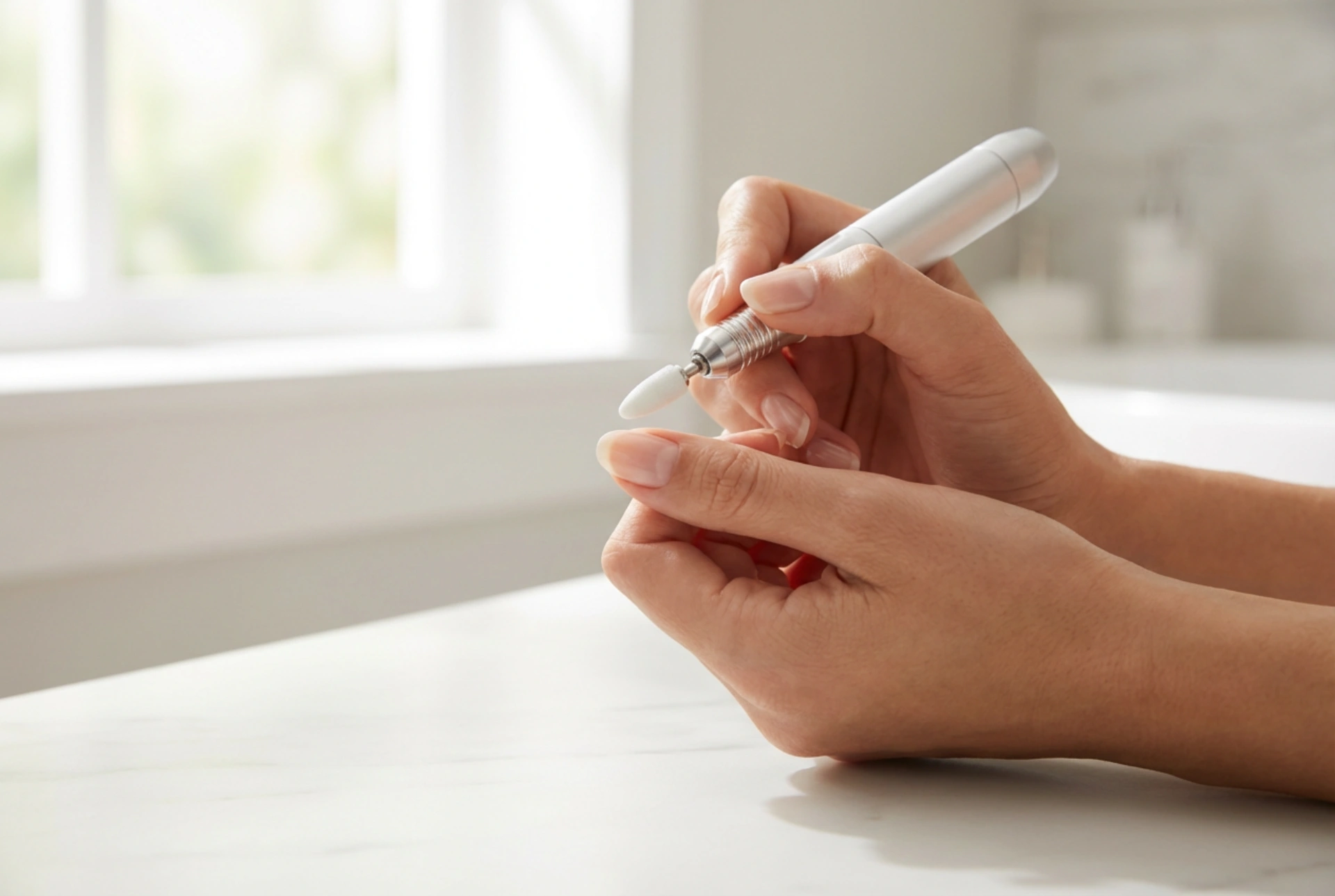
- Hold it Correctly: Hold the drill like a pencil for maximum control. Rest your hand on the table to keep it steady.
- Use Gentle, Continuous Motion: Never apply significant pressure or hold the bit in one spot for more than a second or two. This can create friction and heat, which can be painful and damaging. Use light, sweeping motions across the nail.
- Maintain the Right Angle: Keep the bit as parallel to the nail plate as possible. Angling the bit downwards can cause it to dig into the nail, creating rings of fire and thinning the plate.
- Be Cautious with Cuticles: The area around your eponychium (the living skin often mistaken for the cuticle) is extremely sensitive. Only work on the non-living tissue on the nail plate. Never use the drill on the skin or push it under the nail fold.
- Clean As You Go: Periodically dust off your nails to see your progress clearly and prevent debris from interfering with the filing process.
Common Mistakes to Avoid
To keep your nails healthy and strong, be mindful of these common pitfalls. Avoiding them will ensure your home manicure is a positive and beneficial experience.
- Using Excessive Speed or Pressure: This is the most common cause of damage. Let the tool do the work for you.
- Using the Wrong Bit: Never use a coarse bit designed for artificial enhancements on your natural nails.
- Over-Filing: Filing the nail plate too much will thin it out, leading to weakness, sensitivity, and breakage.
- Aggressive Cuticle Work: Damaging the living skin or the nail matrix (the growth centre under the cuticle) can lead to permanent nail deformities.
- Working in One Spot: Keeping the drill bit stationary creates heat and can burn or thin the nail in that one area. Always keep it moving.
- Ignoring Discomfort: If you feel any pain, heat, or discomfort, stop immediately. It's a sign that you're applying too much pressure, using too high a speed, or working on one spot for too long.