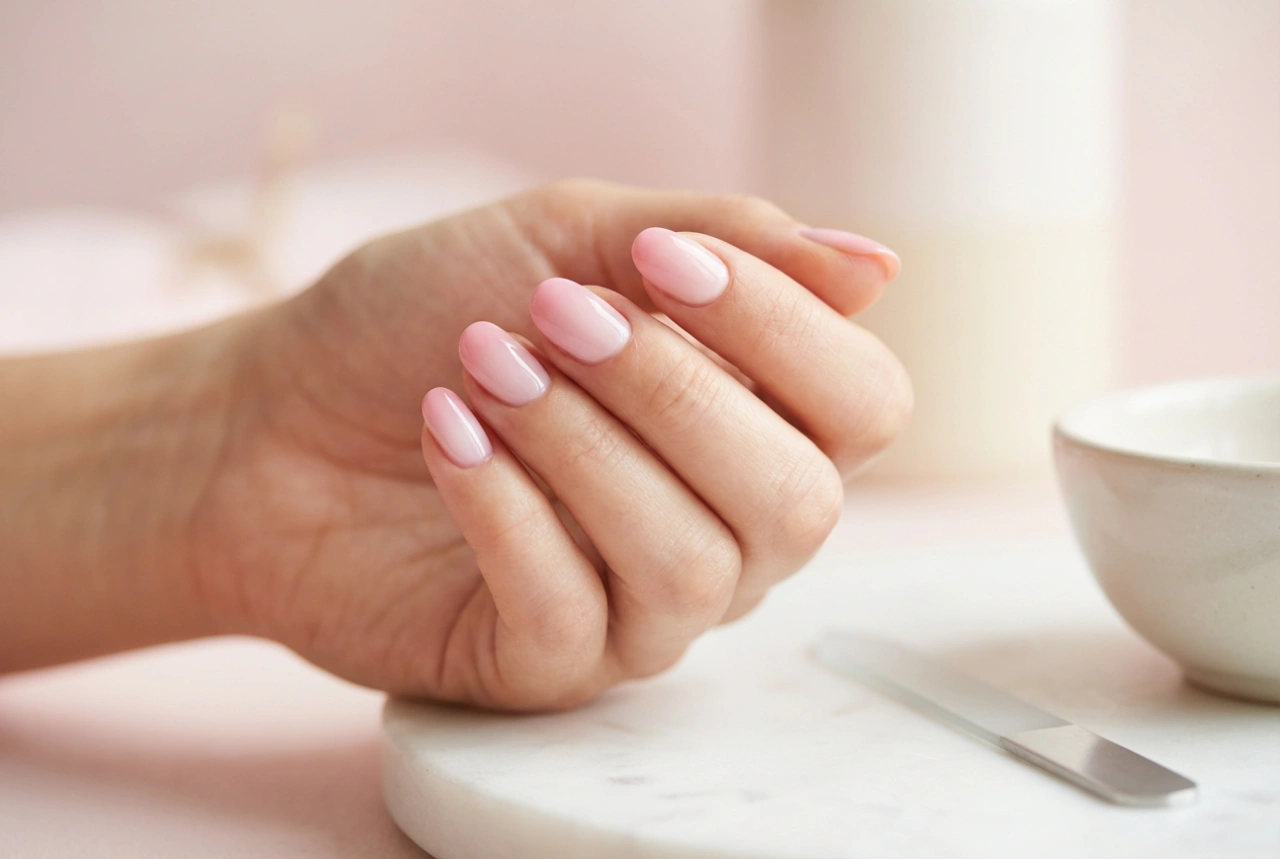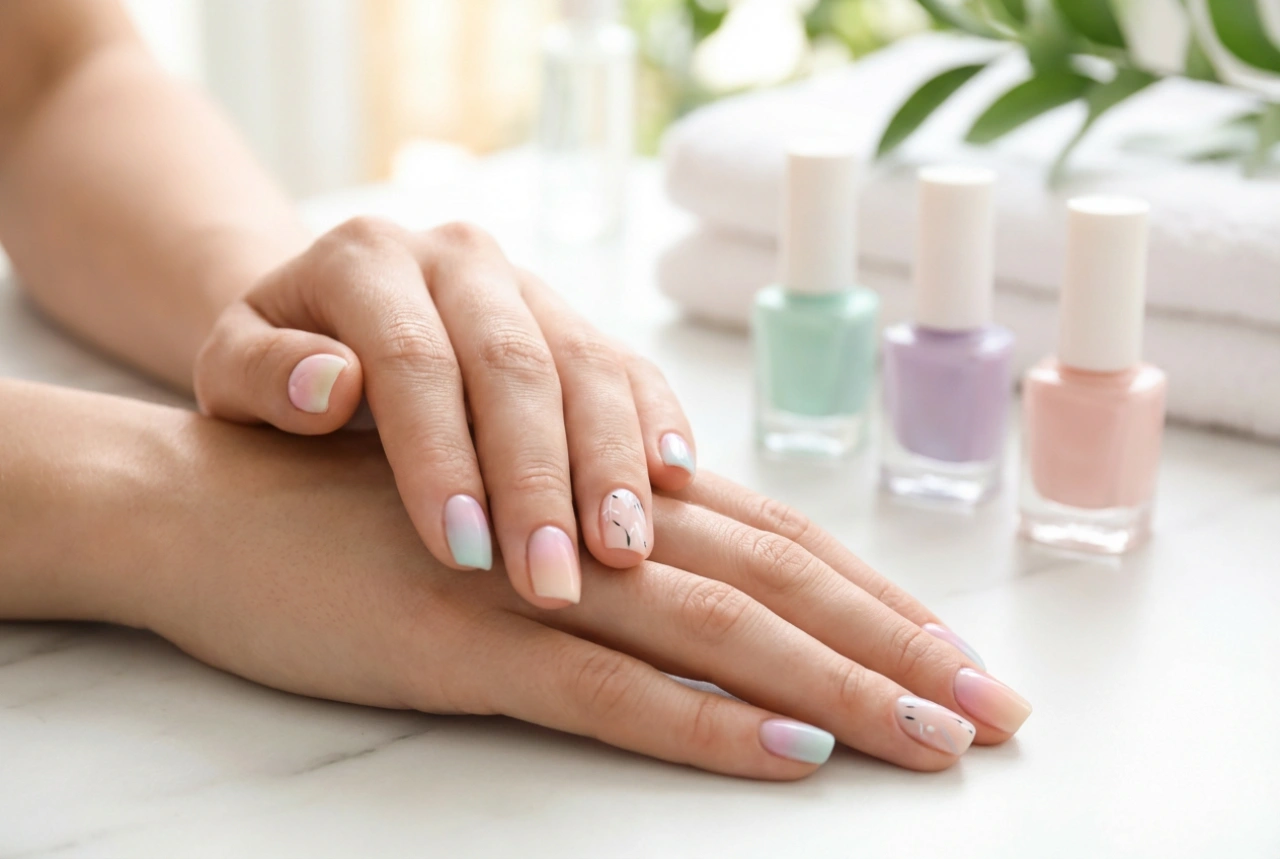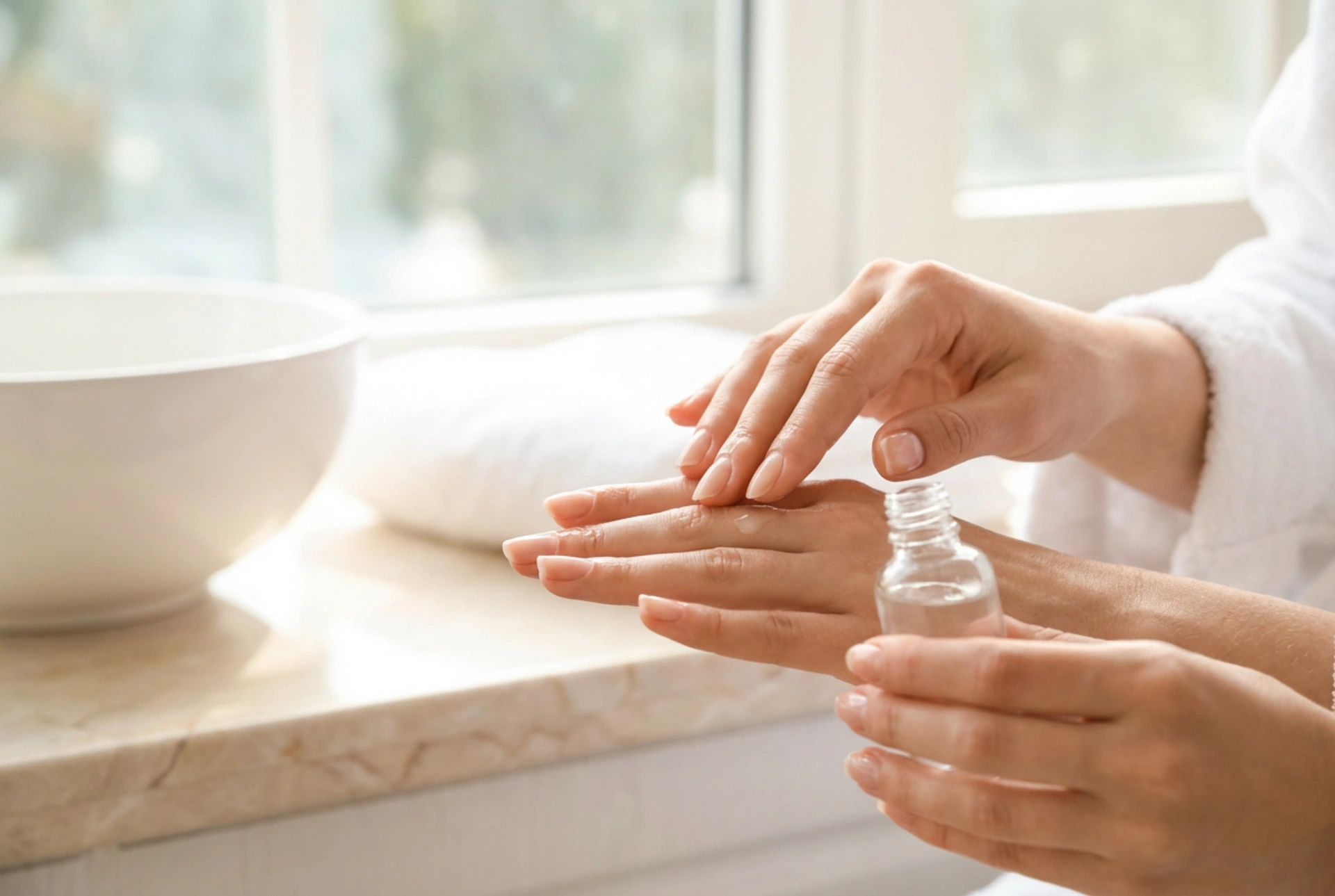


Removing a hybrid manicure can be both a relief and a cause for concern. While you enjoy the freedom of your natural nails, you might notice they appear weaker, thinner, or more brittle. This is a common experience, and it's a sign that your nails need some tender loving care to regain their strength and healthy appearance. The process of regeneration, much like the gentle application of a nourishing serum shown in the image, is a ritual of care that restores balance and beauty to your fingertips.
Why Do Nails Need Special Care After a Hybrid Manicure?
Hybrid manicures offer long-lasting colour and shine, but the process can be demanding on the nail plate. The preparation often involves buffing the nail surface, which can slightly thin it. The application involves multiple layers of product cured under a UV/LED lamp. However, it's often the removal process that poses the biggest challenge. Soaking nails in acetone and then scraping or filing off the residue can dehydrate the nail plate and surrounding skin, leading to weakness, peeling, and brittleness. Giving your nails a dedicated period of regeneration helps to counteract this stress and rebuild their natural resilience.
Immediate Steps After Hybrid Removal
Once the last remnants of the hybrid polish are gone, your nails are at their most vulnerable. It's important to treat them gently.
- Gently Shape: Use a fine-grit nail file (glass or crystal files are excellent) to smooth any rough edges. Avoid aggressive filing and try to shape them into a rounded or square-rounded form, which is less prone to snagging and breaking. If your nails are very weak, consider shortening them to minimise the risk of further damage.
- Buff Lightly: If the surface is uneven, you can very gently buff the nails with a soft, multi-sided buffer. The goal is to smooth, not to thin the nail further.
- Hydrate Immediately: Apply a rich cuticle oil to the entire nail, cuticles, and surrounding skin. Massage it in to boost circulation and help the oil penetrate deeply. This provides an immediate dose of moisture where it's needed most.
Key Components of a Regenerative Nail Routine
Consistency is the cornerstone of nail recovery. A regular care routine using products with beneficial ingredients will help rebuild the nail structure from the inside out. Look for formulations containing:
- Proteins and Amino Acids: Ingredients like keratin and silk proteins help to fill in gaps in the nail plate, providing a temporary shield and strengthening the nail's structure.
- Vitamins: Vitamin E is a powerful antioxidant that nourishes and protects, while Panthenol (pro-vitamin B5) is known for its moisturising properties, helping to improve flexibility and prevent breakage.
- Natural Oils: Jojoba, almond, or argan oils are fantastic for deep hydration. They mimic the natural lipids in your skin and nails, helping to restore moisture balance and add flexibility.
A Simple Home Regeneration Plan
Creating a restorative ritual for your nails doesn't have to be complicated. Follow these steps to guide your nails back to health.
1. Regular Conditioning
Apply a specialised nail conditioner or hardener every one to two days, depending on the product's instructions. These products create a protective layer and often contain a cocktail of strengthening ingredients. After a week, remove the layers with a gentle, non-acetone remover and start the process again.
2. Daily Oiling
Make cuticle oil your best friend. Apply it at least twice a day, massaging it into the cuticles and the nail plate. This simple habit keeps nails flexible, prevents them from drying out, and nourishes the matrix (the area where your nail grows from), promoting healthier growth in the long run.
3. Protect Your Hands
Your nails' biggest enemies are prolonged water exposure and harsh chemicals. Always wear protective gloves when washing dishes, cleaning the house, or gardening. This simple step prevents the very substances that weaken your nails from coming into contact with them.
4. A Balanced Diet
Beautiful nails start from within. Ensure your diet is rich in nutrients that support healthy keratin production, such as biotin, zinc, iron, and protein. Foods like eggs, nuts, seeds, leafy greens, and fish can contribute to stronger, more resilient nails over time. Remember that nail growth is a slow process, so be patient as you wait to see the results of your dietary improvements.