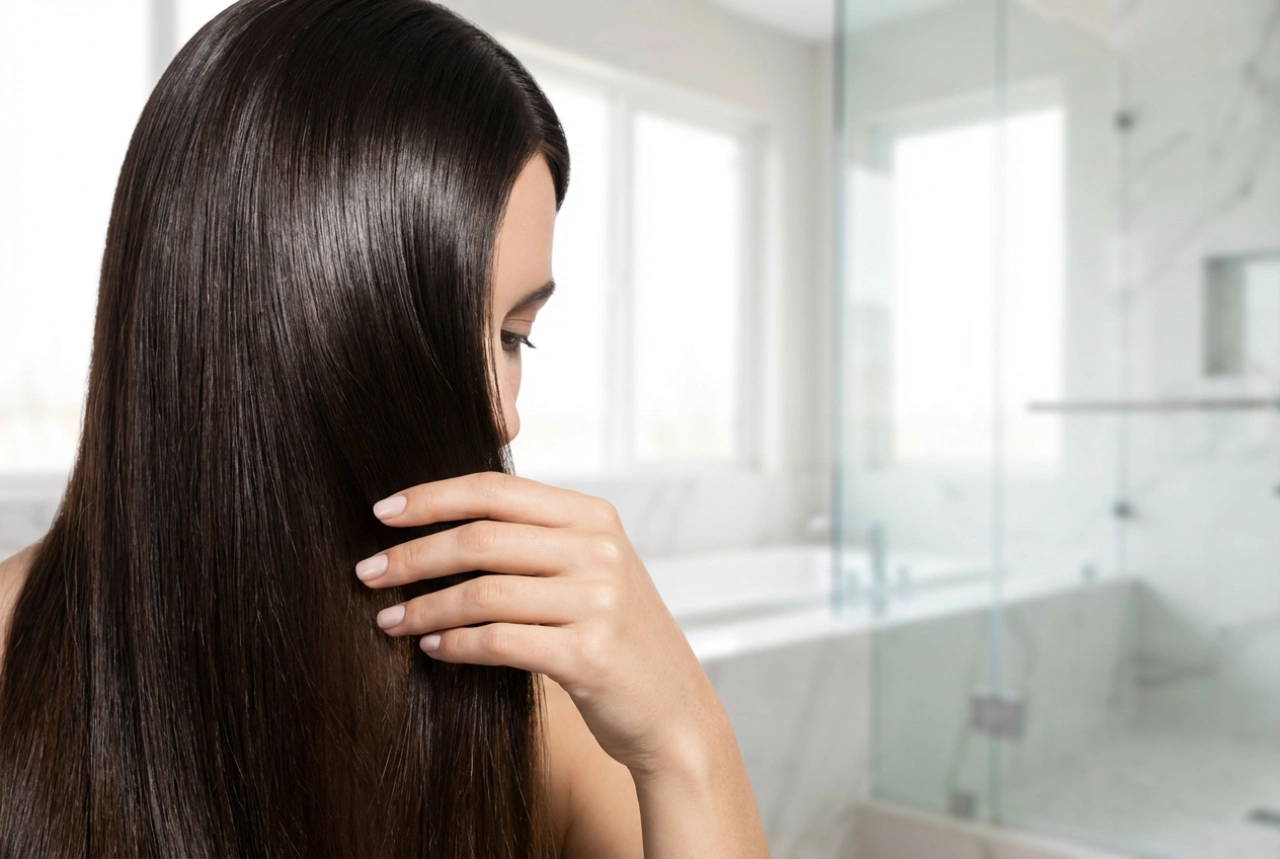


Achieving soft, manageable, and beautifully hydrated hair, free from frizz, often begins with the very first step of your care routine: washing. For those with hair that feels dry, brittle, or looks dull, selecting the right shampoo is crucial. A gentle yet effective hydrating cleanse can lay the foundation for healthy, resilient, and smooth strands, transforming your hair's texture and appearance. Understanding what your dry hair needs and how to provide it will unlock its potential for natural lustre and softness.
Understanding the Needs of Dry Hair
Dry hair is essentially hair that lacks sufficient moisture and natural oils (sebum) to maintain its normal sheen and texture. This can be an inherent characteristic or a result of various external factors. Visually, it often appears dull and lacks shine. To the touch, it can feel rough, brittle, and straw-like. This lack of hydration also weakens the hair's structure, making it more prone to split ends, breakage, and the dreaded frizz, which occurs when the outer layer of the hair, the cuticle, lifts and allows moisture from the air to enter and swell the strand.
Common Causes of Dryness
While some people naturally have drier hair types, many factors can contribute to or exacerbate the condition. Recognising them is the first step towards effective care.
- Environmental Stressors: Exposure to sun, wind, and dry air can strip moisture from the hair.
- Heat Styling: Frequent use of blow dryers, curling tongs, and straighteners, especially on high heat settings, can dehydrate the hair shaft.
- Harsh Hair Products: Shampoos with strong detergents (like certain sulphates) and styling products containing high amounts of drying alcohols can strip the hair of its natural protective oils.
- Washing Habits: Over-washing or using water that is too hot can also contribute to dryness by removing sebum from the scalp and hair.
Choosing the Right Hydrating Shampoo
The goal of a shampoo for dry hair is twofold: to cleanse the scalp and hair effectively without stripping away essential moisture, and to impart hydration that leaves the hair feeling soft and supple. This means paying close attention to the ingredient list.
Key Ingredients to Look For
- Humectants: These ingredients attract water from the environment into the hair shaft. Look for names like glycerine or hyaluronic acid. They act like magnets for moisture, helping to hydrate the hair from within.
- Emollients and Oils: These ingredients work by forming a protective barrier on the hair's surface, sealing in moisture and smoothing the cuticle. This helps to reduce frizz and increase shine. Examples include natural butters (like shea or cocoa) and plant-based oils (such as argan, coconut, avocado, or jojoba oil).
- Mild Surfactants: Surfactants are the cleansing agents in shampoo. For dry hair, it's best to opt for formulas with milder, often plant-derived, surfactants that clean gently without being overly stripping.
- Proteins and Amino Acids: Ingredients like keratin or silk proteins can help to fill in gaps in the damaged hair cuticle, temporarily strengthening the strand and improving its elasticity.
The Art of Washing for Maximum Hydration
How you wash your hair is just as important as what you use. Adopting a gentle technique can make a significant difference in the moisture levels and overall health of your hair.
A Gentle Washing Routine
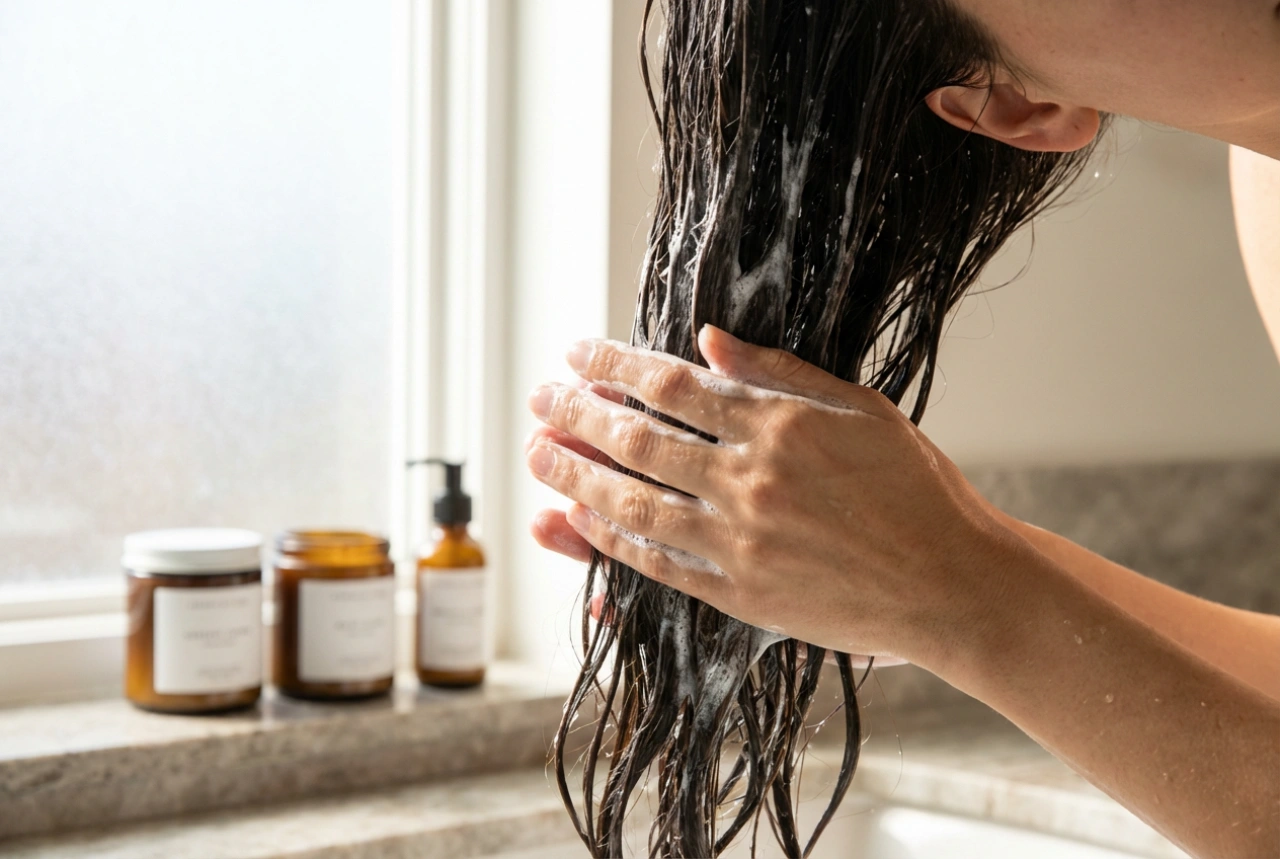
Start by thoroughly saturating your hair with lukewarm water—hot water can strip oils and open the cuticle too much, making it more vulnerable to damage. Apply a small amount of shampoo and focus on massaging it into your scalp with your fingertips. The primary goal is to cleanse the scalp of oil and product build-up. There's no need to vigorously scrub the lengths of your hair; as you rinse, the suds will run down and gently cleanse them. When rinsing, ensure all the product is gone, as residue can weigh hair down and make it look dull. Always follow with a hydrating conditioner, concentrating it on the mid-lengths and ends where hair is typically the driest.
Beyond Shampoo: A Holistic Approach to Care
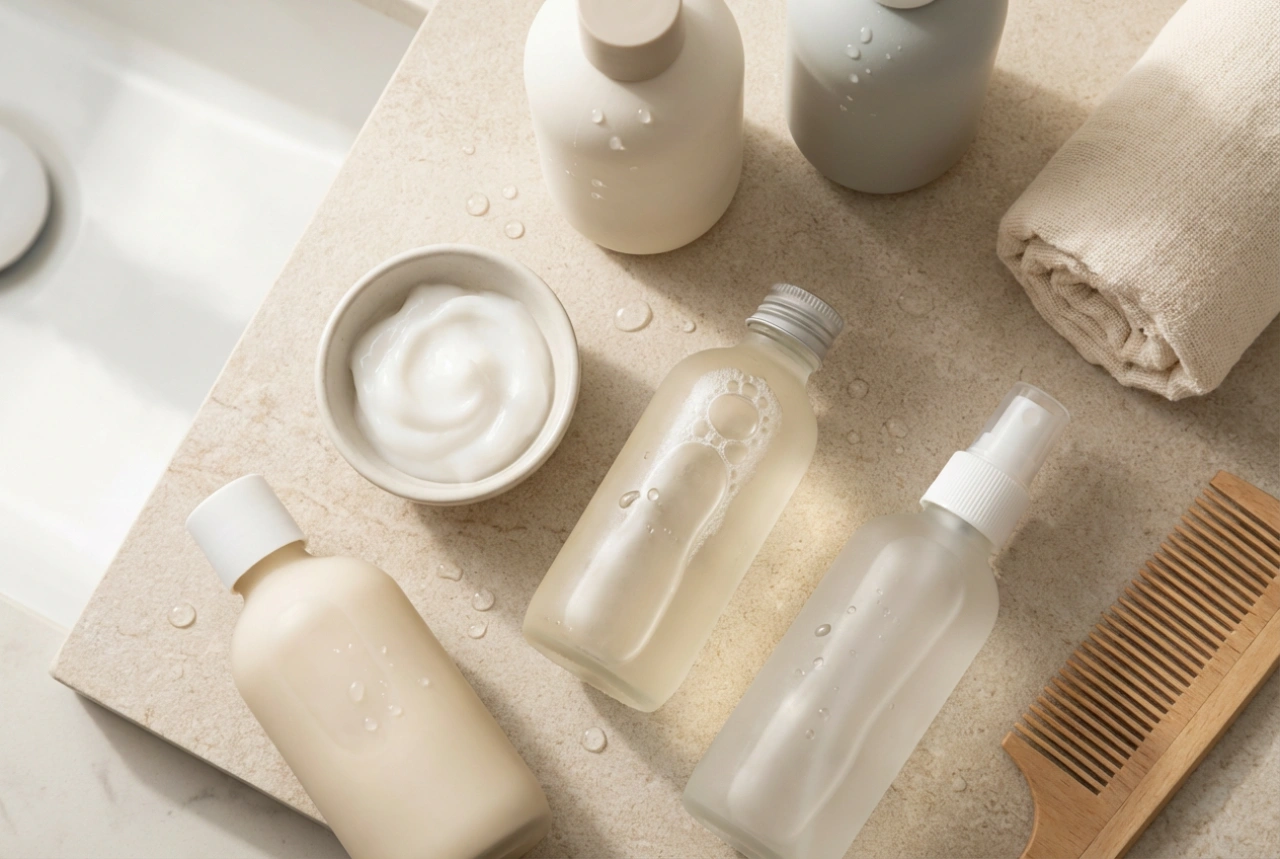
While a good shampoo is fundamental, managing dry hair effectively requires a comprehensive approach. Limiting hair washing to two or three times a week can help preserve natural oils. Incorporate a weekly deep conditioning mask or treatment to provide an intense boost of moisture. After washing, gently squeeze out excess water with a soft microfibre towel instead of rubbing vigorously, which can cause friction and frizz. Finally, whenever possible, let your hair air-dry or use the lowest heat setting on your blow dryer, and always apply a heat protectant spray beforehand to minimise damage and seal in hydration.