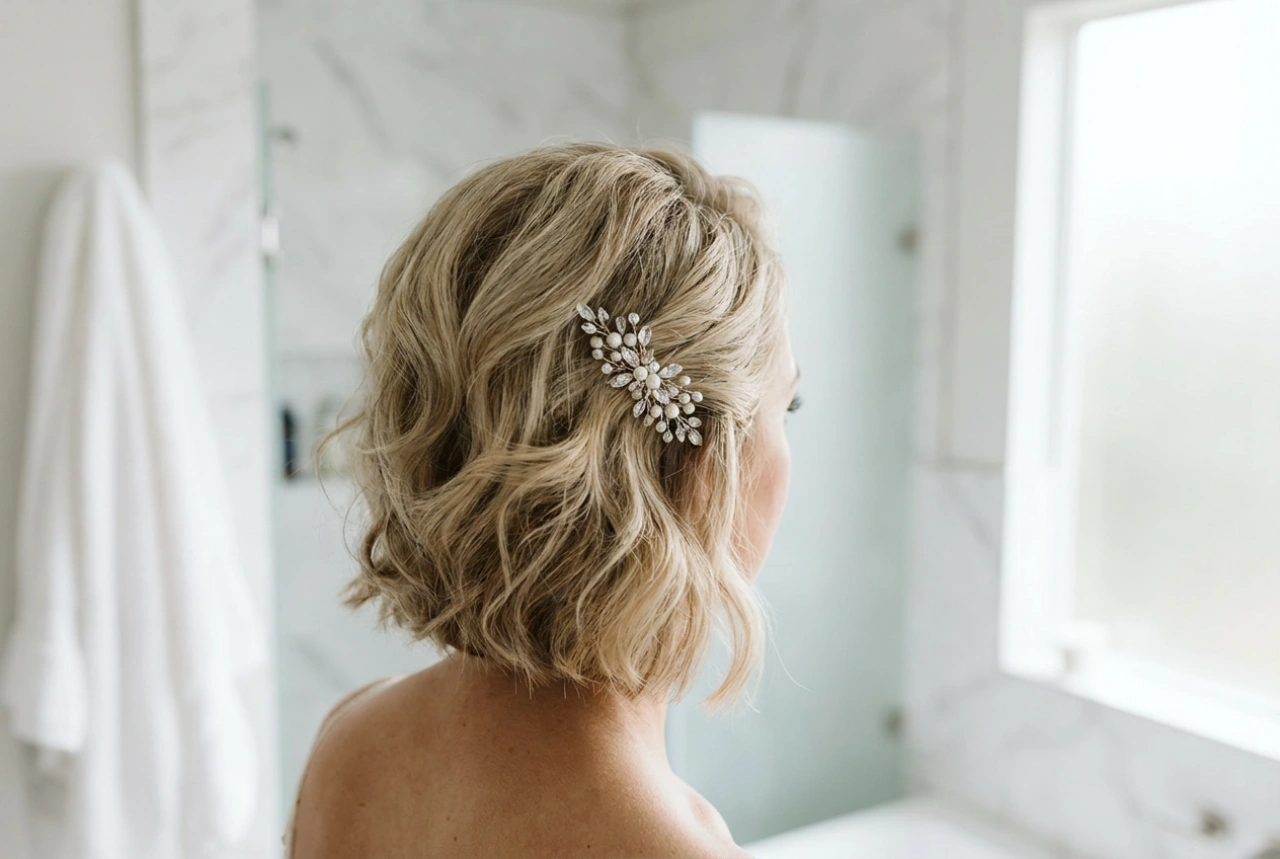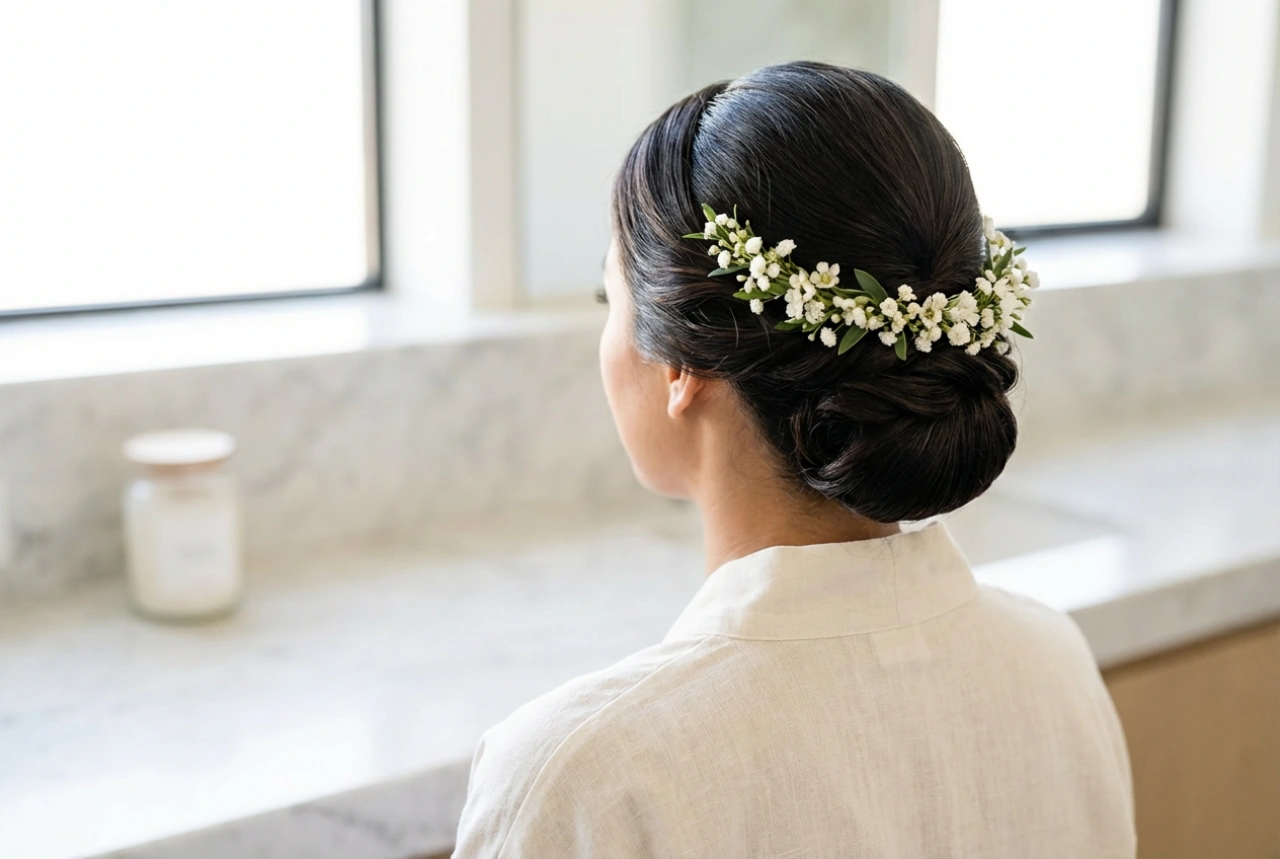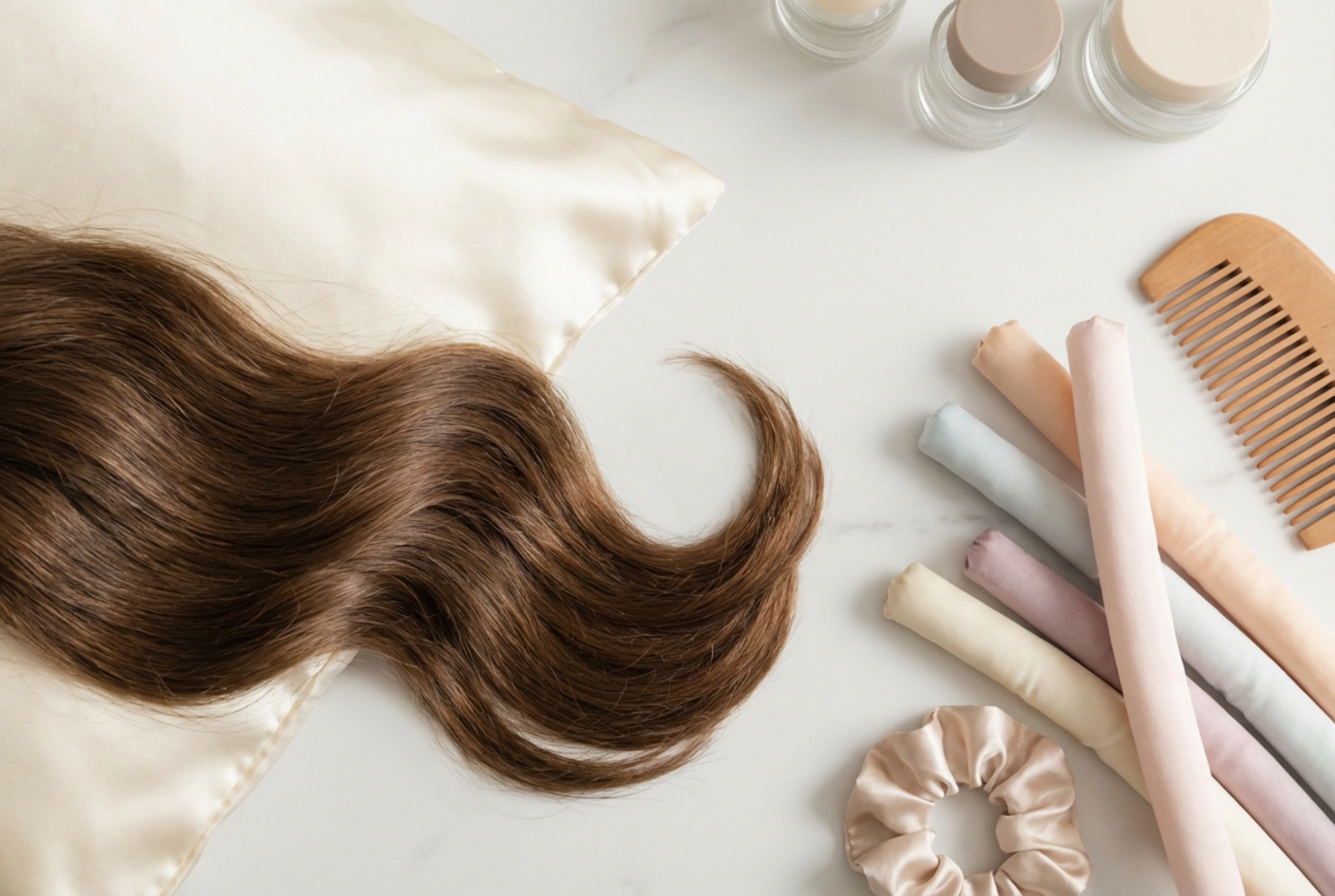


Effortless, light waves add volume and texture to any hairstyle, creating a look that is both relaxed and chic. Many believe that achieving this style requires heat tools, which can often lead to hair damage over time. Fortunately, there are several effective and safe methods for creating beautiful waves without any heat at all. These techniques protect the integrity of your hair, ensuring it remains healthy, shiny, and strong. Let’s explore how you can get those coveted gentle waves using simple, strand-safe approaches.
Preparing Your Hair for Styling
The foundation for any great hairstyle is well-prepared hair. For waves that hold their shape and look their best, it's important to start with a clean slate. Follow these initial steps for optimal results.
- Washing and Conditioning: Begin by washing your hair with a gentle shampoo and a hydrating conditioner. This ensures your hair is clean and moisturised, which helps in forming smoother, less frizzy waves. Pay extra attention to rinsing the conditioner out thoroughly to avoid weighing your hair down.
- Towel-Drying: After washing, gently squeeze out excess water with your hands. Then, use a soft microfibre towel or an old cotton t-shirt to pat your hair dry. Avoid rubbing vigorously, as this can cause friction, leading to frizz and breakage. Your hair should be damp, not dripping wet, for the styling methods to work effectively.
- Applying a Styling Product (Optional): To give your waves extra hold and definition, you can apply a small amount of a light styling mousse or a texturising spray. Distribute the product evenly from the mid-lengths to the ends, avoiding the roots to maintain natural volume.
Heat-Free Waving Techniques
Once your hair is prepped, you can choose from several simple techniques to create waves overnight or in a few hours. These methods use tension and air-drying to shape the hair gently.
The Classic Braid Method
Braiding is one of the easiest and most popular ways to achieve natural-looking waves. The tightness and number of braids will determine the final look.
For loose, beachy waves, divide your damp hair into two low sections and create a simple three-strand braid on each side. For tighter, more defined waves, create multiple smaller braids all over your head. Secure the ends with soft hair ties that won't leave a crease. Allow your hair to air-dry completely, preferably overnight, before undoing the braids.
The Fabric Strip or Soft Roller Method
This method is excellent for creating soft, bouncy waves. You can use purpose-made soft foam rollers or simply cut an old, clean t-shirt into long strips about one to two inches wide.
Take a small section of damp hair, place a fabric strip or roller at the end, and roll the hair up towards the root. Secure it by tying the ends of the fabric strip or fastening the roller. Repeat this process all over your head. The size of the hair sections will influence the size of the waves. Let your hair dry fully before carefully unwinding each section.
The Bun Technique
Creating buns is a quick way to get soft, loose waves, especially at the ends of your hair. This method is perfect for achieving a very natural, 'undone' look.
Gather your damp hair as if you're making a ponytail. For a single, loose wave pattern, twist the entire ponytail and wrap it into a bun, securing it with a soft scrunchie or hair pins. For more variation, you can create two or more smaller buns (space buns). The higher you place the bun, the higher up the waves will start. Let it dry for several hours or overnight.
Finishing Touches for Long-Lasting Waves
How you finish the style is just as important as how you create it. The right finishing touches will ensure your waves look their best and last throughout the day.
Once your hair is completely dry, gently undo the braids, rollers, or buns. Use your fingers to carefully separate the waves. Avoid using a brush, as this can comb out the waves and create frizz. To enhance the texture and add some hold, you can spritz a light-hold hairspray or a sea salt spray from a distance. For extra shine, apply a drop of a lightweight hair serum to the ends.
Tips for Maintaining Healthy Hair
Consistently using heat-free styling methods is a great step towards healthier hair. To further support your hair's condition, consider incorporating these habits into your routine:
- Sleep on a Satin Pillowcase: The smooth surface of satin reduces friction, which helps to prevent tangles, breakage, and frizz while you sleep.
- Deep Condition Regularly: Use a nourishing hair mask once a week to replenish moisture and keep your strands strong and elastic.
- Minimise Heat: Reserve heat styling for special occasions to protect your hair from long-term damage. When you do use heat, always apply a heat protectant spray first.