

Even with a consistent cleansing routine, hair can sometimes feel lacklustre, heavy, or stubbornly uncooperative. This feeling of impurity, even after a fresh wash, can often be traced back to invisible culprits: mineral deposits from hard water and stubborn product residue. When your hair needs a true reset to restore its natural freshness and vitality, a process known as chelation can be the answer. It goes beyond a standard wash to deeply purify the hair fibre, revealing its true softness and shine.
What Exactly is Hair Chelation?
Hair chelation is an intensive cleansing process designed to remove the accumulation of minerals, metals, and stubborn residues from the hair shaft. These substances bond to the hair, creating a film that prevents moisture and nourishing ingredients from penetrating the cuticle. The primary source of these minerals is hard water, which is rich in calcium and magnesium. Other sources include swimming pools (chlorine and copper) and even some styling products. A chelating shampoo contains specific ingredients, known as chelating agents, that act like magnets. They attract and bind to these mineral ions, allowing them to be rinsed away completely. This is different from a clarifying shampoo, which primarily targets oil and product buildup. Chelation specifically addresses the stubborn mineral deposits that make hair feel rough, dull, and brittle.
Signs Your Hair Might Need Chelation
How do you know if mineral buildup is the source of your hair woes? Your hair will often give you distinct signals. Paying attention to these signs can help you decide when it's time to incorporate a chelating treatment into your routine. Consider chelation if you notice several of the following:
- Persistent Dullness: Your hair lacks shine and looks flat, regardless of the conditioners or shine-enhancing products you use.
- Rough and Dry Texture: Despite using moisturising masks and treatments, your hair feels coarse, straw-like, and constantly dry.
- Easy Tangling: The hair becomes difficult to manage and knots up easily, both when wet and dry.
- Colour Discolouration: Hair colour, especially blonde or lightened shades, may take on a brassy, orange, or even greenish tint. This is often due to copper deposits.
- Reduced Product Efficacy: Your favourite conditioners, masks, and styling products no longer seem to work as effectively as they used to.
- Hair Feels Weighed Down: Hair feels heavy, lacks volume and bounce, and gets greasy more quickly than usual.
How to Perform Hair Chelation at Home: A Step-by-Step Guide
Performing a chelating treatment at home is straightforward. It's a simple addition to your wash day routine that, when done correctly, can yield significant results. Follow these steps for an effective treatment that revitalises your hair without stripping it excessively.
Step 1: Choose a Suitable Shampoo
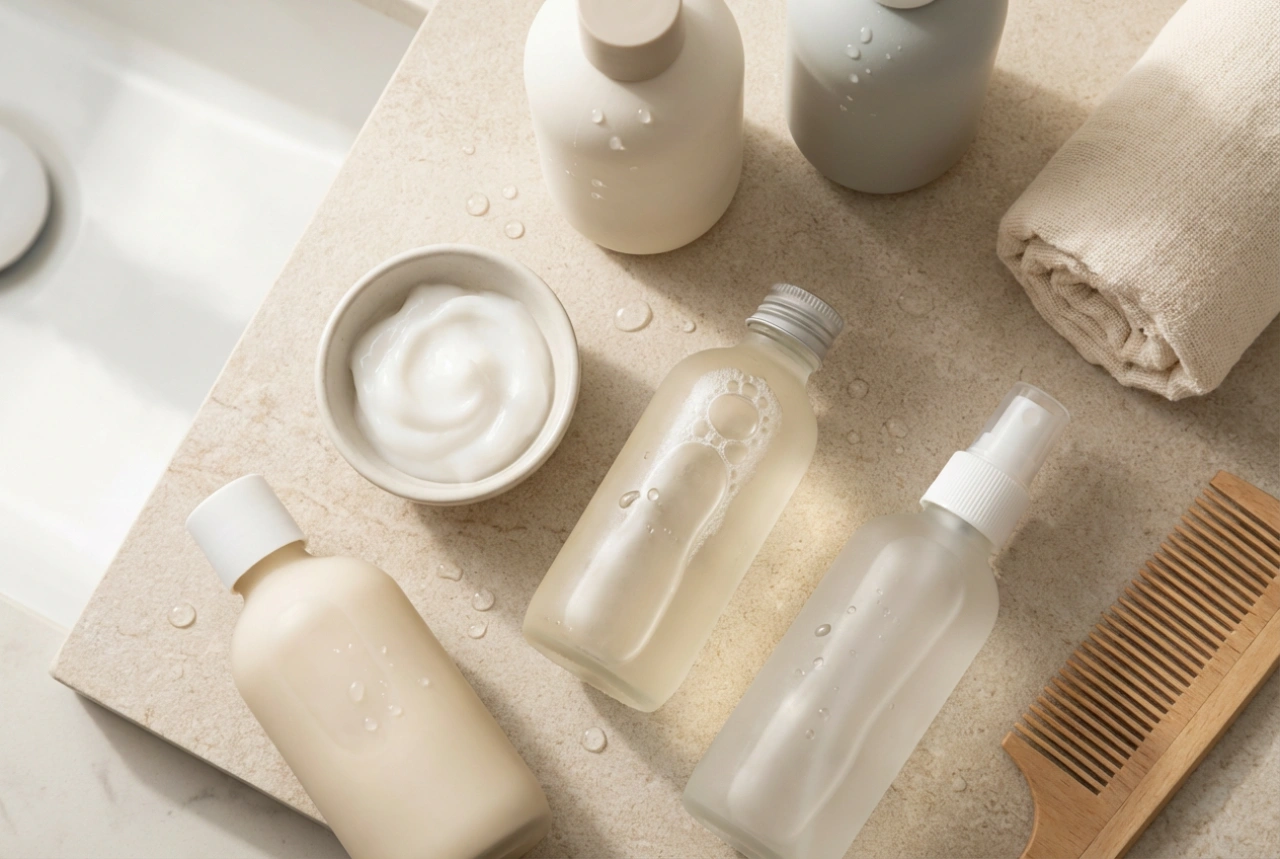
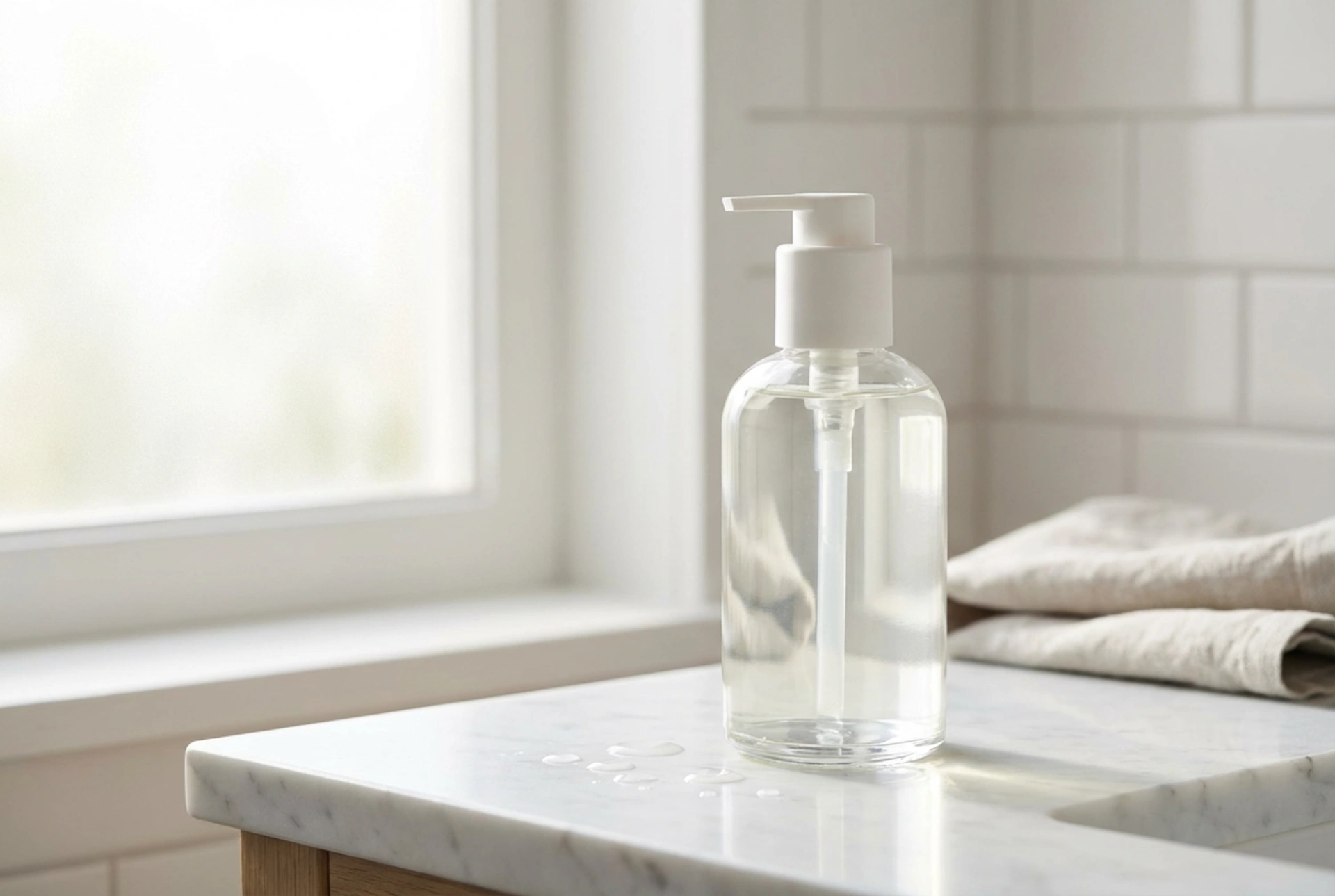
Look for a shampoo specifically labelled as 'chelating' or 'hard water shampoo'. Check the ingredient list for common chelating agents. These ingredients are key to the formula's ability to bind with and remove mineral ions from the hair.
Step 2: The Cleansing Process
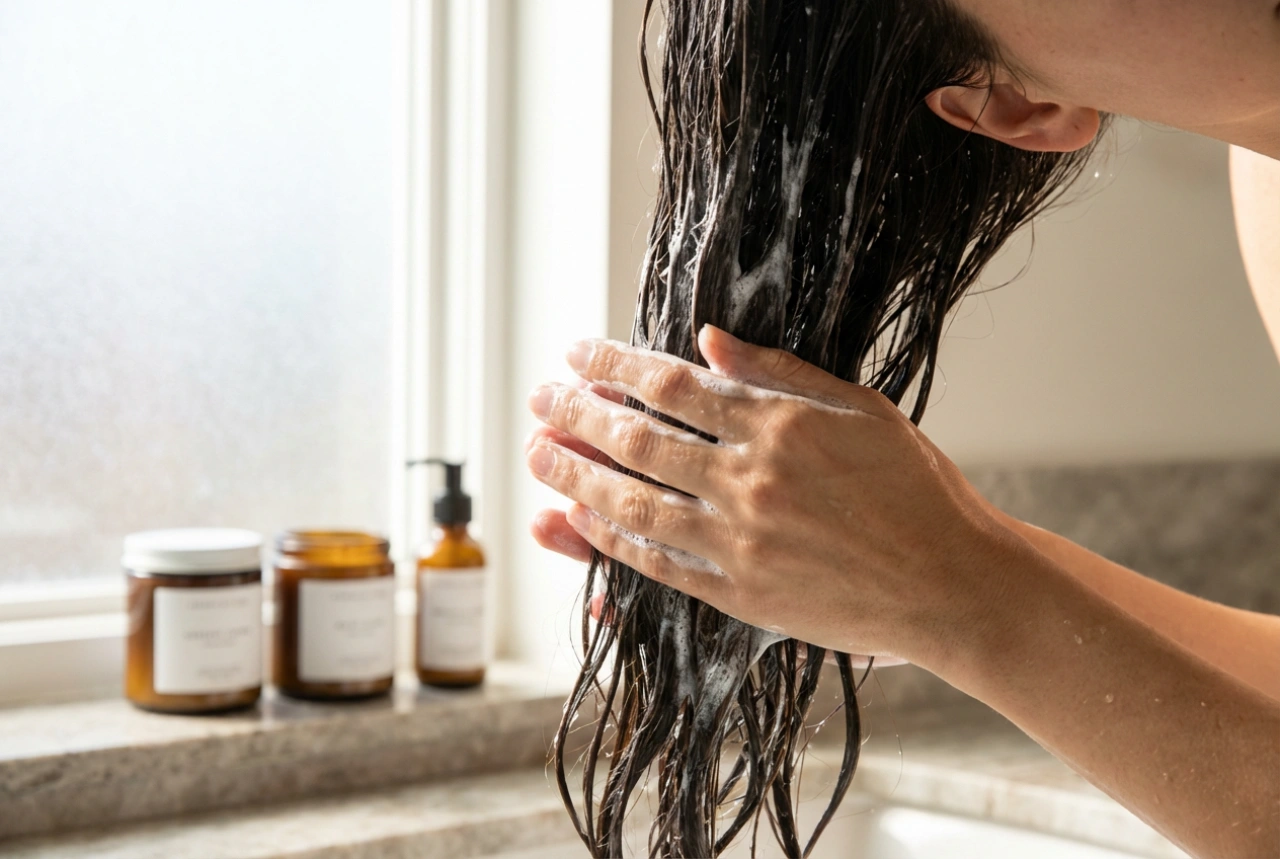
Begin by thoroughly wetting your hair with warm water. This helps to open up the hair cuticle slightly, allowing the shampoo to work more effectively. Apply a generous amount of the chelating shampoo and work it into a rich lather, focusing primarily on the lengths and ends where buildup is most prominent. Gently massage it through, but avoid vigorous scrubbing that can cause tangles. Let the shampoo sit on your hair for 3-5 minutes. This dwell time is crucial as it gives the chelating agents enough time to attach to the mineral deposits.
Step 3: Rinse Completely
Rinse your hair thoroughly with lukewarm water. Continue rinsing for a minute or two longer than you normally would to ensure that all the shampoo and the dissolved mineral buildup are washed away completely. Your hair may feel 'squeaky' clean at this stage, which is a sign that the residues have been successfully removed.
Step 4: Follow with Deep Conditioning
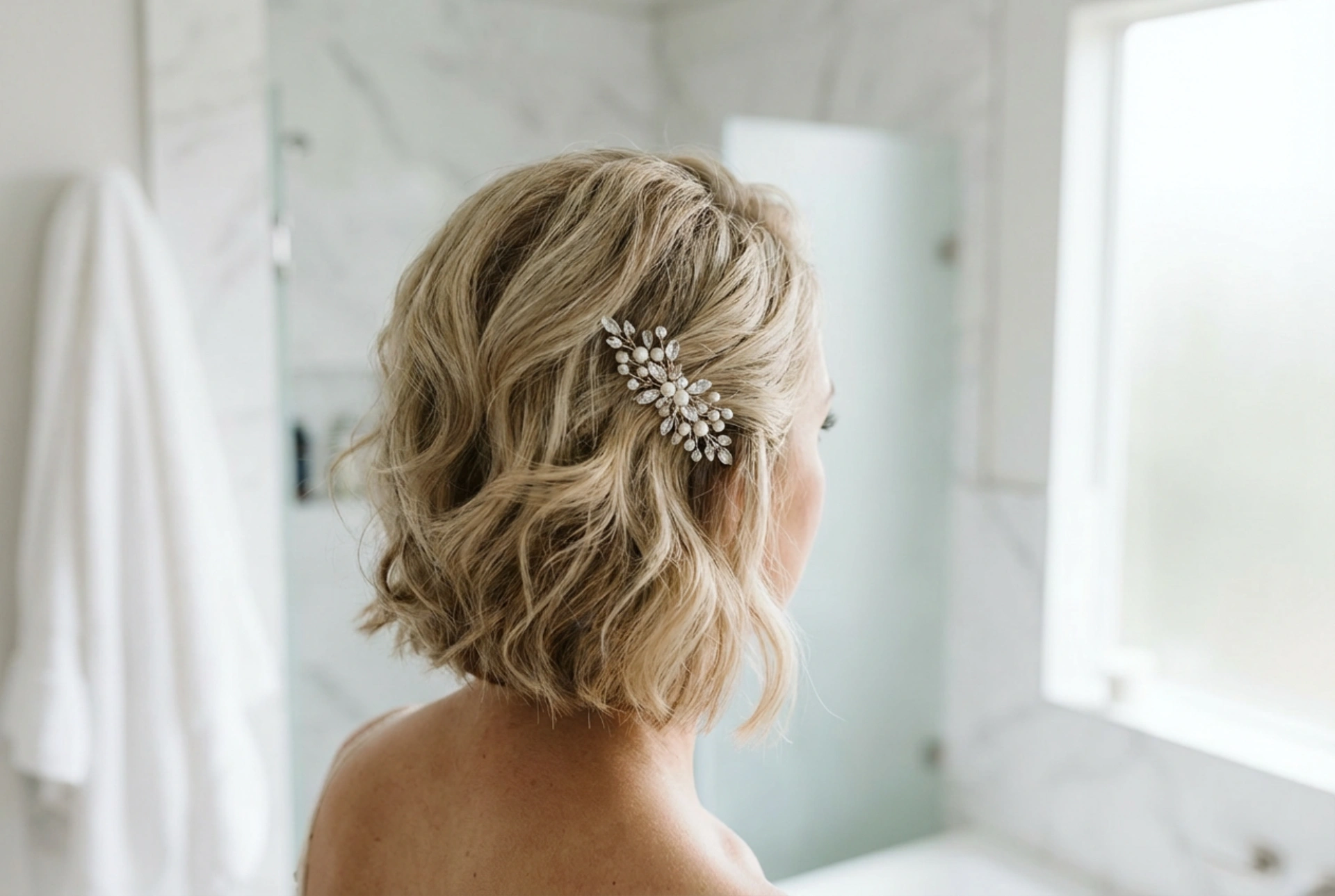
This is the most important step after chelation. Because the process is so deeply cleansing, it can leave the hair feeling slightly dry. You must immediately follow up with a rich, deeply hydrating conditioner or hair mask. Apply it generously from the mid-lengths to the ends and leave it on for at least 5-10 minutes. This will replenish moisture, smooth the hair cuticle, and restore elasticity, leaving your hair soft and manageable.
How Often Should You Chelate Your Hair?
Chelation is an intensive treatment and should not be part of your daily or even weekly routine. The frequency depends on your water hardness and lifestyle. For most people living in hard water areas, using a chelating shampoo once every 4-6 weeks is sufficient to keep buildup at bay. If you are a frequent swimmer in chlorinated pools, you might benefit from chelating every 2-3 weeks to prevent 'swimmer's hair' and discolouration. Pay attention to how your hair feels. When signs of dullness and roughness reappear, it's time for another treatment. Overuse can strip the hair of its natural oils, leading to dryness and potential damage, so it's essential to find a balance that works for you.