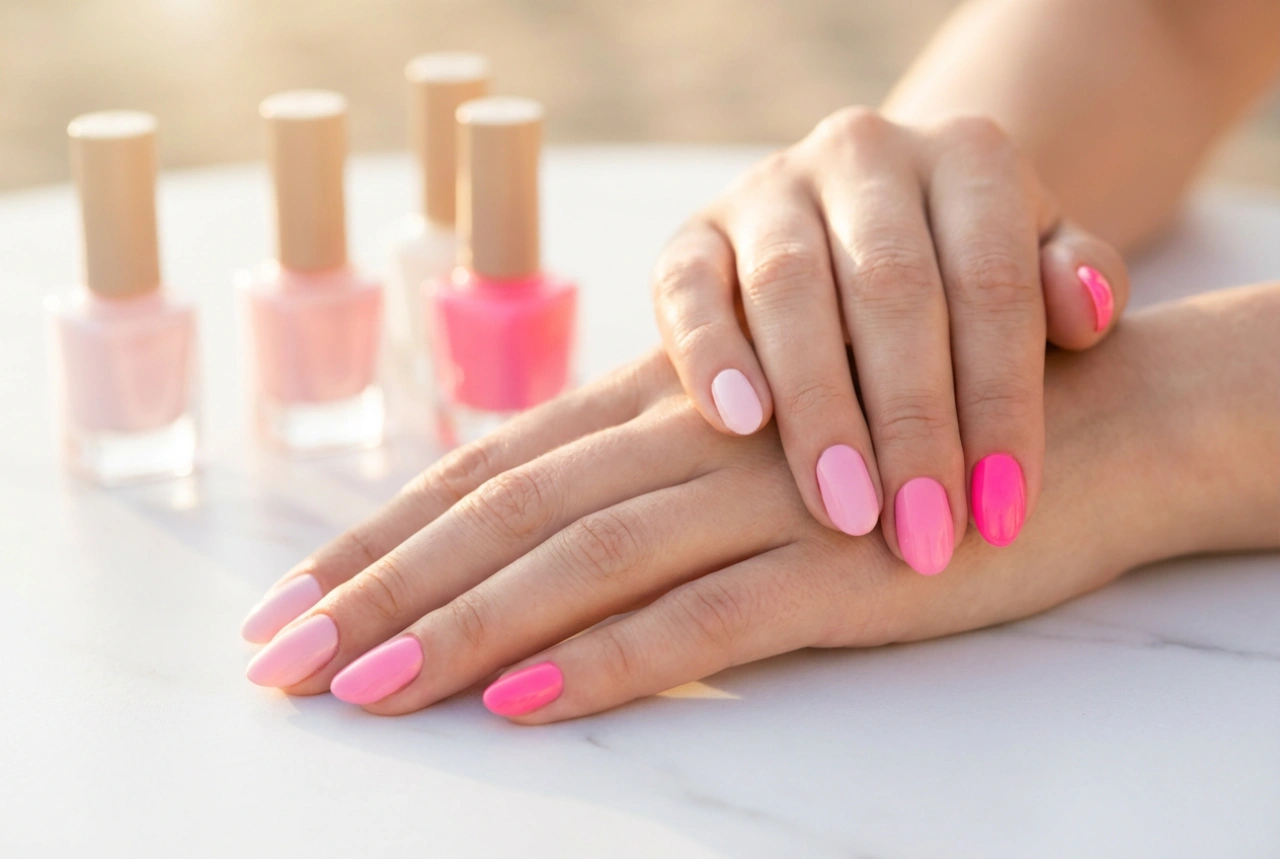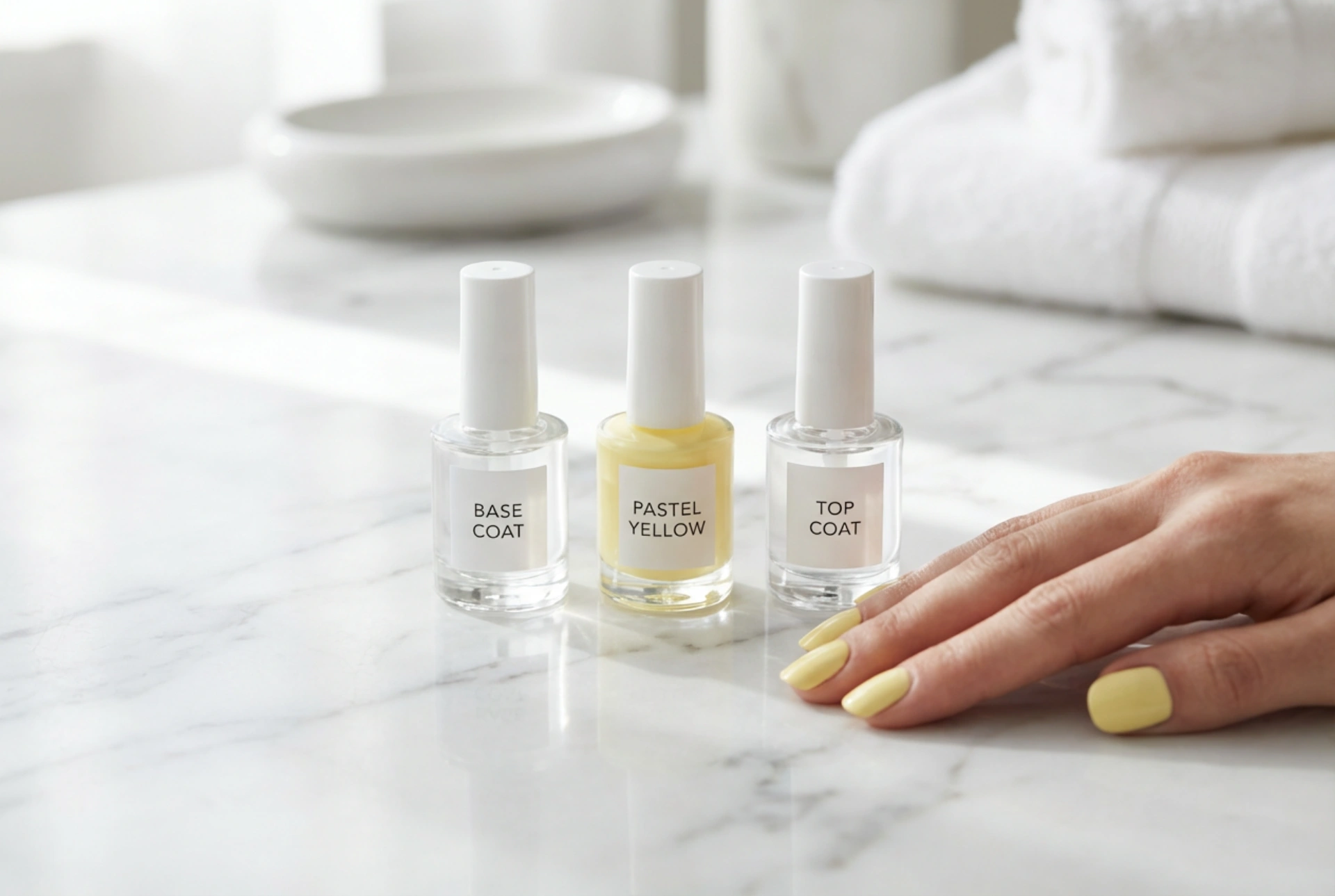


Pastel yellow nails bring a touch of sunshine and sophistication to any look, evoking a clean and modern aesthetic. However, achieving that flawless, streak-free finish with light, creamy colours can often be a challenge. The key to a perfect pastel manicure lies not just in the colour itself, but in a meticulous application process, from a well-prepared base to a glossy, protective top coat. With the right technique, you can master the art of applying pastel polish and enjoy a beautiful, even result every time.
The Foundation: Why a Good Base Coat is Crucial
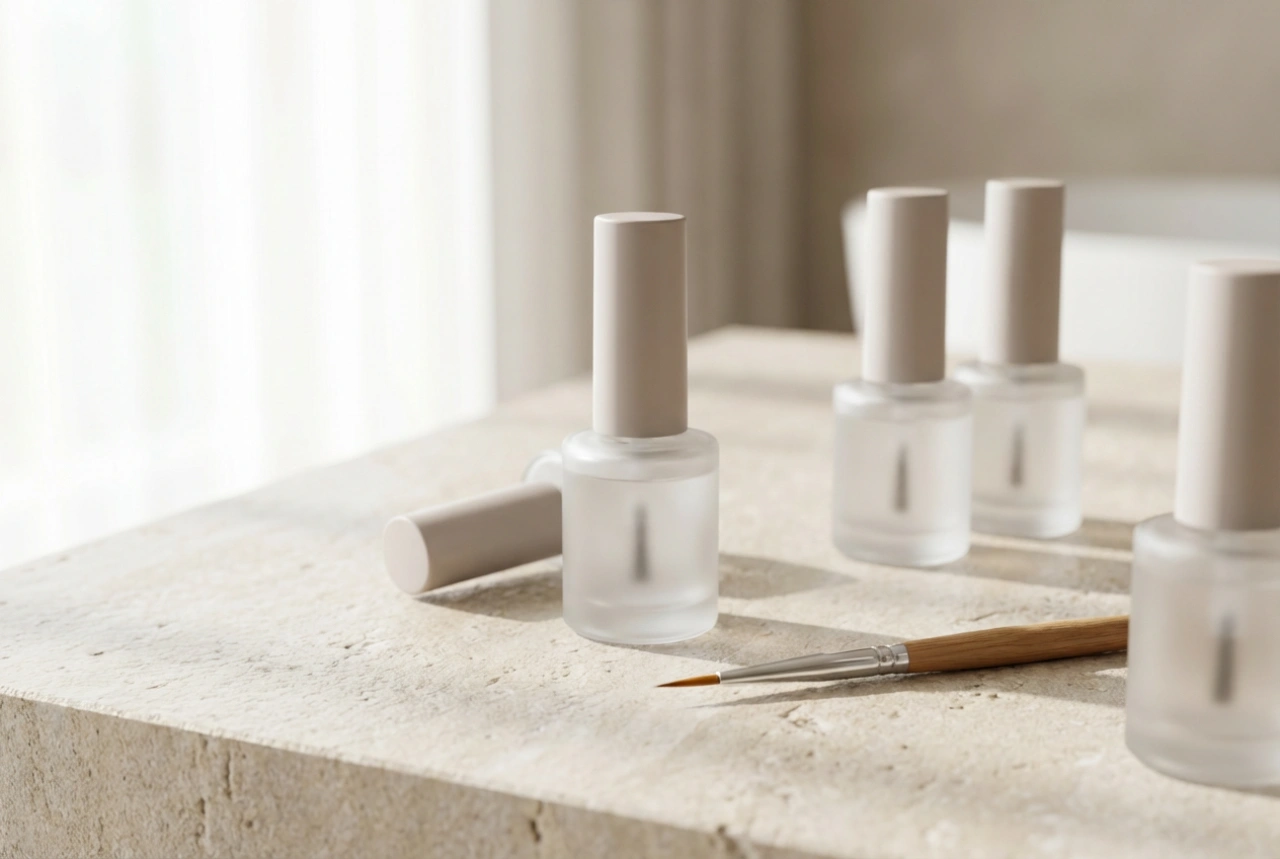
Before you even think about applying your beautiful pastel yellow, preparing the nail surface is the most important step. A quality base coat is non-negotiable for a professional-looking manicure. It acts as a double-sided adhesive, helping the polish stick to your nail while also creating a smooth canvas. This is particularly important for pastel shades, as they can highlight any imperfections, ridges, or unevenness in the nail plate. A good base coat fills in these minor imperfections, ensuring the colour glides on more evenly. Furthermore, it creates a protective barrier that prevents vibrant pigments, even light ones, from staining your natural nails, making removal cleaner and keeping your nails healthy.
The Art of Layering: Applying Pastel Yellow Polish
The secret to avoiding streaks with pastel polishes is patience and the application of multiple thin layers. Rushing the process or applying thick coats will lead to a clumpy, uneven finish that takes a long time to dry and is prone to smudging.
First Coat: Thin and Patient
Your first coat of pastel yellow should be surprisingly thin. Don't worry if it looks patchy or transparent – this is completely normal. The goal of this initial layer is not to achieve full coverage, but to create an even, coloured foundation for the subsequent coats. Focus on applying it smoothly from the cuticle to the tip. Most importantly, allow this layer to dry completely. Applying the next coat while the first is still tacky will cause the brush to drag the polish, creating the very streaks you're trying to avoid. Give it at least two to three minutes of drying time.
Second and Third Coats: Building Opacity
Once the first coat is dry to the touch, you can apply the second. This layer can be slightly more generous than the first, but should still not be overly thick. Use a steady hand and apply the polish using the three-stroke method: one stroke down the centre of the nail, followed by one on each side. This technique helps to distribute the polish evenly. For most pastel yellow formulas, two coats may still show some patchiness. A third thin coat is often the magic number for achieving full, opaque, and perfectly even coverage. Again, patience is key – ensure the second coat is fully dry before proceeding with the third.
Sealing the Deal: The Perfect Top Coat
A top coat is the final, essential step to seal in your hard work. It serves multiple purposes that are vital for a lasting and beautiful manicure. A good top coat will protect your colour from chipping and fading, extending the life of your manicure for several days. It also adds a high-gloss shine that makes the colour pop and gives your nails that professional, salon-quality finish. Crucially for pastels, a generous layer of a quality top coat can also help to smooth over any minor imperfections or subtle streaks that may still be visible, creating a flawless, glass-like surface. Apply it carefully, making sure to 'cap' the free edge of the nail by running the brush along the tip. This seals the layers of polish and provides extra protection against chipping.
Extra Tips for a Flawless Finish
To further enhance your pastel yellow manicure, keep these simple tricks in mind:
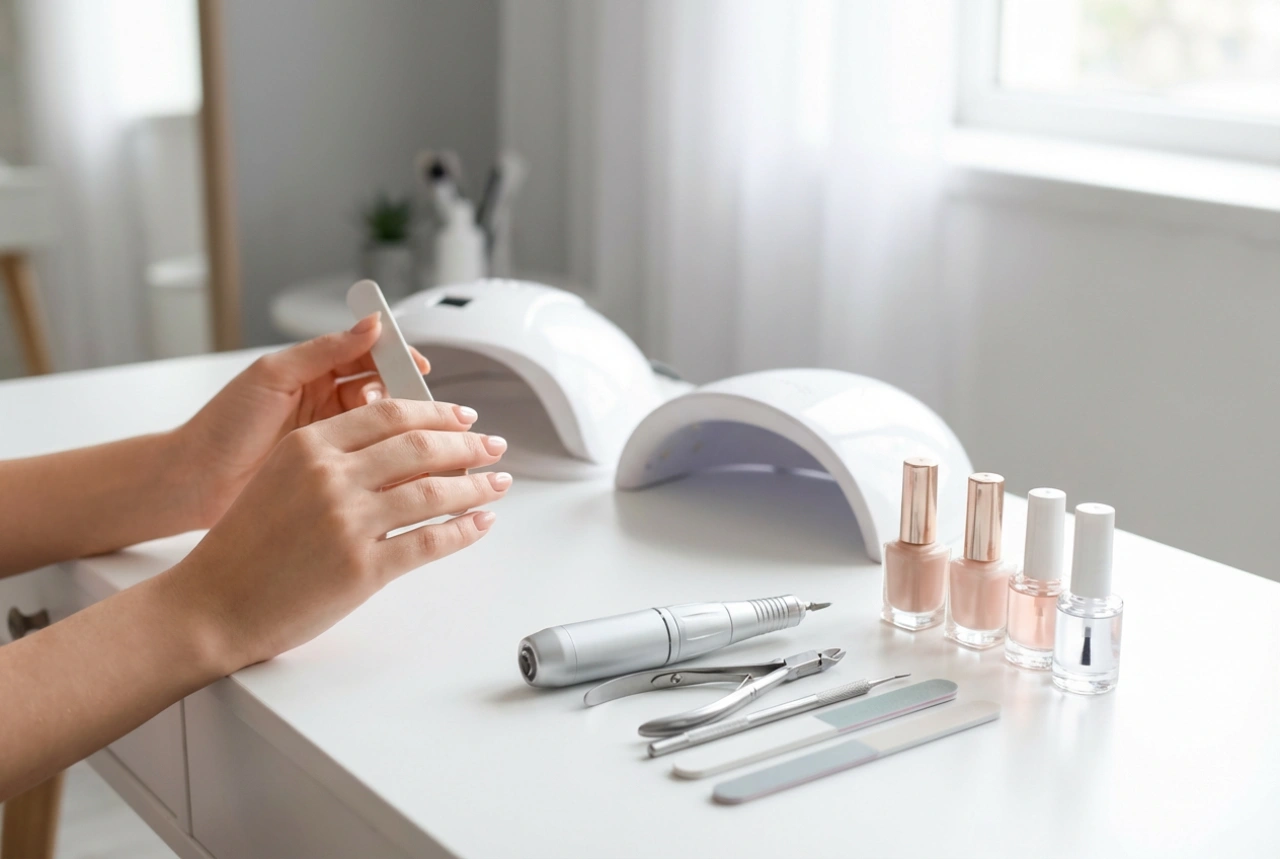
- Nail Preparation: Always start with clean, dry nails. Shape them with a file and gently push back your cuticles. Wiping each nail with a bit of alcohol or nail polish remover will eliminate any natural oils that could interfere with polish adhesion.
- Roll, Don't Shake: Shaking your nail polish bottle can create tiny air bubbles that lead to a bumpy finish. Instead, gently roll the bottle between your palms for about 30 seconds to mix the pigment evenly.
- Clean Up the Edges: For a truly sharp and clean look, dip a small, flat brush or a cotton bud in nail polish remover and carefully trace around your cuticles and the sides of your nail to clean up any stray polish.
- Be Patient with Drying Time: Even if nails feel dry to the touch, the inner layers can remain soft for a while. Avoid any activities that could cause smudges for at least an hour after finishing your manicure.