

Achieving smooth, frizz-free hair that gleams with health is a common goal in any hair care routine. While various products and techniques contribute to this polished look, the technology in your styling tools plays a crucial role. One of the most significant advancements in recent years is the inclusion of ionisation in hair dryers. This feature promises to combat frizz, reduce static, and enhance shine, but how does it actually work, and is it right for you? Understanding the science behind it can help you get the most out of your daily styling.
What is Ionisation in a Hair Dryer?
To understand ionisation, we first need to look at the hair itself. Our hair naturally carries a positive electrical charge, which is amplified by water and friction—like towel-drying. This positive charge causes the hair cuticles, the outermost layer of the hair shaft, to lift and repel each other. The result is what we experience as static, flyaways, and frizz. An ionic hair dryer is designed with a special component, often called an ion generator, that emits a stream of negatively charged ions along with the hot air. These negative ions interact with the positively charged water molecules and hair strands, effectively neutralising the static charge. This process helps the hair cuticles to lie flat and smooth, creating a more uniform and sleek surface.
The Key Benefits of Using an Ionic Hair Dryer
Incorporating an ionic hair dryer into your routine offers several noticeable advantages for the health and appearance of your hair. The primary benefits stem from its ability to neutralise static and smooth the hair cuticle.
- Reduced Frizz and Static: This is the most celebrated benefit. By neutralising the positive charge, negative ions eliminate the static electricity that causes flyaways and frizz. The hair cuticles lie flat, resulting in a smoother, more manageable, and polished finish.
- Faster Drying Time: Negative ions help to break down water molecules on the hair shaft into smaller particles. This not only makes them evaporate more quickly but also allows some moisture to be absorbed into the hair shaft, aiding hydration. A faster drying time means less overall exposure to heat, which helps to minimise heat damage.
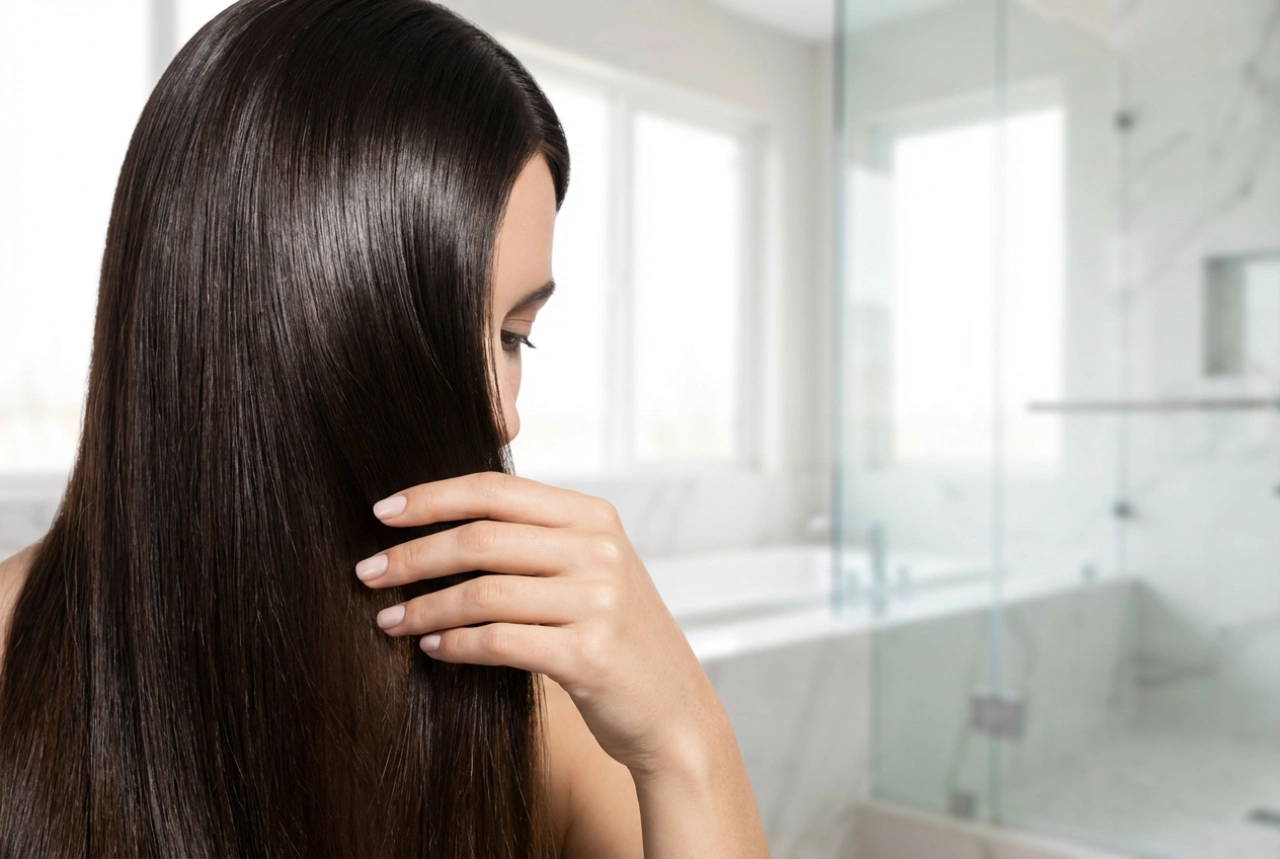
- Enhanced Shine and Softness: When hair cuticles are flat and sealed, they create a smooth surface that reflects light more effectively. This is why hair dried with an ionic dryer often appears significantly shinier and healthier. The smooth texture also makes the hair feel softer to the touch.
- Improved Hair Hydration: By shortening the drying process, less heat is required to get the job done. This helps the hair retain more of its internal moisture, preventing the over-drying and brittleness that can come from prolonged exposure to high temperatures.
Who Can Benefit Most from Ionisation?
While almost any hair type can see some improvement from using an ionic dryer, certain hair types will notice the most dramatic results. Understanding your hair's needs can help determine if this technology is a worthwhile investment for you.
Ideal Candidates for Ionic Technology
People with hair that is naturally prone to frizz, such as curly, wavy, or coarse hair, will find ionisation particularly effective. It directly targets the primary cause of frizz, making styling much easier. Similarly, those with thick hair will appreciate the significantly reduced drying time. If your hair is damaged, delicate, or colour-treated, the gentler, quicker drying process helps to protect it from further stress caused by excessive heat.
Considerations for Fine Hair
Individuals with very fine or thin hair might need to be more strategic. Because ionisation is so effective at creating a sleek, smooth finish, it can sometimes reduce volume and make fine hair appear flatter than desired. However, this doesn't mean it should be avoided entirely. Many modern ionic dryers feature a switch to turn the function on or off, allowing you to build volume at the roots with the function off and then smooth the lengths and ends with it on. It's about finding the right balance for your specific styling goals.
How to Maximise the Results of Your Ionic Hair Dryer
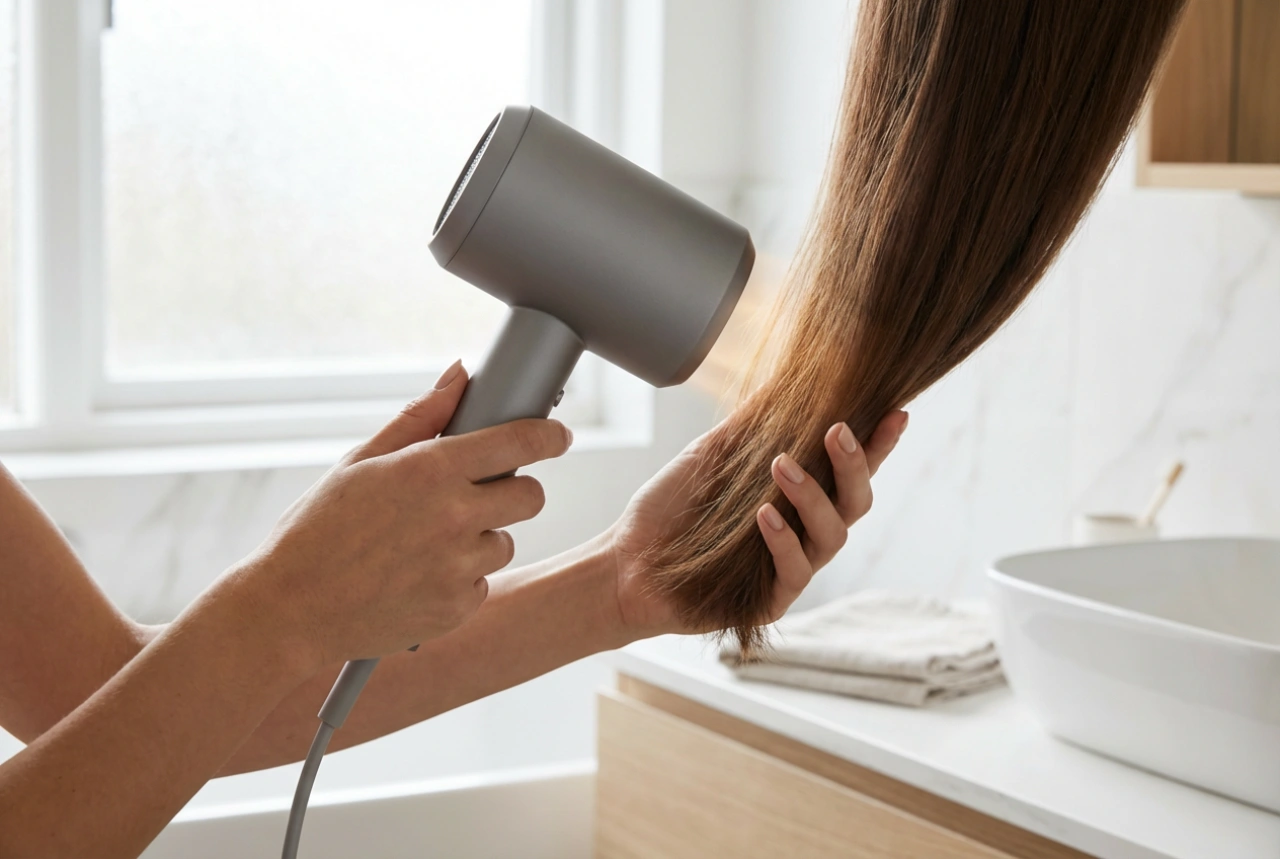
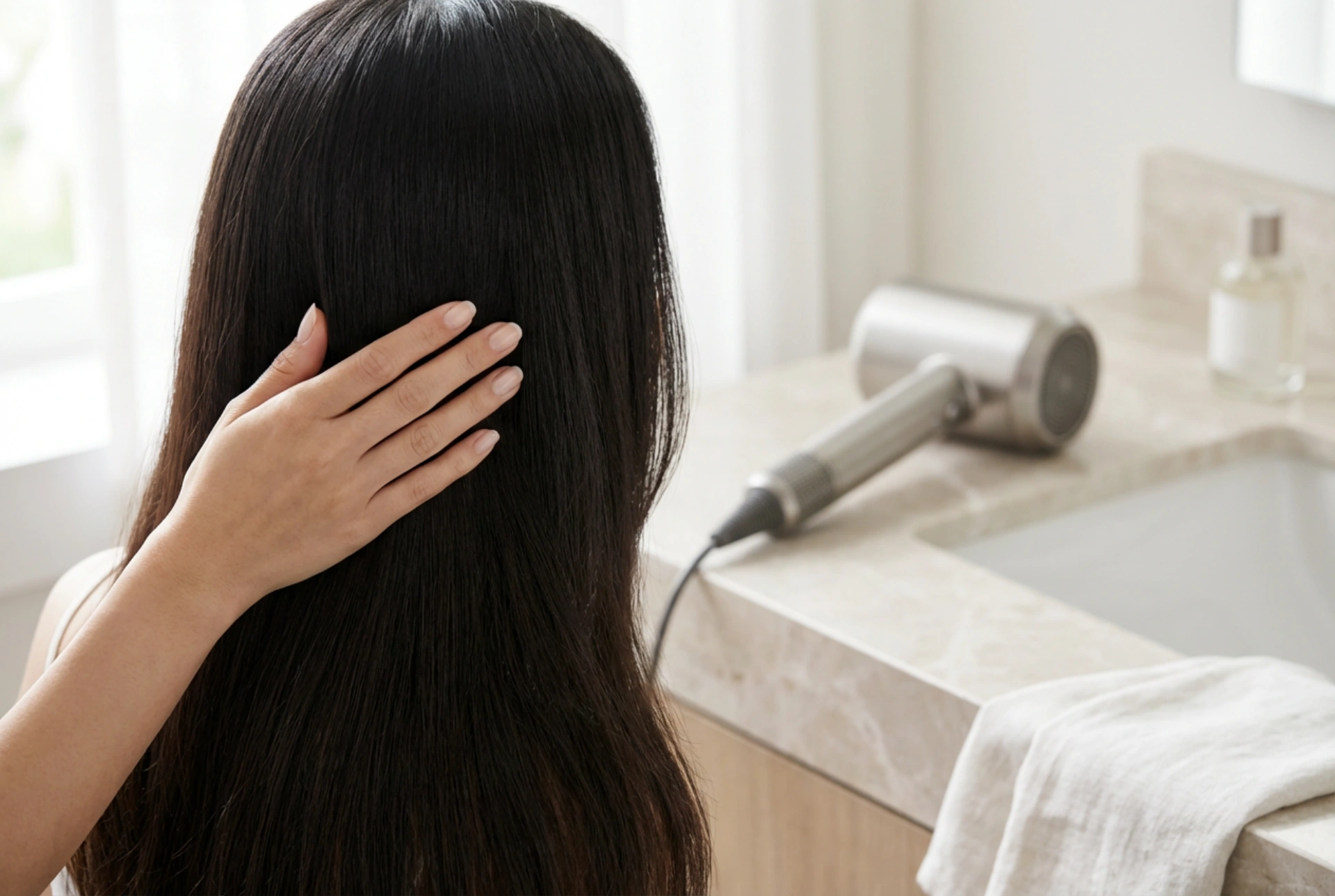
Simply owning an ionic dryer isn't enough; using it correctly will ensure you reap all its benefits. Start by gently towel-blotting your hair to remove excess water. Always apply a heat protectant product to shield your strands. For best results, use the concentrator nozzle that comes with your dryer. Aim the airflow down the hair shaft, from root to tip. This motion helps the cuticles lie flat, reinforcing the smoothing effect of the ions. Once your hair is completely dry, use the cool shot button. This blast of cold air helps to set your style and seal the cuticles even further, locking in shine and smoothness for the rest of the day.