

Dealing with hair that quickly becomes greasy can be a frustrating cycle. You wash it in the morning, and by the evening, it already feels weighed down and in need of another clean. The key to breaking this cycle often lies in selecting the right shampoo and adopting a proper washing technique. A thoughtful approach can help restore balance to your scalp, allowing your hair to stay fresh and vibrant for longer. This guide will walk you through the essential steps to choose the best type of shampoo for your needs and how to use it effectively.
Understanding the Needs of Oily Hair
Oily hair is typically the result of overactive sebaceous glands on the scalp, which produce an excess amount of sebum. While sebum is essential for keeping hair and scalp moisturised and protected, too much of it can lead to a greasy appearance, weigh down the hair, and make it look limp. The goal is not to strip the scalp of all its oils, as this can trigger an even greater production of sebum in response. Instead, the aim is to gently cleanse, regulate oil production, and maintain a healthy equilibrium.
What to Look for in a Shampoo for Oily Hair
Choosing a shampoo requires a bit of label-reading. The formulation is crucial for managing excess oil without causing dryness or irritation.
Beneficial Ingredients
Look for shampoos with clarifying yet gentle properties. Certain natural extracts are renowned for their ability to help balance an oily scalp. Ingredients to seek out include:
- Citrus Extracts: Lemon, grapefruit, or orange extracts can act as natural astringents, helping to cut through grease and cleanse the scalp effectively.
- Mint and Menthol: Peppermint or spearmint can provide a refreshing, cooling sensation while helping to control oiliness.
- Tea Tree Oil: Known for its purifying properties, tea tree oil can help keep the scalp clean and balanced.
- Nettle and Sage: These herbal extracts have traditionally been used to help regulate sebum production and tone the scalp.
- Gentle Surfactants: Look for cleansers derived from coconut or other plants that clean effectively without being overly harsh.
Ingredients to Use with Caution
Just as important as what's in the shampoo is what isn't. Some ingredients can exacerbate the problem of oily hair or create build-up.
- Heavy Silicones: While some silicones can add shine, heavy, non-soluble ones can build up on the hair shaft, weighing it down and attracting dirt and oil.
- Rich Oils and Butters: Shampoos designed for very dry hair often contain heavy oils or butters that are too rich for an oily scalp and can make hair feel greasy even faster.
- Harsh Sulphates: Strong detergents like Sodium Lauryl Sulphate (SLS) can be too stripping, leading the scalp to overcompensate by producing more oil. If you use them, ensure the formula also contains balancing ingredients.
The Correct Technique for Washing Oily Hair
How you wash your hair is just as important as the product you use. Following the right steps can make a significant difference in how long your hair stays clean.
- Pre-rinse Thoroughly: Before applying any product, make sure your hair is completely saturated with lukewarm water. Hot water can stimulate the sebaceous glands, so it's best avoided.
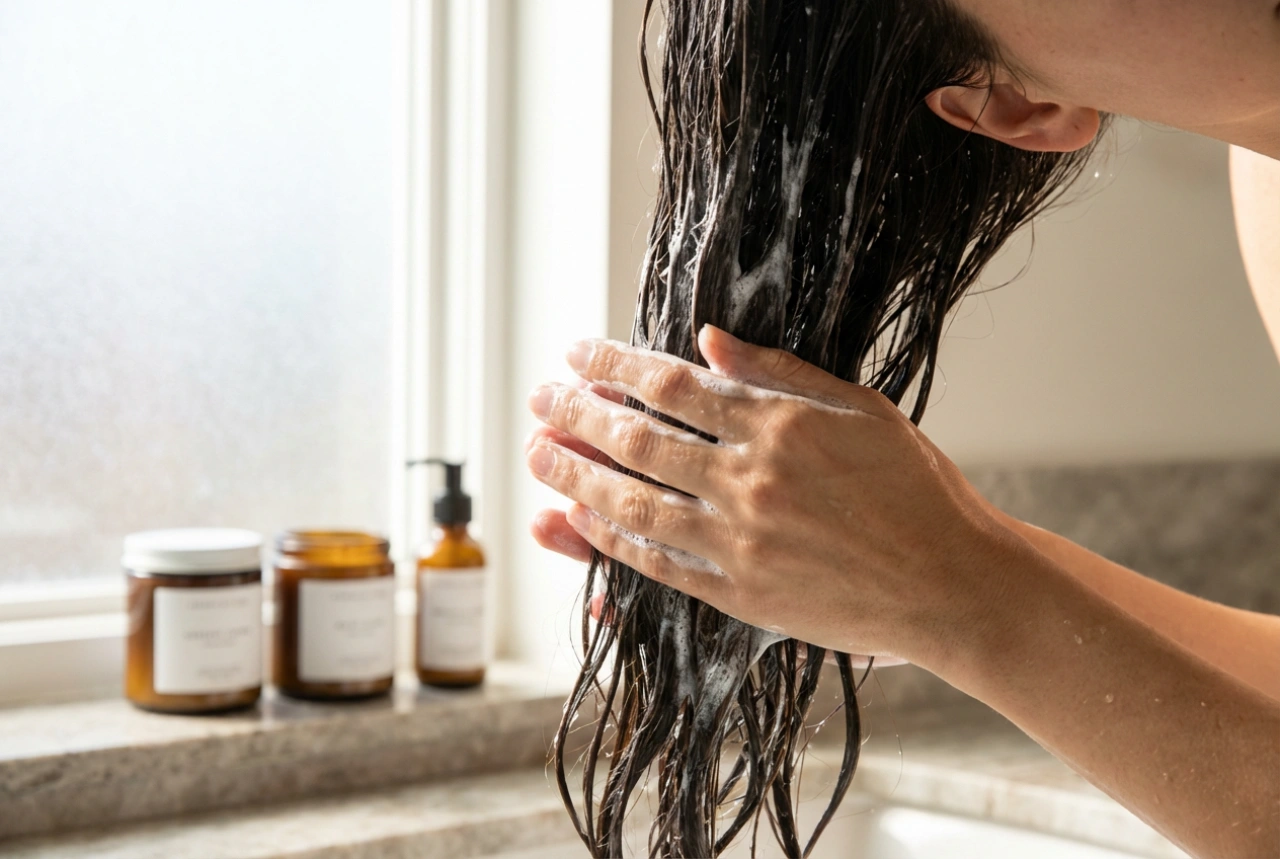
- Focus on the Scalp: Apply a small, coin-sized amount of shampoo to your palms and work it into a lather. Focus the application directly on the scalp, where the oil is produced. There's no need to apply large amounts of shampoo to the lengths of your hair; the suds that rinse down will be sufficient to clean them.
- Massage Gently: Use your fingertips (not your nails) to gently massage the shampoo into your scalp for about a minute. This helps to break down oil and stimulate circulation without being too aggressive.
- Rinse Completely: This is a crucial step. Rinse your hair for at least a minute to ensure all traces of shampoo are gone. Leftover product can cause build-up and weigh hair down.
- Condition the Ends Only: If you use a conditioner, apply it only from the mid-lengths to the ends of your hair, avoiding the roots and scalp entirely. This will prevent your roots from becoming greasy.
Common Mistakes to Avoid
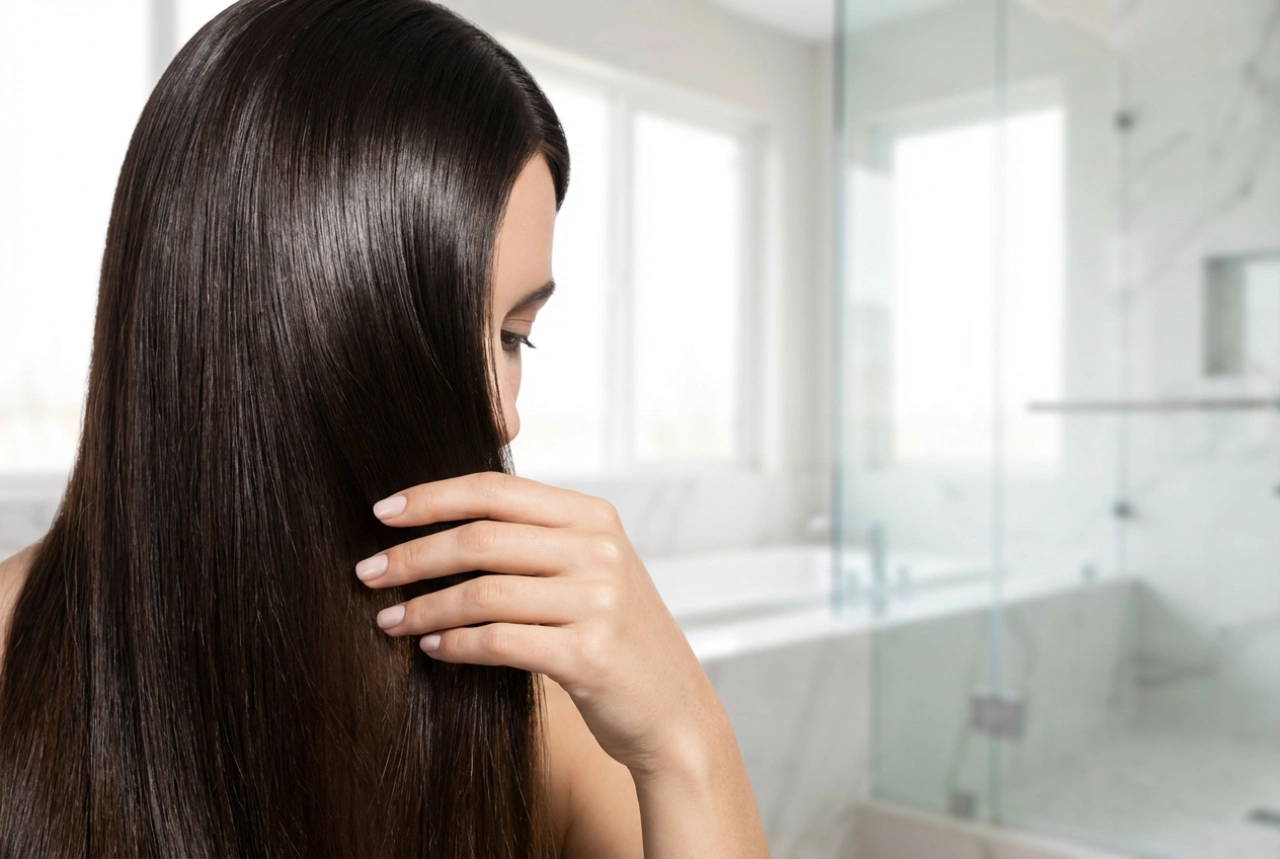
Sometimes, our habits contribute to the problem. Be mindful of these common mistakes: over-washing, which can perpetuate a cycle of oil production; using water that is too hot; scrubbing the scalp aggressively; and frequently touching your hair throughout the day, which transfers oils from your hands to your hair. By combining the right product with a gentle and effective technique, you can achieve a beautifully balanced scalp and hair that feels cleaner and lighter for longer.