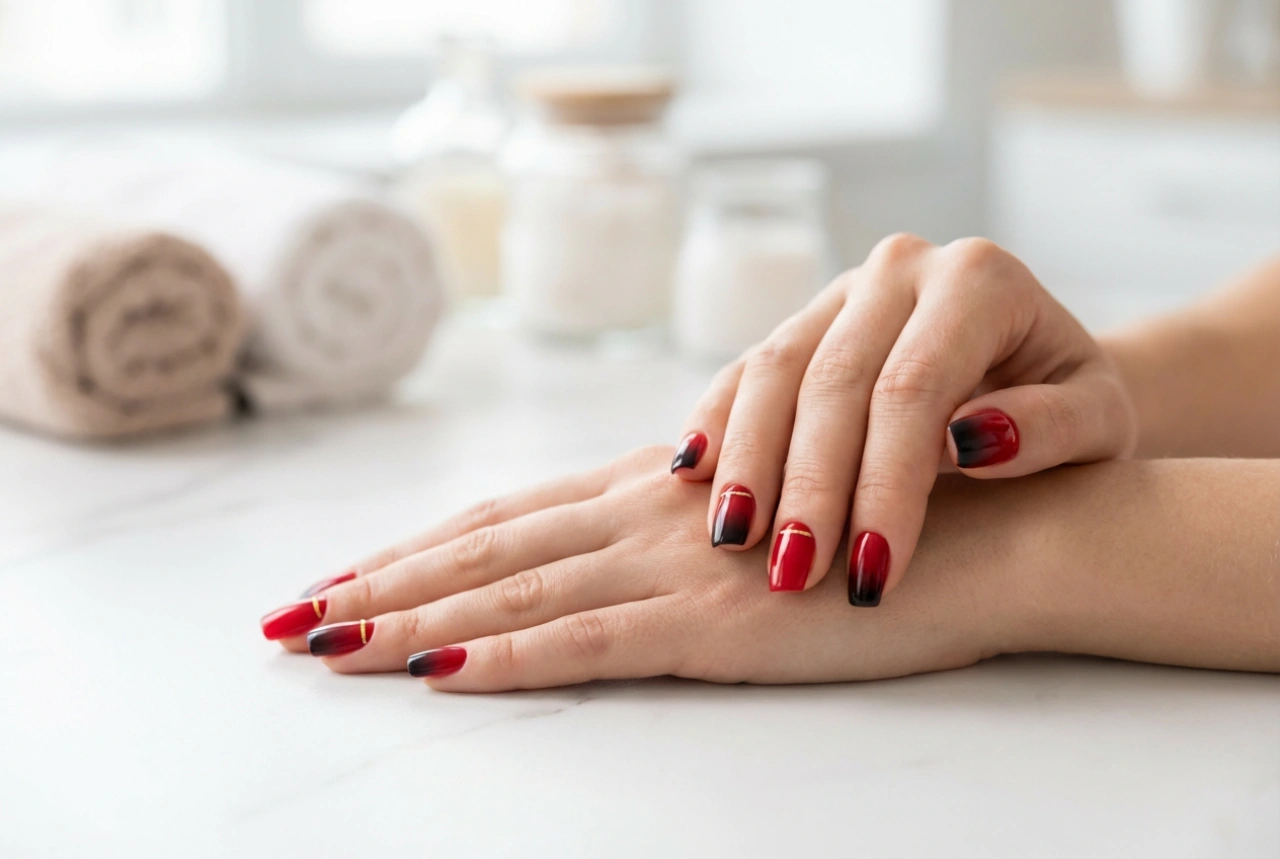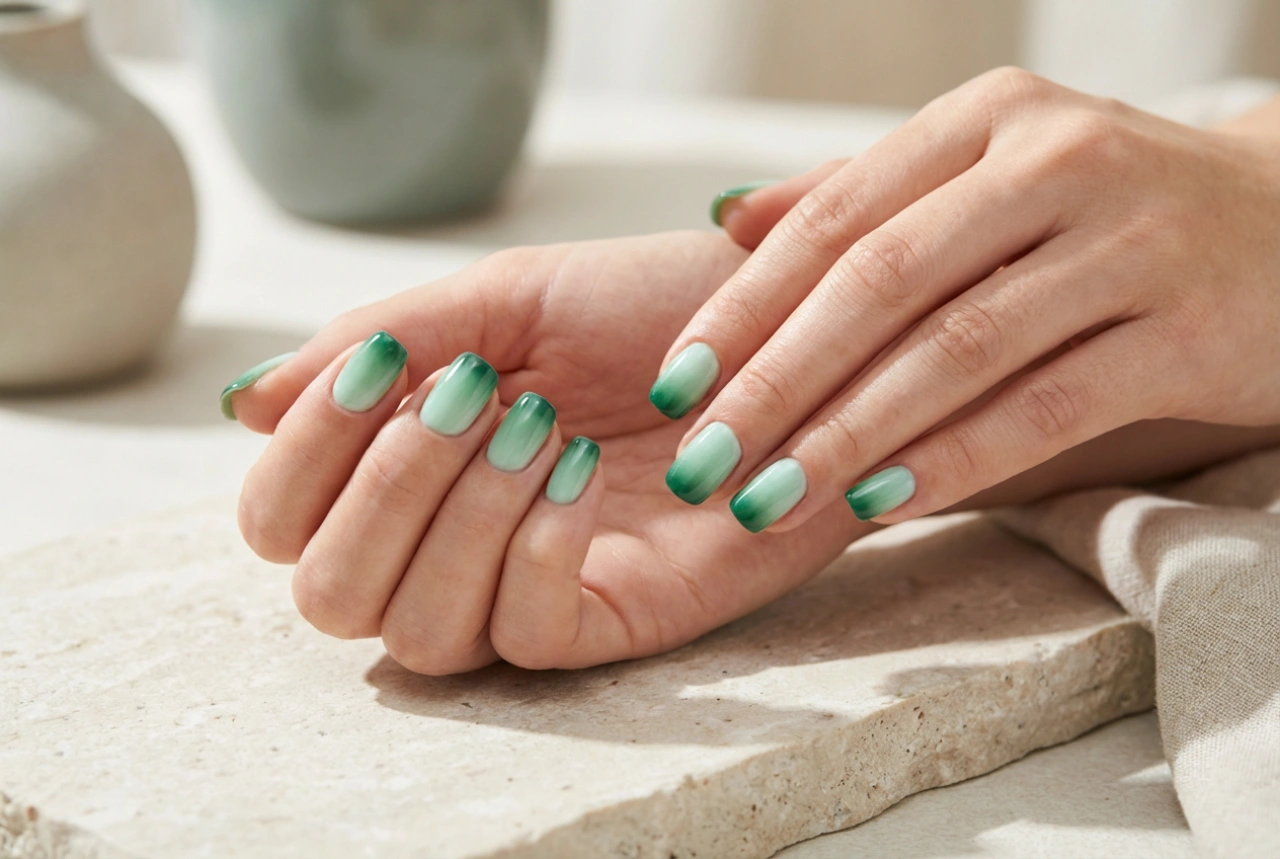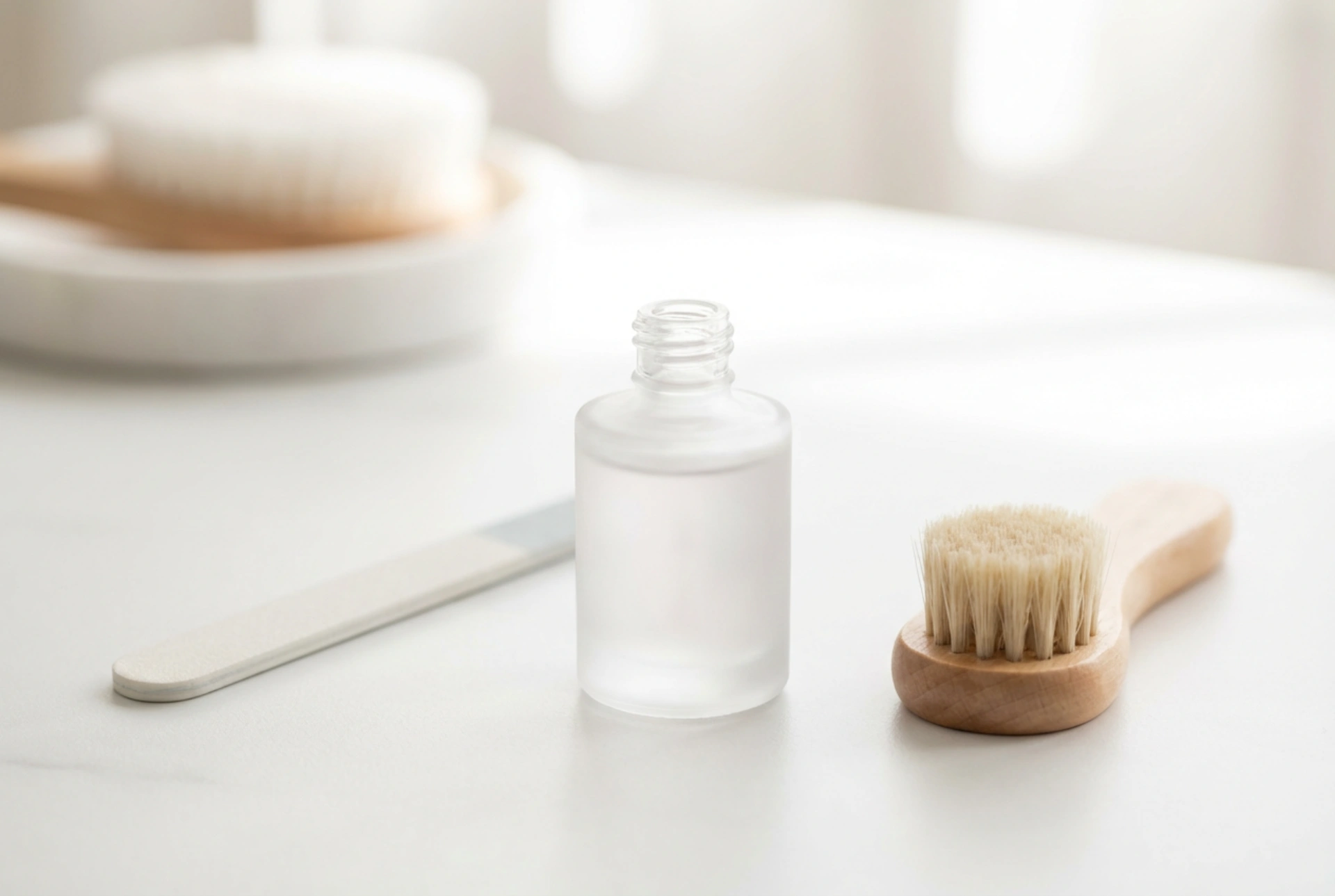


Achieving a refined, healthy-looking manicure at home starts with a strong foundation. For those with nails that are prone to splitting or breaking, a protein base can be an essential part of the nail care routine. This special type of base coat not only prepares the nail plate for colour but also provides much-needed reinforcement. Using tools like a fine nail file and a good quality brush, you can master the application technique for salon-worthy results and significantly improve the resilience of your nails.
What is a Protein Base and Why Use It?
A protein base is a type of gel-like base coat enriched with proteins, such as keratin or silk, which are similar to the natural proteins found in your nails. When applied and cured, it creates a durable, protective layer over the natural nail. This layer adds strength, helps to prevent bending and breakage, and can even out imperfections on the nail surface, such as ridges. It's an excellent choice for individuals with weak, thin, or brittle nails that struggle to grow without splitting. Furthermore, it provides a perfect, smooth canvas for any colour polish, helping your manicure last longer.
Preparing Your Nails for Application
Proper preparation is the key to a long-lasting and flawless manicure. Rushing this stage can lead to lifting or an uneven finish. Follow these steps carefully before you open your bottle of protein base.
Cleaning and Shaping
Start by removing any old nail polish completely. Gently push back your cuticles using a wooden or rubber-tipped cuticle pusher; avoid cutting them to prevent irritation. Next, use a nail file to shape the free edge of your nails. Whether you prefer square, round, or almond, ensure they are all a consistent length and shape. Work the file in one direction to prevent fraying the nail tip.
Buffing and Dehydrating
Once your nails are shaped, take a fine-grit buffer and very gently buff the entire surface of the nail plate. The goal is not to thin the nail, but simply to remove the natural shine and create a slightly textured surface for the base to adhere to. Afterwards, it is crucial to remove all dust and natural oils. Wipe each nail thoroughly with a lint-free wipe soaked in a nail preparation solution or isopropyl alcohol. From this point on, avoid touching your nails with your fingers.
The Correct Application Technique
Applying a protein base is a two-step process that involves a thin slip layer followed by a building layer to create structure. This technique ensures maximum strength and a beautiful, natural-looking curve.
Applying the First Coat
Begin by applying a very thin layer of the protein base over the entire nail, just as you would with a regular nail polish. This initial coat, often called a 'slip layer,' doesn't need to be thick. Its purpose is to create a wet surface that will help the next layer self-level. Cure this thin coat under an LED/UV lamp according to the product's instructions, which is typically between 30 to 60 seconds.
Building the Apex
After curing the first layer, apply a second coat. This time, take a slightly larger bead of product on your brush and place it in the centre of the nail, slightly away from the cuticle. This area is the 'apex' or stress point of the nail, and adding extra thickness here provides structural support. Gently guide the product towards the cuticle and the free edge, letting it self-level over the slip layer. You can turn your finger upside down for a few seconds to help gravity pull the product into a perfect arch. Cure this building layer thoroughly, which may require a longer time under the lamp.
Perfecting the Shape: Filing the Excess
After the protein base is fully cured, it will have a slightly sticky inhibition layer. Wipe this off with a cleaner before you begin filing. In most cases, if applied correctly, the surface will be smooth. However, you may sometimes have a small lump or want to refine the shape further. Use a fine-grit file (180-grit or higher) to gently smooth any imperfections. Focus on the overall shape, ensuring the side walls are straight and the free edge is crisp. Be careful not to file too aggressively, as you only want to refine the surface, not remove the structure you just built. Once you are happy with the shape, remove all the dust with a soft brush and wipe the nail clean again.
Finishing Your Manicure
With a perfectly applied and shaped protein base, your nails are now strong and ready for the final steps. You have two main options. You can apply two coats of your favourite colour polish, curing each layer, and finish with a high-shine top coat. Alternatively, if you love a natural look, you can simply apply a top coat directly over the cleansed protein base. This will give you a beautiful, glossy finish while letting the natural colour of your nails show through, all with the added benefit of incredible strength and protection.