

A long-lasting hybrid manicure is a fantastic way to enjoy beautiful nails for weeks. However, when the time comes for a change, it's crucial to remove it correctly to avoid damaging the natural nail plate. With the right tools and a little patience, you can safely and effectively remove hybrid polish in the comfort of your own home, maintaining the health and strength of your nails. This guide will walk you through the entire process, ensuring a smooth transition from your old manicure to freshly prepped nails.
Essential Accessories for Home Removal
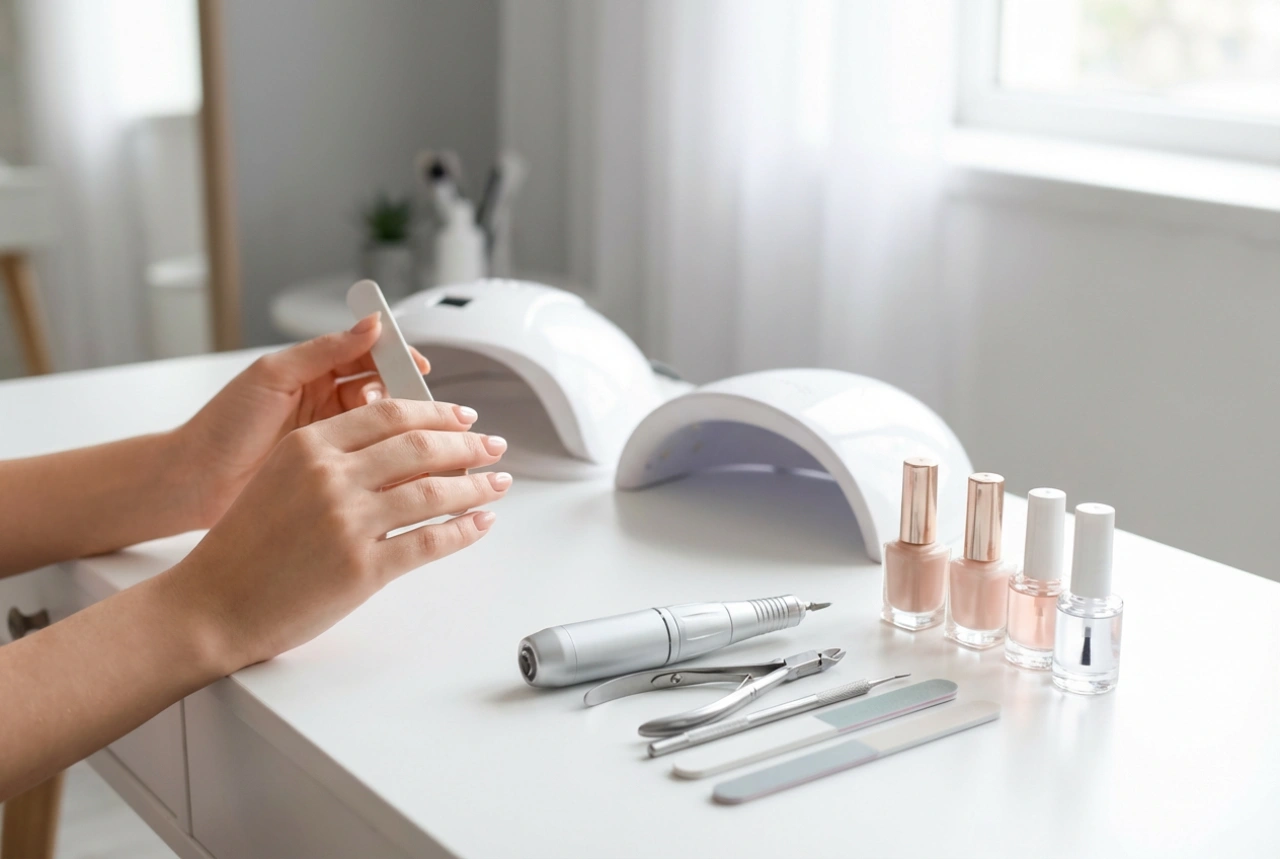
Before you begin, gather all the necessary supplies. Having everything on hand will make the process much smoother and prevent you from taking shortcuts that could harm your nails. Here’s what you’ll need:
- Nail File: A file with a medium grit (around 100/180) is ideal for gently filing off the top coat of the polish.
- Acetone or Hybrid Remover: Pure acetone works best, but a specially formulated hybrid nail polish remover is a slightly gentler alternative.
- Cotton Pads: Cut them into small pieces, roughly the size of your nail, to minimise skin contact with the acetone.
- Aluminium Foil: Cut into squares large enough to wrap around the tip of each finger. This holds the cotton pad in place and prevents the acetone from evaporating.
- Wooden Cuticle Stick or Pusher: A wooden stick is the gentlest option for scraping off the softened polish. A metal pusher can be used, but with extreme care.
- Nail Buffer: A soft, fine-grit buffer will help smooth the nail surface after the polish is removed.
- Cuticle Oil and Hand Cream: Essential for rehydrating your nails and skin after the drying effects of acetone.
A Step-by-Step Guide to Removing Hybrid Polish
Follow these steps carefully for a safe and successful removal process. Rushing can lead to damage, so set aside enough time to complete each step properly.
Step 1: Mattify the Top Coat
The shiny top coat of your hybrid manicure is designed to be impermeable. To allow the acetone to penetrate the colour layers, you must first break this seal. Using your 100/180 grit nail file, gently file the surface of each nail until the shine is completely gone. Be careful not to file too aggressively; you only want to remove the top layer, not file down to your natural nail.
Step 2: Soak the Nails
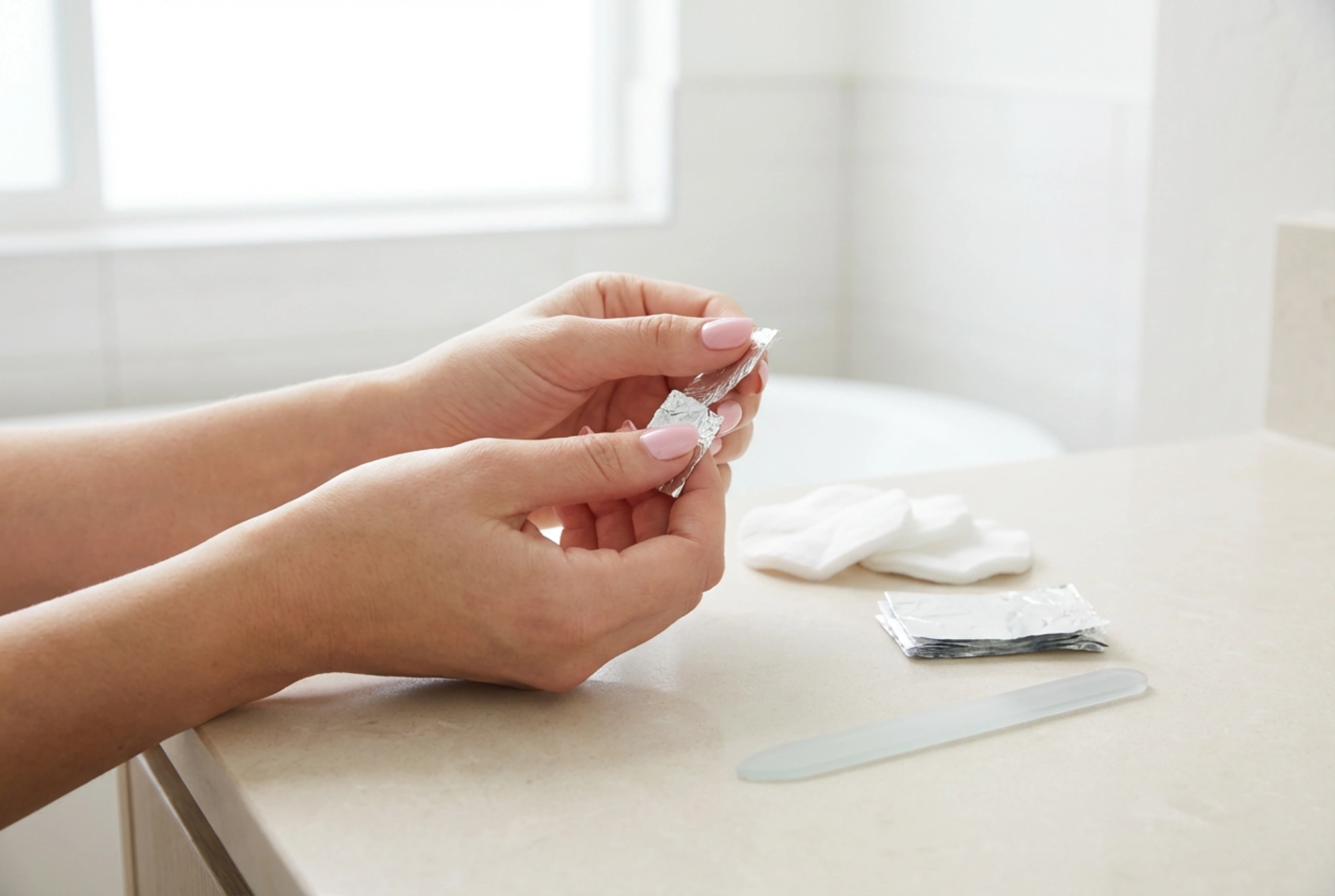
Soak a small piece of a cotton pad in acetone or your chosen remover liquid. Place the saturated pad directly onto the nail surface, ensuring it covers the entire polish. To hold it in place and enhance the effect, wrap the tip of your finger, along with the cotton pad, in a square of aluminium foil. The foil traps heat, which can help speed up the process. Repeat for all ten nails.
Step 3: Wait Patiently
This is where patience is key. Allow your nails to soak for about 10 to 15 minutes. During this time, the acetone is working to dissolve the polish layers. You can gently press on the foil-wrapped nail after about 10 minutes to see if the polish feels soft and is starting to lift. If it still feels hard, give it a few more minutes.
Step 4: Gently Remove the Polish
Unwrap one finger at a time. The hybrid polish should look crinkled and be lifting away from the nail plate. Use your wooden cuticle stick or a gentle pusher to carefully scrape off the softened polish. Start from the cuticle area and move towards the tip. If the polish doesn't come off easily, do not force it. Instead, re-wrap the nail with the acetone-soaked pad for another 5 minutes and try again. Forcing or aggressively scraping the polish can peel away layers of your natural nail.
Step 5: Final Buffing and Shaping
Once all the polish is removed, there may be some minor residue left on the nail. Use a soft buffer block to gently smooth the surface of the nail plate. This is also a good time to shape your nails with a fine-grit file if needed. Your nails are now clean and ready for the final, crucial step: rehydration.
Post-Removal Nail and Skin Care
Acetone is very effective but also very drying to the nails and surrounding skin. Proper aftercare is essential to restore moisture and keep your nails healthy.
- Wash Your Hands: Start by thoroughly washing your hands with a gentle soap and water to remove any remaining acetone residue.
- Apply Cuticle Oil: Generously apply a nourishing cuticle oil to your nails and the skin around them. Massage it in to stimulate blood flow and help the oil absorb.
- Hydrate with Cream: Follow up with a rich hand cream to moisturise your hands, paying special attention to your fingertips.
- Give Your Nails a Break: If possible, let your nails breathe for a day or two before applying a new manicure. This allows them to fully recover. You can apply a nail strengthening treatment during this time for extra care.