

Achieving perfectly smooth, sleek, and manageable hair is often the goal of a keratin straightening treatment. The result can be transformative, leaving your hair looking healthy and effortlessly styled. However, to maintain these beautiful effects for as long as possible, a proper aftercare routine is essential. The most critical part of this routine is how you wash your hair, as using the wrong products or techniques can quickly diminish the results. Understanding what your hair needs post-treatment is the key to prolonging its smooth, pristine condition.
Understanding the Basics of Post-Keratin Care
A keratin treatment works by smoothing down the overlapping cells that form the hair's cuticle. A special formula is applied and sealed into the hair, creating a protective protein layer that reduces frizz and adds shine. For this layer to fully bond with the hair shaft, it's crucial to avoid washing your hair for a specific period after the treatment, typically 48 to 72 hours. Washing too soon can prevent the keratin from setting properly, leading to a much shorter lifespan for your smooth results. After this initial waiting period, the focus shifts to using products that will support and protect this new coating, rather than strip it away.
Choosing the Right Shampoo: What to Look For and What to Avoid
Not all shampoos are created equal, especially when it comes to caring for treated hair. Standard shampoos often contain detergents that are too harsh for hair that has undergone a keratin treatment. Making an informed choice is vital for extending the life of your sleek style.
Ingredients to Avoid
- Sulphates (SLS & SLES): Sodium Lauryl Sulphate and Sodium Laureth Sulphate are powerful cleansing agents responsible for the rich lather many associate with being 'clean'. However, they can strip the hair of its natural oils and, more importantly, the keratin coating you've just invested in. Using a sulphate-based shampoo is one of the fastest ways to reverse the effects of your treatment.
- Sodium Chloride: This is essentially table salt, often used as a thickener in shampoos and conditioners. Salt is abrasive and can dissolve the keratin layer on your hair, leading to a loss of smoothness and the return of frizz. Always check the ingredient list for this culprit.
- Harsh Alcohols: Certain alcohols can be very drying for the hair. While not all alcohols in cosmetics are bad (fatty alcohols like cetyl alcohol are moisturising), drying alcohols can make treated hair brittle and prone to breakage.
Ingredients to Look For
- Mild Surfactants: Look for sulphate-free formulas that use gentler cleansing agents derived from coconuts or other plants. These will effectively clean your scalp and hair without being overly aggressive.
- Hydrolysed Keratin and Amino Acids: Shampoos containing these ingredients can help to gently replenish the protein layer on your hair with each wash, supporting the original treatment.
- Natural Oils and Butters: Ingredients like argan oil, jojoba oil, shea butter, and coconut oil provide essential moisture, help to seal the cuticle, and enhance shine without weighing the hair down.
- Glycerin and Panthenol (Pro-Vitamin B5): These are humectants, meaning they attract and retain moisture in the hair, keeping it hydrated, flexible, and healthy-looking.
The Correct Washing and Conditioning Technique
Once you have the right products, using them correctly is the next step. The frequency and method of washing can make a significant difference in how long your keratin treatment lasts.
How to Wash Your Hair
First, try to reduce the frequency of your hair washing. If you previously washed your hair daily, try extending it to every two or three days. The less you expose your hair to water and cleansing agents, the longer the treatment will last. When you do wash, use lukewarm or cool water. Hot water can open the hair cuticle, allowing the keratin to escape more easily. Gently massage a small amount of your sulphate-free shampoo into your scalp only. The lather that rinses down the lengths of your hair is sufficient to cleanse them without needing to scrub, which can cause friction and damage the cuticle. Rinse thoroughly to ensure no product residue is left behind, as this can lead to build-up.
The Importance of Conditioner
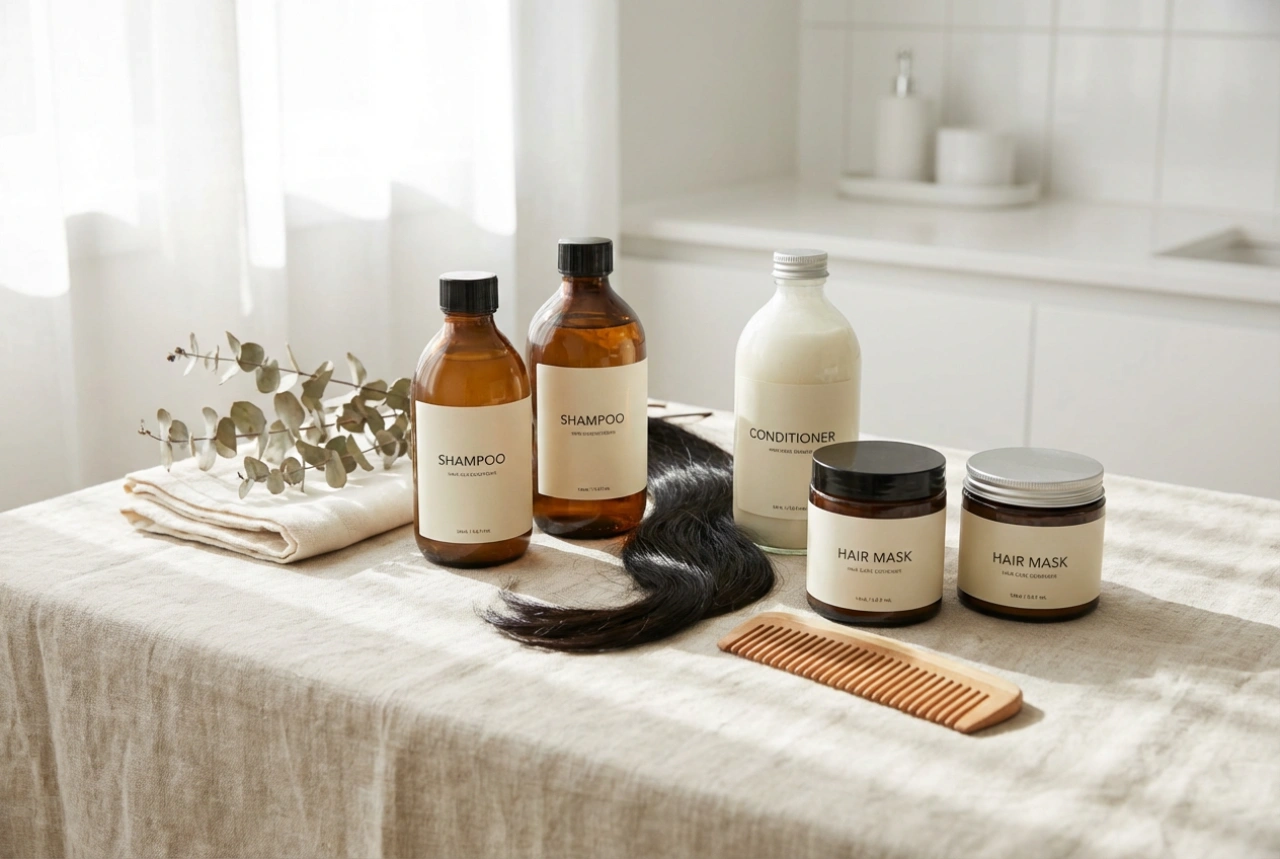
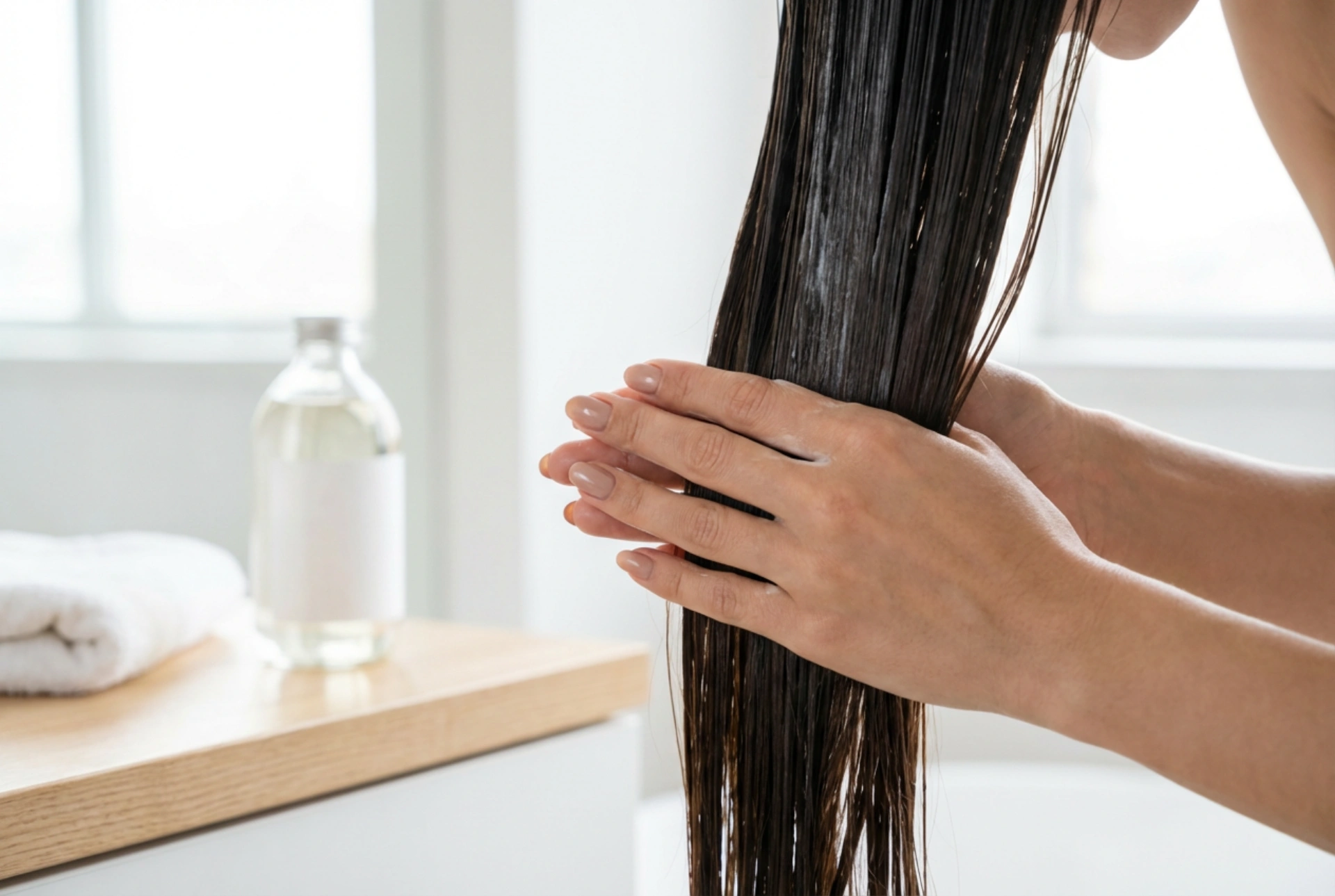
Always follow your shampoo with a conditioner from the same product family—meaning it should also be free of sulphates and sodium chloride. Apply the conditioner from the mid-lengths to the ends, avoiding the scalp to prevent it from becoming greasy. A good conditioner will help to seal the hair cuticle, lock in moisture, and further enhance the smoothness and shine initiated by the keratin treatment. Leave it on for a few minutes before rinsing with cool water to maximise its benefits.
Extending the Effects with Further Care
Beyond shampoo and conditioner, incorporating a weekly hair mask into your routine can provide an intensive dose of hydration and nourishment. Look for masks rich in proteins and moisturising oils that are specifically designed for treated or damaged hair. Additionally, when styling your hair, always use a heat protectant spray. While keratin treatments make hair more resilient, excessive heat can still cause damage. Finally, consider using a silk or satin pillowcase to reduce friction on your hair as you sleep, which can help prevent frizz and maintain smoothness for longer.