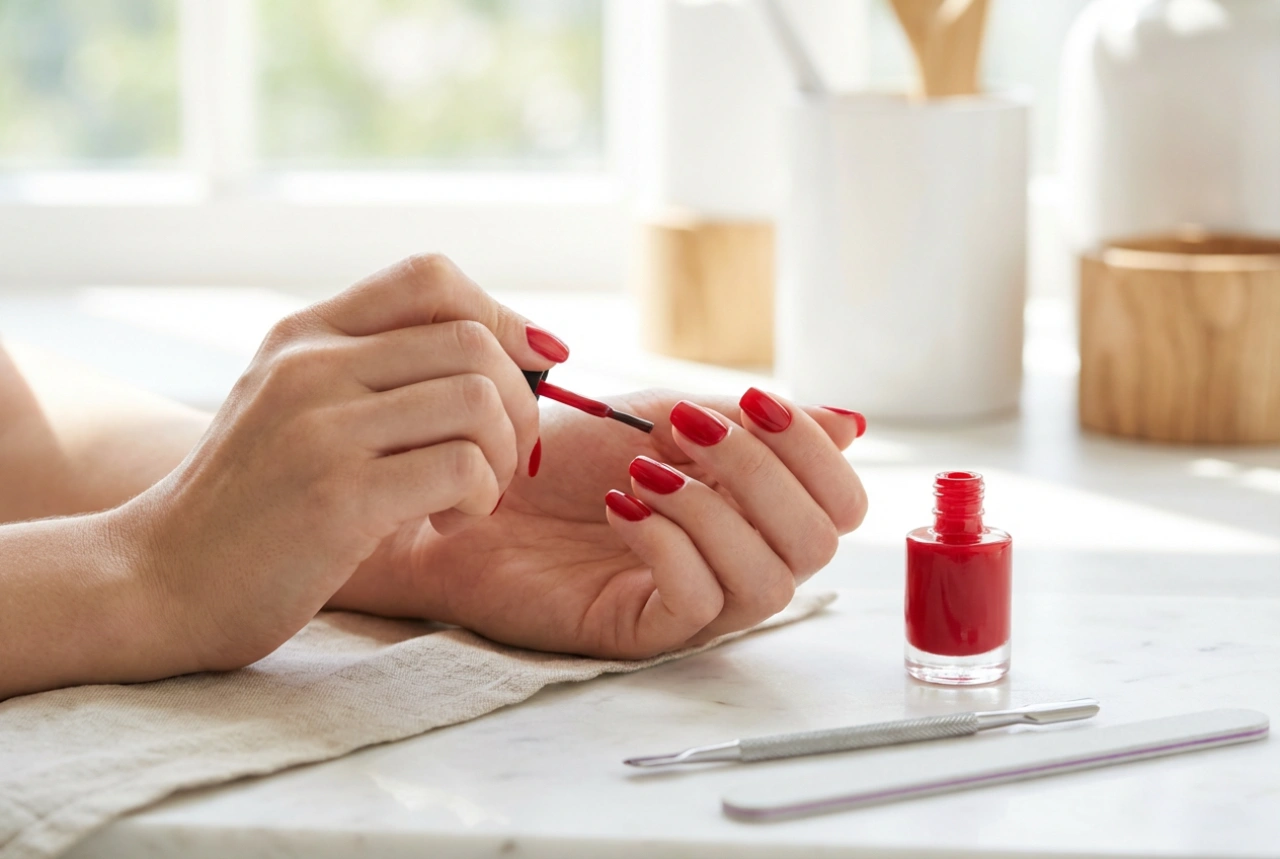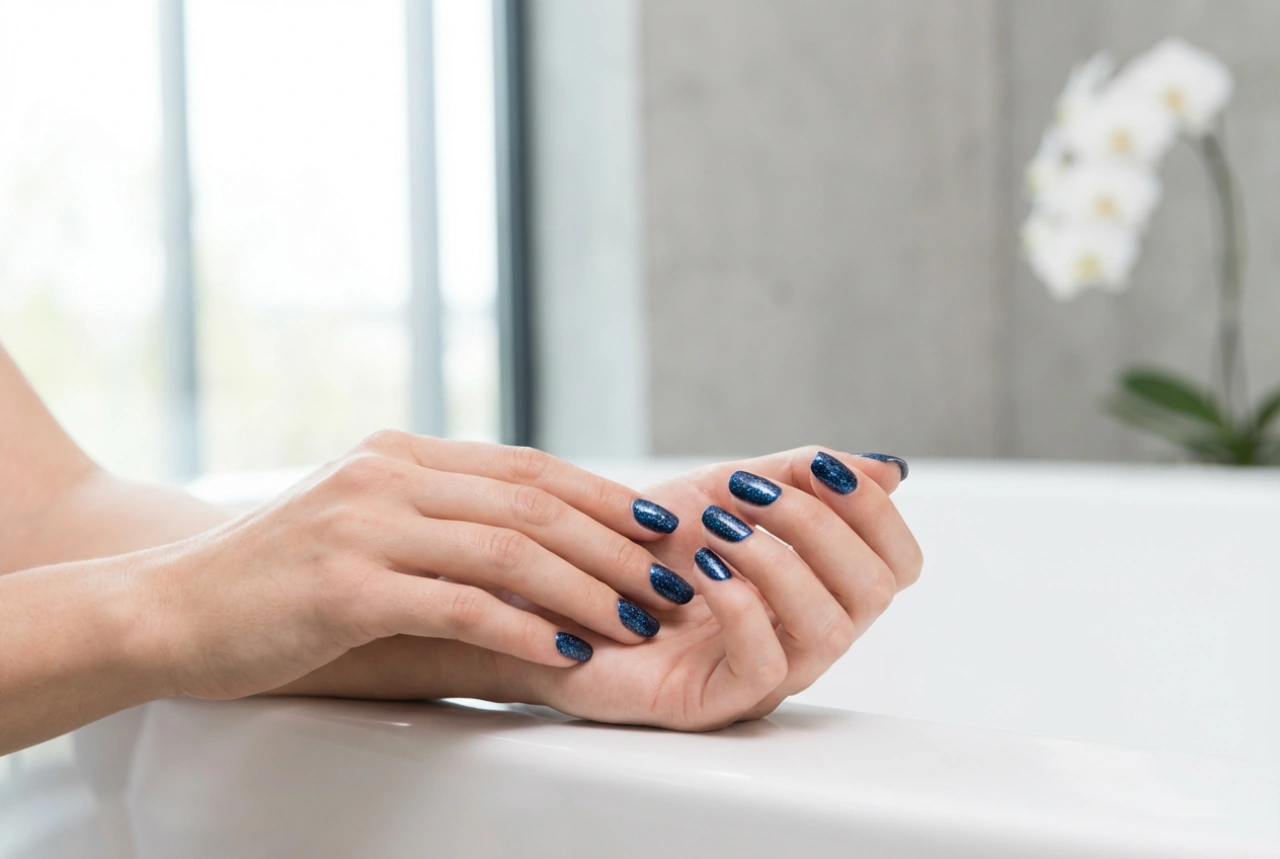


Ombre nails, with their beautiful and seamless transition of colours, remain one of the most elegant and sought-after nail art styles. This gradient effect, moving from a lighter to a darker shade or between two different colours, can be adapted for any season or occasion, offering endless creative possibilities. Achieving this look at home might seem daunting, but with the right tools and techniques, you can create a professional-looking manicure. This guide will explore three popular methods for creating the perfect ombre effect: using a sponge, a brush, and an airbrush.
Preparation: The Foundation for a Flawless Manicure
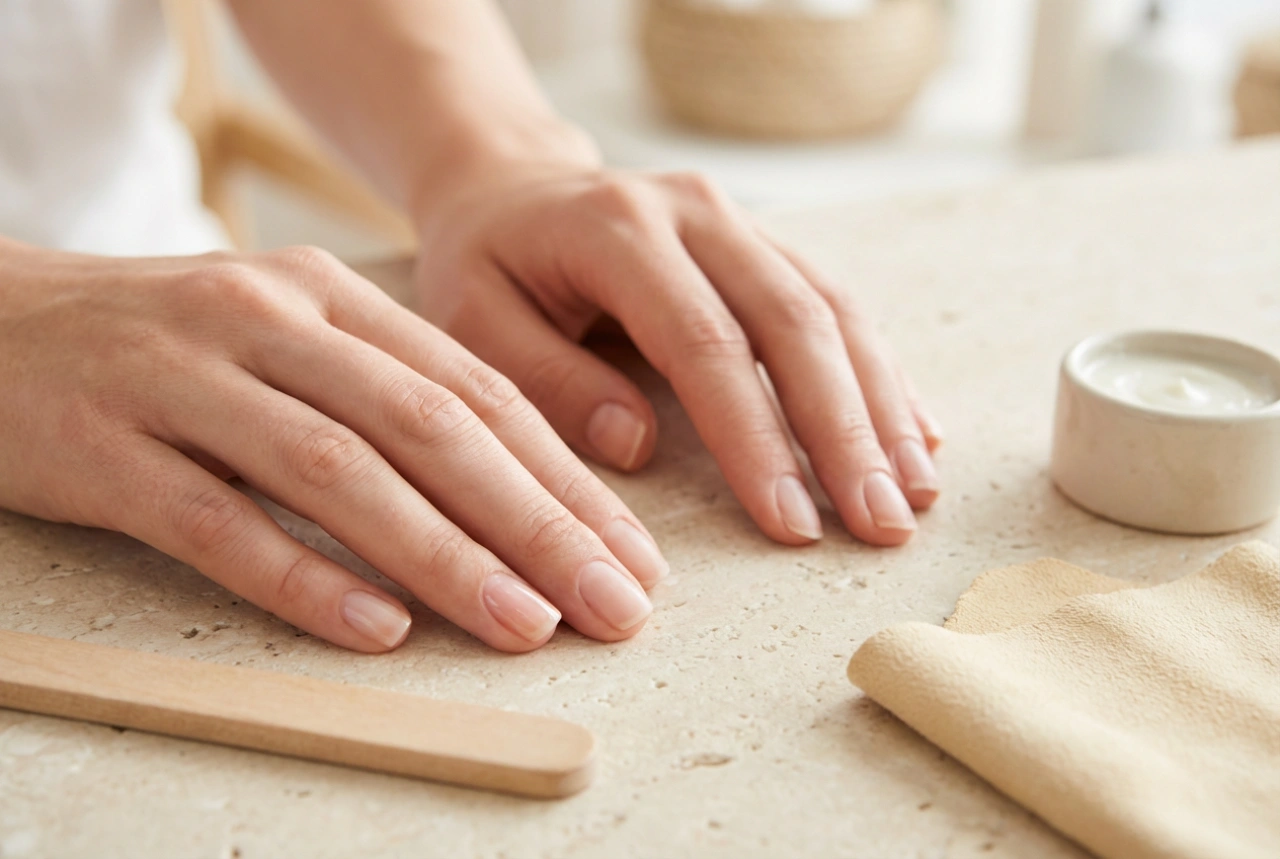
Before you begin creating the gradient, proper nail preparation is essential for a smooth and long-lasting result. A well-prepared canvas will make the colour application much easier and enhance the final look.
- Shape and Buff: Start by filing your nails to your desired shape. Gently buff the surface of your nails to create a smooth base for the polish to adhere to.
- Cuticle Care: Push back your cuticles gently. This creates a larger, cleaner nail plate to work on and results in a neater manicure.
- Cleanse the Nail: Wipe each nail with a nail polish remover or alcohol on a lint-free pad to remove any oils or residue. This step is crucial for polish adhesion.
- Apply a Base Coat: Always apply a thin layer of a quality base coat. This protects your natural nails from staining and helps your manicure last longer. Let it dry completely before moving on to the colour application.
- Protect Your Skin: The ombre process, especially with a sponge, can be messy. Apply a liquid latex barrier or petroleum jelly to the skin around your nails to make cleanup quick and easy.
The Sponge Technique: A Beginner-Friendly Method
This is the most common and accessible method for creating ombre nails. It requires minimal specialised tools and is perfect for those trying the technique for the first time.
What You'll Need:
- Two or more nail polishes of your choice
- A disposable makeup sponge (a small piece is sufficient)
- A flat, non-porous surface like aluminium foil or a palette
- A top coat
Step-by-Step Instructions:
- Apply a base layer of the lightest colour you have chosen for your ombre. Let it dry completely. Applying one or two coats will provide a solid foundation for the gradient.
- On your flat surface, paint stripes of your chosen nail polishes right next to each other, slightly overlapping them where they meet. The width of the stripes should be similar to the width of your nail.
- Take your makeup sponge and gently press it down onto the polish stripes. This will transfer the polish onto the sponge.
- Dab the sponge directly onto your nail. Use a gentle bouncing or rolling motion to transfer the colours and create the blended effect. Don't press too hard, as this can absorb too much polish.
- Repeat the process for more intensity. You may need to apply a fresh layer of polish to your sponge and dab it onto the nail two or three times to achieve the desired opacity and blend.
- Once you are happy with the gradient, clean up the skin around your nails using a small brush dipped in nail polish remover. If you used a liquid barrier, you can simply peel it off.
- Finish with a generous layer of a glossy top coat. This is a vital step as it will smooth out any texture left by the sponge and meld the colours together beautifully, creating a seamless finish.
The Brush Technique: For a More Controlled Blend
Using a brush offers more precision than a sponge but requires a steady hand. A small, flat or fan-shaped brush, often labelled as an 'ombre brush', is ideal for this method. It's a great way to achieve a softer, more painterly gradient.
Step-by-Step Instructions:
- After applying your base coat, paint the two colours directly onto your nail, side-by-side. One colour should cover the top half of the nail, and the other should cover the bottom half.
- Take your clean ombre brush and, working quickly while the polish is still wet, gently sweep it horizontally across the line where the two colours meet. This action will start to blend them together.
- Wipe the brush on a paper towel between strokes to avoid mixing the colours too much and creating a muddy look.
- Continue the gentle sweeping motions until you are satisfied with the blend. This technique is about building the gradient softly.
- Clean up any polish on the skin and allow the design to dry slightly before applying a top coat to seal in your work and add shine.
The Airbrush Technique: The Professional Finish
For a truly flawless, photo-ready ombre, an airbrush is the ultimate tool. While it involves an initial investment in equipment and requires practice, it delivers an unparalleled, soft-focus gradient that is difficult to replicate with other methods. A mini airbrush system designed for nail art is used to spray a fine mist of colour over a base shade, creating a perfect diffusion of colour. This advanced technique is often used by professionals for its speed and perfect results, but can also be mastered at home by dedicated nail art enthusiasts seeking a superior finish.