

Achieving a flawless, salon-quality manicure in the comfort of your own home has become more accessible than ever, thanks to modern beauty tools. A mini nail drill, often seen as a professional's tool, can be a fantastic addition to your personal nail care kit when used correctly. It offers precision and efficiency for tasks that can be tedious by hand. This guide will walk you through how to use a mini nail drill safely and effectively to elevate your home manicure routine.
What is a Mini Nail Drill?
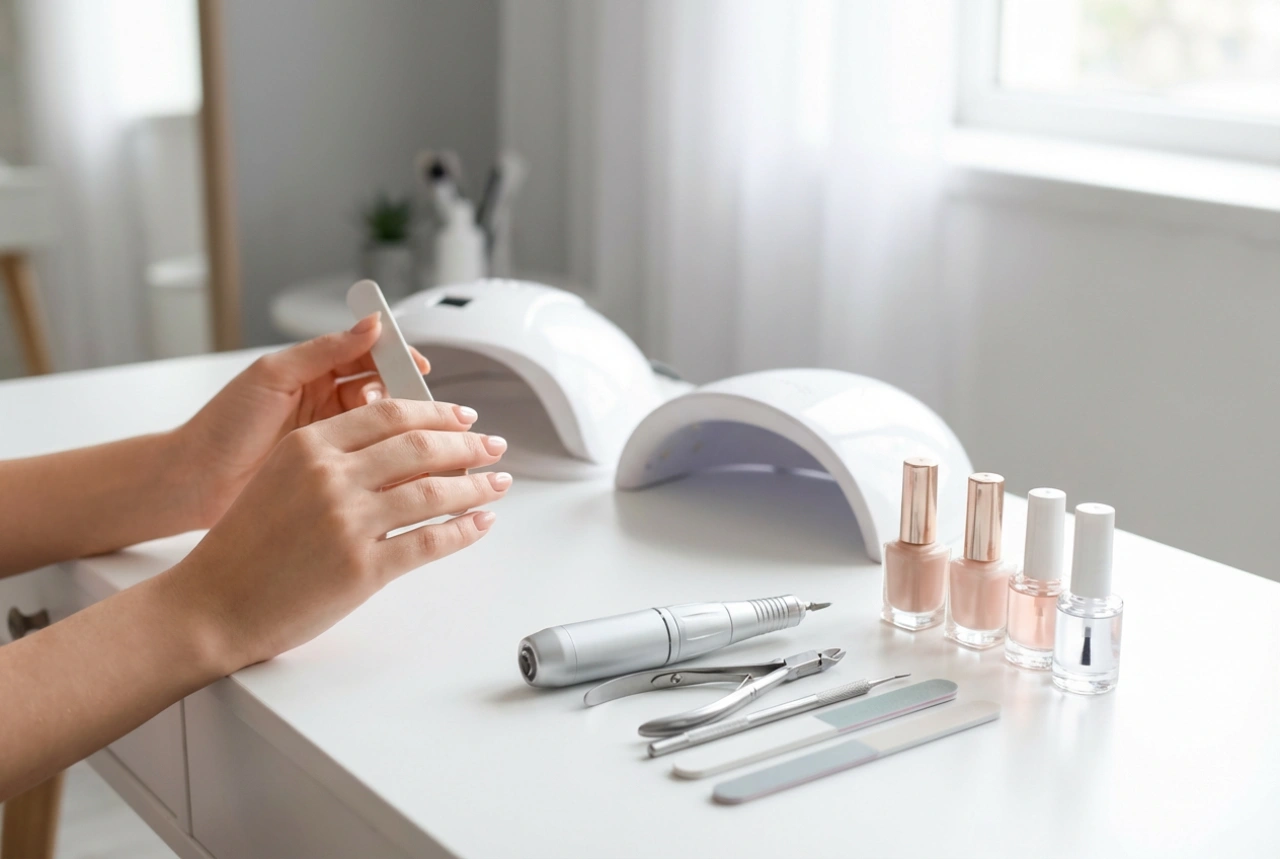
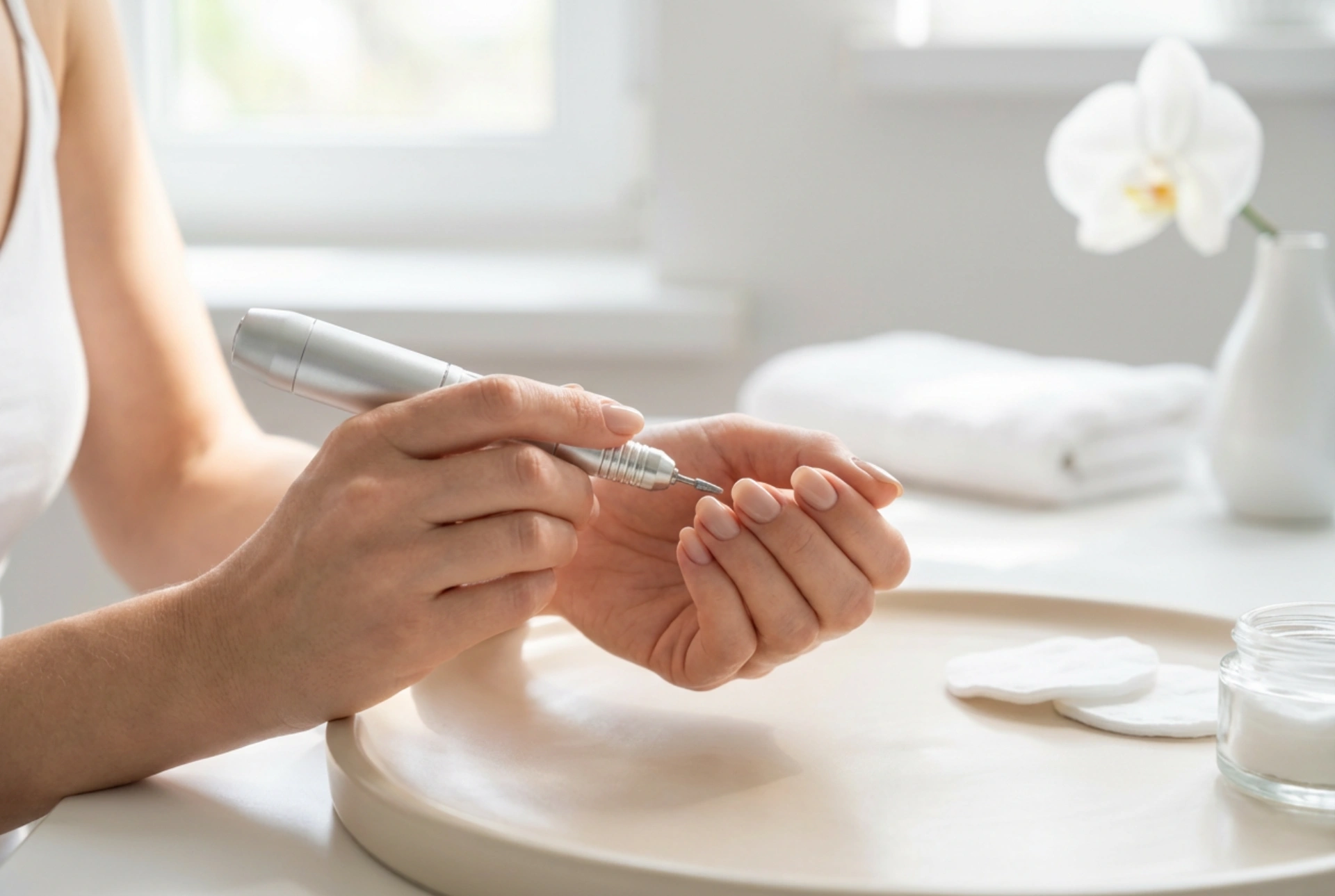
A mini nail drill, also known as an electric nail file, is a compact, motorised tool designed for detailed nail work. It comes with various interchangeable attachments, called bits, each serving a specific purpose. Unlike their larger, more powerful professional counterparts, mini drills are designed with the home user in mind. They typically have lower speeds and are more lightweight, making them easier and safer to handle for personal use. They are ideal for shaping nails, tidying cuticles, smoothing the nail surface, and even removing gel polish or acrylic overlays carefully.
Choosing the Right Tool for Home Use
When considering a mini nail drill, it's important to look for features that prioritise safety and ease of use for a non-professional. Here are a few key aspects to consider:
Key Features
- Adjustable Speed Settings: This is crucial. A good mini drill for home use should have multiple speed settings, allowing you to start slow and increase the speed only as you gain confidence and skill. Low speeds are essential for delicate work around the cuticles and on the natural nail.
- Variety of Bits: A basic set of drill bits will cover most home-manicure needs. Look for a kit that includes fine-grit bits for natural nails and cuticle work, as well as slightly coarser bits for shaping or removing product. Common bits include barrel bits for surface work, cone-shaped bits for under the nail and sidewalls, and pointed bits for detailed cuticle care.
- Rotation Direction: Some drills offer the ability to change the rotation direction (forward and reverse). This is particularly useful as it allows you to comfortably work on both your right and left hands from different angles.
- Corded vs. Cordless: Cordless models offer greater freedom of movement, but you'll need to ensure they are charged. Corded models provide consistent power but can be slightly more restrictive. The choice depends on your personal preference and workspace.
How to Safely Use a Mini Nail Drill at Home
Patience and a gentle touch are your best friends when first using a mini nail drill. Always start on the lowest speed setting and practice on a nail tip or a single nail until you feel comfortable with the tool's feel and power.
Step-by-Step Guide
- Preparation: Start with clean, dry hands and nails. Ensure your workspace is well-lit and stable. Select the appropriate drill bit for the task you're about to perform and secure it in the drill according to the manufacturer's instructions.
- Holding the Tool: Hold the drill like a pencil for maximum control. Rest your hand on a stable surface to prevent slipping.
- Cuticle Care: To tidy cuticles, use a fine, pointed bit on the lowest speed setting. Gently glide the bit along the cuticle line to push back and remove non-living tissue. Never apply pressure to the nail plate or the living cuticle tissue (the eponychium).
- Shaping the Nail: Use a sanding band or a fine-grit barrel bit to shape the free edge of the nail. Keep the tool moving continuously and file in one direction to avoid weakening the nail.
- Removing Gel Polish: This requires caution. Use a coarser bit to gently file away the shiny top coat and the bulk of the colour. It is advisable to leave a thin layer of the base coat on the natural nail to act as a protective barrier. Avoid filing down to the natural nail plate, as this can cause damage. Soak off the remaining product with an appropriate remover.
- Finishing Touches: After filing, your nails may have some dust or rough patches. Use a soft buffing bit on a low speed to smooth the nail surface. Finally, wash your hands and apply a nourishing cuticle oil and hand cream.
Common Mistakes to Avoid
To ensure your nails remain healthy, be mindful of these common errors:
- Using Too Much Speed or Pressure: This is the most common cause of damage. It can create rings of fire (red, sensitive marks on the nail) and thin the nail plate. Always be gentle.
- Holding the Bit in One Spot: Keeping the spinning bit in one place for too long will generate heat due to friction, which can be uncomfortable and damaging to the nail. Keep the tool moving at all times.
- Using the Wrong Bit: Using a bit that is too coarse for the natural nail can cause scratches and thinning. Always use the finest grit necessary for the job.
- Neglecting Hygiene: Clean your drill bits after every use with a suitable disinfectant to prevent the transfer of dirt and bacteria.
With practice and a commitment to safety, a mini nail drill can become an indispensable part of your nail care arsenal, helping you maintain beautiful nails between salon visits or completely take over your manicure routine.