

A vibrant, colourful manicure can be a wonderful form of self-expression and a beautiful accessory to any look. Achieving that flawless, salon-quality finish at home, with rich colour and impressive durability, is entirely possible with the right techniques. From preparing the nail plate to applying the final glossy top coat, each step plays a crucial role in creating a stunning and long-lasting result. This guide will walk you through the process of mastering colourful nail polishes, ensuring perfect coverage, harmonious colour combinations, and a finish that endures.
Achieving Full and Even Coverage
The key to a professional-looking manicure is achieving opaque, streak-free colour. The pigmentation of polishes can vary, with pastels and neons often requiring more attention than darker, richer shades. Following a structured application process is essential for success.
Preparation and Base Coat
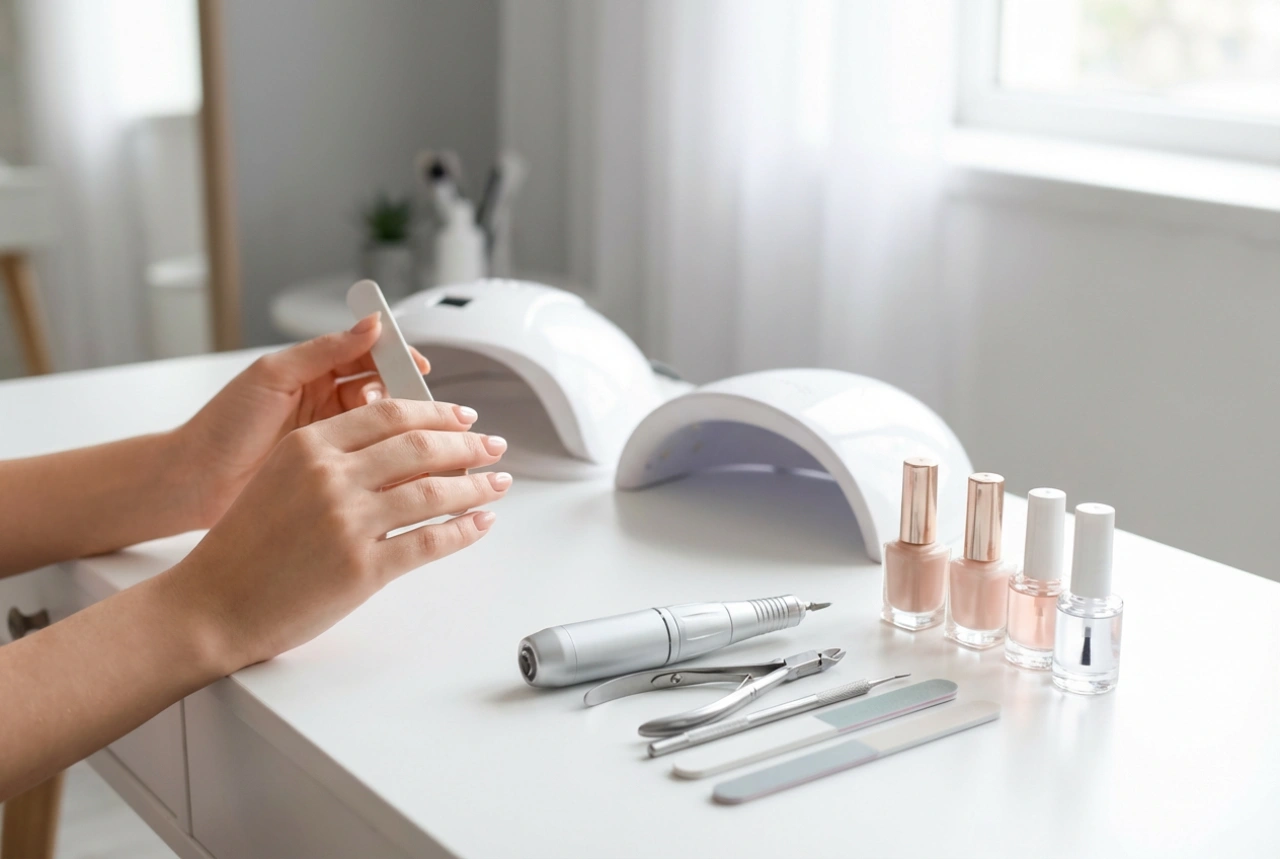
Always begin with clean, dry nails. Gently push back your cuticles and shape your nails with a file. Lightly buffing the nail surface can create a smoother canvas for the polish to adhere to. Before applying any colour, use a quality base coat. A base coat serves multiple purposes: it protects your natural nails from staining, helps the polish adhere better, and provides a smooth foundation, which contributes to a more even colour application.
Applying in Thin Layers
The secret to avoiding streaks, bubbles, and a thick, gloopy finish is to apply the polish in thin, even layers. Load your brush with a moderate amount of polish, wiping off any excess on the inside of the bottle's neck. Start your stroke in the centre of the nail, slightly away from the cuticle, push gently towards the cuticle line, and then pull the brush straight down to the tip. Follow with a stroke on each side to cover the entire nail. Allow each layer to dry for at least a couple of minutes before applying the next. Most colourful polishes will require two to three thin coats to achieve full opacity.
The Art of Combining Colours
Playing with different colours is one of the most creative aspects of a manicure. Whether you prefer a subtle harmony or a bold contrast, understanding a few basic principles can help you create visually appealing combinations.
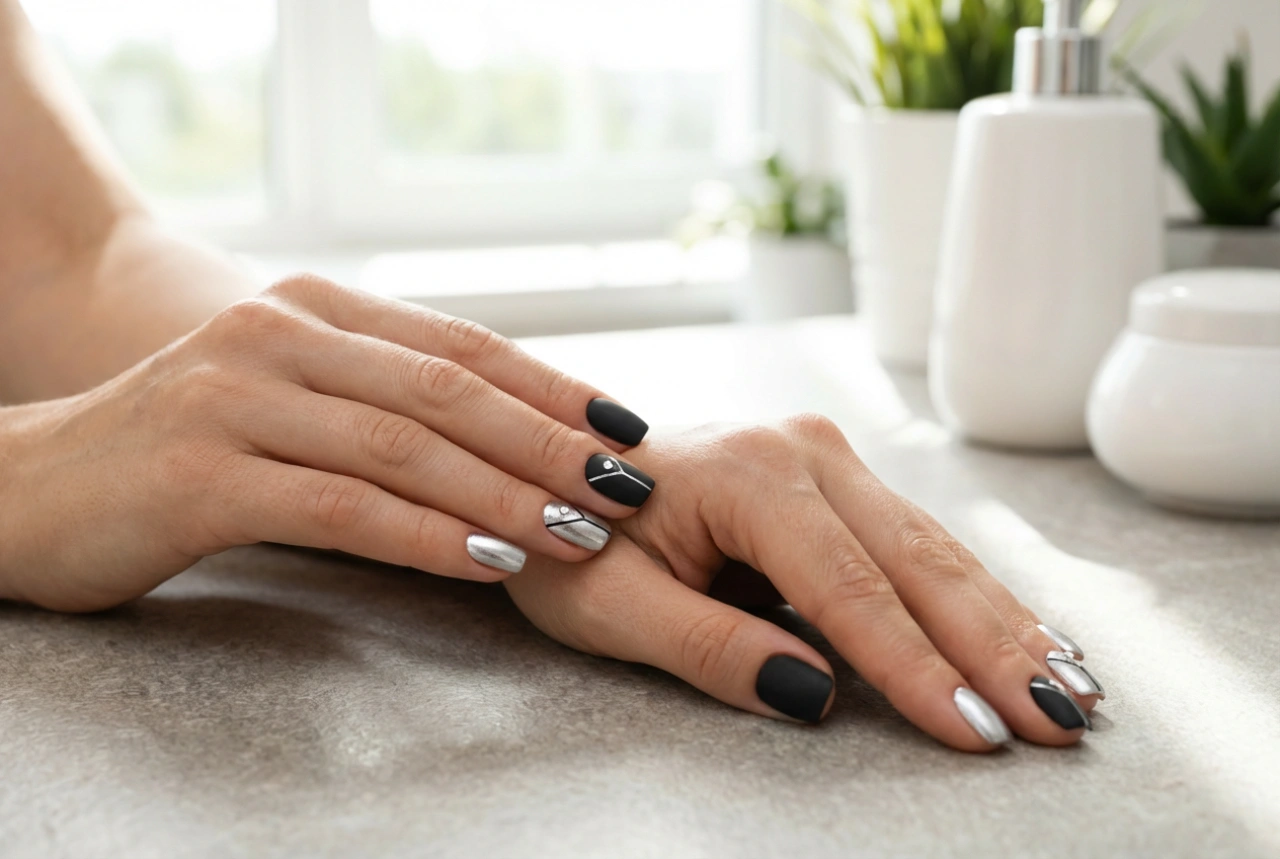
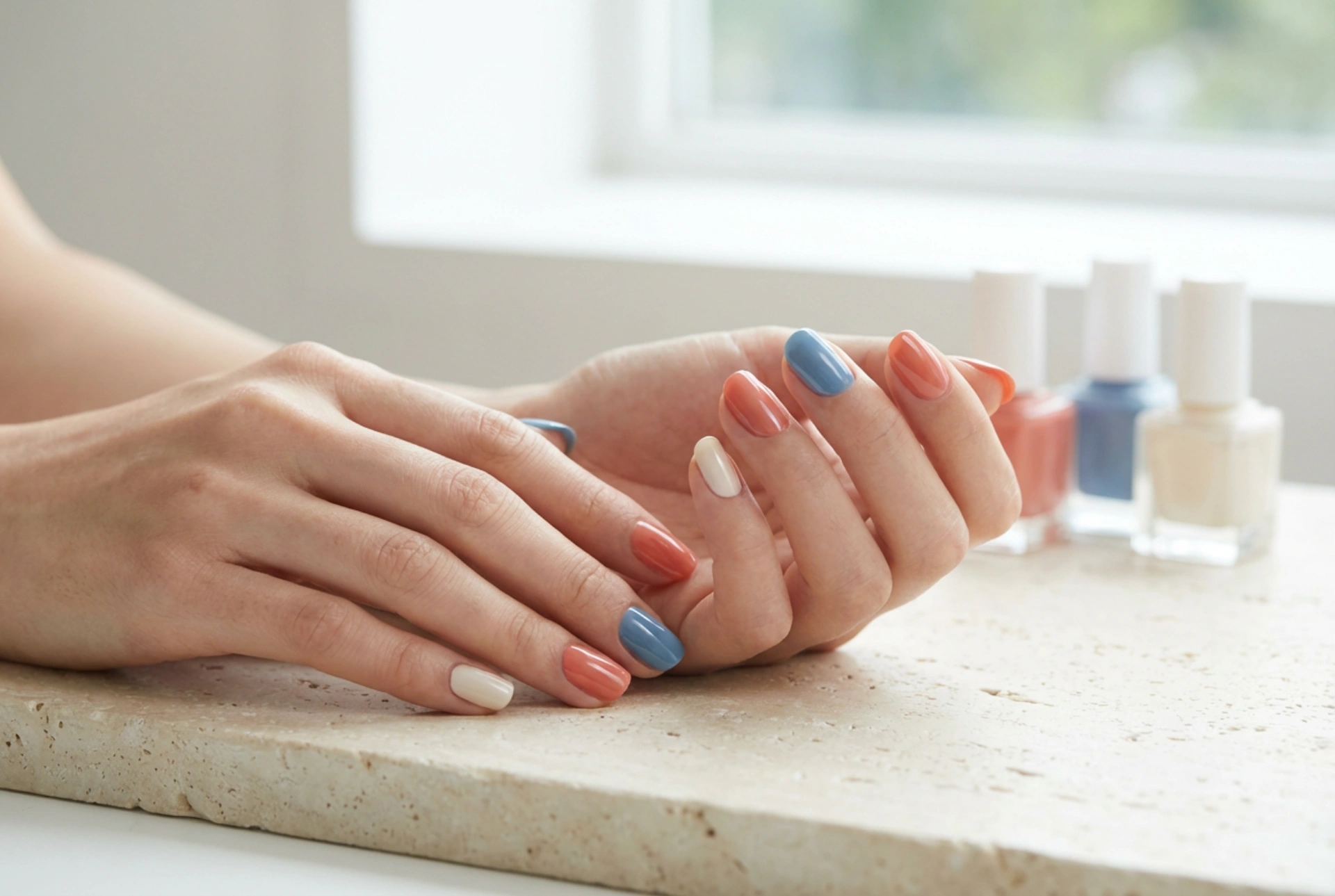
- Accent Nail: This is a simple yet effective technique. Paint one nail on each hand (traditionally the ring finger) a different, complementary, or contrasting colour to the others. For example, pair soft pinks with a single glittery gold nail, or a set of navy blue nails with a crisp white accent.
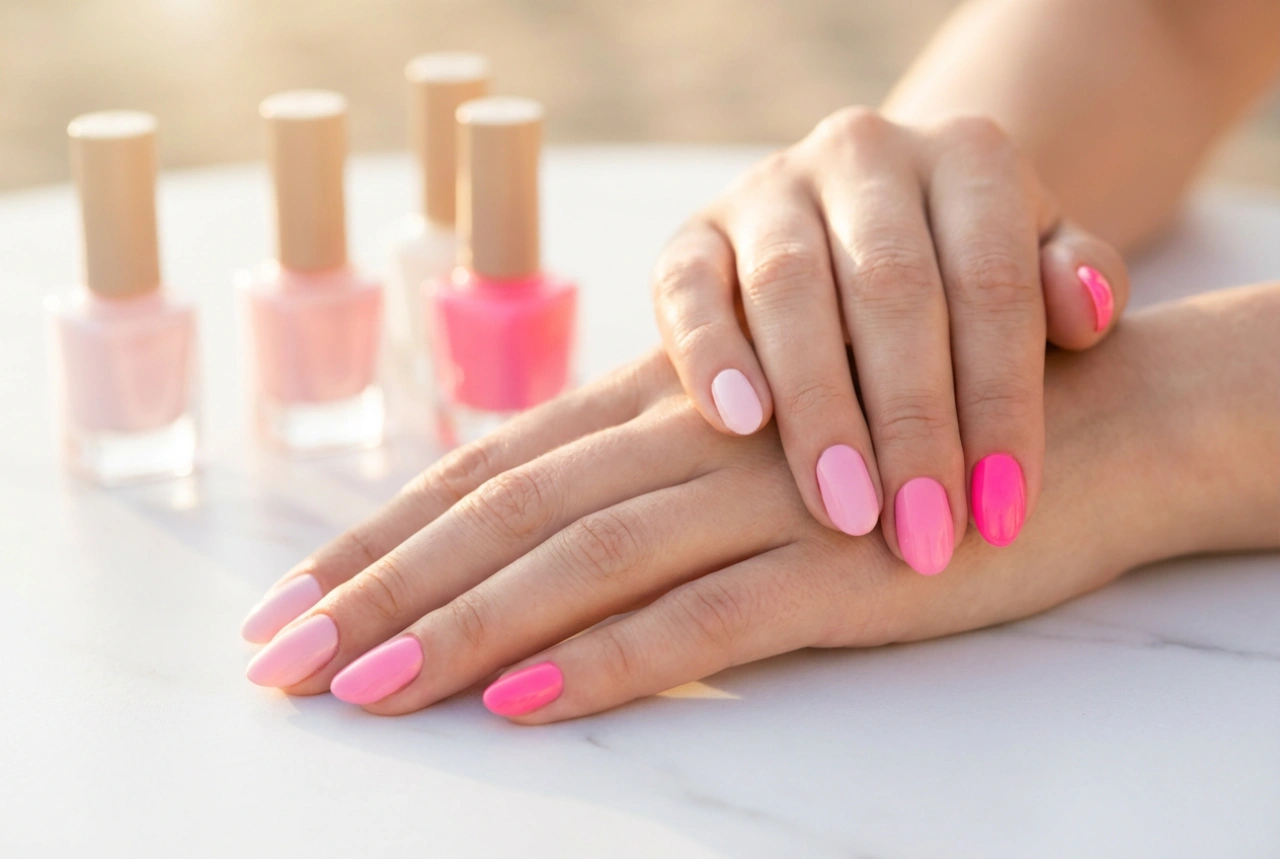
- Gradient (Ombré): A gradient effect involves blending colours from light to dark across one or all nails. For a simple version, you can paint each nail a slightly different shade of the same colour family, creating a subtle transition from your thumb to your little finger.
- Colour Harmonies: Use a colour wheel for inspiration. Complementary colours (opposites on the wheel, like blue and orange) create a bold, high-impact look. Analogous colours (next to each other on the wheel, like blue and green) produce a more serene and harmonious effect. Triadic colour schemes (three evenly spaced colours) offer a vibrant and balanced palette.
Ensuring a Durable and Glossy Finish
A beautiful manicure is only as good as its longevity. Preventing chips and maintaining a high-gloss shine requires attention to the final, crucial steps of the process and proper aftercare.
The Importance of a Top Coat
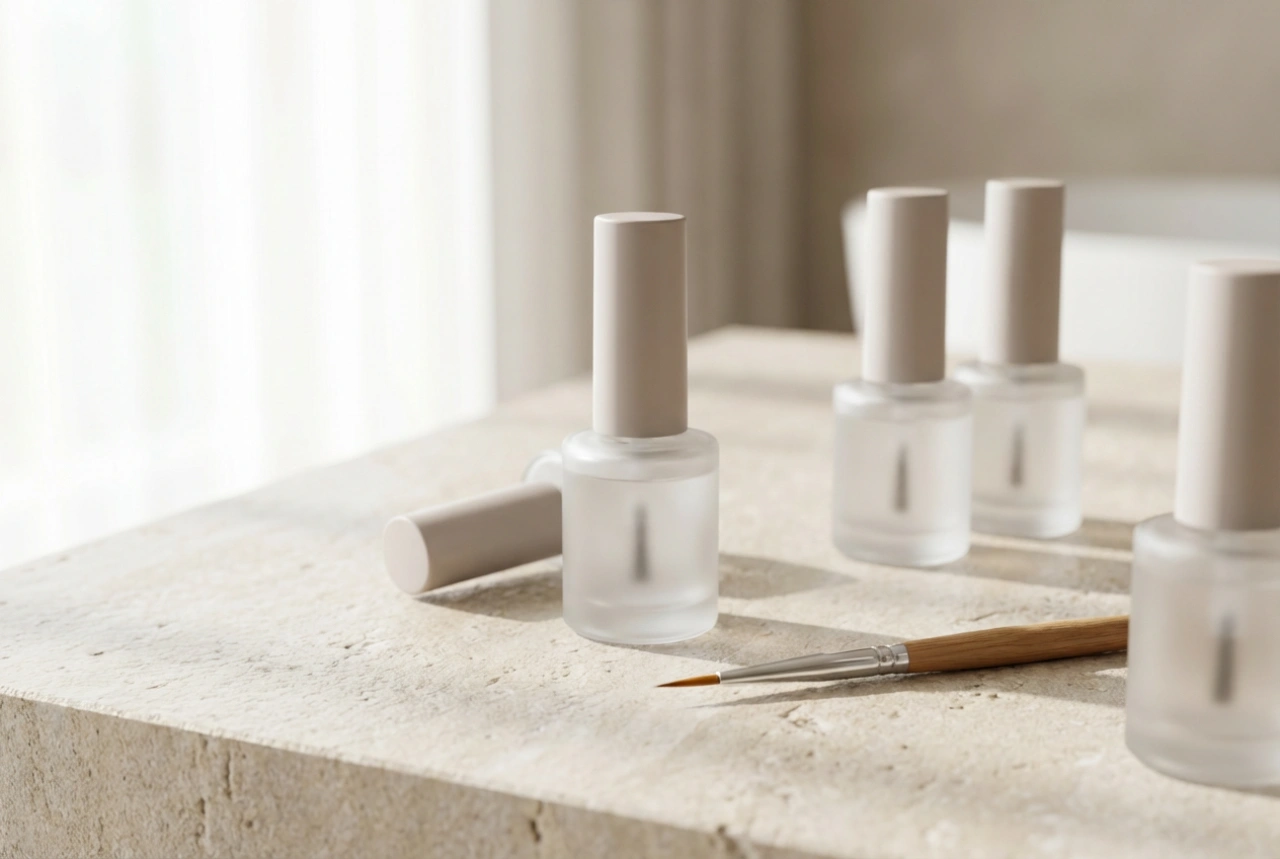
Never skip the top coat. A good top coat is essential for several reasons: it seals in the colour, protects against chips and scratches, accelerates the drying process, and provides a brilliant, long-lasting shine. Apply the top coat just as you did the colour, in smooth, even strokes. A crucial technique is to 'cap' the free edge of the nail. To do this, swipe the top coat brush horizontally along the very tip of your nail. This creates a seal that significantly reduces the likelihood of chipping, which often starts at the nail's edge.
Patience and Aftercare
Even with a quick-dry top coat, nail polish takes time to fully harden. Be mindful of your hands for at least an hour after painting to avoid smudges and dents. To prolong the life of your manicure, apply a fresh layer of top coat every two to three days. This will refresh the shine and reinforce the protective barrier. Additionally, keep your cuticles and the surrounding skin hydrated by applying cuticle oil or hand cream daily. Hydrated nails are more flexible and less prone to breaking and chipping.