

Removing makeup at the end of the day is a crucial first step in any effective skincare routine. It's not just about wiping away foundation and mascara; it's about clearing the canvas so your skin can breathe and subsequent products can work effectively. With various textures available, from watery liquids to solid balms, understanding the different types of makeup removers and how to use them correctly is essential for maintaining healthy, clear skin.
Understanding Different Types of Makeup Removers
The market offers a wide array of makeup removers, each with a unique formulation designed for different skin types and makeup styles. Choosing the right one depends on your personal preferences and needs.
Micellar Water
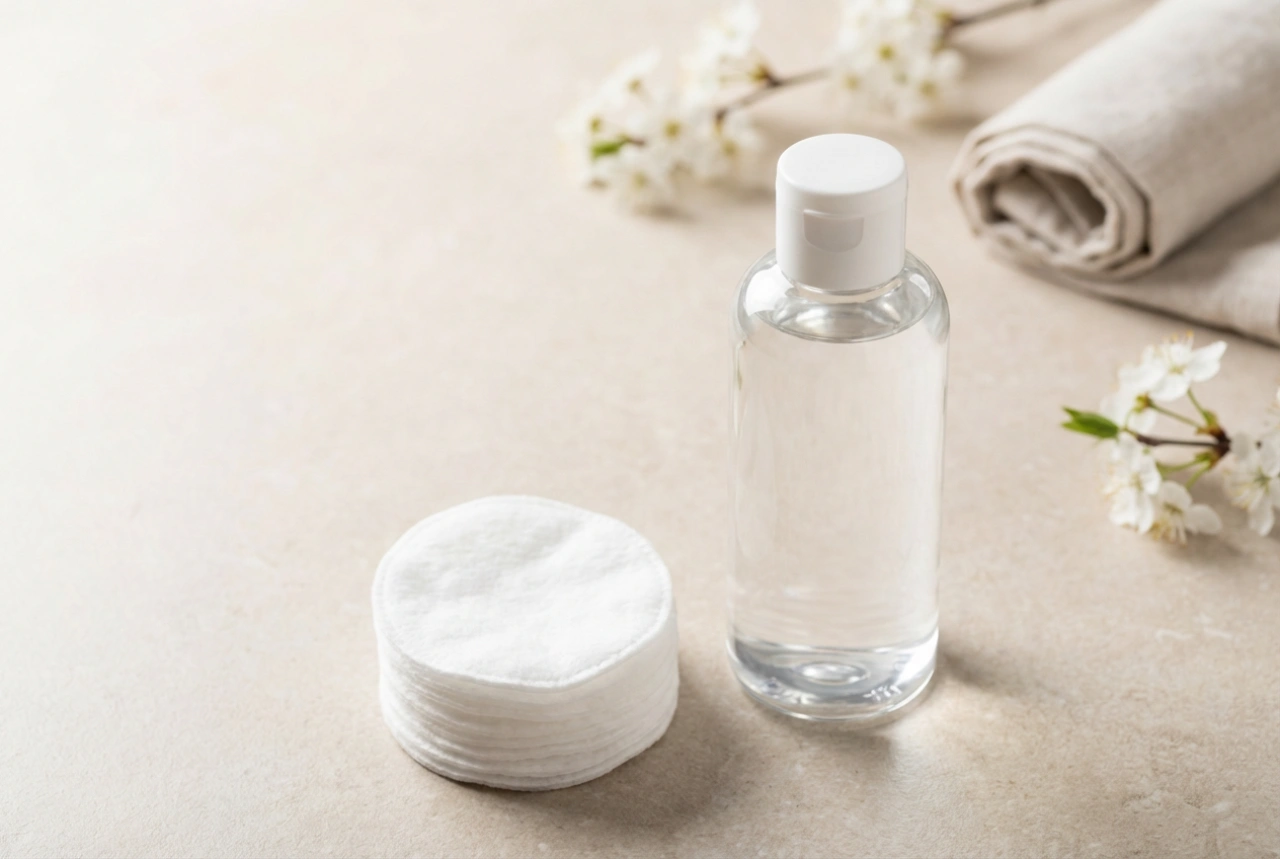
This is a water-based cleanser containing tiny oil molecules called micelles. These micelles attract dirt, oil, and makeup, pulling them away from the skin without stripping its natural moisture. It's incredibly gentle and ideal for light makeup removal or as a morning cleanse. It feels just like water and is typically applied with a cotton pad, requiring no rinsing.
Cleansing Oils
Based on the principle that 'like dissolves like', cleansing oils are highly effective at breaking down oil-based makeup, including waterproof mascara and long-wear foundation. They are suitable for all skin types, even oily skin, as they help dissolve excess sebum. They are applied to dry skin, massaged in, and then emulsified with water before being rinsed away completely.
Bi-Phase Removers
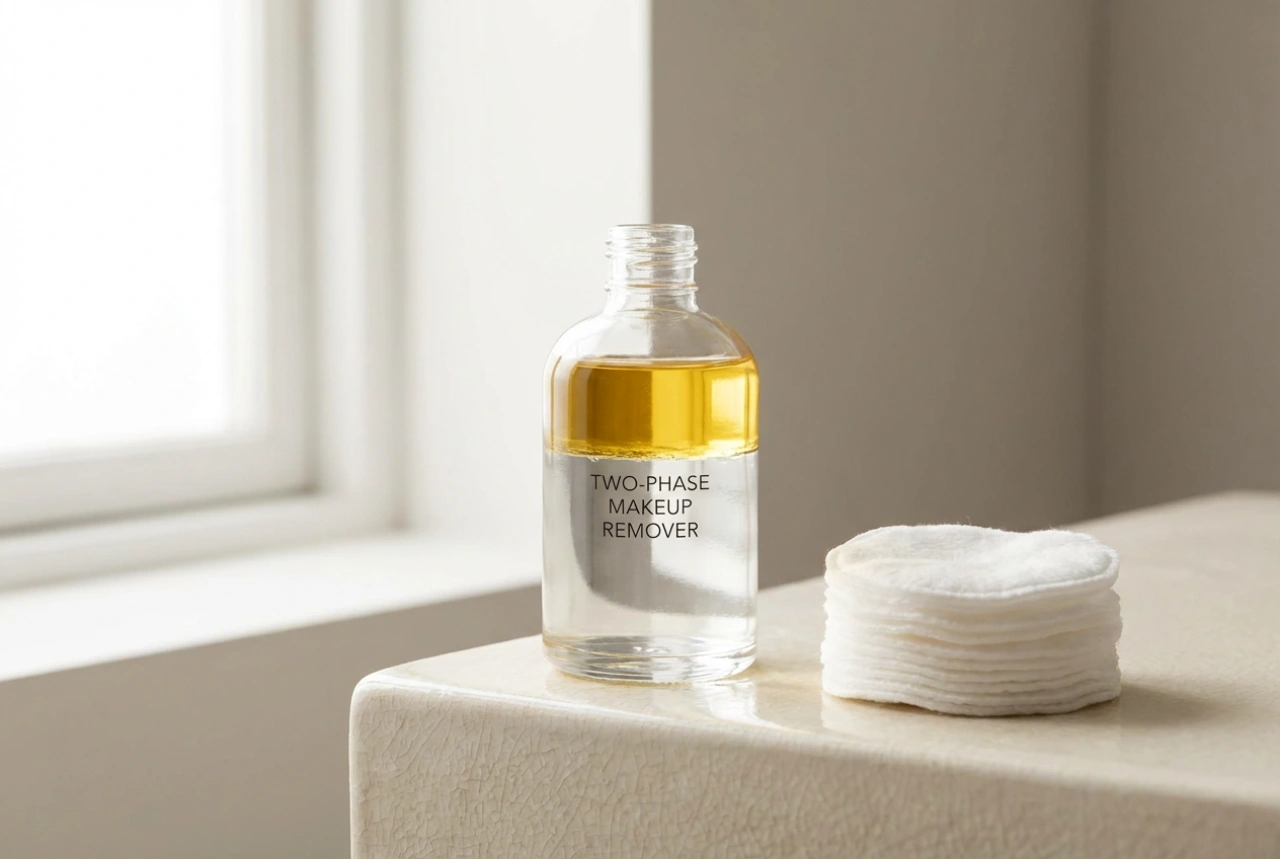
These removers consist of two parts: an oil layer and a water-based layer. Before use, the bottle must be shaken to mix the two phases. This combination makes them exceptionally powerful for dissolving stubborn, waterproof eye and lip makeup without excessive rubbing. They are best used for targeted removal in specific areas.
Cleansing Balms and Creams
Similar to oils, cleansing balms start as a solid or thick cream and melt into an oil upon contact with skin's warmth. They are excellent for dissolving heavy makeup and impurities while nourishing the skin. Like cleansing oils, they are massaged onto dry skin and rinsed off with water. They often provide a more luxurious and hydrating experience.
The Correct Application Technique for Each Type
How you apply your makeup remover is just as important as the product you choose. Incorrect techniques can lead to tugging on the skin or incomplete cleansing.
- For Micellar Water: Soak a cotton pad thoroughly. Press the pad gently against an area of your face (like your eyelid or cheek) for a few seconds to allow the micelles to dissolve the makeup. Then, wipe away gently in an outward motion. Avoid harsh rubbing.
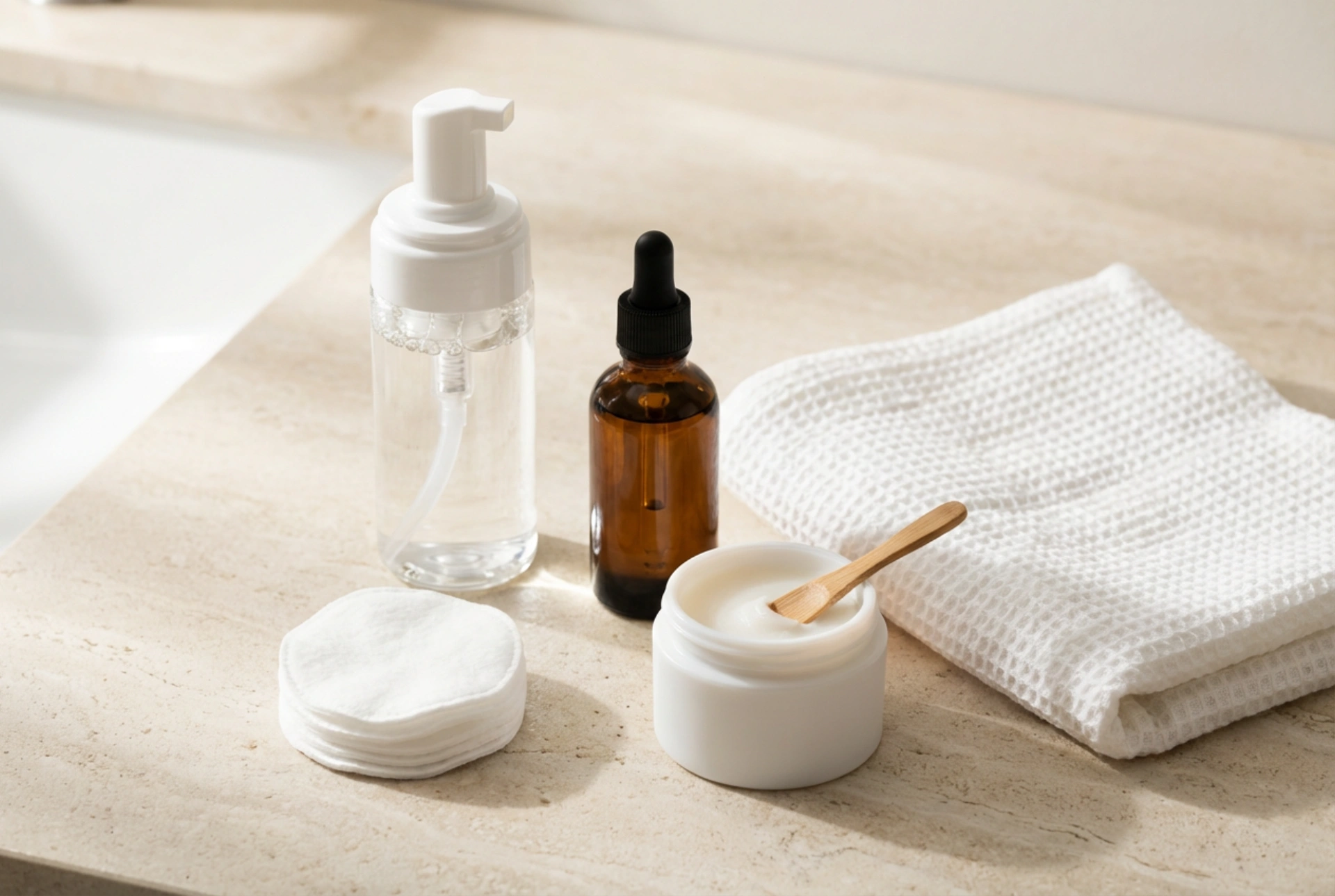
- For Cleansing Oils and Balms: Start with dry hands and a dry face. Scoop a small amount of balm or dispense a few pumps of oil into your palm. Massage it gently all over your face in circular motions for about a minute. This will melt the makeup. Then, wet your hands with lukewarm water and continue massaging to emulsify the product into a milky lather. Finally, rinse thoroughly.
- For Bi-Phase Removers: Shake the bottle vigorously to combine the oil and water layers. Immediately saturate a cotton pad with the solution. Hold the pad over your closed eye or lips for 10-15 seconds to let it break down the makeup. Gently wipe downwards or outwards. Do not scrub back and forth.
How Long Should Makeup Remover Stay on Your Skin?
A common misconception is that makeup removers are treatment products that need time to be absorbed. Their primary function is to dissolve and lift away impurities, not to be left on the skin for extended periods.
Rinse-Off vs. Wipe-Off Products
For rinse-off products like cleansing oils and balms, the 'contact time' is the duration of your massage, which is typically 30 to 60 seconds. This is enough time to dissolve makeup and sebum effectively. Leaving them on for longer provides no additional cleansing benefit and may lead to congestion for some skin types.
For wipe-off products like micellar water or bi-phase removers used on cotton pads, the contact time is even shorter. The goal is to hold the pad in place just long enough to dissolve the product (a few seconds) before wiping. Leaving a saturated cotton pad on the skin for minutes is unnecessary and can potentially cause irritation, as the surfactants designed to cleanse may dry out the skin if left for too long.
Common Mistakes to Avoid in Your Cleansing Routine
To get the most out of your cleansing step, be mindful of these common errors:
- Rubbing Too Hard: The skin, especially around the eyes, is delicate. Aggressive rubbing can cause irritation and contribute to premature signs of ageing.
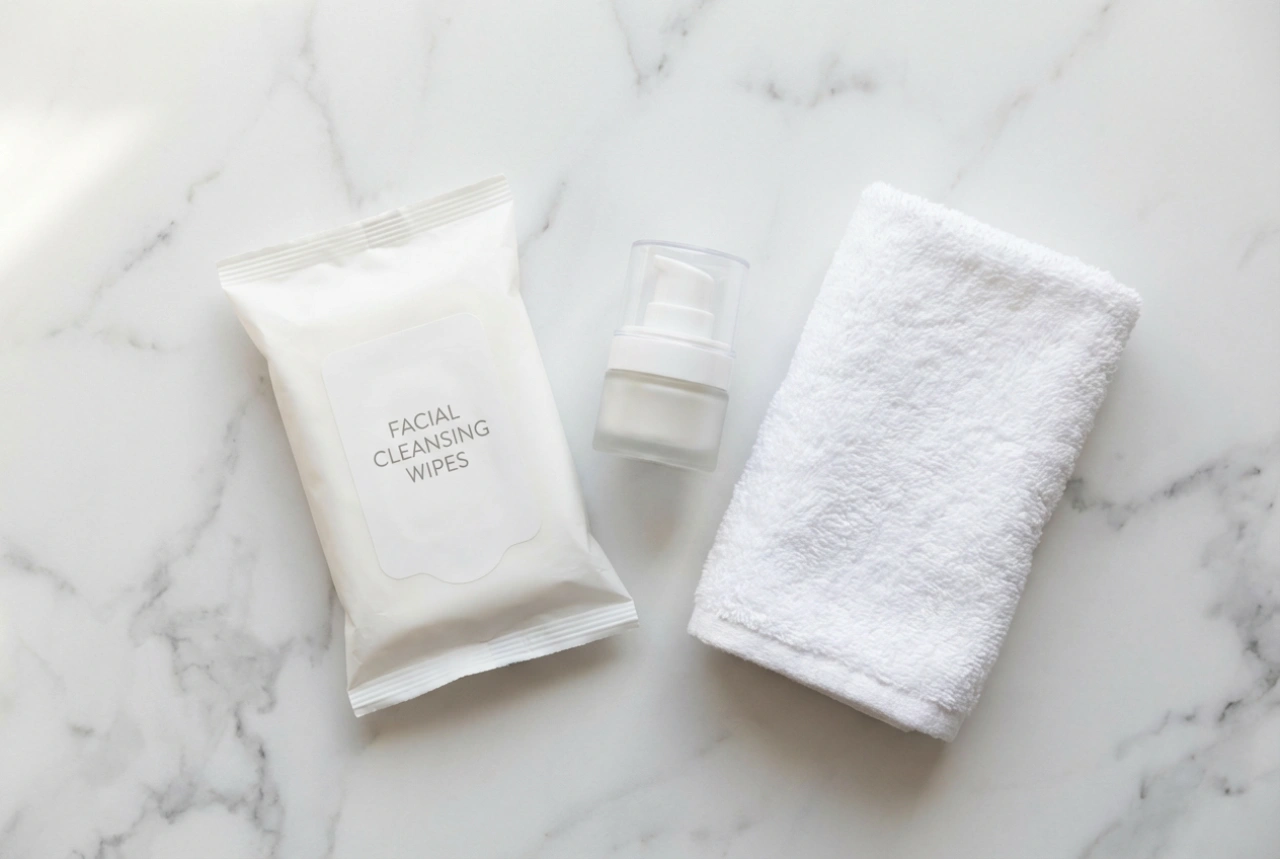
- Using Only Makeup Wipes: While convenient, wipes often smear makeup, dirt, and oil around the face rather than completely removing it. They can also contain preservatives that may irritate the skin if not rinsed off.
- Forgetting to Double Cleanse: After using an oil-based remover for makeup, it is beneficial to follow up with a gentle, water-based cleanser. This ensures that all residue from the makeup and the remover itself is washed away, leaving the skin perfectly clean.
- Neglecting the Hairline and Jawline: Makeup can accumulate in these areas, so be sure to extend your cleansing process all the way to the edges of your face and down your neck.