

Everyone desires strong, elegant nails that look healthy and well-maintained. However, the reality for many is dealing with the frustration of nails that peel, split, and break easily. This common issue, known as onychoschizia, can undermine your confidence and make even the simplest manicure look untidy. The good news is that splitting nails are often a result of external factors and care habits rather than a more serious concern. By understanding the common mistakes and adopting a consistent, gentle care routine, you can nurse your nails back to health and prevent future damage, achieving the resilient, beautiful nails you want.
Common Mistakes That Weaken Nails
Often, the root cause of splitting nails lies in our daily routines and how we treat our hands. Identifying and correcting these habits is the first and most crucial step towards stronger nails.
Incorrect Filing Technique
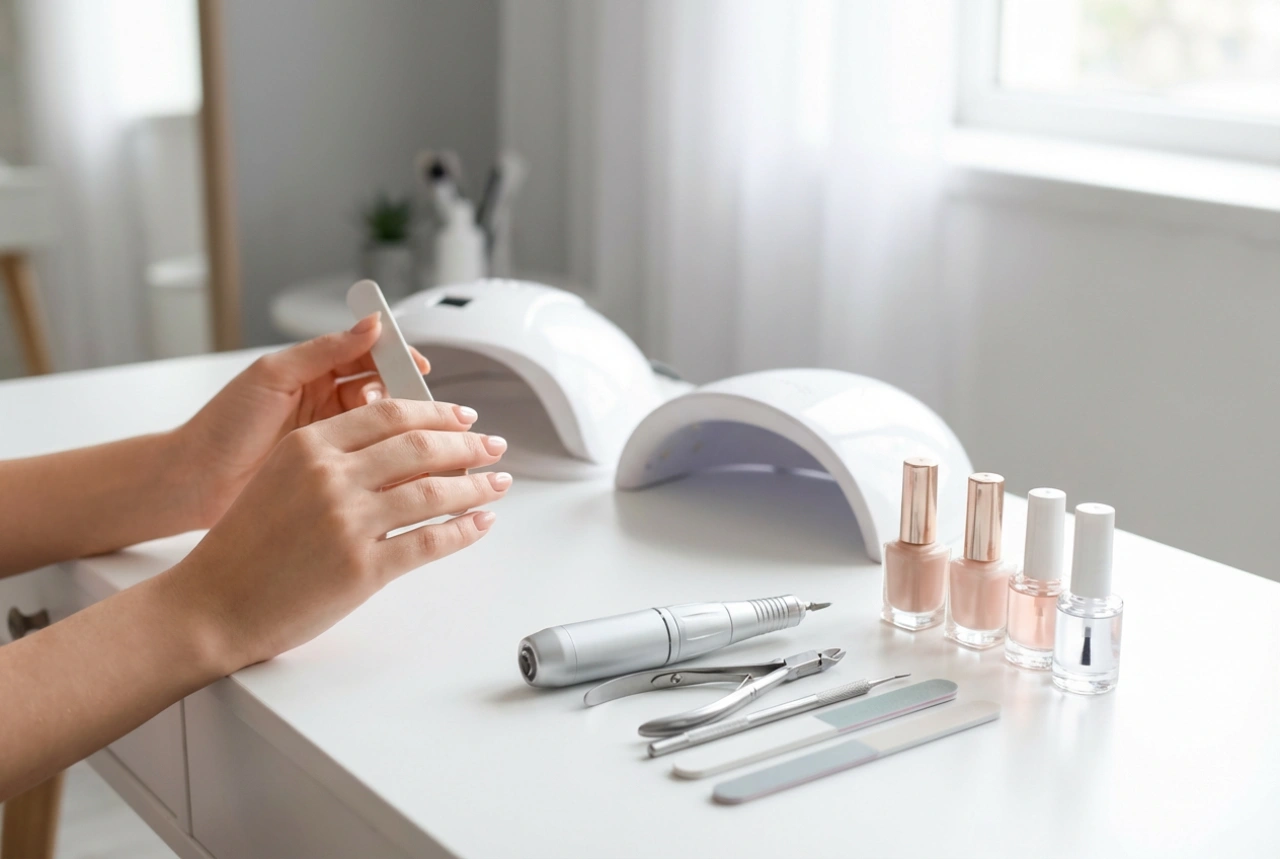
One of the most frequent errors is filing nails back and forth in a sawing motion. This aggressive action creates micro-tears and friction, weakening the nail's delicate layers and leading directly to peeling and splitting at the tip. The correct method is to file gently in one direction, from the outer edge towards the centre. Using a fine-grit file (240-grit or higher) is also recommended, as coarse files can be too harsh on natural nails.
Overexposure to Water and Chemicals
Nails are highly absorbent. Frequent and prolonged contact with water causes them to expand and contract as they dry, putting immense strain on the nail plate and separating its layers. This is exacerbated by household cleaning agents and detergents. Washing dishes, cleaning without gloves, or using harsh, acetone-based nail polish removers strips the nails of their natural oils, leading to severe dehydration, brittleness, and splitting.
Using Your Nails as Tools
It can be tempting to use your nails to scrape off a label, open a can of drink, or pry something open. This habit puts direct, forceful pressure on the nail tips. Your nails are not tools and are not designed to withstand this kind of stress. Each time you do this, you risk creating a small split that can worsen over time or causing an immediate break.
Effective Steps to Repair and Nurture Splitting Nails
Once you've identified the damaging habits, you can focus on repairing the existing splits and nourishing your nails back to a healthy state. Patience and consistency are key during this recovery phase.
Gentle Trimming and Buffing
If a nail is already splitting, it's best to trim it down slightly to prevent the split from travelling further down the nail bed. Use a sharp, clean nail clipper or scissors. Afterwards, you can very gently buff the surface of the nail with a soft, high-grit buffing block. The aim is not to thin the nail, but to smooth the peeling layers to stop them from catching on things and getting worse. Be extremely gentle and limit buffing to once or twice a month at most.
Intensive Hydration and Nourishment
Dehydrated nails are brittle nails. The solution is to provide them with intensive moisture. Incorporate a high-quality cuticle or nail oil into your daily routine, preferably one containing jojoba, almond, or vitamin E oil. Massage the oil into the entire nail plate, cuticle, and surrounding skin every evening before bed. This helps to restore flexibility and condition the nail. Additionally, using a hand cream regularly throughout the day, especially after washing your hands, will help maintain moisture levels.
Utilise a Strengthening Treatment
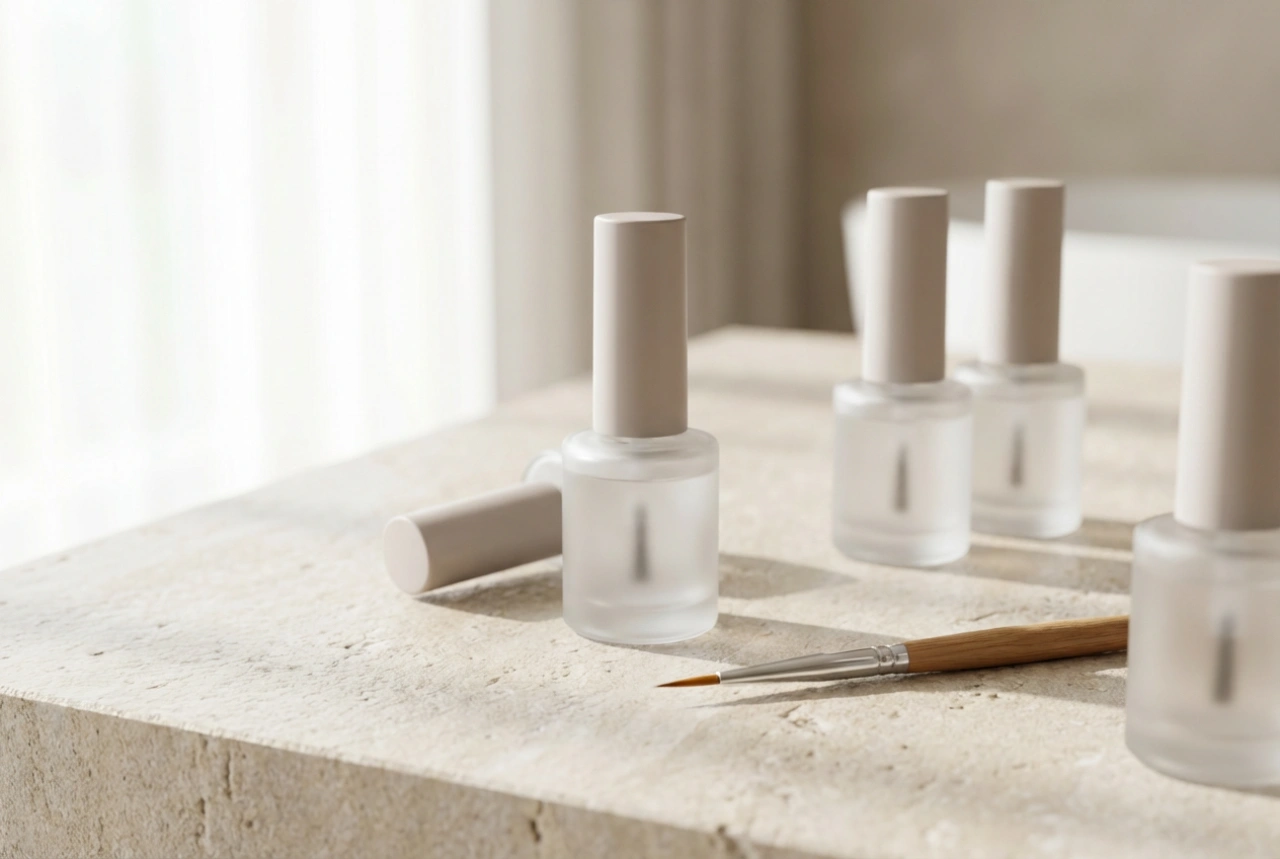
A good strengthening base coat can work wonders for splitting nails. Look for formulas designed to reinforce the nail plate. These products create a protective shield that helps to bond the nail layers together, reducing peeling and providing a barrier against water and physical damage. Apply a thin coat to clean, dry nails and reapply every few days as directed. Giving your nails a break from coloured polish for a week or two while using a treatment can also accelerate their recovery.
A Preventative Routine for Long-Term Nail Health
Preventing splits from happening in the first place is the ultimate goal. A proactive and consistent nail care routine will help you maintain strong, resilient nails for the long term.
Adopt Protective Habits
Make simple changes to your daily life. Always wear rubber gloves when washing dishes or using cleaning products. Be mindful of how you use your hands and avoid using your nails as tools. When typing, try to use the pads of your fingers rather than your nails. These small adjustments significantly reduce the daily wear and tear on your nails.
Establish a Weekly Manicure Ritual
Set aside time once a week for nail maintenance. Gently push back your cuticles after a shower (when they are soft), file your nails correctly in one direction, and apply your nourishing oil. This regular attention keeps them in optimal shape and allows you to catch any potential issues, like a small snag, before they become a major split.
Ultimately, achieving healthy, split-free nails is a marathon, not a sprint. It requires a shift in habits and a commitment to gentle, consistent care. By avoiding common mistakes, actively repairing damage with nourishing products, and adopting a protective daily routine, you can transform your nails from brittle and peeling to strong and beautiful.