

Achieving a sleek, smooth hairstyle often involves heat, but new innovations in hair care are changing the game. For those who love straight hair but worry about the potential for damage from high temperatures, air-powered straightening tools present a fascinating alternative. These devices harness the power of air to style and smooth the hair, offering a way to get the look you want while prioritising the health and integrity of your strands. This approach marks a significant shift from traditional methods that rely on direct contact with very hot plates.
What Are Air-Powered Hair Straighteners?
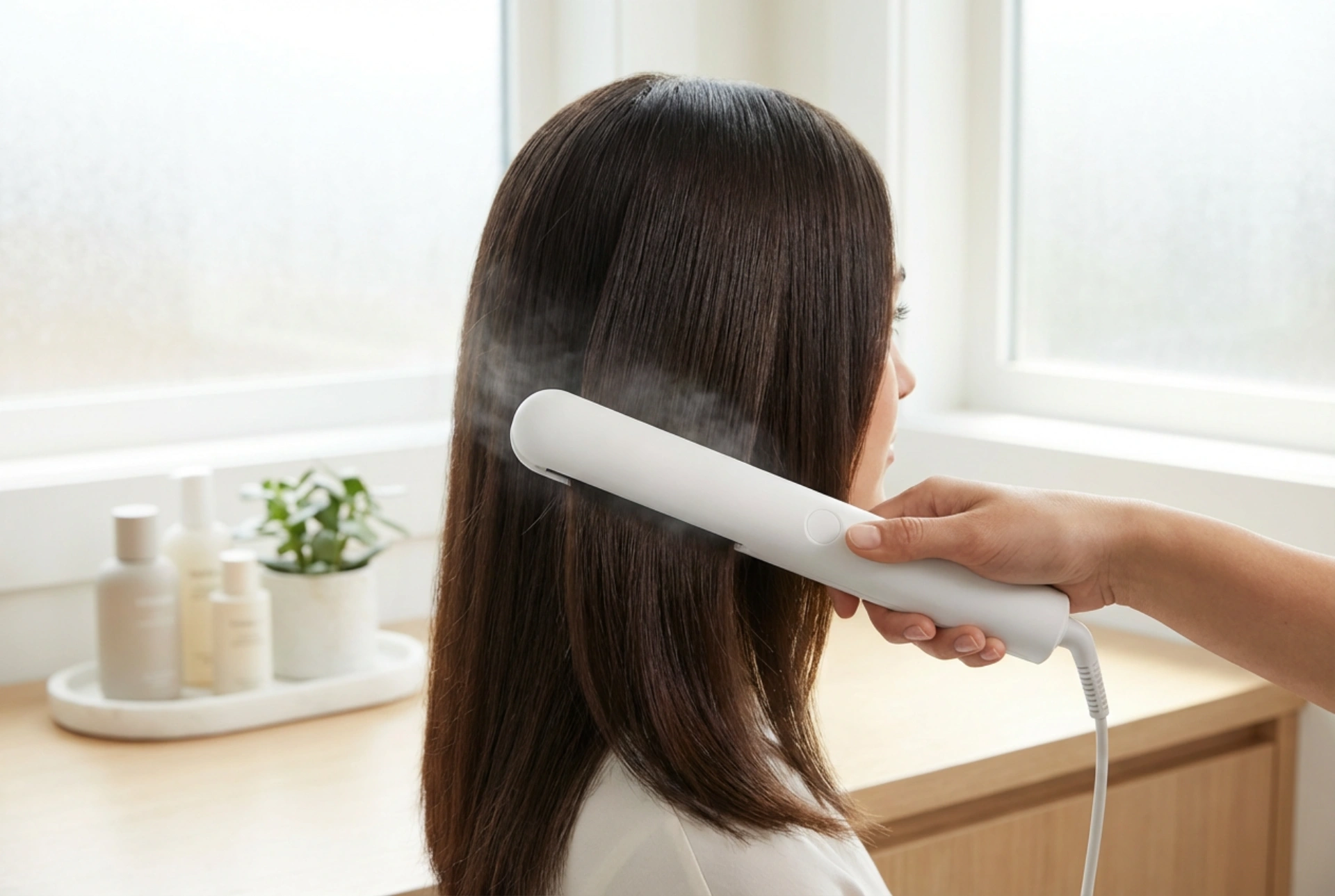
An air-powered straightener is a styling tool that uses a highly controlled, high-velocity jet of air to dry and straighten hair simultaneously. Unlike conventional flat irons that press hair between two heated plates reaching very high temperatures, these modern tools shape the hair with airflow. The core principle is to use force and temperature control, rather than extreme heat alone, to achieve a smooth finish. This technology styles hair as it dries, aligning each strand into a uniform, straight pattern without clamping it between scorching surfaces. Some models may incorporate very low heat to aid the process, but the primary straightening mechanism is the powerful and precisely directed air.
The Science Behind Airflow Styling
The effectiveness of air-powered straighteners lies in fluid dynamics. The tool draws in air, accelerates it through a motor, and then expels it through narrow apertures along its arms. As you pass a section of hair through the device, this focused sheet of air pushes downwards on the hair shaft.
How It Works
This process works on damp hair by simultaneously removing moisture and aligning the hydrogen bonds within the hair shaft into a new, straight configuration. It's akin to the technique a stylist uses with a powerful hairdryer and a brush, but it's consolidated into one easy-to-use device. The tension and direction provided by the airflow guide the hair cuticles to lie flat, which not only straightens the hair but also significantly enhances its natural lustre and shine. By styling from a wet or damp state, the tool works with the hair's natural structure as it dries, locking in the shape without 'baking' the strands.
Key Benefits for Hair Health and Styling
The main advantage of using an air-powered tool is the reduced reliance on extreme heat, which brings several benefits for long-term hair health and everyday styling convenience.
Minimised Heat Damage
Constant exposure to high temperatures can weaken the protein structure of hair, leading to dryness, brittleness, and split ends. Because air-powered stylers operate at significantly lower temperatures, they help preserve the internal moisture and strength of the hair. This makes them a gentler option, especially for those who style their hair frequently or have fine, colour-treated, or already compromised hair.
Efficiency and Convenience
Many air-powered tools are designed to be used on towel-dried, damp hair. This combines the drying and straightening steps into one, saving a considerable amount of time in your routine. Instead of blow-drying your hair first and then going over it with a flat iron, you can achieve a finished look in a single pass. This streamlined process is not only quicker but also reduces the hair's overall exposure to styling stress.
Enhanced Shine and Smoothness
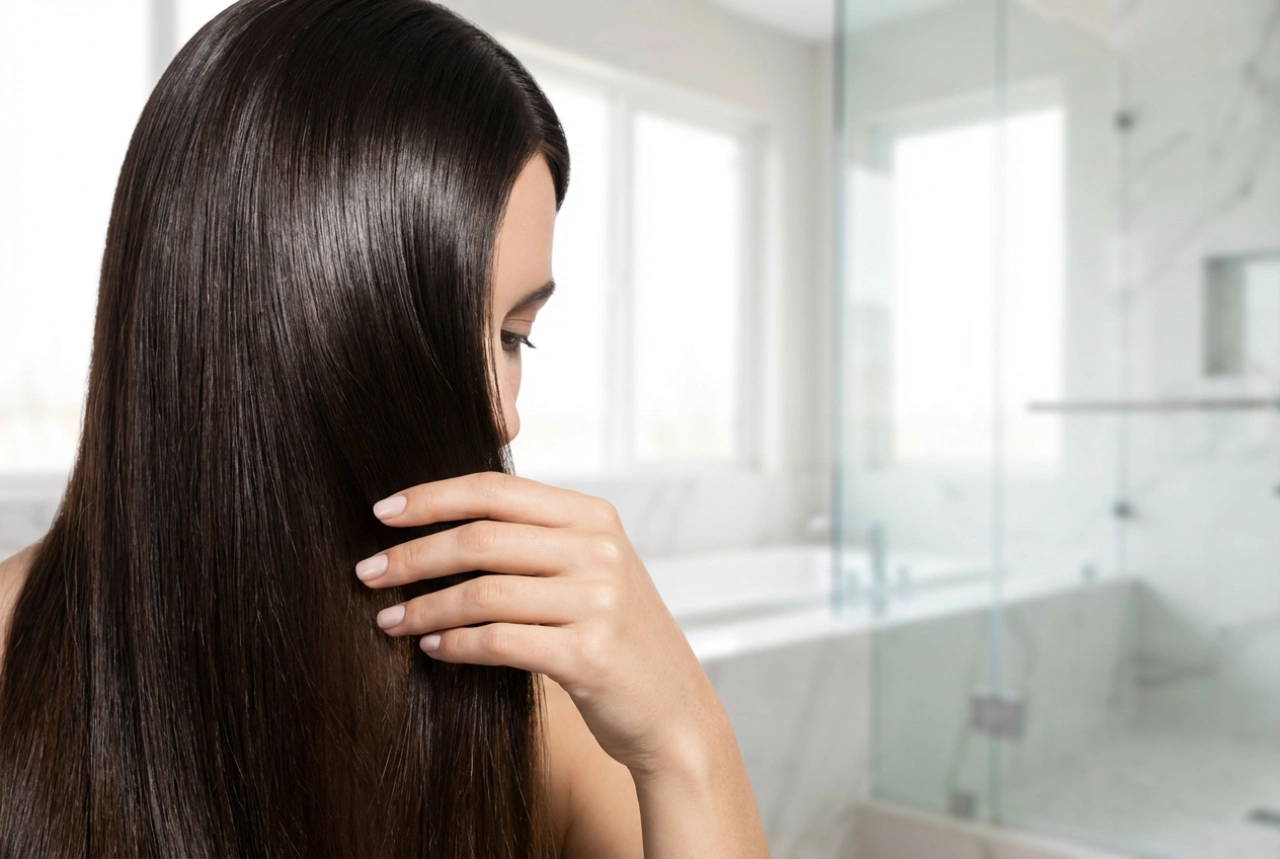
When hair is straightened with extreme heat, the cuticle can sometimes become rough or damaged. The airflow method, however, encourages the cuticles to lie flat and smooth. A smoother surface reflects light more evenly, resulting in a visibly glossier and healthier-looking finish. Hair feels softer to the touch and is less prone to frizz because the cuticle layer is properly sealed.
How to Use an Air-Powered Straightener for Best Results
To get the most out of this technology, it is important to follow the correct technique. Proper preparation and use will ensure a beautiful, long-lasting style.
- Start with Clean, Damp Hair: For optimal results, use the tool on freshly washed, towel-dried hair. Your hair should be damp, not dripping wet. Gently comb through to remove any tangles.
- Section Your Hair: Divide your hair into manageable sections. Working with smaller sections ensures that the airflow can penetrate and style every strand evenly, from root to tip.
- Slow and Steady Glide: Position a section of hair within the tool's arms and glide it slowly downwards. Let the air do the work. There's no need to apply pressure or clamp down hard. Maintain a consistent, slow pace for a uniform finish.
- Ensure Hair is Dry: Make sure each section is completely dry before moving on to the next. The style is set once the moisture is gone. If a section is still slightly damp, pass the tool over it again.
- Finishing Touch: Some devices have a 'cool shot' function that releases unheated air. Running this over your finished style can help to lock it in place for longer. You can also apply a lightweight finishing serum to add extra shine and tame any remaining flyaways.
Ultimately, air-powered straightening represents a thoughtful evolution in hair styling, offering a path to sleek, beautiful hair without the compromise on health. It's an excellent choice for anyone looking to modernise their routine and protect their hair from the effects of excessive heat.