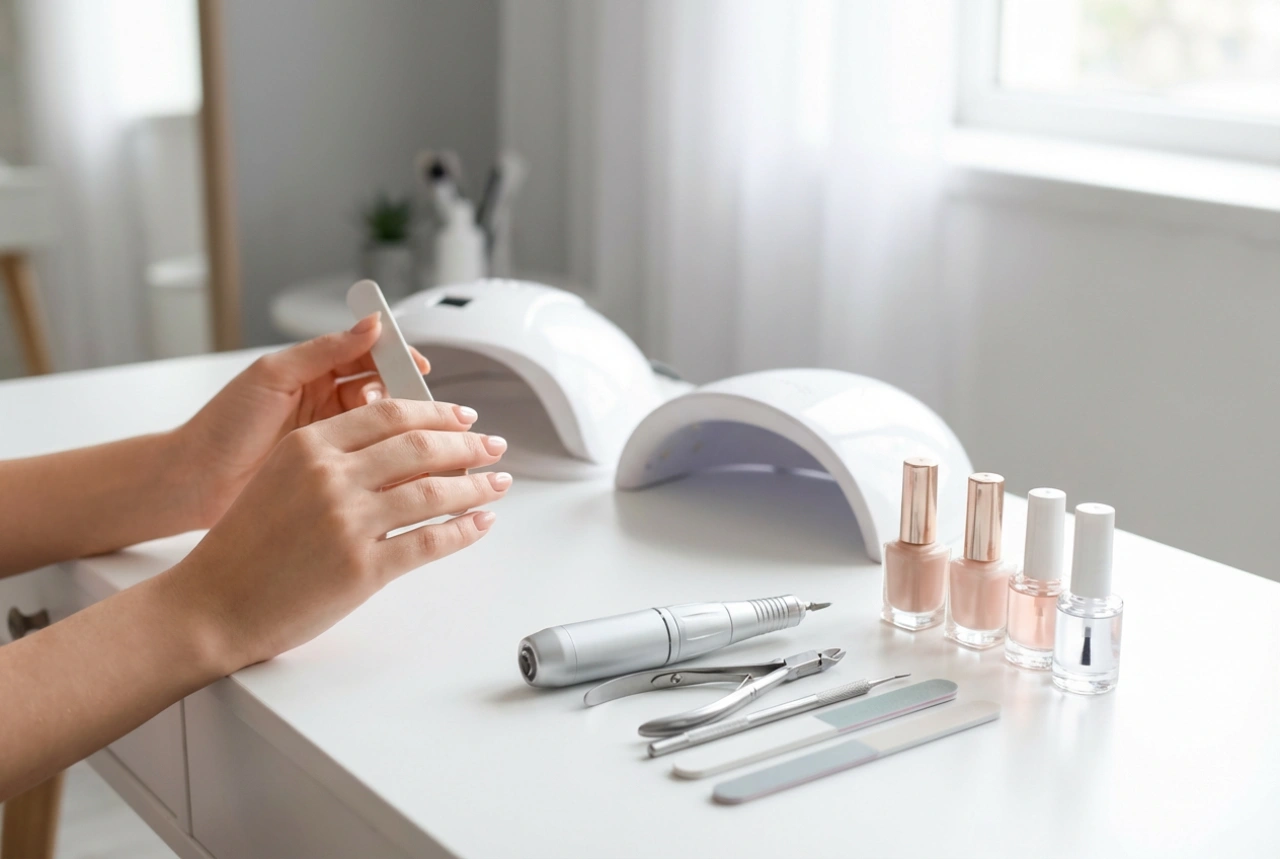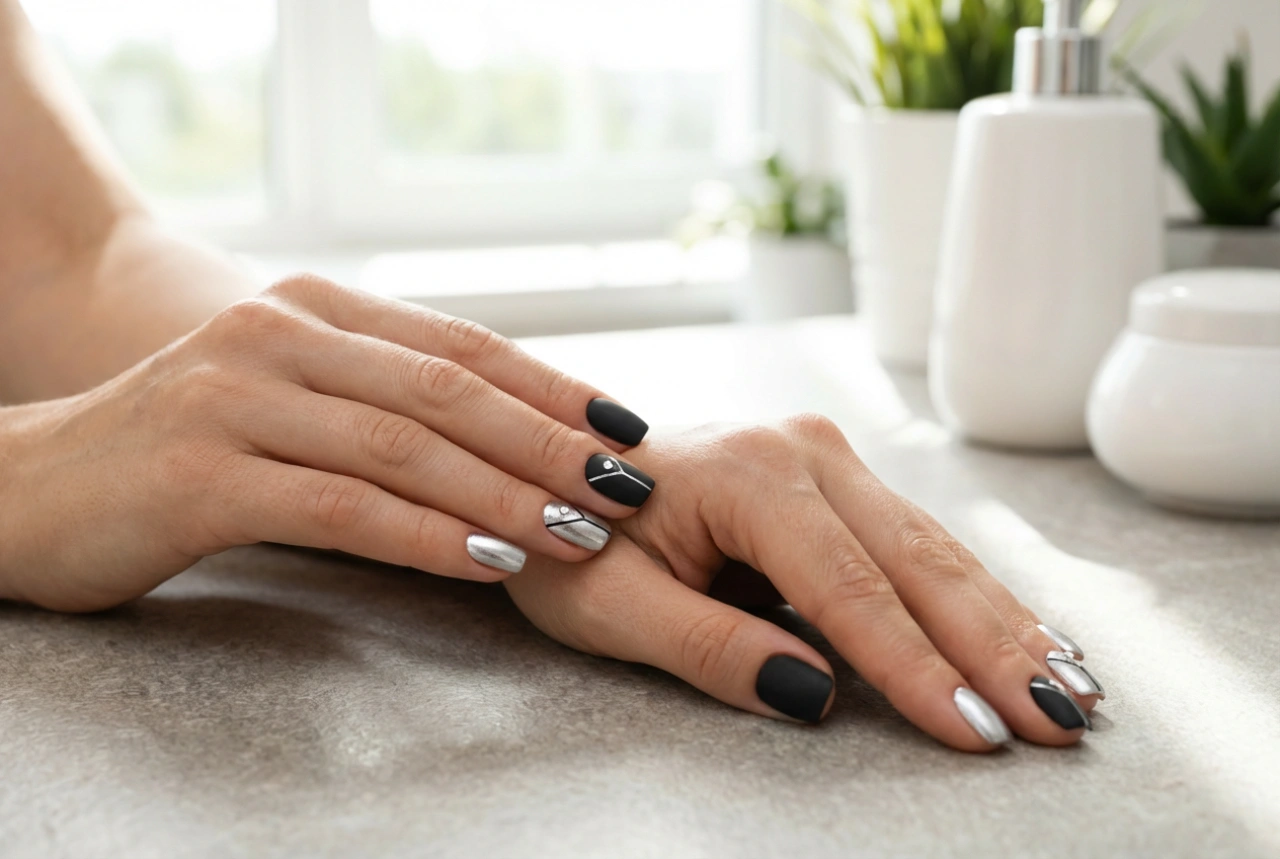


Achieving a flawless manicure at home begins with the right tools, and among the most essential is a high-quality pair of nail nippers. Their precision allows for careful shaping and trimming, but their effectiveness is intrinsically linked to how well they are maintained. Proper care, including regular cleaning and disinfection, is not just about prolonging the life of the tool; it's fundamental to ensuring a hygienic and safe grooming ritual for healthy, beautiful nails.
Choosing and Understanding Nail Nippers
Unlike standard clippers or scissors, nail nippers offer superior control and precision. Their design, which often features a spring-loaded handle and sharp, pointed jaws, is particularly well-suited for a variety of nail types. They are excellent for trimming thicker toenails or fingernails that require more careful shaping. The fine tips allow you to make small, deliberate cuts, reducing the risk of accidentally splitting or damaging the nail plate. Investing in a good quality pair made from stainless steel ensures durability and the ability to keep them hygienically clean for years.
A Step-by-Step Guide to Using Nail Nippers Correctly
Using nail nippers effectively requires a gentle hand and the right technique. Rushing the process can lead to uneven edges or cutting the nail too short. Following a structured approach will yield the best, most professional-looking results.
Preparation is Key
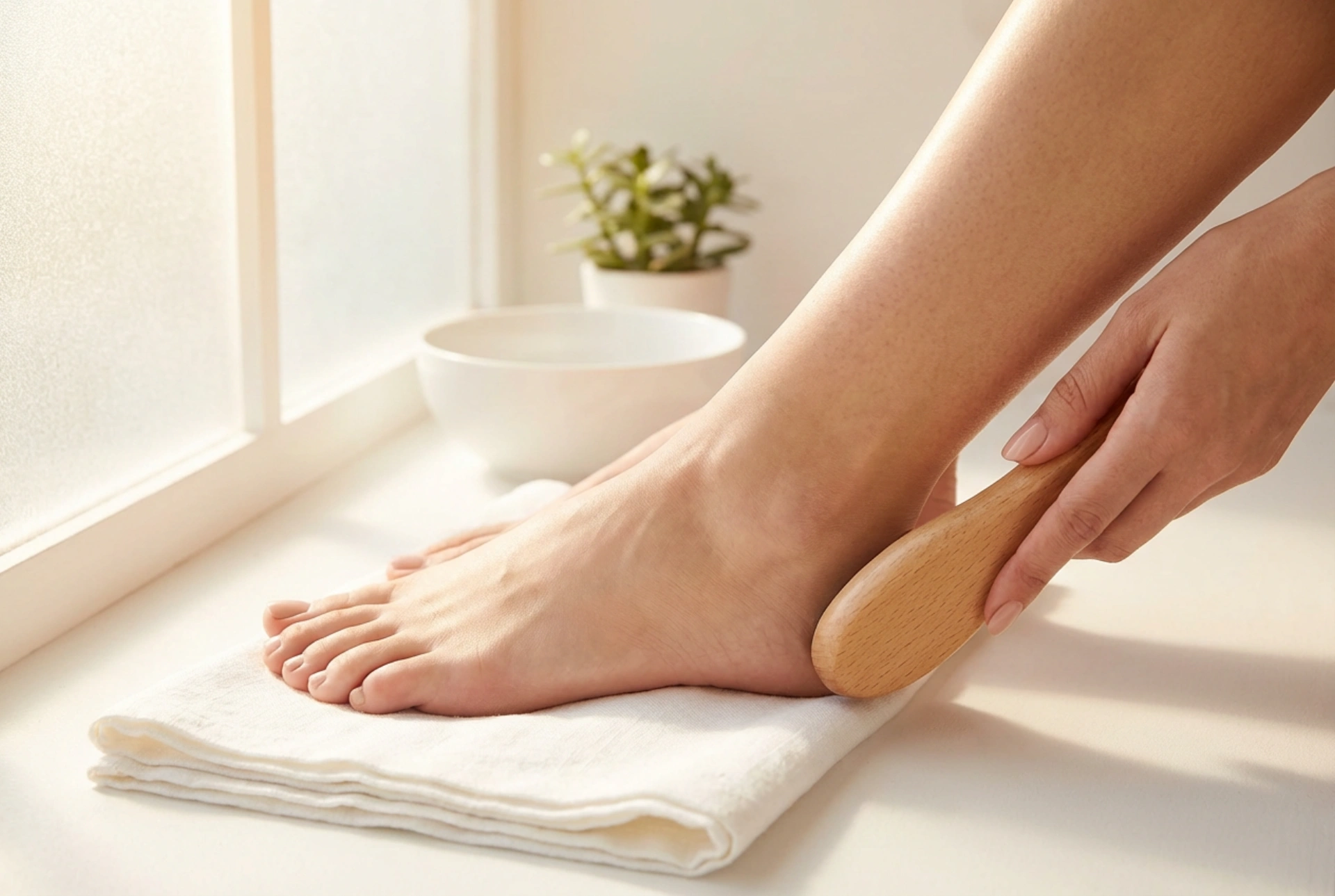
Before you begin trimming, it's beneficial to prepare your nails. Soaking your fingertips or toes in warm water for a few minutes will soften the nails, making them easier and safer to cut. This step helps prevent the nail from cracking or splitting during trimming. After soaking, dry your hands or feet thoroughly and ensure both your nails and the nipper blades are clean and free from any debris.
The Correct Cutting Technique
The goal is to trim the nail's length, not to reshape it entirely with the nippers. The final shaping should be done with a nail file. Follow these steps for a safe and precise cut:
- Hold the nippers comfortably in your dominant hand, ensuring a firm but relaxed grip on the handles.
- Start at one outer edge of the nail. Place the very tip of the nipper's jaw on the nail's free edge.
- Make a small, straight cut. Avoid trying to clip the entire nail tip in one go.
- Continue making a series of small, straight cuts as you move across the nail to the other side. This method gives you maximum control and prevents stress on the nail plate.
- Be cautious not to cut too close to the skin or the nail bed, as this can be uncomfortable and leave the area vulnerable.
- Once the length is trimmed, use a fine-grit nail file to smooth any sharp edges and gently shape the corners for a polished finish.
Essential Maintenance for Hygiene and Longevity
Proper maintenance is as important as the cutting technique itself. A clean, sharp tool works better and is crucial for a safe home manicure. Neglecting tool care can compromise your results and your nail health.
Cleaning After Every Use
Immediately after you've finished trimming your nails, take a moment to clean your nippers. Use a small, stiff brush (an old, clean toothbrush works well) to scrub away any nail dust and skin debris from the jaws and hinge. Rinse the tool under warm running water and dry it completely with a clean, soft cloth. Leaving moisture on the tool can lead to rust and damage, especially in the hinge mechanism.
Disinfection for Complete Safety
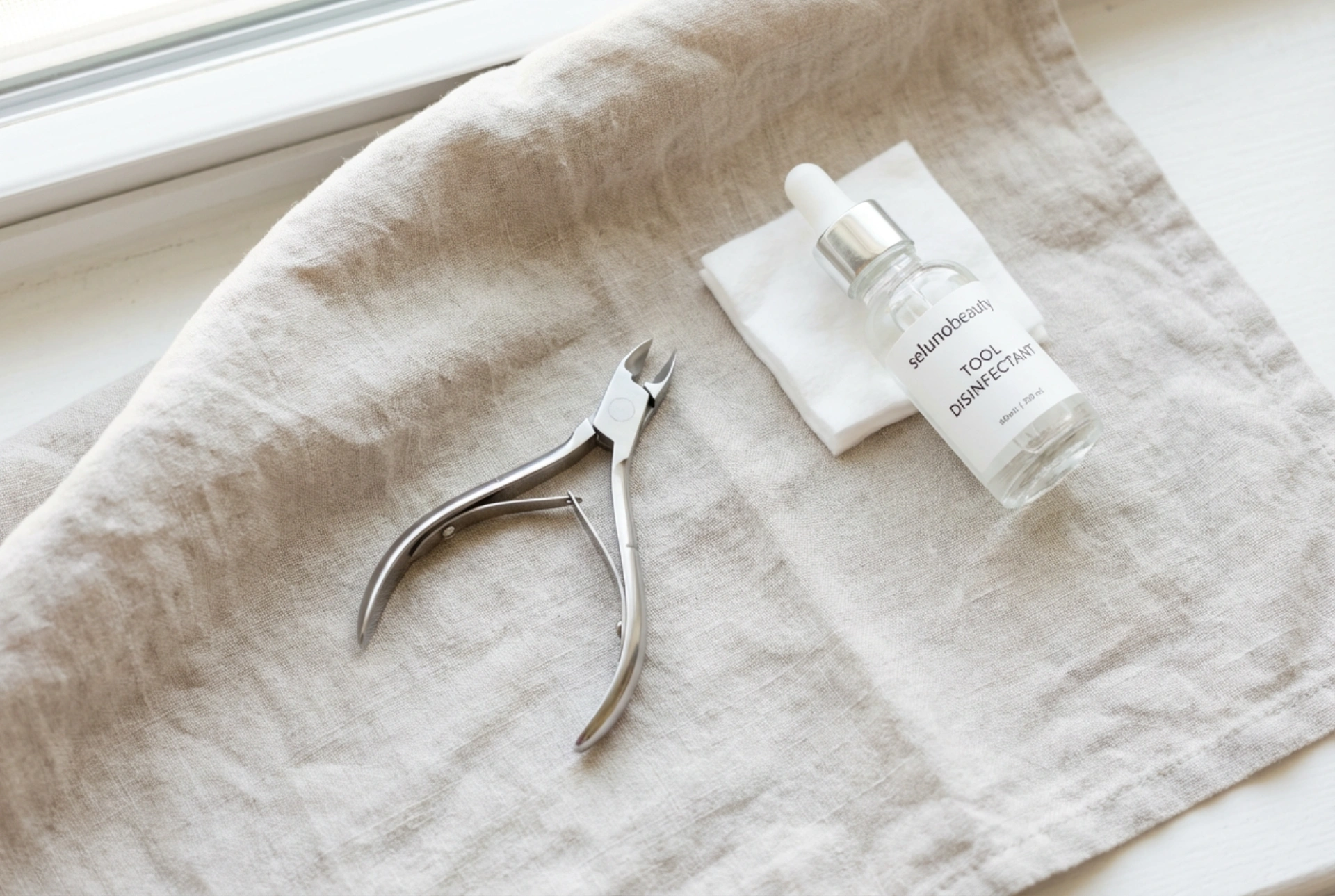
Cleaning removes debris, but disinfection is what ensures the tool is hygienically safe for its next use. After cleaning and drying, you should disinfect the cutting blades. You can use a cosmetic tool disinfectant spray or solution, following the manufacturer’s instructions for contact time. Alternatively, carefully wipe the blades with a cotton pad soaked in a high-percentage isopropyl alcohol solution. Allow the tool to air dry completely before storing it.
Proper Storage
How you store your nippers matters. Most high-quality nippers come with a protective cap for the blades. Always replace this cap after the tool is clean and dry. This protects the sharp, delicate tips from being knocked or damaged, which would affect their cutting precision. Store your nippers in a clean, dry place, such as a dedicated pouch or case, away from the humidity of a bathroom cabinet if possible.