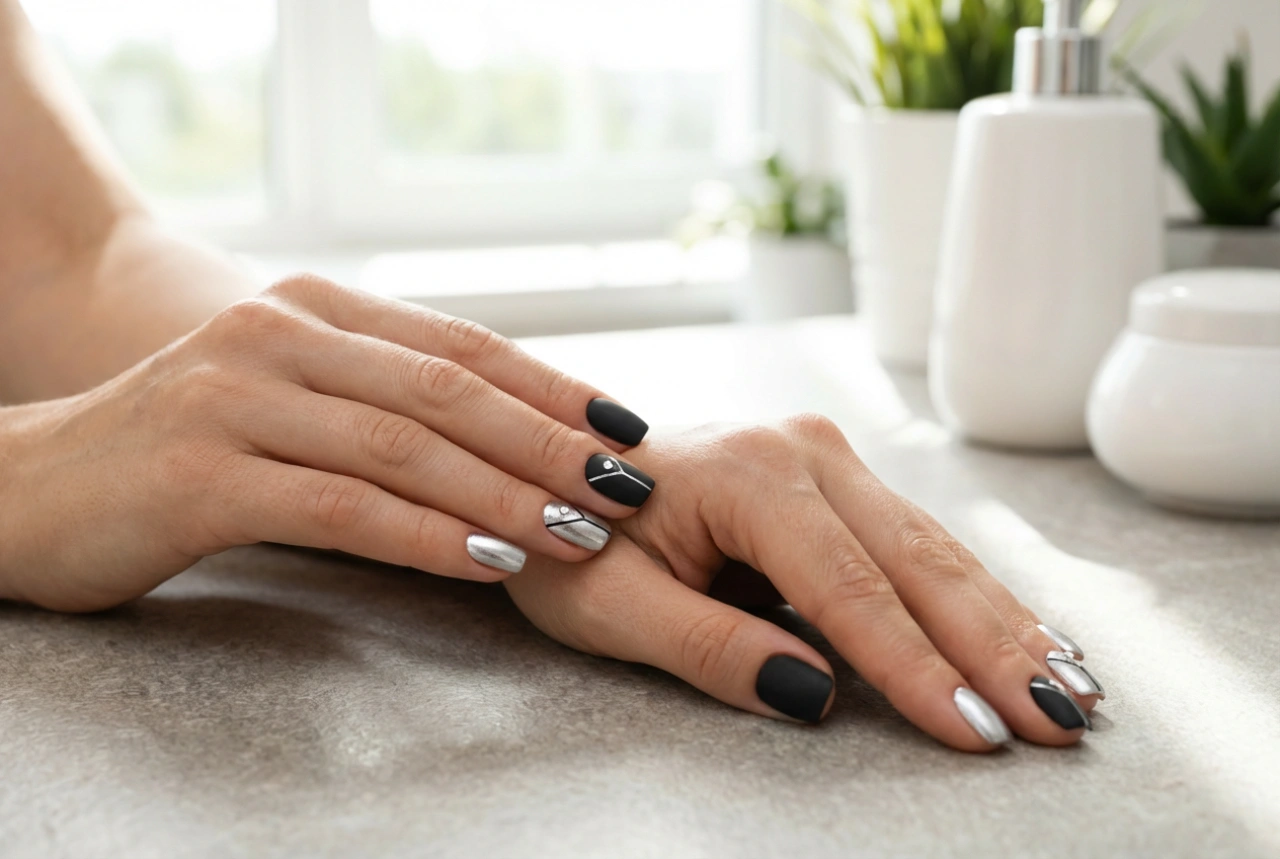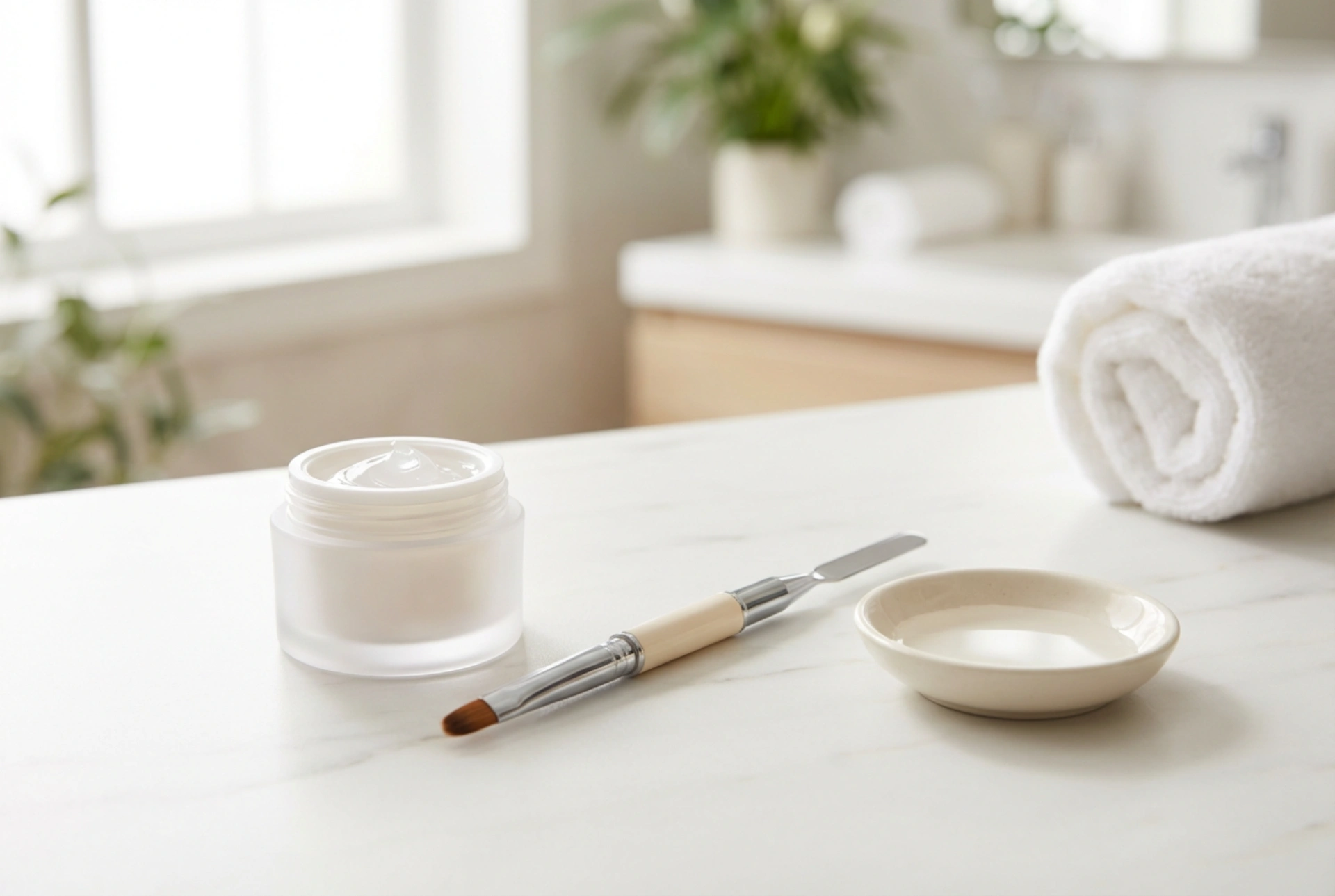


Polygel has emerged as a popular choice for creating durable and elegant nail extensions from the comfort of your own home. It uniquely combines the strength of acrylics with the flexibility and ease of use of gel systems, offering a fantastic solution for nail art enthusiasts. Understanding the components of a polygel kit and the correct application technique is key to achieving a flawless, salon-quality finish. This guide will walk you through everything you need to know.
What is Polygel?
Polygel, sometimes referred to as acrylgel, is a hybrid nail enhancement formula. It features a putty-like consistency that stays in place and doesn't run, giving you ample time to shape it perfectly. Unlike acrylics, it is almost odourless and requires a special liquid, known as slip solution, to manipulate the product. It cures under an LED or UV lamp, just like traditional gel polish, resulting in a lightweight yet strong nail extension.
Essential Components of a Polygel Kit
A typical starter kit for polygel application contains several key items. Familiarising yourself with each one will make the process much smoother. Your kit should include:
- Polygel: The main product, usually available in various colours including clear, white, and different shades of pink and nude.
- Slip Solution: A special liquid used to moisten the brush, allowing you to shape the polygel without it sticking. In its absence, 70% isopropyl alcohol can often be used as a substitute.
- Dual-Ended Tool: This tool features a flat spatula on one end to slice and place the polygel, and a brush on the other end for shaping it.
- Dual Forms or Paper Forms: Dual forms are reusable plastic moulds that create the shape and length of the extension. You apply the polygel inside the form and then press it onto your natural nail. Paper forms are sticky guides placed under the nail tip to build the extension on top.
- Base and Top Coat: A base coat is essential for adhesion, and a top coat seals the nail, providing shine and protection.
- Nail Lamp: An LED or UV lamp is required to cure the polygel and set it in place.
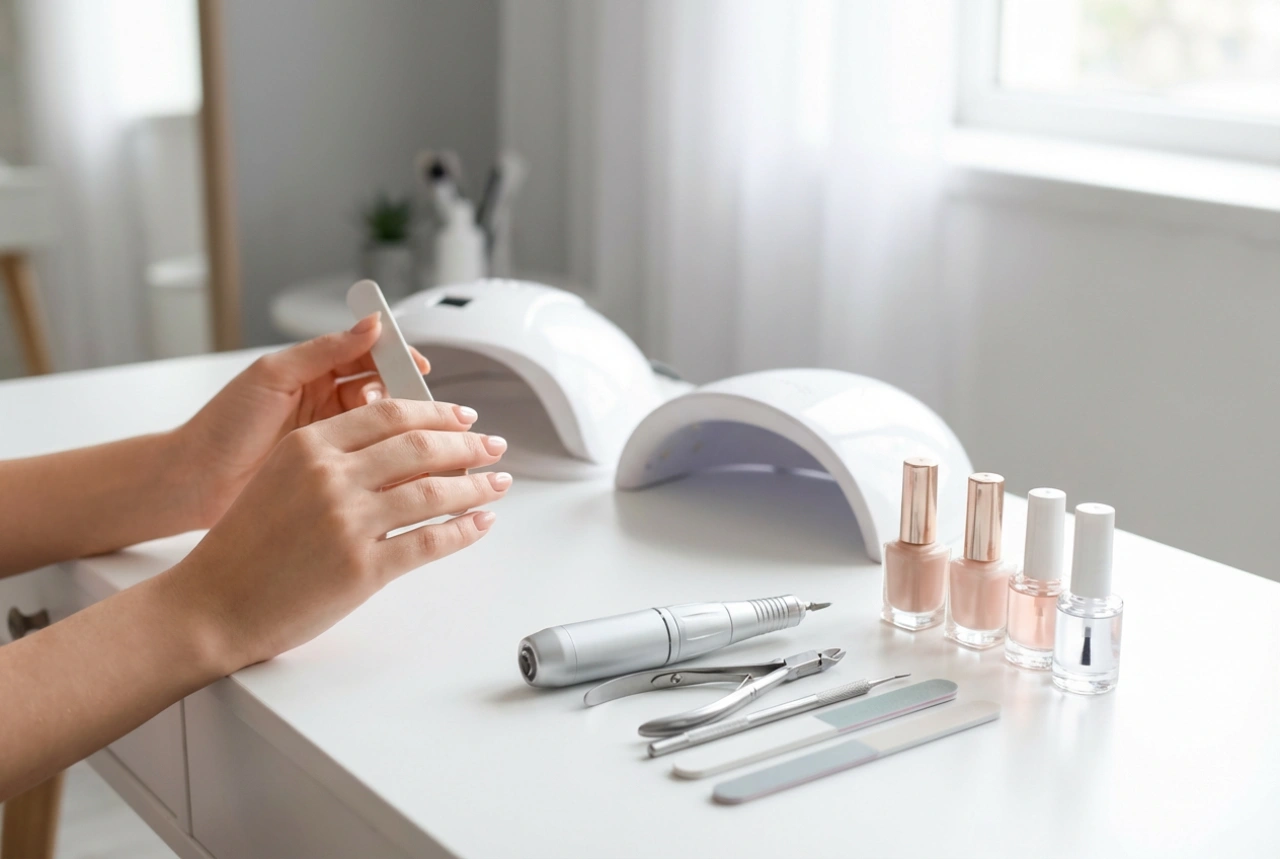
- Nail File and Buffer: To prepare the natural nail surface and to shape the extension after curing.
Step-by-Step Polygel Application Guide
Achieving a beautiful set of polygel nails involves a few key stages. Follow these steps carefully for the best results.
1. Nail Preparation
Proper prep is the foundation of a long-lasting manicure. Start by gently pushing back your cuticles and removing any non-living tissue from the nail plate. Lightly buff the surface of your natural nails with a fine-grit buffer to remove any shine. This creates a slightly rough surface for the product to adhere to. Cleanse the nail with a lint-free wipe and isopropyl alcohol to dehydrate it and remove any dust or oils. Finally, apply a thin layer of base coat and cure it under your lamp according to the product's instructions.
2. Shaping and Application
Choose a dual form that fits your nail from sidewall to sidewall. Squeeze a small, pea-sized amount of polygel from the tube and use the spatula end of your tool to slice it off and place it inside the dual form. Dip the brush end of your tool into the slip solution, dabbing off any excess. Use the damp brush to gently pat and guide the polygel into your desired length and shape within the form. Ensure the product is thinner near the cuticle area and thicker at the stress point (the apex).
3. Curing and Finishing
Once you are happy with the shape, gently press the dual form onto your nail, starting at the cuticle and pressing down towards the tip. Remove any excess product that may have squeezed out from the sides or underneath. Cure the nail under your LED/UV lamp for the recommended time (typically 60-120 seconds). After curing, gently wiggle the dual form to release it from the hardened polygel. Your extension is now formed. Use a nail file to refine the shape and length. Buff the surface smooth, then cleanse away any dust. To finish, apply a layer of no-wipe top coat and cure one last time for a glossy, durable finish.
Tips for a Perfect Polygel Manicure
- Use Slip Solution Sparingly: Too much slip solution can dilute the polygel and weaken the final structure. Use just enough to prevent the brush from sticking.
- Avoid Cuticle Contact: Keep the polygel from touching your skin or cuticles, as this can cause lifting. Leave a tiny, clean margin around the cuticle area.
- Proper Curing is Crucial: Ensure you cure the polygel for the full recommended time. Under-curing can lead to a weak nail that breaks easily.
- Practice Makes Perfect: Your first attempt may not be perfect. Be patient with yourself as you learn to control the product and perfect your shaping technique.