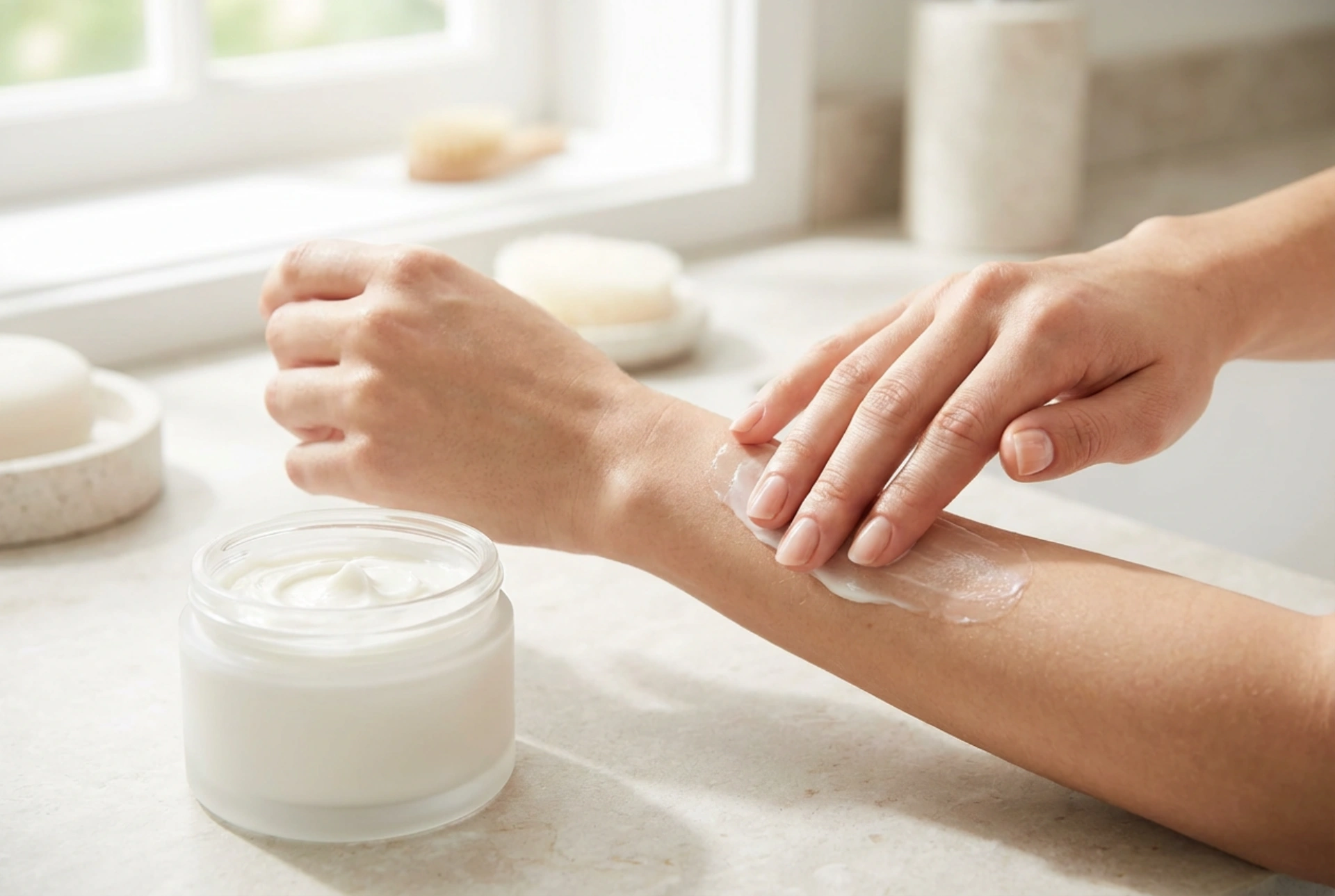


A self-massage ritual can transform your daily routine into a moment of pure tranquillity and care for your body. Using a rich, nourishing massage butter enhances this experience, leaving your skin feeling soft, supple, and deeply moisturised. The key to unlocking its full potential lies not just in the product itself, but in the technique. Understanding how to warm the butter, the types of movements to use, and the right pace can elevate a simple application into a truly beneficial and relaxing practice.
Preparation: The Art of Warming
Before you begin the massage, preparing the butter is a crucial first step. Cold, solid butter can be difficult to spread and may pull at the skin, creating an uncomfortable sensation. Warming it properly ensures a smooth, luxurious glide that makes the entire process more enjoyable and effective.
Why Warming Matters
Warming the butter transforms its solid texture into a silky, emollient oil. This change serves two purposes. Firstly, the melted consistency allows for effortless application, enabling your hands to move smoothly across the skin without friction. Secondly, the gentle warmth itself is deeply soothing, helping to relax muscles and calm the mind even before the massage truly begins. It turns the application from a mere task into a sensory pleasure.
Simple Warming Technique
The best way to warm massage butter is to use your own body heat. Scoop a small amount of butter from its container and place it in the palm of one hand. Rub your palms together briskly. The friction and your natural body temperature will quickly melt the butter into a warm, fragrant oil, ready to be applied. This method also ensures the butter is at a perfectly comfortable temperature for your skin.
Mastering the Movements: Gliding and Circular Strokes
Once the butter is warmed, you can begin the massage. Focusing on two fundamental types of movements—gliding and circular strokes—will help you achieve a balanced and effective self-massage.
Long, Gliding Strokes
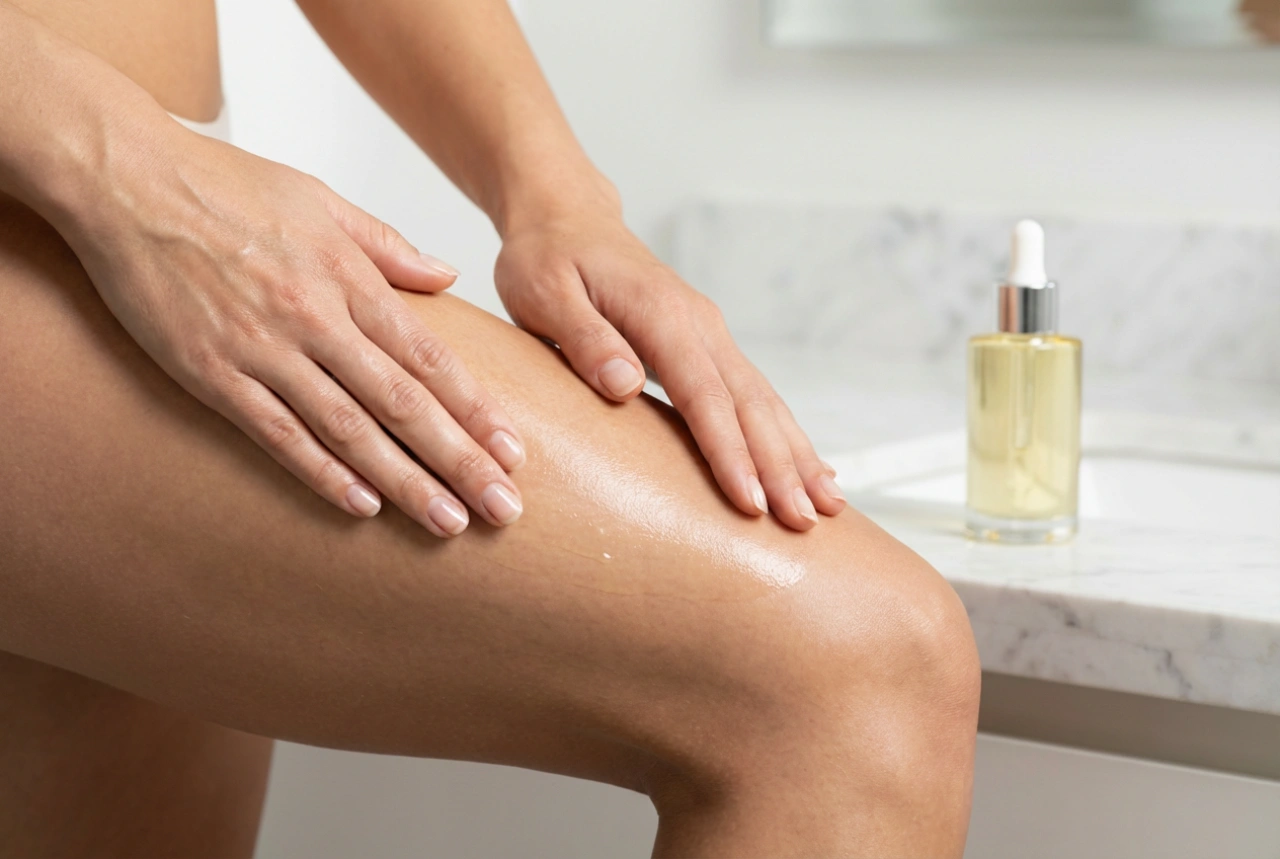
Start with long, sweeping strokes, known as effleurage. Use the entire surface of your hands to glide over the skin in the direction of your heart. For example, when massaging your legs, move from the ankle up towards the thigh. These movements help to spread the massage butter evenly and warm up the muscles. They are gentle, relaxing, and an excellent way to begin and end your massage session, preparing the body for deeper work and then soothing it afterwards.
Focused Circular Motions
After warming up an area with gliding strokes, switch to smaller, circular motions. Use your fingertips or the heel of your hand to apply slightly more focused pressure. Move in slow, deliberate circles over areas that feel tight or in need of extra attention, such as the shoulders, lower back, or calves. These movements help to work the butter deeper into the skin and can assist in releasing mild tension. Always listen to your body and adjust the pressure to a level that feels comfortable and beneficial, never painful.
Finding Your Rhythm: The Importance of Pace
The speed of your massage movements has a significant impact on the overall effect. By consciously controlling the pace, you can tailor the experience to suit your needs, whether you are looking for deep relaxation or a gentle energy boost.
- For Relaxation: If your goal is to unwind and de-stress, perhaps before bedtime, adopt a slow, rhythmic, and deliberate pace. Long, unhurried gliding strokes combined with gentle circular motions can help calm the nervous system, quiet the mind, and prepare your body for restful sleep.
- For Energising: If you are performing a massage in the morning to awaken your body, you can use a slightly brisker, more invigorating pace. The movements should still be smooth and controlled, but increasing the speed can help stimulate circulation and leave you feeling more alert and ready for the day.
Ultimately, the ideal pace is one that feels right for you. Pay attention to your body's feedback and adjust your rhythm accordingly. The goal is to create a harmonious and pleasant experience that leaves both your skin and your mind feeling refreshed and cared for.