

The desire for beautifully smooth legs is a common beauty goal, and achieving it in the comfort of your own home is more accessible than ever. An effective at-home self-care ritual not only delivers great results but also provides a moment of personal pampering. To ensure the process is as comfortable and efficient as possible, it's crucial to understand the different methods available, how to prepare your skin, and the essential aftercare steps that follow.
Choosing Your At-Home Epilation Method
There are several ways to remove leg hair at home, each with its own characteristics. The best choice depends on your personal preference, pain tolerance, and desired duration of the results.
Shaving
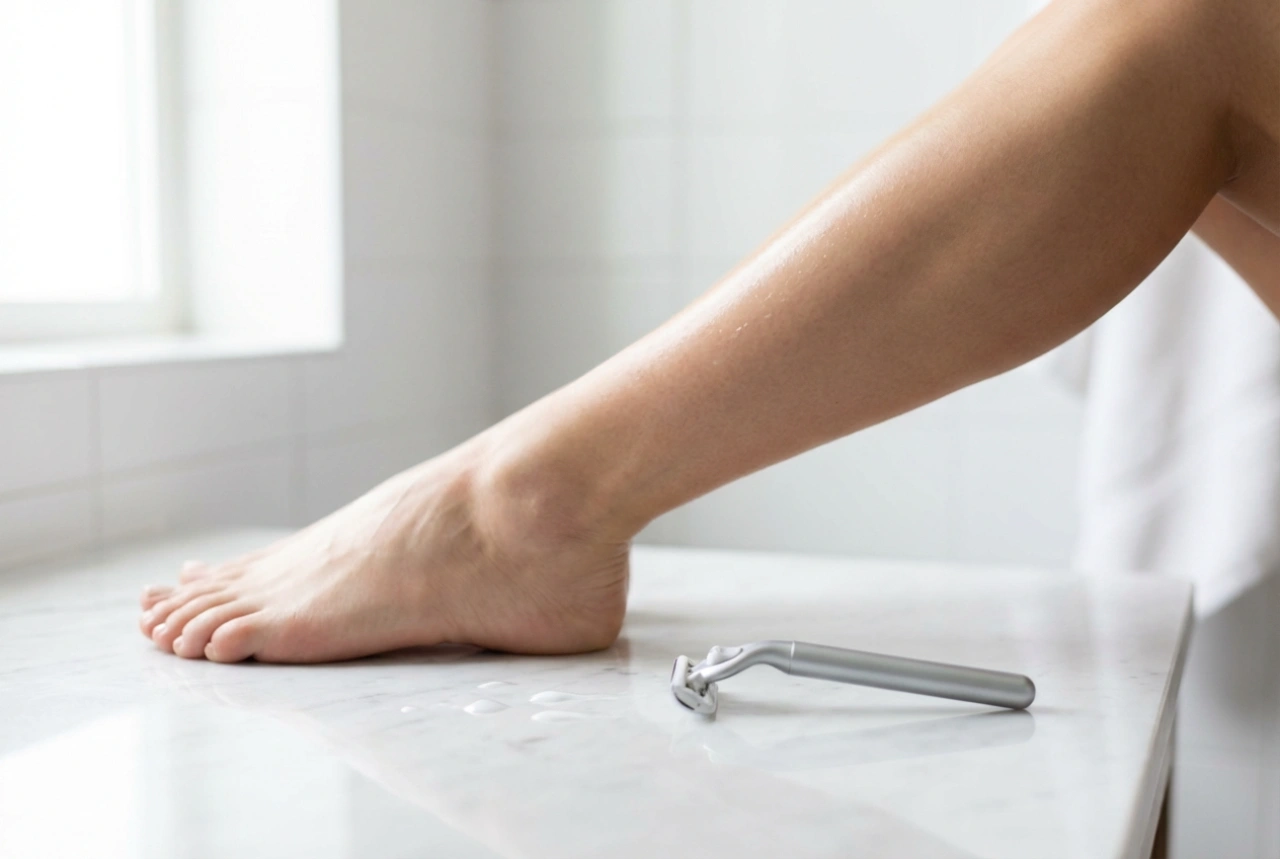
This is the quickest and most common method. Using a razor, you cut the hair at the skin's surface. While painless and fast, the results are short-lived, as hair can reappear within a day or two. It requires frequent maintenance to keep legs smooth.
Epilators
An epilator is an electrical device that grasps multiple hairs simultaneously and pulls them out from the root. This method provides longer-lasting smoothness, typically for a few weeks. It can be uncomfortable, especially during the first few uses, but discomfort often lessens over time as you get used to the sensation.
Waxing
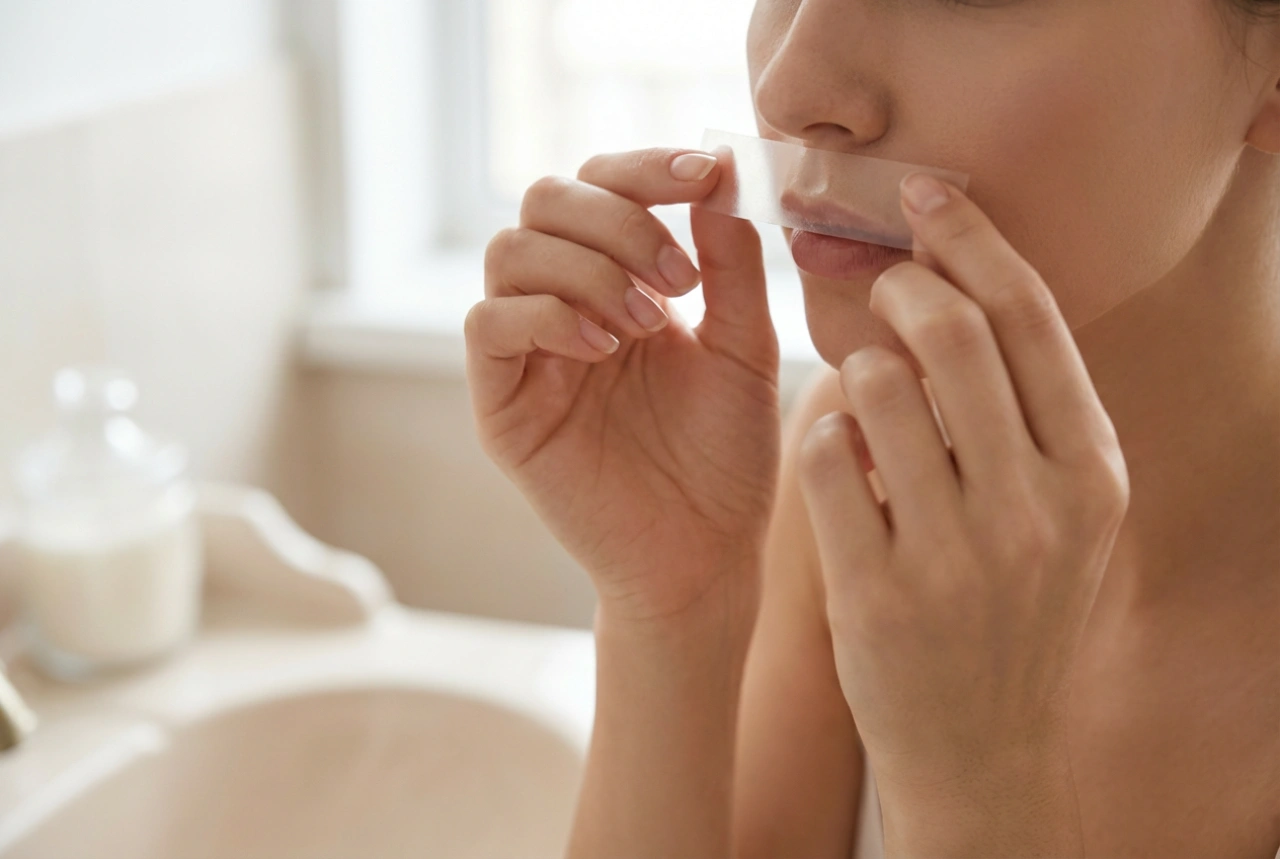
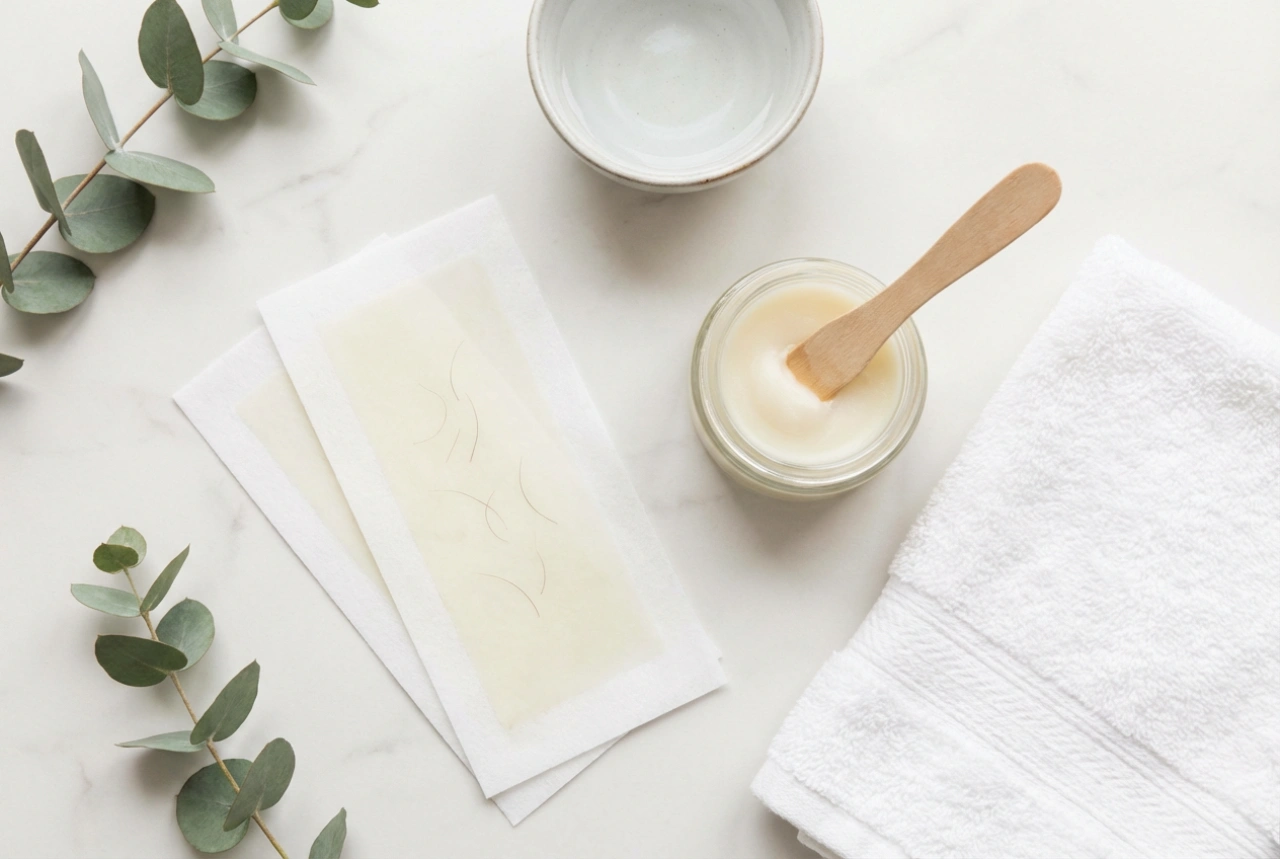
Waxing involves applying warm or cold wax to the skin and then quickly removing it, pulling the hair out from the root. You can use pre-made wax strips or meltable wax kits. Like epilating, waxing offers smooth skin for several weeks. It requires some practice to master the technique for clean and effective removal.
Hair Removal Creams (Depilatories)
These creams use chemicals to dissolve the hair protein just below the skin's surface. You apply the cream, wait for a specified amount of time, and then wipe or rinse it off along with the dissolved hair. It's a painless method, and the results last slightly longer than shaving. It is important to do a patch test before a full application to check for any skin sensitivity.
Preparing Your Skin for Epilation
Proper preparation is key to a successful and less irritating hair removal session. Taking a few extra steps beforehand can dramatically improve your results and comfort.
Cleanse and Dry
Always start with clean, dry skin. Take a warm shower or bath before your session to help soften the skin and open up the hair follicles, making hair removal easier. Ensure your legs are completely dry before you begin, especially if you are using wax or an epilator.
Exfoliate
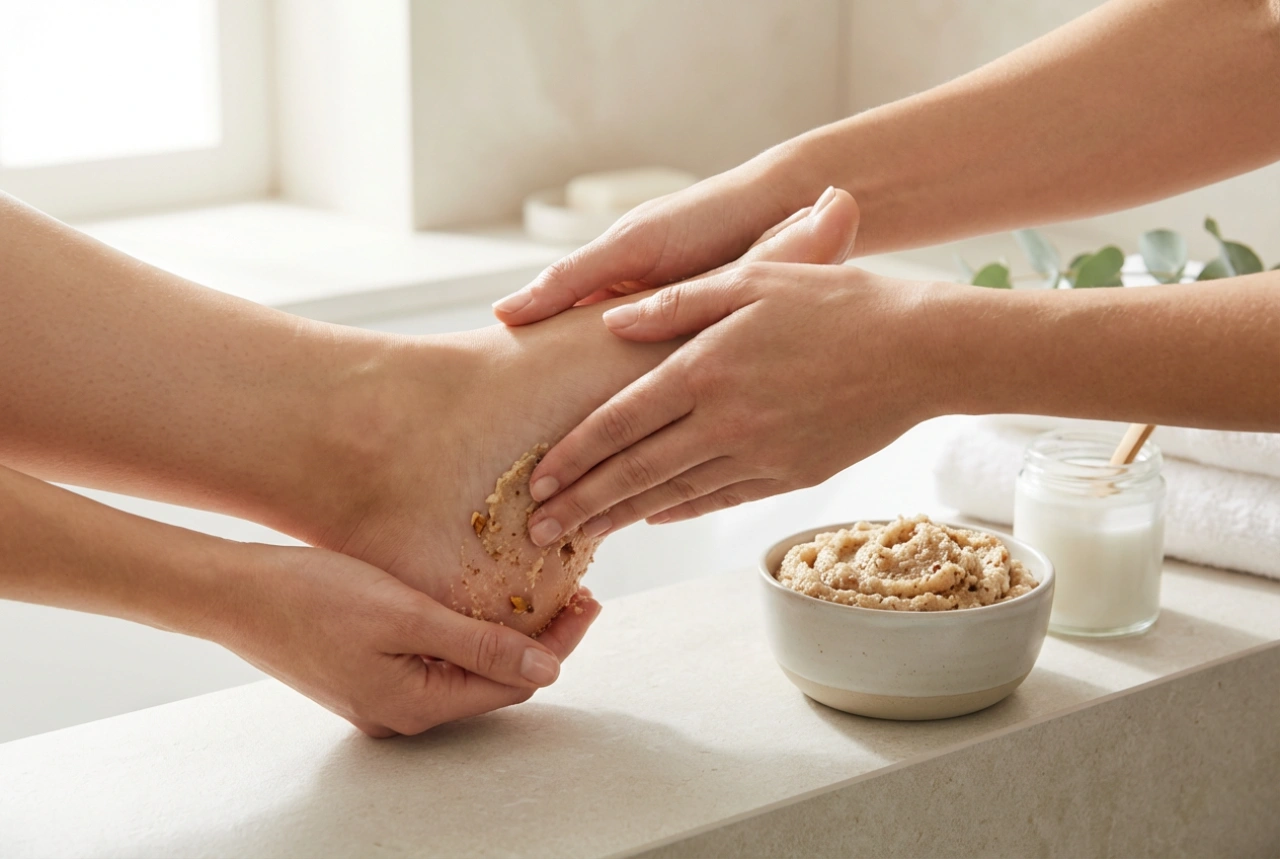
Exfoliating a day or two before epilation is one of the most important preparatory steps. Use a gentle body scrub or an exfoliating glove to remove dead skin cells. This helps to prevent ingrown hairs by clearing the path for the hair to be removed cleanly from the follicle and to grow back straight.
The Epilation Process: General Tips
Regardless of the method you choose, some universal tips can help make the process smoother and more effective. A calm and methodical approach will yield the best results.
- Always read and follow the instructions provided with your chosen product or device.
- Work in a well-lit area so you can see all the hairs clearly and avoid missing any spots.
- Hold the skin taut with your free hand as you remove the hair. This minimises pain and helps the device or wax strip grip the hair more effectively.
- For most methods that pull hair from the root, such as waxing and epilating, work against the direction of hair growth. For shaving, going with the grain first can reduce irritation.
- If you are new to a method, consider starting with a small, less sensitive patch of skin to test your reaction and get comfortable with the technique.
Essential Aftercare for Smooth, Calm Skin
What you do after hair removal is just as important as the preparation. Proper aftercare helps to soothe the skin, prevent irritation, and maintain that silky-smooth feeling.
Soothe and Cool
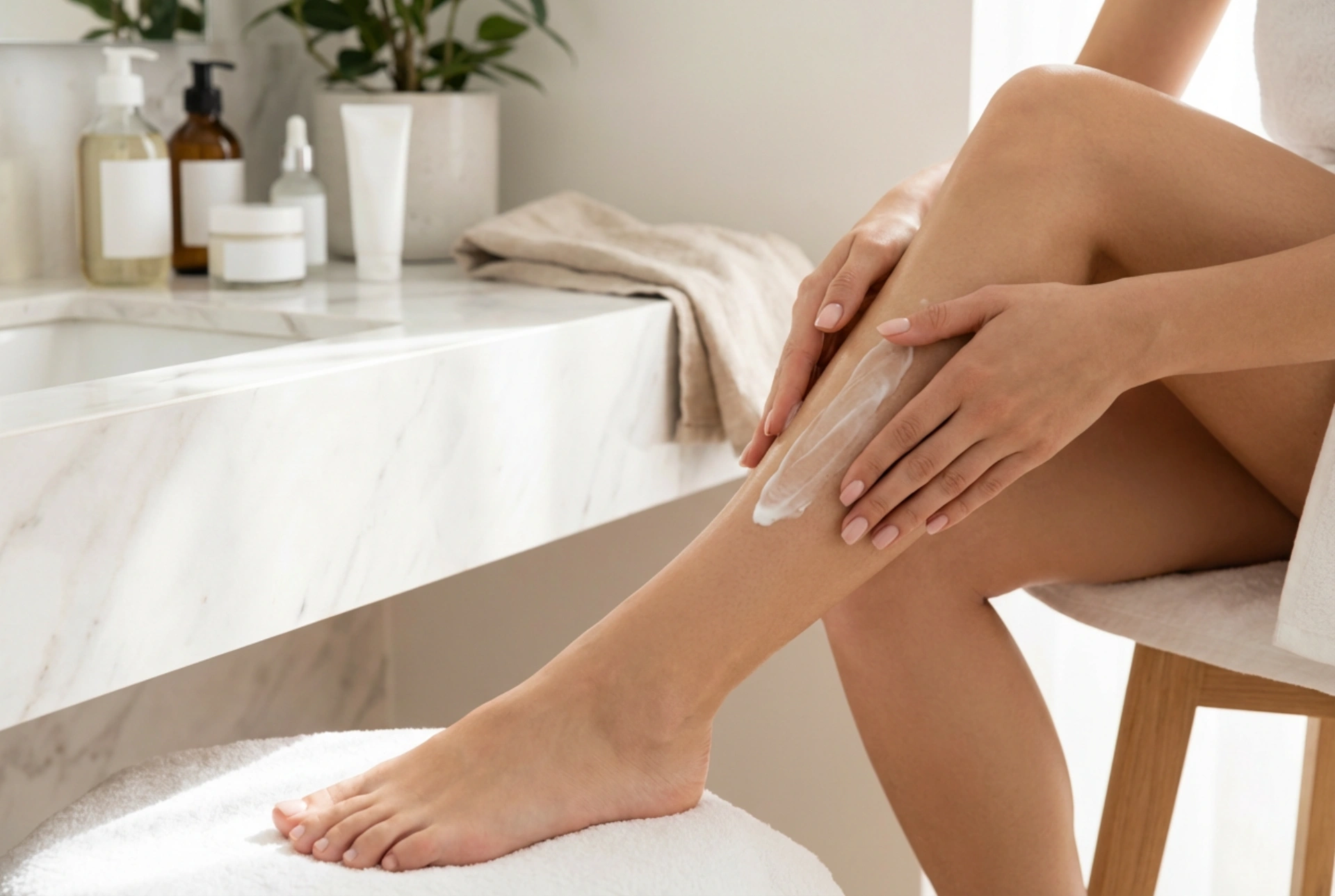
Immediately after epilation, your skin may be red and sensitive. Apply a gentle, alcohol-free lotion, gel, or oil to calm it down. Look for products with soothing ingredients like aloe vera, chamomile, or calendula. Avoid products with fragrances or harsh chemicals that could cause further irritation.
Hydrate Regularly
Keep your skin well-moisturised in the days following epilation. Daily hydration helps maintain the skin's barrier, keeping it soft, supple, and healthy-looking. This can also help prevent the dryness that sometimes leads to ingrown hairs.
Avoid Irritants
For at least 24 to 48 hours after your session, avoid potential irritants. This includes very hot baths or showers, saunas, swimming pools with chlorine, and tight-fitting clothing that can rub against the sensitive skin. It's also wise to skip any perfumed body products during this time.
Prevent Ingrown Hairs
To keep ingrown hairs at bay, resume gentle exfoliation a few days after epilation and continue to do so two to three times a week. This regular maintenance ensures that dead skin cells don't build up and trap newly growing hairs under the skin's surface.