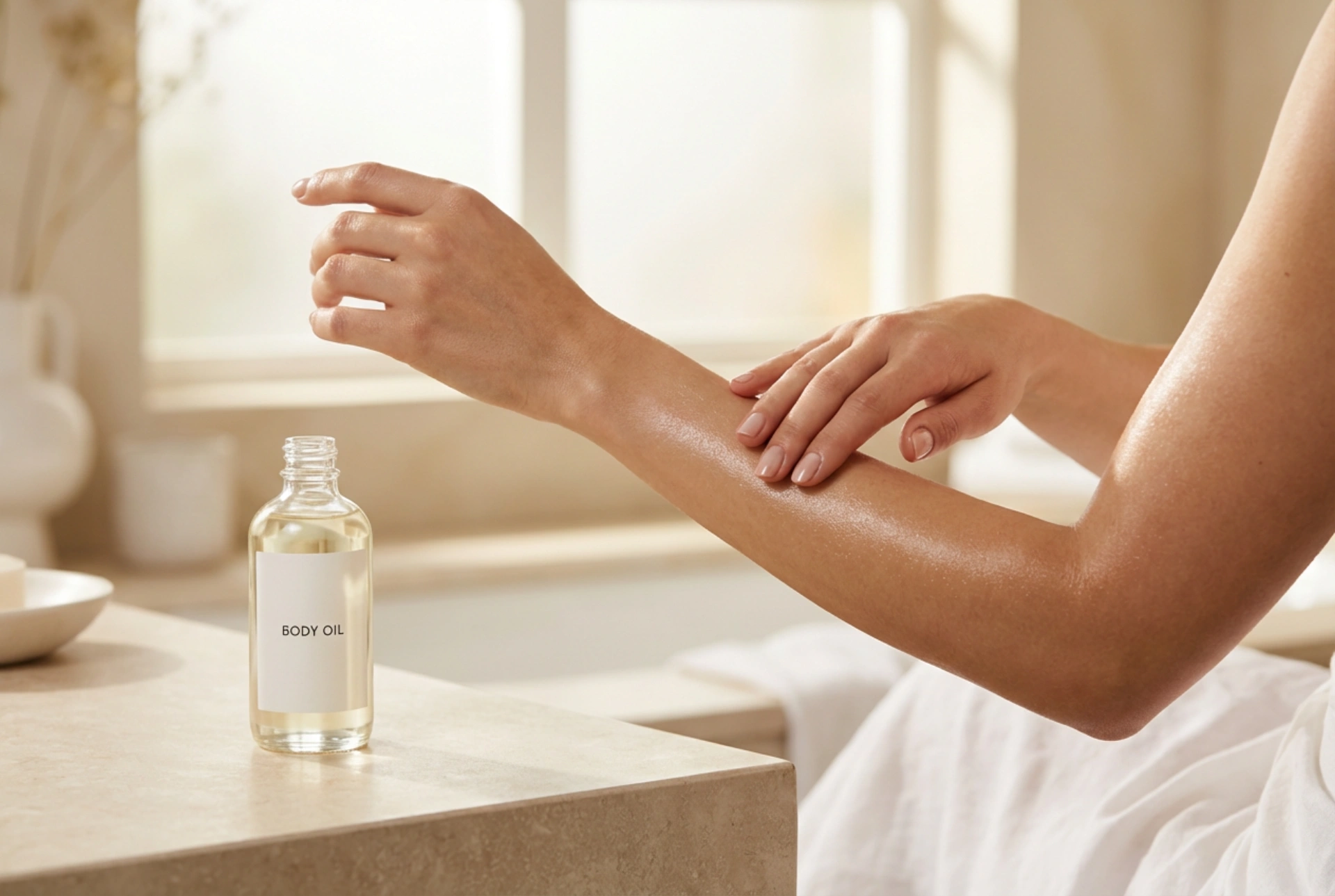


A gentle massage with a nourishing body oil is more than just a moment of indulgence; it's a powerful self-care ritual that soothes the mind and deeply moisturises the skin. The sensation of warm oil gliding over your body, combined with deliberate, caring hand movements, can melt away tension and leave your skin feeling silky and revitalised. To truly elevate this experience, understanding how to prepare your skin and master a few basic techniques can make all the difference, transforming a simple application of oil into a restorative home treatment.
Choosing Your Ideal Massage Oil
The foundation of a great massage is the oil itself. The right choice will not only facilitate smooth hand movements but also provide significant benefits to your skin. Look for carrier oils, which are plant-based oils that form the bulk of the product. Each has unique properties. Sweet almond oil is a popular all-rounder, rich in Vitamin E and easily absorbed. Jojoba oil is another excellent choice as its structure is very similar to the skin's natural sebum, making it lightweight and non-greasy. For a more intensely hydrating experience, consider fractionated coconut oil, which remains liquid at room temperature and provides deep moisture. Grapeseed oil is very light and has a clean feel, making it suitable for skin that is prone to feeling oily. For an added sensory dimension, you can use a pre-blended aromatic oil or add a couple of drops of a calming essential oil, such as lavender or chamomile, to an unscented carrier oil to promote relaxation.
Preparing the Skin for a Flawless Massage
Proper preparation ensures that your skin is receptive to the oil and the massage itself is more effective. The goal is to create a clean, warm canvas that will readily absorb the nourishing ingredients of the oil.
- Create a Calm Atmosphere: Dim the lights, play some soft music, and ensure the room is comfortably warm. This helps your muscles begin to relax even before the massage starts.
- Take a Warm Bath or Shower: Soaking in warm water for 10-15 minutes helps to relax tense muscles and open up your pores. This allows the massage oil to penetrate more deeply into the skin.
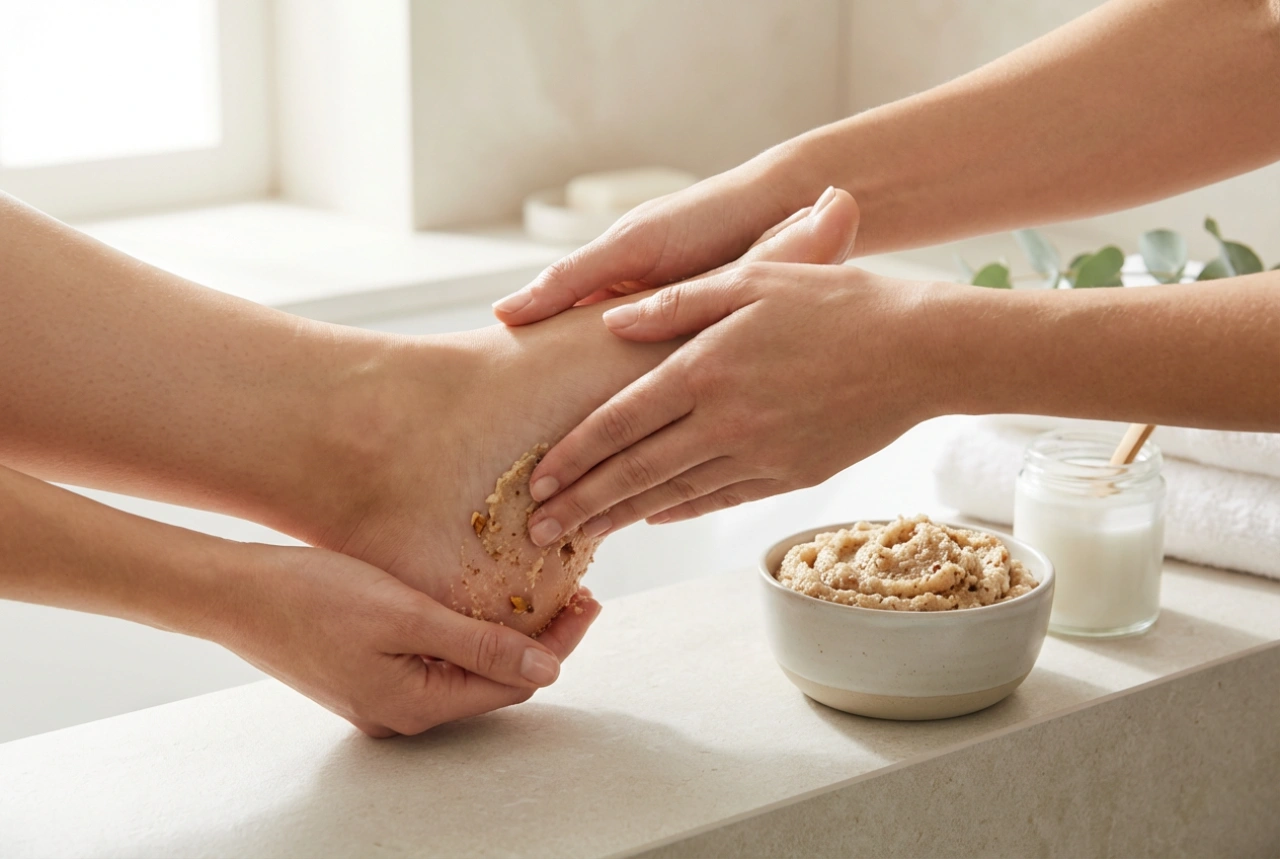
- Gentle Exfoliation: While in the shower or bath, use a soft body brush or a gentle scrub to lightly exfoliate your skin. This removes dead skin cells, allowing for a smoother glide during the massage and enhancing oil absorption. Focus on areas like elbows, knees, and heels, but be gentle everywhere.
- Pat Skin Dry: After your bath or shower, gently pat your skin with a soft towel. Avoid rubbing vigorously, as this can cause irritation. Leaving the skin slightly damp can help to lock in extra moisture when you apply the oil.
The Art of Applying Massage Oil
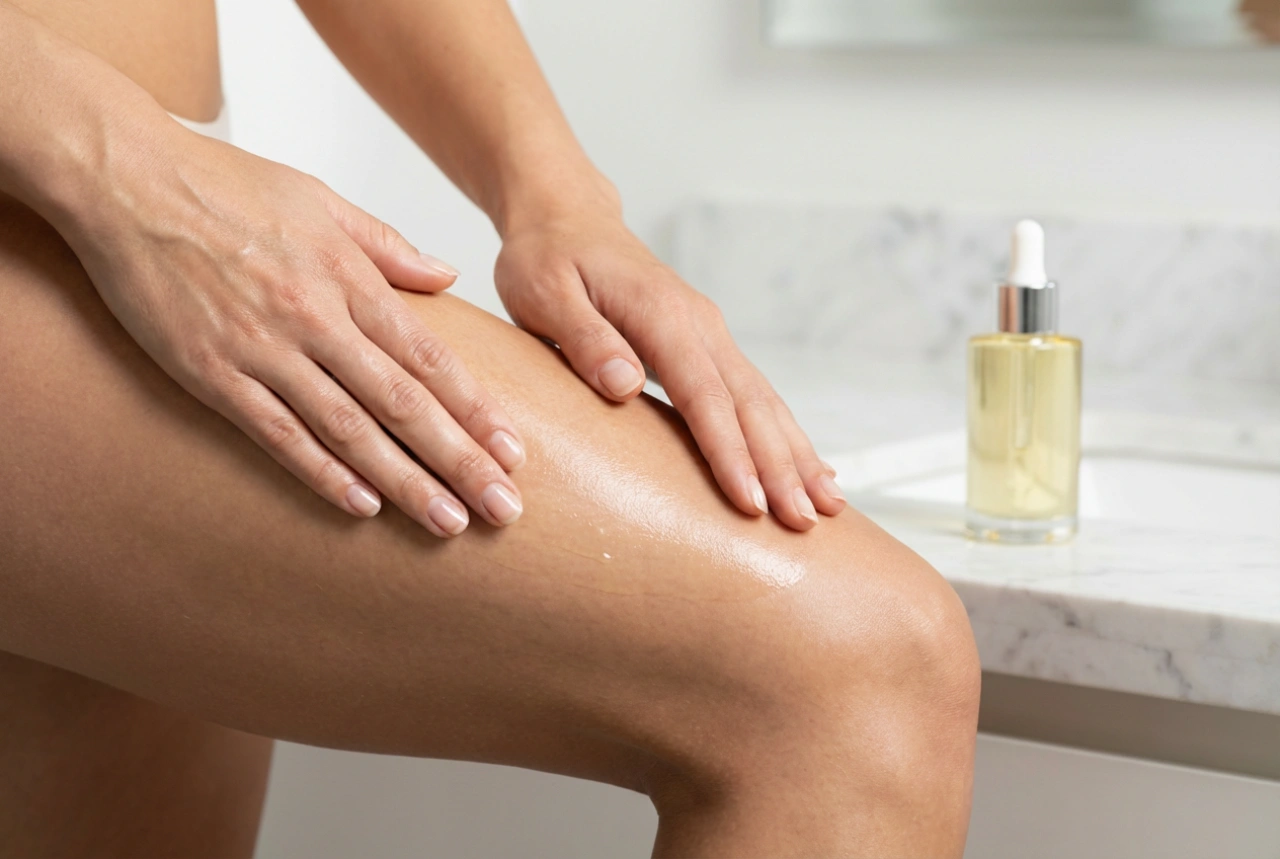
How you apply the oil is just as important as the oil you choose. Cold oil on warm skin can be a jarring experience, so taking a moment to warm it up is crucial. Pour a small amount of oil—about the size of a two-pound coin—into the palm of your hand. Rub your hands together briskly for several seconds. This not only warms the oil to a pleasant temperature but also coats your hands, preparing them for the first touch. Always start with less oil than you think you need; you can always add more. Apply it with long, sweeping strokes to distribute it evenly across the area you intend to massage.
Essential Hand Movements for a Home Massage
You don't need to be a professional to perform an effective and relaxing massage. Focusing on a few fundamental hand movements can provide immense relief and relaxation. Remember to maintain a steady rhythm and consistent pressure, communicating with the person receiving the massage (or paying attention to your own body's feedback) to ensure comfort.
Effleurage (Gliding Strokes)
This is the cornerstone of any massage. Use your entire palm and fingers to apply long, sweeping, and continuous strokes. The pressure should be light to medium. Effleurage is used to warm up the muscles, spread the oil, and as a transitional movement between other, more specific techniques. It's the perfect way to begin and end a massage session.
Petrissage (Kneading Movements)
Petrissage involves gently lifting, rolling, and squeezing the skin and muscles. Think of it as kneading dough. Use your fingers and thumbs to grasp a section of muscle, squeeze it gently, lift it, and then roll it. This movement is excellent for releasing deeper muscle tension and improving circulation. It works particularly well on larger muscle groups like the shoulders, back, and thighs.
Friction (Circular Pressure)
Friction techniques are used to target specific areas of tightness, often called knots. Use your thumbs, fingertips, or the heel of your hand to apply firm, circular pressure to a tense spot. The movements should be small and deep. It's important to be cautious with pressure and to avoid applying it directly over bones or joints.
Post-Massage Care for Lasting Benefits
The care you take after the massage is complete can prolong its wonderful effects. Instead of immediately wiping the oil away, allow it to sit on the skin for at least 15-20 minutes. This gives your skin ample time to absorb the beneficial properties, leaving it deeply nourished and hydrated. Wrap yourself in a warm, fluffy robe or lie under a blanket to keep your muscles warm and relaxed. It's also a good idea to drink a glass of water to help your body stay hydrated. This period of rest allows your nervous system to fully integrate the relaxing signals it received during the massage, helping you hold onto that feeling of calm for longer.