

Well-cared-for feet are not just a matter of aesthetics, but also of comfort and well-being. Smooth, soft heels are a sign of diligent care and can make you feel more confident, whether you are wearing sandals or simply relaxing at home. A key element of any effective foot care routine is a good heel cream, especially when integrated into a regular home pedicure. Understanding how to use it correctly can transform the texture of your skin, leaving your feet feeling pampered and healthy.
Why Regular Heel Care is Essential
The skin on our heels is naturally thicker than on most other parts of the body, as it has to withstand the pressure of our body weight and the friction from walking and standing all day. This constant stress, combined with exposure to dry air and a lack of oil glands in the foot's sole, makes heels particularly prone to dryness, roughness, and the build-up of hard skin. If neglected, this dryness can become uncomfortable and unsightly. Consistent care with a specialised cream helps to replenish moisture, soften hard skin, and maintain the skin's natural protective barrier, preventing it from becoming overly dry.
Selecting an Effective Heel Cream
When choosing a cream for your heels, it is important to look for ingredients that provide intensive hydration and softening properties. You don't need a specific brand, but rather a formula with a good combination of active components. Look for:
- Humectants: Ingredients like urea and glycerine are excellent humectants. They draw moisture from the air into the skin, helping to hydrate it deeply. Urea, in particular, also has mild exfoliating properties, helping to break down rough, hard skin.
- Emollients: Substances such as shea butter, cocoa butter, and lanolin are rich emollients. They work by creating a protective barrier on the skin's surface, which locks in moisture and prevents water loss, leaving the skin feeling soft and smooth.
- Natural Oils: Oils like coconut oil, almond oil, or jojoba oil are packed with vitamins and fatty acids that nourish and condition the skin, improving its elasticity and overall health.
How to Correctly Apply Heel Cream
To get the most out of your foot cream, application technique is just as important as the product itself. Following a simple routine will ensure maximum absorption and effectiveness.
Step 1: Preparation is Key
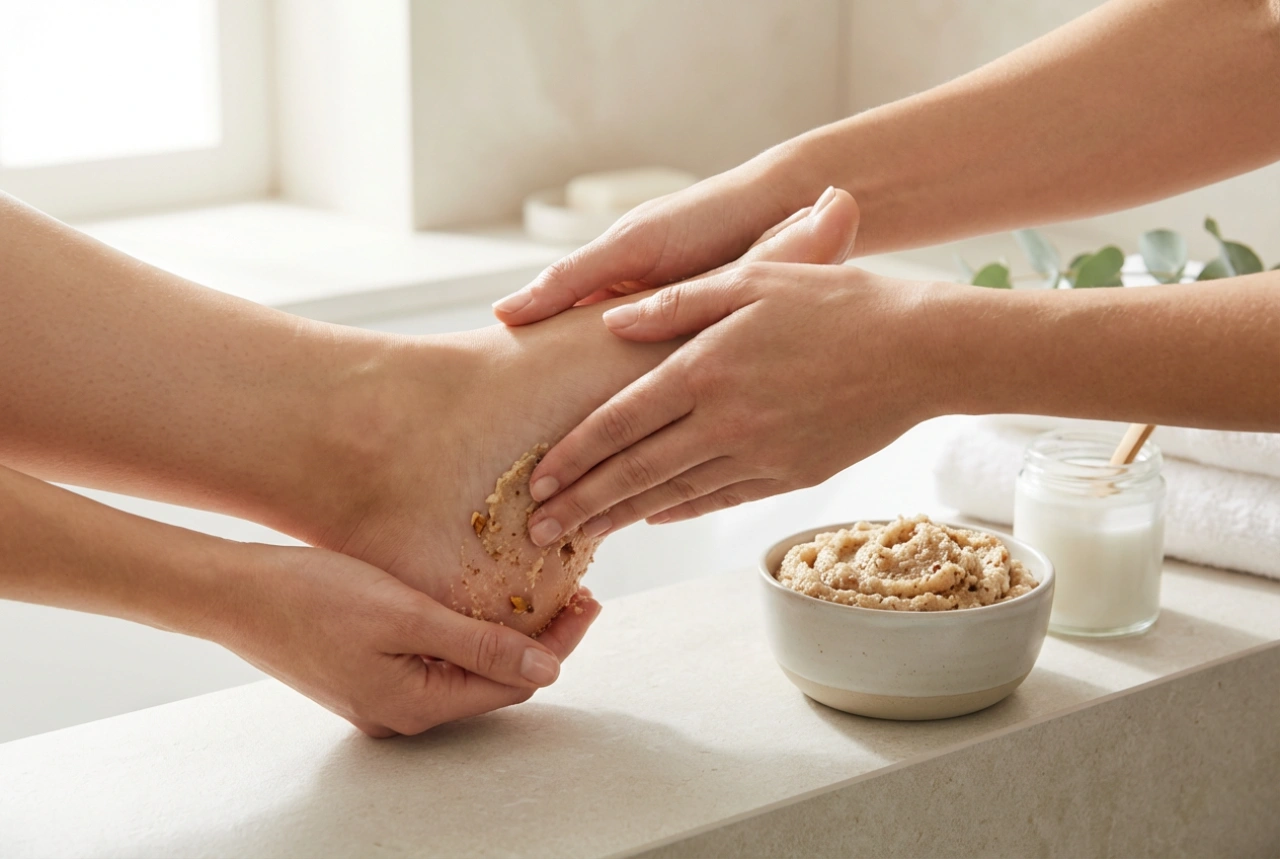
Always apply cream to clean feet. The best time is after a bath or shower when your skin is warm and slightly damp, as this helps with absorption. For an even better result, gently exfoliate your heels with a pumice stone or a foot file before application. This removes the surface layer of dead skin cells, allowing the cream to penetrate more deeply into the skin underneath.
Step 2: The Application Process
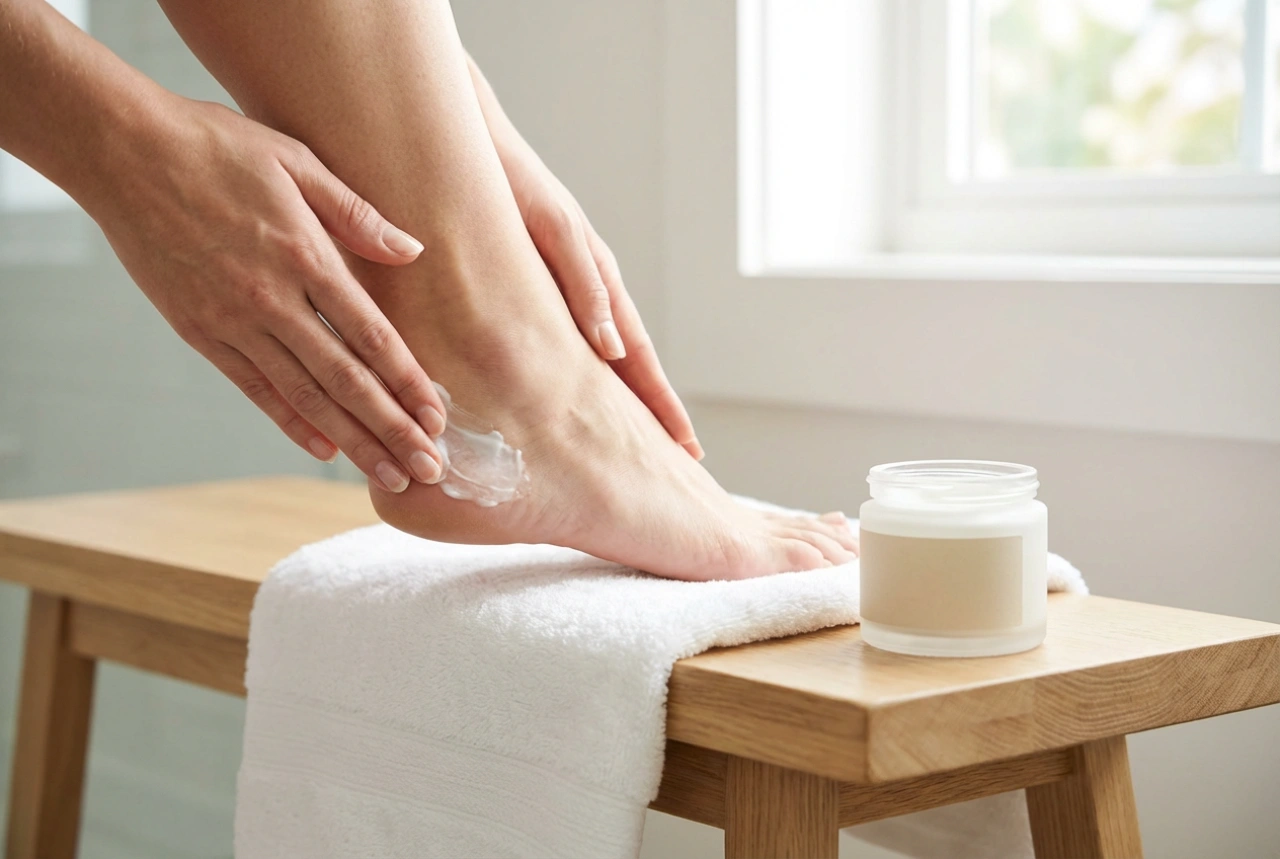
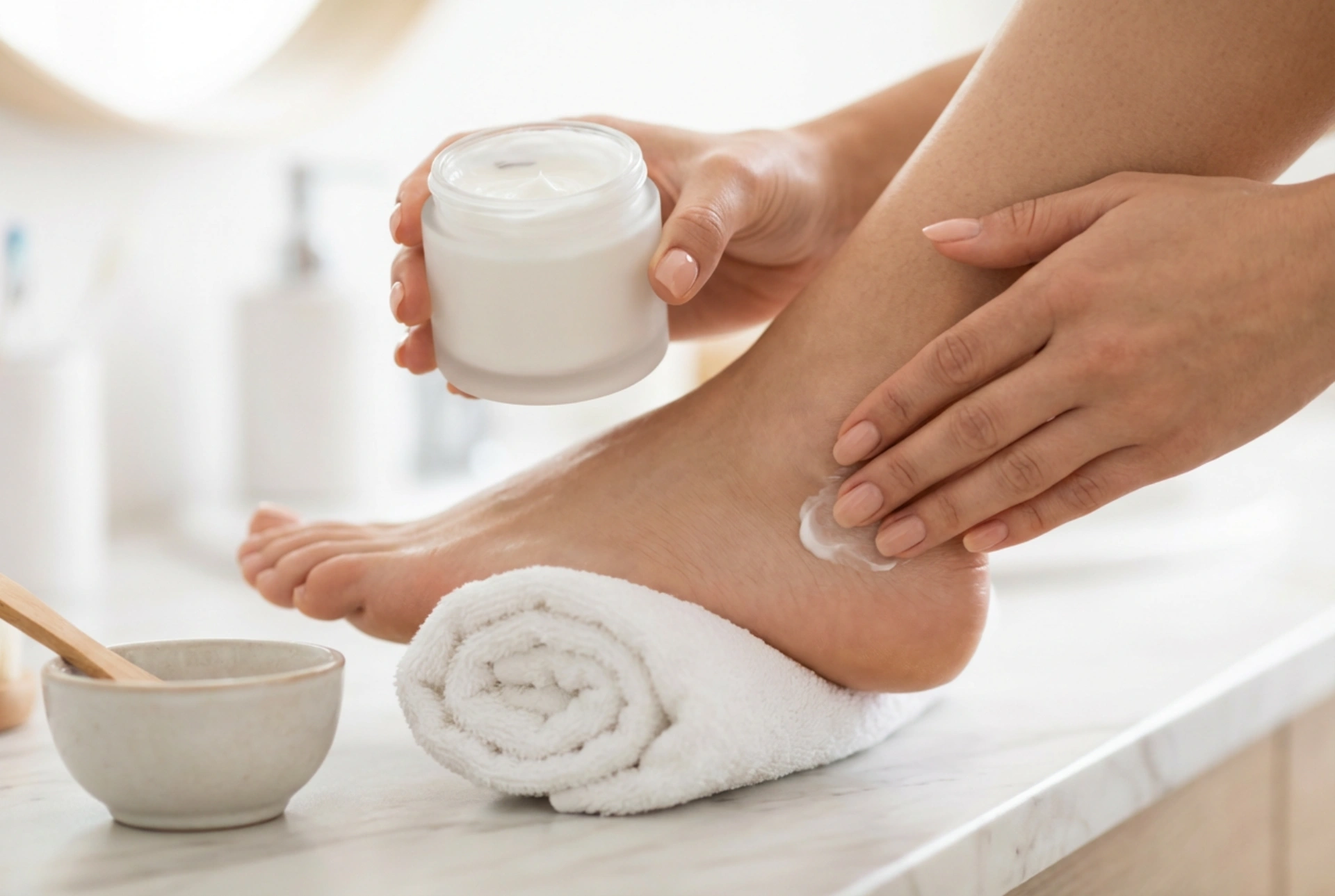
Take a generous amount of cream and warm it between your hands. Massage it firmly into your heels using circular motions. Don't forget other dry areas, such as the balls of your feet and around the toes. Continue massaging for a few minutes until the cream is mostly absorbed. This massage not only helps the cream to work better but also stimulates blood circulation, which contributes to healthier skin.
Step 3: Enhancing Absorption
For an intensive overnight treatment, apply a thick layer of cream to your heels just before bed and then put on a pair of clean cotton socks. The socks will prevent the cream from rubbing off on your sheets and will create a warm, occlusive environment that helps the moisturising ingredients to work their magic all night long. You will wake up to noticeably softer and smoother heels.
Integrating Heel Cream into Your Home Pedicure Routine
Making heel care a part of a weekly home pedicure can turn a simple task into a relaxing and rewarding ritual. A complete routine could look like this:
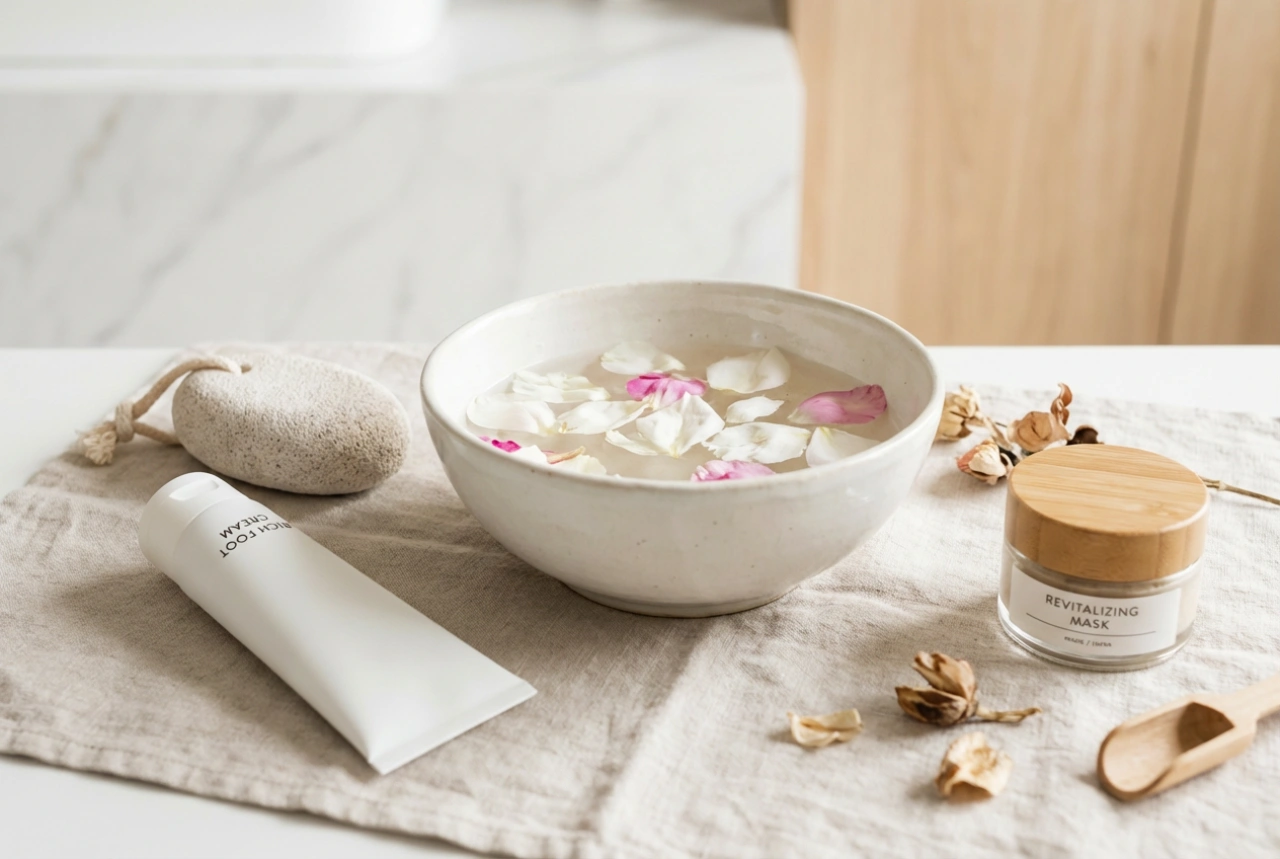
- Foot Soak: Begin by soaking your feet in warm water for 10-15 minutes. You can add Epsom salts or a few drops of essential oil for a more spa-like experience. This will soften the skin and prepare it for exfoliation.
- Exfoliation: Use your preferred tool, such as a pumice stone or foot file, to gently scrub away any hard, rough skin on your heels and soles.
- Nail and Cuticle Care: Trim and file your toenails, and gently push back your cuticles.
- Final Moisturisation: The last and most crucial step is to apply your heel cream generously, as described above. This will rehydrate your skin after the soak and exfoliation, leaving your feet feeling refreshed and revitalised.
Consistency is the secret to maintaining soft and healthy feet. By incorporating these simple steps into your weekly self-care schedule, you can easily keep your heels in beautiful condition all year round.