

Choosing the right products and creating a mindful hair care routine is the foundation for achieving healthy, lustrous hair. Among the essential steps, using a conditioner plays a pivotal role. It is a product designed to improve the feel, appearance, and manageability of your hair. Understanding the different types of conditioners and how to use them correctly can transform your hair care game, leaving your strands smooth, hydrated, and protected.
Why is Using a Conditioner So Important?
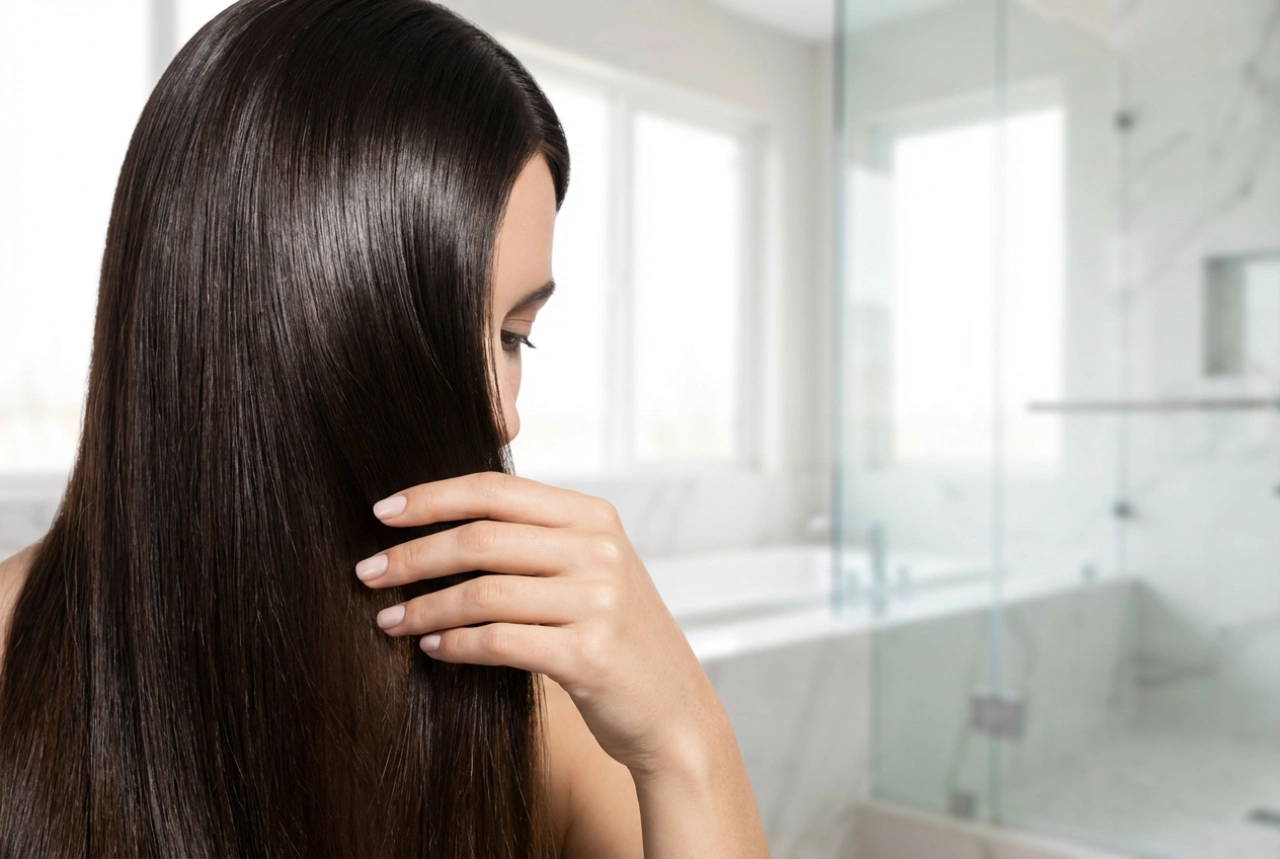
Every time you wash your hair with shampoo, the hair cuticles—the outermost protective layer of the hair shaft—are lifted. This is necessary to cleanse the hair of dirt and oil, but it can also leave the hair vulnerable, tangled, and rough. A conditioner's primary job is to smooth down and seal these cuticles. This simple action has multiple benefits: it reduces friction between hair strands, making detangling easier and minimising breakage. Furthermore, sealed cuticles reflect light more effectively, which gives the hair a shiny, healthy appearance. Conditioners also replenish moisture and oils stripped away during shampooing, which is crucial for preventing dryness and brittleness.
Types of Hair Conditioners
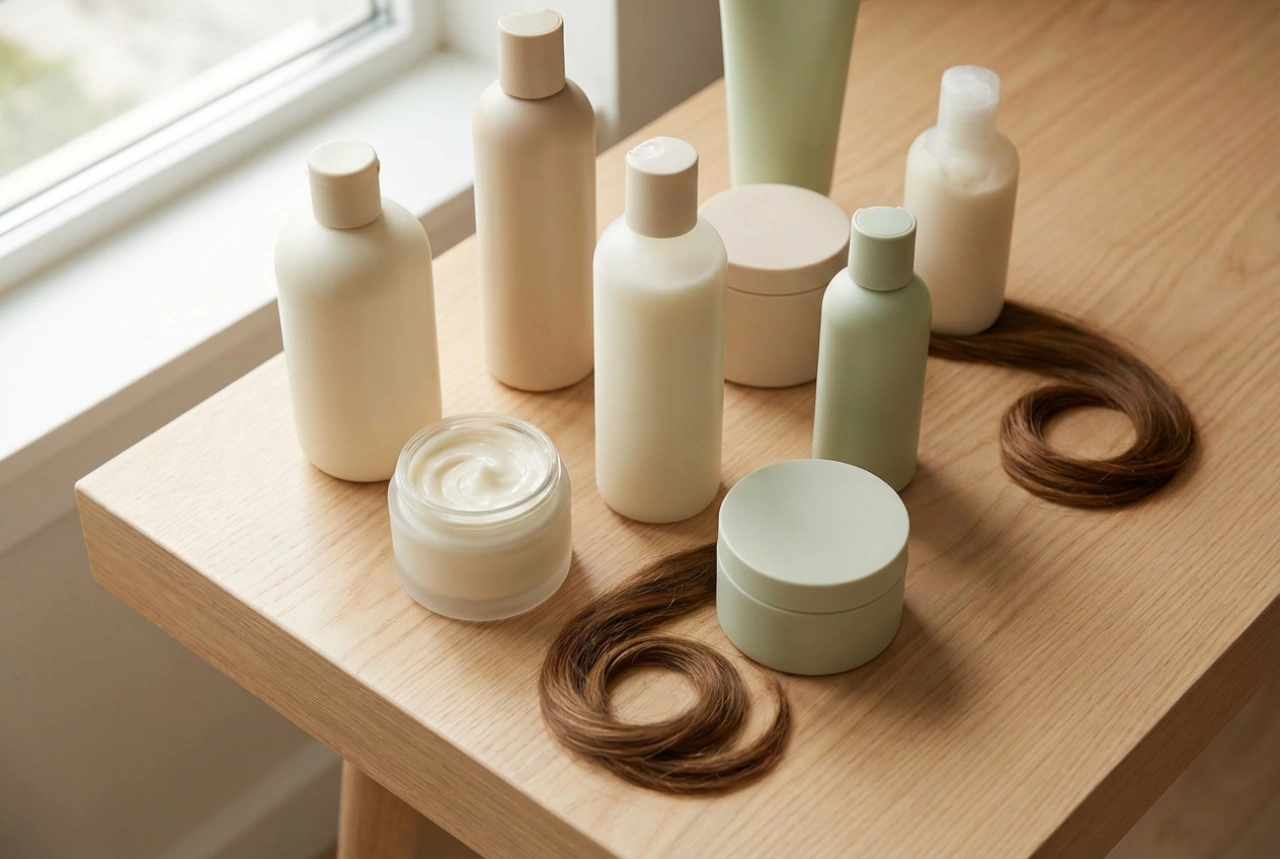
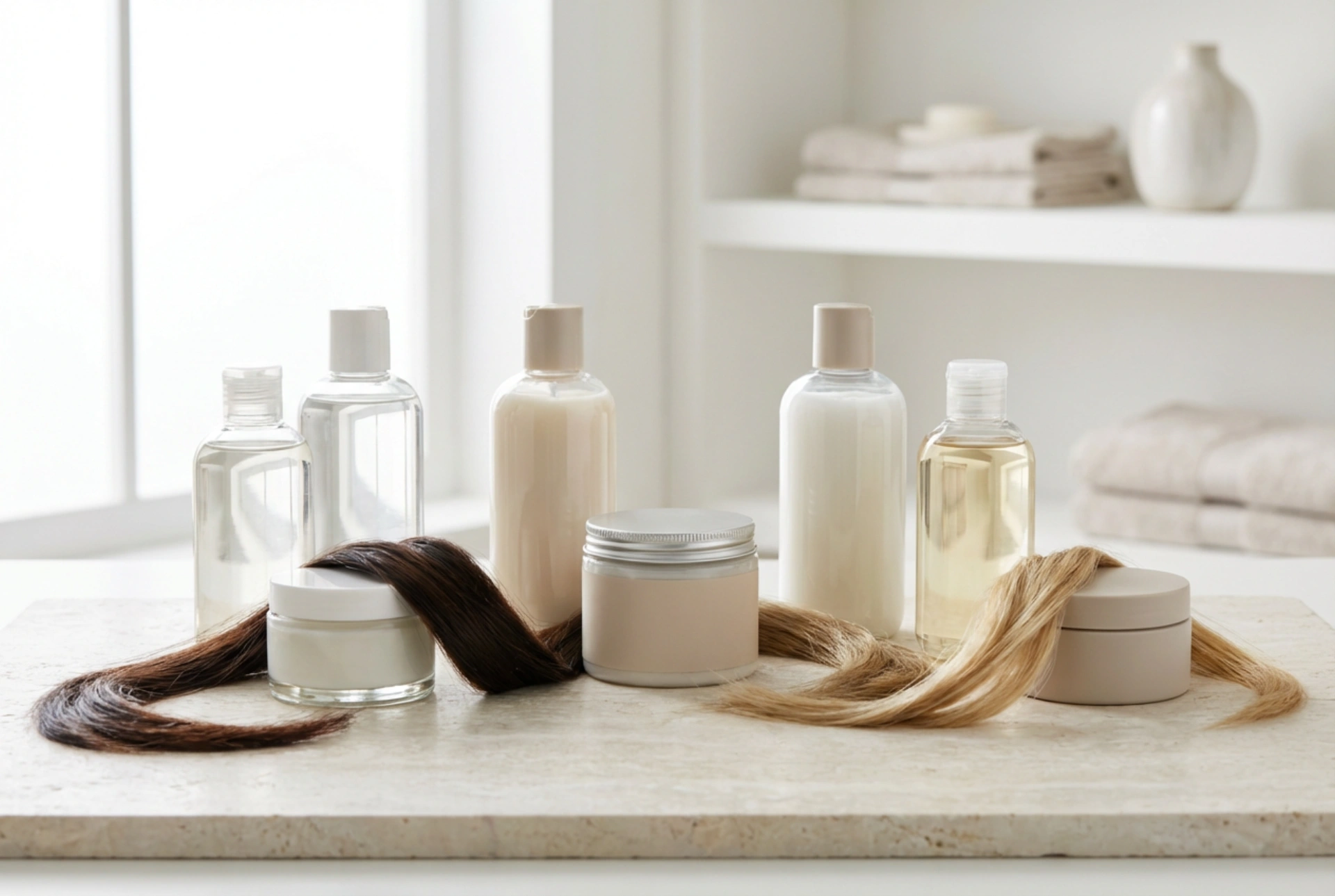
Navigating the world of hair conditioners can seem daunting, but most products fall into a few main categories. Choosing the right one depends on your hair type, its condition, and your styling needs.
Rinse-Out Conditioners
This is the most common type of conditioner, designed to be used in the shower right after shampooing. You apply it to the lengths of your hair, leave it on for a few minutes, and then rinse it out completely. These conditioners work to provide immediate detangling, smoothing, and a dose of hydration. They are suitable for almost all hair types and are a staple in a basic hair care routine.
Leave-In Conditioners
As the name suggests, these conditioners are not rinsed out. They are typically lighter in consistency, often coming in a spray or lotion form. Applied to towel-dried hair, a leave-in conditioner provides a continuous layer of moisture and protection throughout the day. It's particularly beneficial for dry, frizzy, or colour-treated hair that needs extra help with hydration, detangling, and protection from environmental stressors.
Deep Conditioners and Hair Masks
These are intensive treatments formulated with a higher concentration of nourishing and moisturising ingredients. Deep conditioners or masks are meant to be left on the hair for a longer period, typically from 15 to 30 minutes, to allow the ingredients to penetrate the hair shaft more deeply. They are ideal for repairing damage, restoring elasticity, and providing a significant boost of hydration. It is generally recommended to use a deep conditioner once a week or every few washes, especially if your hair is dry, damaged, or chemically processed.
How to Correctly Incorporate Conditioner into Your Hair Care Routine
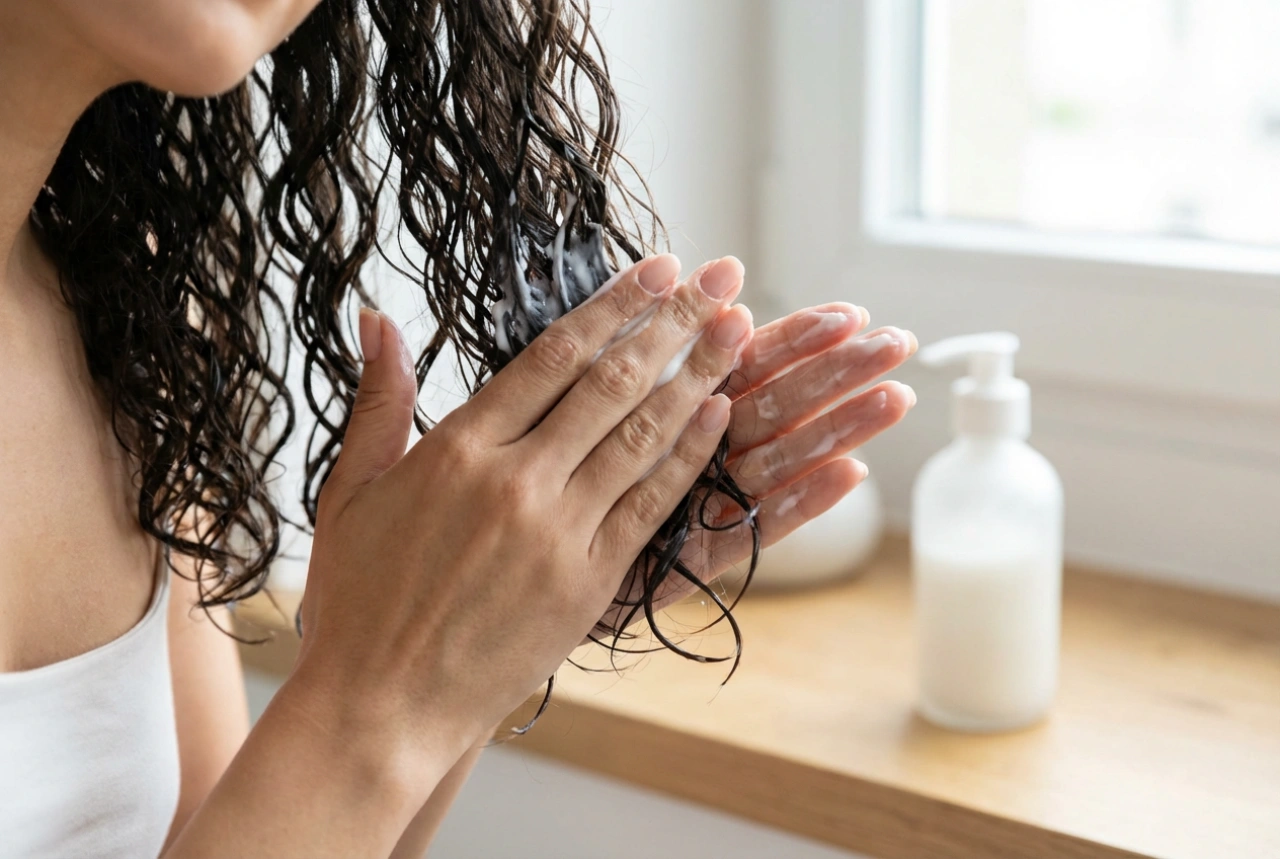
To get the most out of your conditioner, the application technique is just as important as the product itself. Follow this simple order for best results. First, wash your hair with shampoo, concentrating the product on your scalp. After rinsing the shampoo thoroughly, gently squeeze the excess water from your hair. Applying conditioner to soaking wet hair dilutes the product and reduces its effectiveness. Next, dispense an appropriate amount of conditioner and apply it, focusing on the mid-lengths and ends, which are the oldest and most fragile parts of your hair. Avoid applying conditioner directly to your scalp, as this can weigh down your roots and lead to build-up. Let the conditioner sit for the time recommended on the product label—usually 2-3 minutes for a rinse-out conditioner. Finally, rinse it out with cool or lukewarm water until your hair feels smooth but not slippery. A cool rinse helps to fully seal the cuticle.
Common Mistakes to Avoid When Using Conditioner
Even with the best products, certain habits can prevent you from achieving optimal results. Being aware of these common mistakes can make a significant difference in the health and appearance of your hair.
- Applying conditioner to the scalp: Your scalp produces natural oils (sebum) to keep itself moisturised. Adding conditioner can lead to greasy roots, product build-up, and weighed-down hair. Focus on the ends.
- Using too much or too little product: The right amount depends on your hair's length and thickness. Using too much is wasteful and can be difficult to rinse out, while using too little won't provide adequate conditioning.
- Not leaving it on long enough: Conditioner needs time to work its magic. Rinsing it out immediately after application won't give the ingredients enough time to adhere to and penetrate the hair shaft.
- Not rinsing thoroughly: Leaving conditioner residue in your hair can make it feel heavy, dull, and greasy. Ensure you rinse until the hair is smooth but no longer feels coated with product.
- Using the wrong type for your hair: A heavy, rich mask on fine, thin hair will weigh it down, while a light, rinse-out conditioner may not be sufficient for thick, coarse, or damaged hair. Tailor your choice to your hair's specific needs.
In conclusion, conditioner is a non-negotiable step for maintaining healthy, manageable hair. By understanding the different types available and mastering the correct application technique, you can effectively nourish your strands, prevent damage, and unlock your hair's natural shine and softness. Avoiding common mistakes will ensure you reap all the benefits this essential hair care product has to offer.