

Incorporating active ingredients into your skincare routine requires knowledge and a thoughtful approach. Retinol, a derivative of vitamin A, is one of the most well-known components in cosmetics aimed at improving skin texture and appearance. Using it in the form of a face mask can be an excellent way to introduce this substance into your regimen. Here’s how to do it correctly to enjoy its benefits while minimising the risk of irritation.
What are retinol face masks and how do they work?
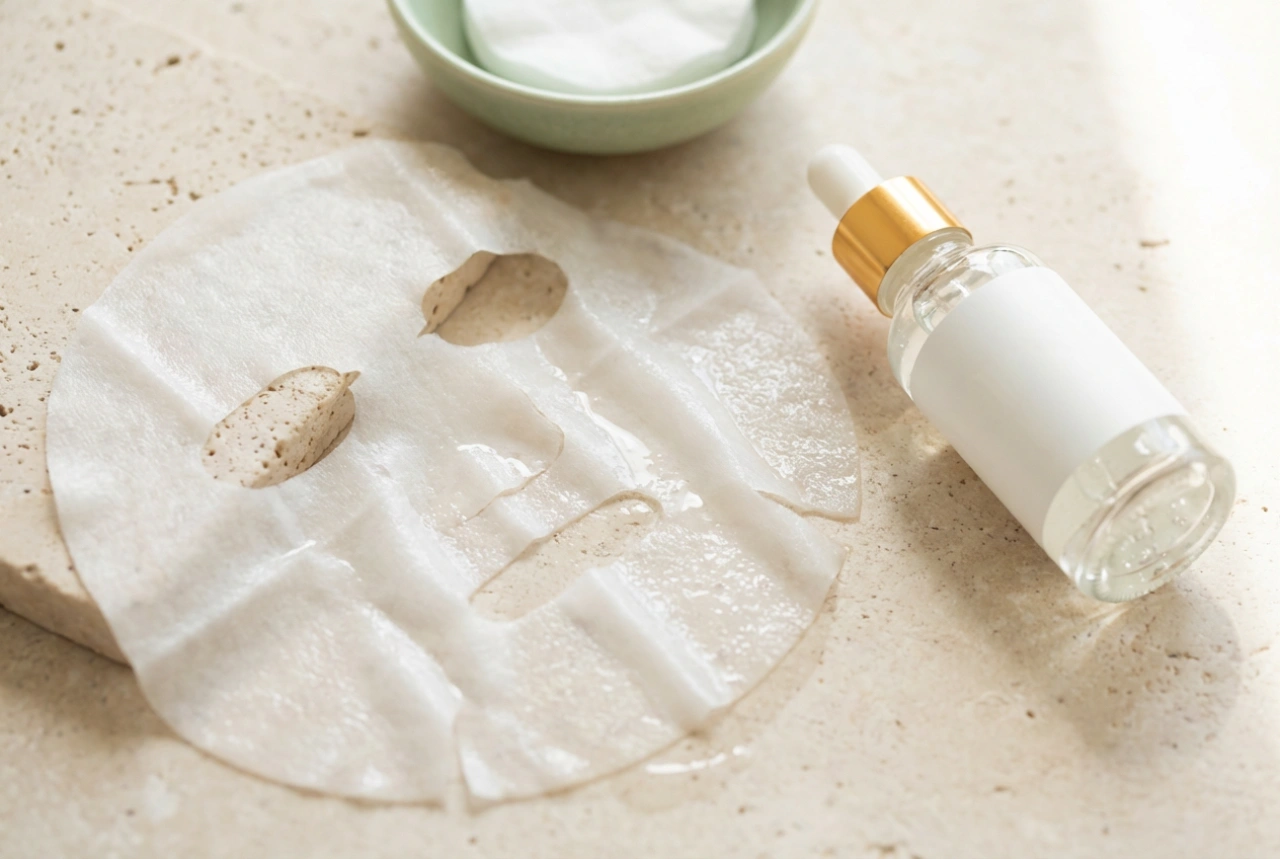
Retinol face masks are cosmetic products, typically in cream or sheet form, containing a specific concentration of retinol. Their purpose is to provide an intensive, yet controlled, dose of this active ingredient. Retinol works by supporting the skin's natural renewal processes. When applied topically, it helps to accelerate cell turnover, which can lead to a smoother, more even-toned, and radiant complexion. It also supports the skin's natural collagen production, which contributes to a firmer and more youthful appearance over time. Masks allow the ingredient to penetrate the skin effectively during the application time, usually 15-20 minutes.
How to create an application plan for retinol masks
A structured plan is key to successfully incorporating retinol into your skincare. Haphazard use can lead to irritation, redness, and dryness, especially for those new to this ingredient.
Starting your journey with retinol
Before applying a retinol mask to your entire face, it's crucial to perform a patch test. Apply a small amount of the product to a discreet area of skin, such as behind the ear or on the inner forearm. Wait 24-48 hours and observe for any signs of significant irritation, such as intense redness, itching, or burning. A little tingling or mild redness can be normal initially, but strong reactions are a sign to proceed with caution or choose a product with a lower concentration.
Frequency of use
Start slowly. For the first few weeks, use the retinol mask just once a week. This allows your skin to gradually build tolerance, a process known as retinization. If your skin responds well without excessive dryness or irritation, you can consider increasing the frequency to twice a week after about a month. It's rarely necessary to use a retinol mask more often than that, as they are designed for intensive treatment rather than daily use.
The best time for application
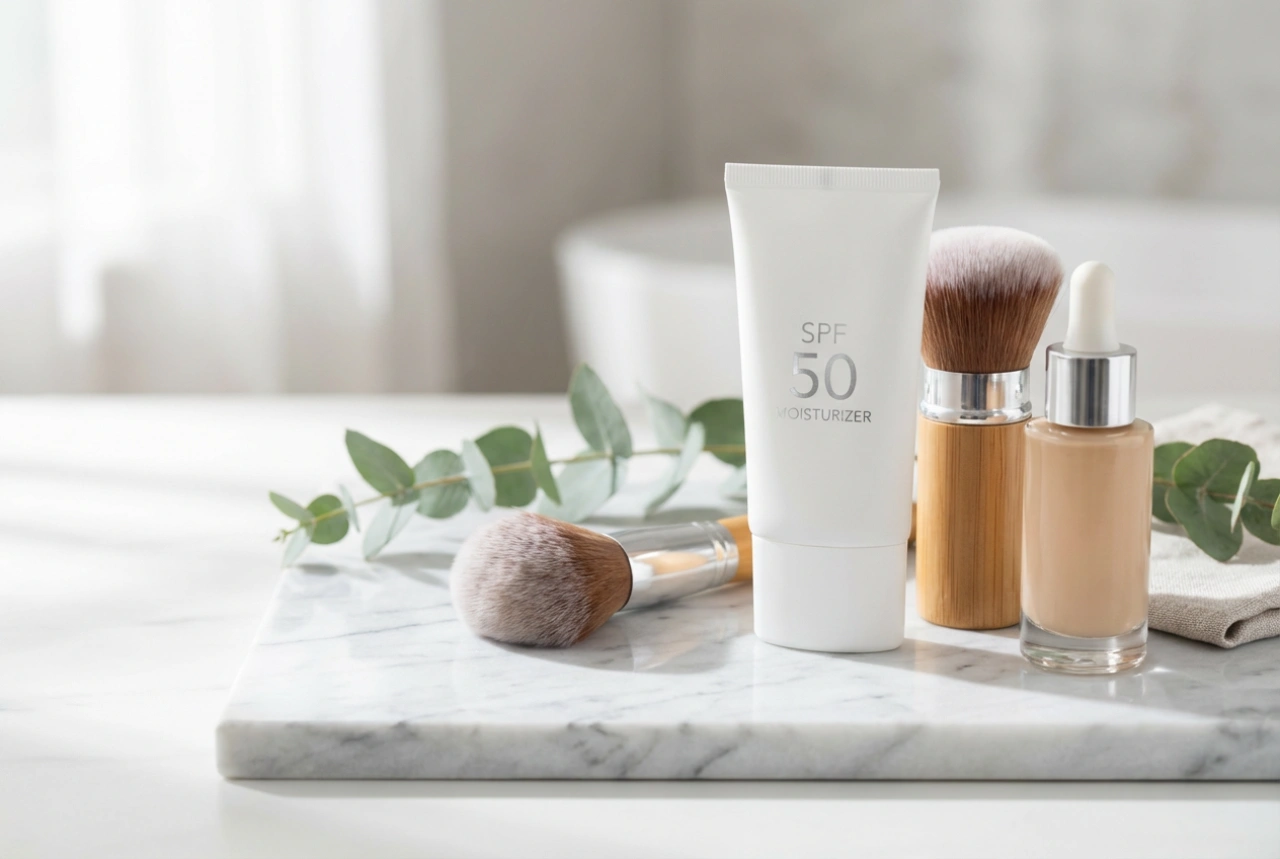
Always use retinol products in your evening skincare routine. This is because retinol can make your skin more sensitive to ultraviolet (UV) radiation. Applying it at night minimises this risk and allows the ingredient to work in sync with your skin's natural overnight repair processes. The following morning, it is absolutely essential to apply a broad-spectrum sunscreen with a high SPF to protect your sensitised skin from sun damage.
Combining retinol masks with other skincare products
What you apply before and after your retinol mask is just as important as the mask itself. Proper layering enhances the benefits of retinol and helps to mitigate potential side effects.
What to use with a retinol mask
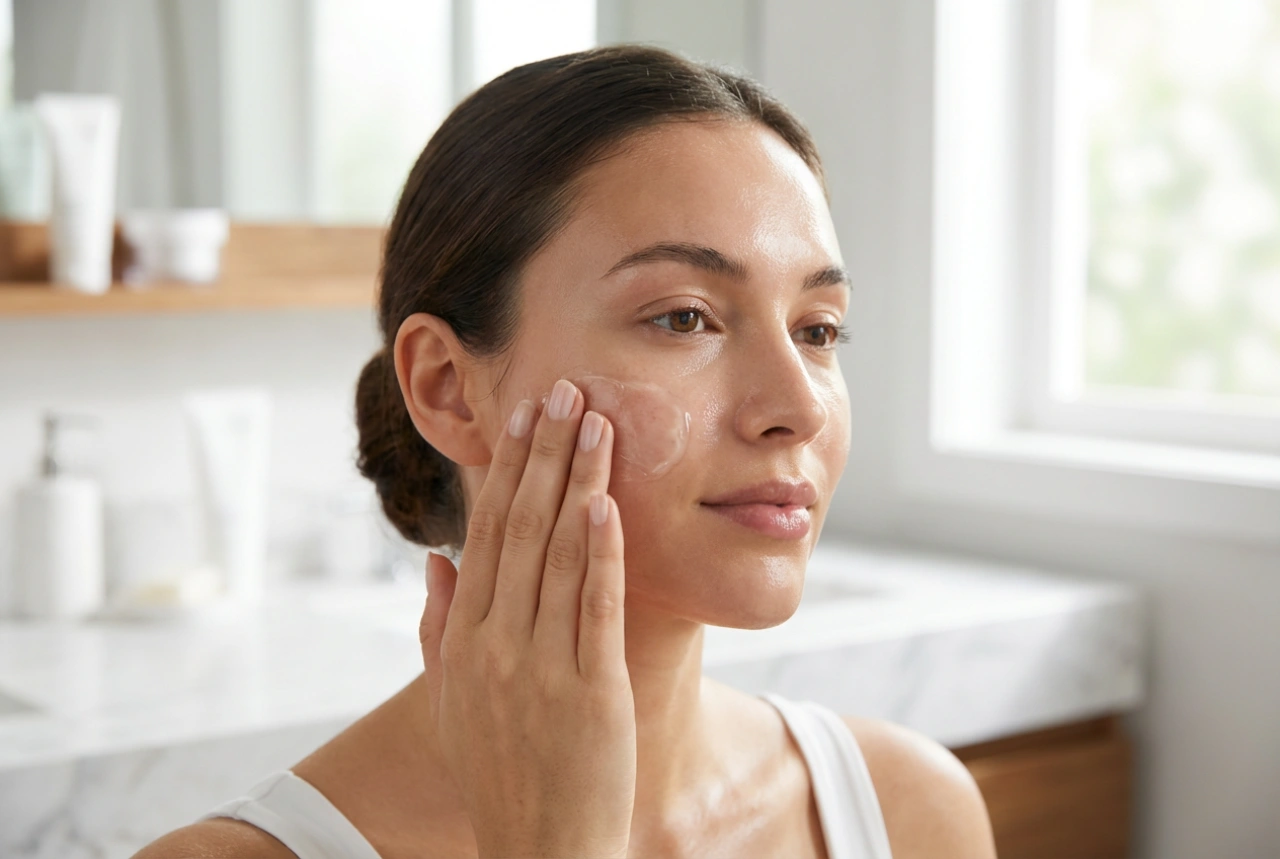
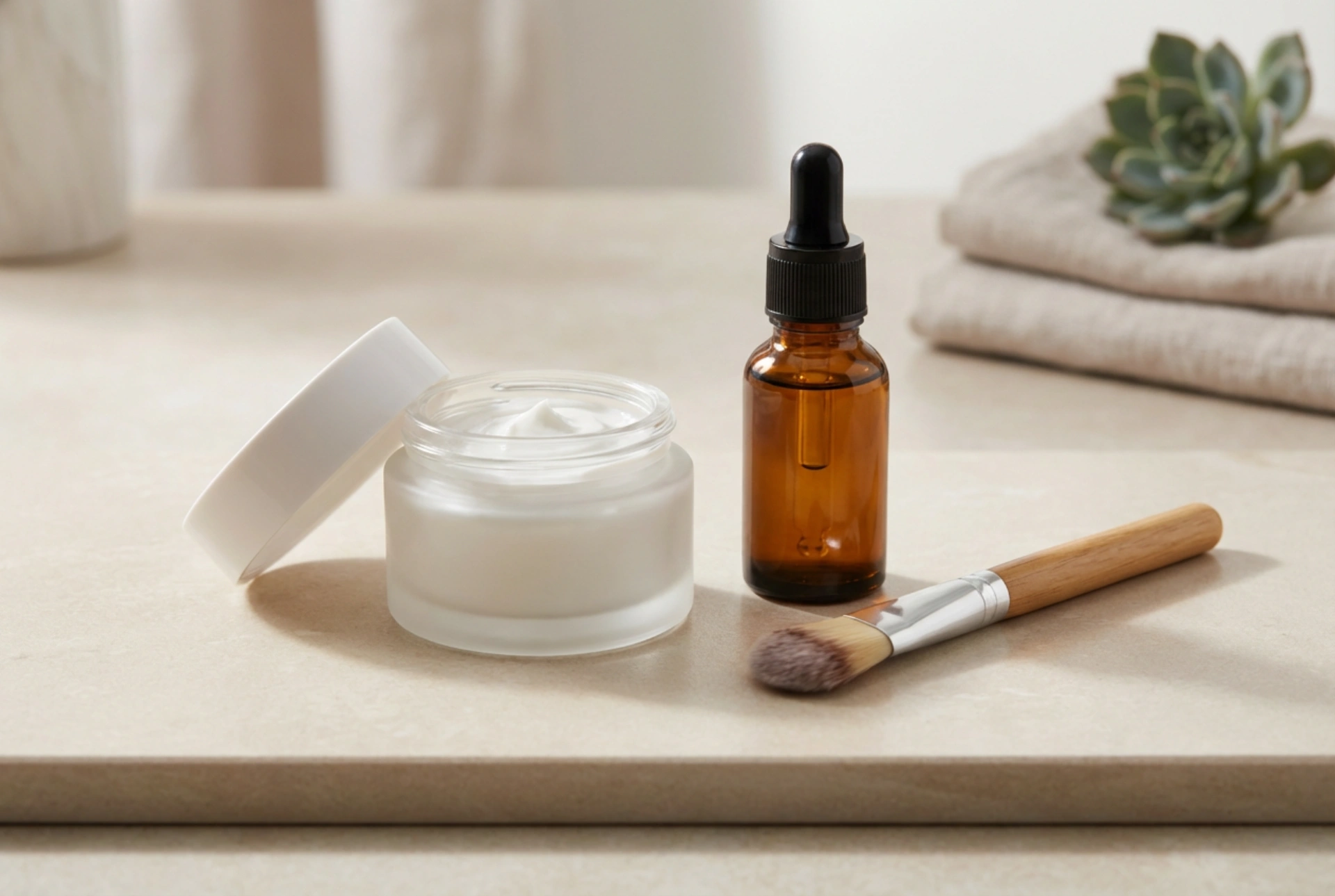
Cleanse your face thoroughly and ensure it is completely dry before application. Applying retinol to damp skin can increase its penetration, which might sound good but can also heighten the risk of irritation. After removing the mask and patting any remaining serum into the skin, follow up with a deeply hydrating and soothing moisturiser. Look for ingredients like hyaluronic acid, ceramides, and glycerin. These help to replenish the skin's moisture barrier, which can be compromised by retinol, and reduce dryness and flaking.
Ingredients to avoid when using retinol
To avoid over-exfoliating or irritating your skin, do not use a retinol mask on the same night as other strong active ingredients. This includes exfoliating acids like AHAs (glycolic acid, lactic acid) and BHAs (salicylic acid), as well as vitamin C (ascorbic acid). While you can use these ingredients in your overall weekly routine, they should be applied on different days. For example, you might use an AHA/BHA toner on Monday and a retinol mask on Wednesday. Also, avoid using harsh physical scrubs on the days you use retinol.
Common mistakes to avoid
Navigating the world of retinol can be tricky. Here are some frequent errors to be aware of:
- Using it too often, too soon: Patience is essential. Increasing frequency too quickly is the most common cause of irritation.
- Skipping sunscreen: This is non-negotiable. Retinol increases photosensitivity, and without daily sun protection, you risk sun damage that counteracts the benefits of retinol.
- Applying to damp skin: Always wait until your skin is completely dry after cleansing to minimise potential irritation.
- Ignoring skin's signals: If your skin becomes persistently red, flaky, or uncomfortable, take a break from retinol for a few days and focus on hydration and barrier repair.
- Combining with other strong actives: Avoid using exfoliating acids or high-concentration vitamin C in the same routine as your retinol mask.
- Expecting overnight results: Cosmetic skincare improvements take time. Consistent use over several weeks or months is necessary to see noticeable changes in skin texture and appearance.