

Often overlooked in our daily beauty rituals, foot care is a fundamental aspect of both comfort and aesthetics. Well-maintained, smooth heels are not just a sign of meticulous self-care but also contribute to overall well-being. The skin on our heels is unique and requires dedicated attention, with specialised heel creams being the cornerstone of an effective routine. Understanding how to choose and use these products correctly is key to transforming dry, rough feet into ones you are proud to show off.
Why Do Heels Need Special Attention?
The skin on the soles of our feet, particularly the heels, is naturally thicker than anywhere else on the body. This is a protective measure designed to withstand the daily pressure of walking and standing. However, this skin has very few oil glands, making it inherently prone to dryness. When you combine this lack of natural moisture with constant friction and pressure, the result is often roughness, flakiness, and in more advanced cases, painful cracks and fissures. Regular body lotions are often not powerful enough to penetrate this thick layer of skin, which is why creams formulated specifically for heels are so important.
Understanding Different Heel Cream Formulas
Not all heel creams are created equal. They are formulated with different active ingredients to target specific concerns, from mild dryness to severe calluses. Choosing the right one depends on the condition of your feet.
Emollient-Based Creams
Emollients are ingredients that soften and smooth the skin by filling in the gaps between skin cells. Formulations rich in ingredients like lanolin, shea butter, cocoa butter, and mineral oil work by creating a protective barrier on the skin's surface. This barrier locks in existing moisture and prevents further water loss, making the skin more flexible and less prone to cracking. These creams are ideal for daily maintenance and for treating mild to moderate dryness.
Humectant-Rich Formulations
Humectants are ingredients that attract water molecules from the air and the deeper layers of your skin, drawing them to the skin's surface. Key humectants used in foot care include glycerin, hyaluronic acid, and urea in lower concentrations (typically under 10%). These formulas are excellent for tackling dehydration and flakiness, as they actively increase the water content of the skin, leaving heels feeling plump and hydrated.
Keratolytic Creams
For very rough, thick, and calloused heels, a keratolytic cream is often necessary. Keratolytics are substances that soften and break down the outer layer of the skin (the stratum corneum). Ingredients like urea in higher concentrations (15% and above), salicylic acid, and alpha-hydroxy acids (AHAs) such as lactic acid or glycolic acid, help to exfoliate and shed the build-up of dead skin cells. This reveals the softer, smoother skin underneath. Due to their potent action, these creams should be used as directed, often for a limited period, to resolve tough skin issues.
The Correct Way to Apply Heel Cream
To get the most out of your chosen product, application technique matters. Following a simple routine will dramatically improve your results.
- Start with Clean, Damp Feet: The best time to apply heel cream is right after a bath, shower, or foot soak. The warm water softens the skin, making it more receptive to the cream. Gently pat your feet dry, leaving them slightly damp.
- Exfoliate Gently (If Needed): A couple of times a week, before applying cream, use a pumice stone or a gentle foot file on your damp heels. Use light, even strokes to remove loose, dead skin. Avoid aggressive scrubbing, which can damage the skin.
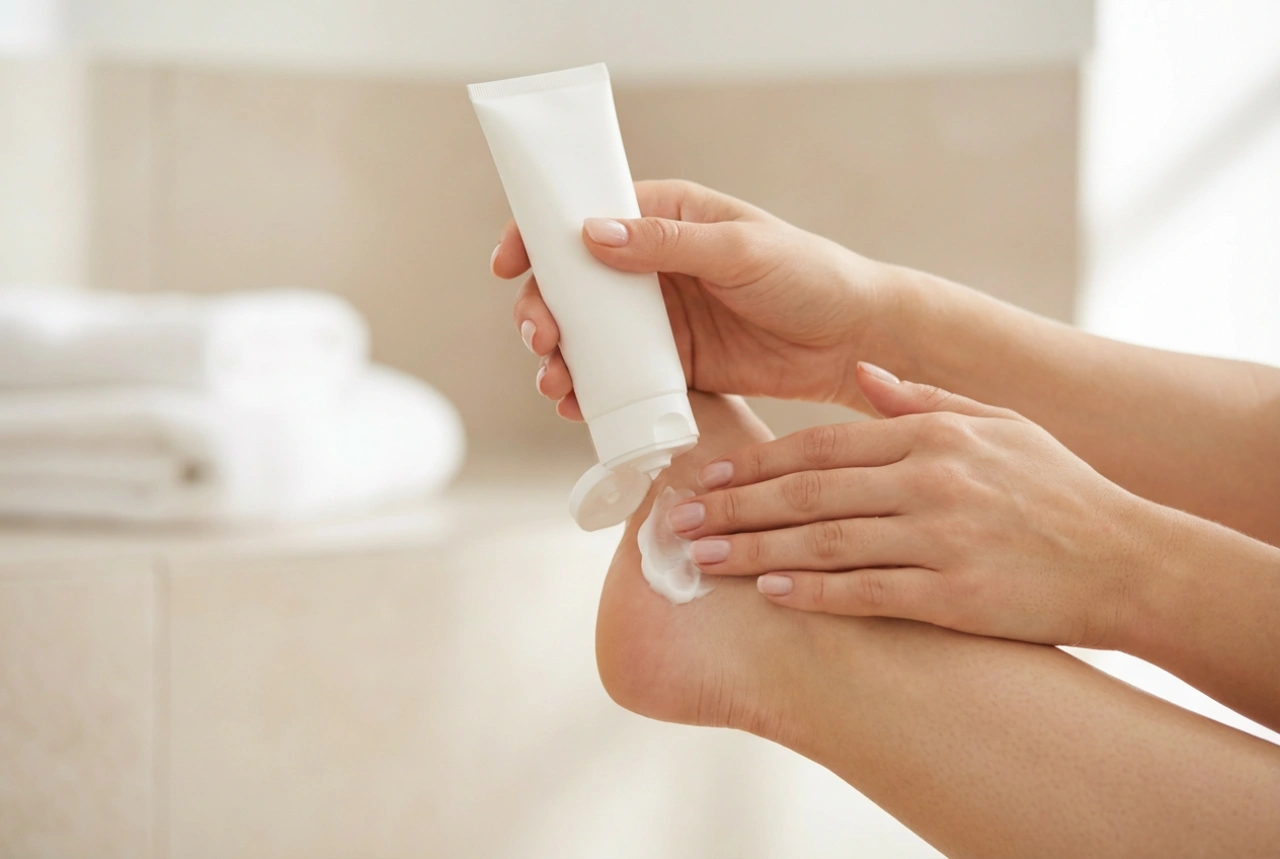
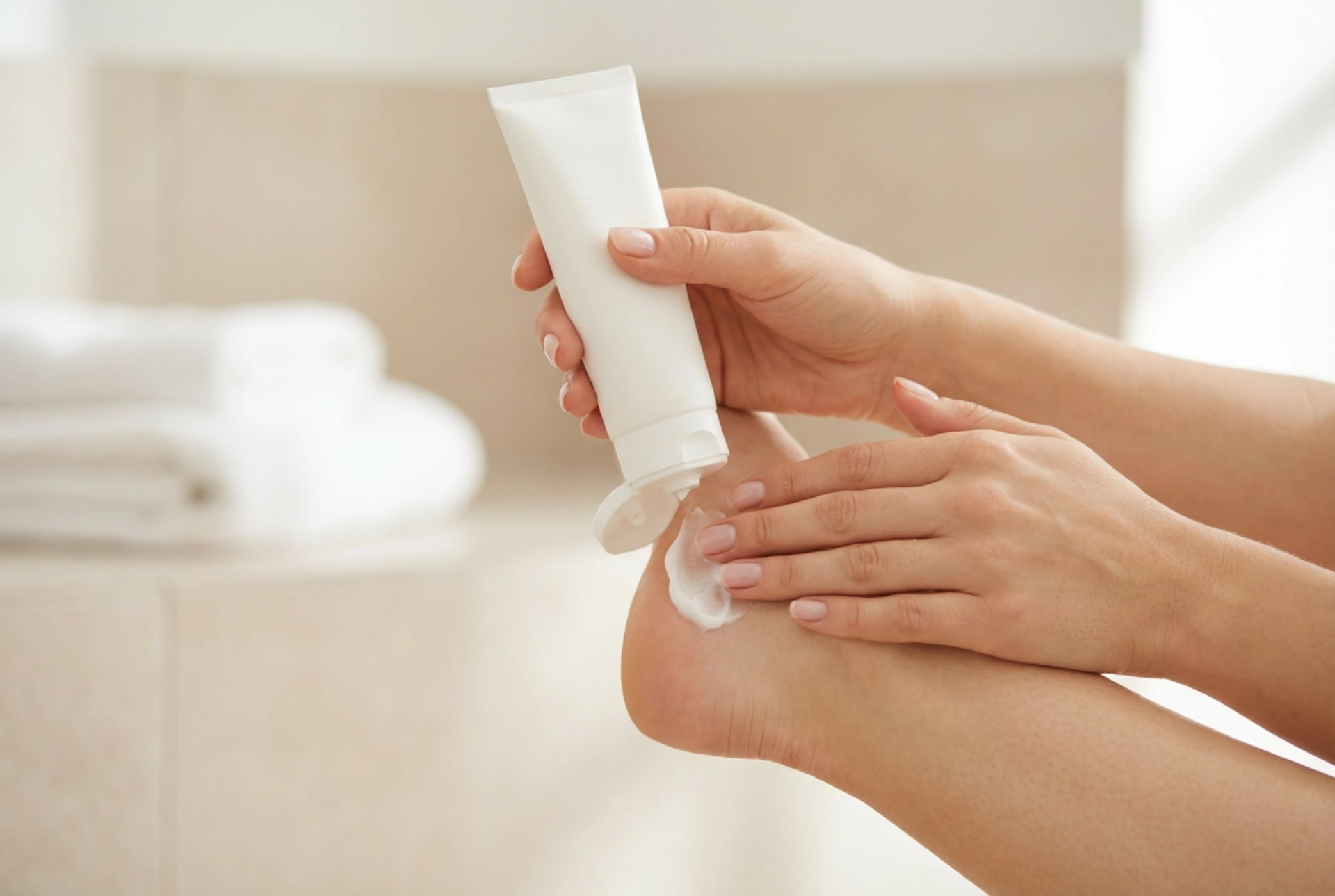
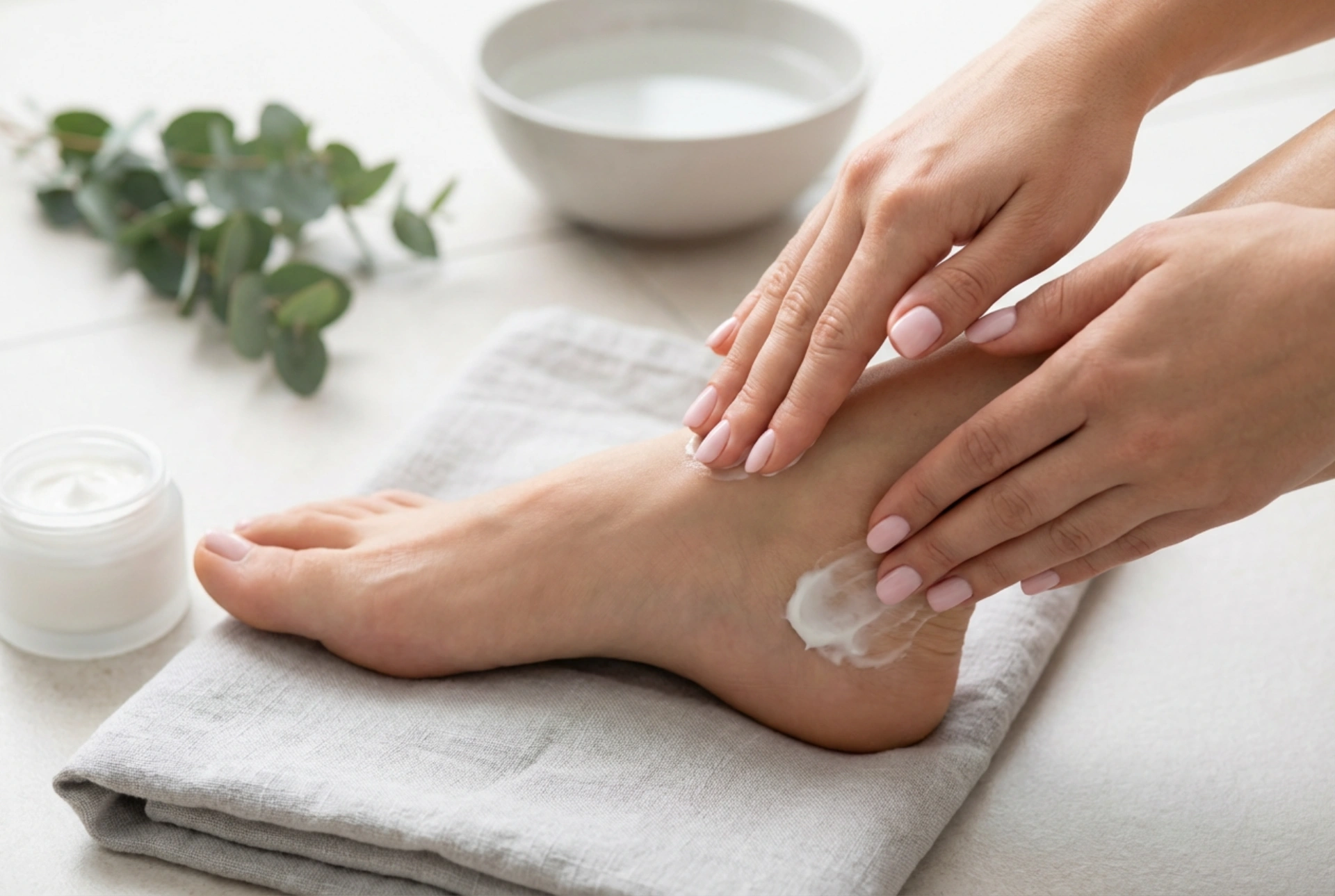
- Apply a Generous Amount: Don't be stingy. Apply a pea-sized to grape-sized amount of cream directly onto each heel and any other dry areas.
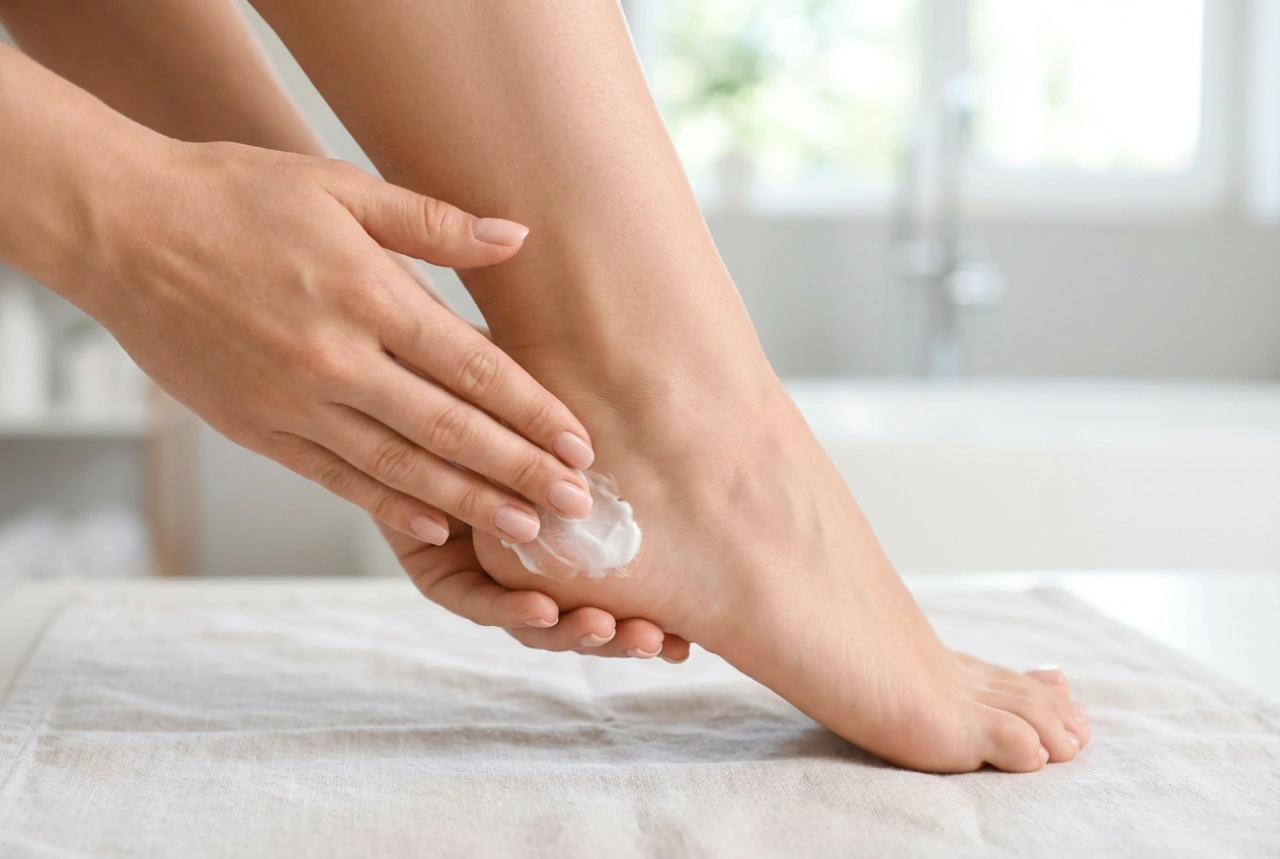
- Massage Thoroughly: Work the cream into your skin using firm, circular motions. Massaging not only ensures even coverage and better absorption but also helps to stimulate blood flow to the area.
- The Overnight Treatment: For an intensive moisturising boost, apply a thick layer of cream to your heels at bedtime and then put on a pair of clean cotton socks. The socks will prevent the cream from rubbing off on your sheets and will help lock in the moisture while you sleep.
Common Mistakes to Avoid in Heel Care
Achieving soft heels is also about avoiding common pitfalls that can sabotage your efforts.
- Inconsistent Application: Applying cream only when your heels are already cracked is a reactive approach. For best results, foot care should be a proactive, daily habit to prevent problems from developing.
- Using the Wrong Product: As mentioned, a standard body lotion is usually insufficient for the thick skin on your heels. Always opt for a product specifically designed for feet.
- Over-Exfoliating: Scrubbing too hard or too often can strip the skin's protective barrier, causing irritation and leading to even more dryness and cracking as the skin tries to protect itself. Be gentle and limit exfoliation to 2-3 times per week.
- Ignoring Footwear: Constantly wearing open-backed shoes, like sandals or mules, allows the fat pad on the heel to expand sideways, increasing the likelihood of cracks. Ill-fitting shoes that cause friction can also contribute to calluses.
- Forgetting Internal Hydration: Healthy skin starts from within. Make sure you are drinking enough water throughout the day, as dehydration can affect skin all over your body, including your feet.
By incorporating these practices into your regular routine, you can effectively manage and prevent dry, rough heels. Consistent care with the right formula and proper application is the simple secret to maintaining feet that are not only beautiful but also healthy and comfortable year-round.