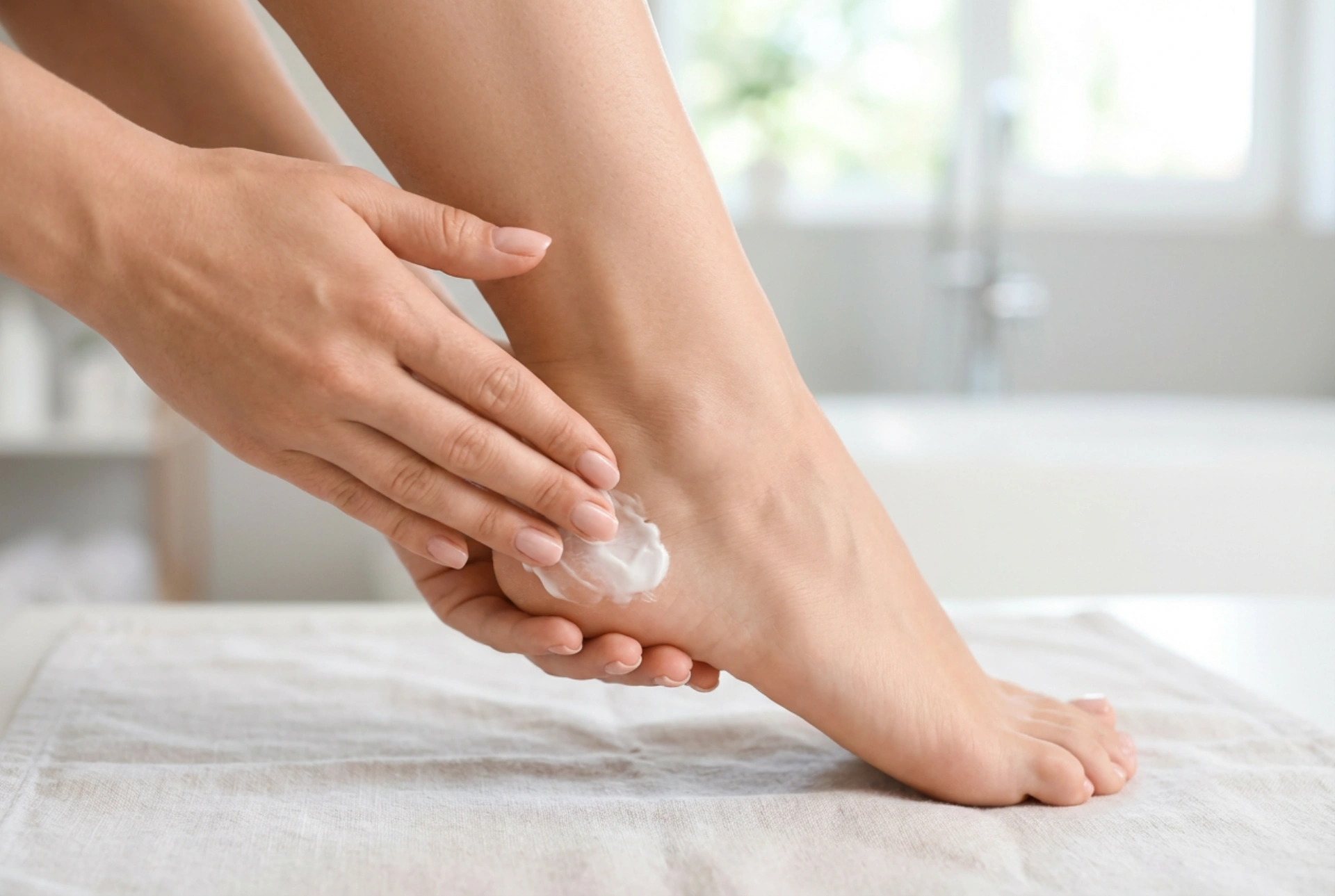


Often overlooked in our daily beauty rituals, our feet carry us through life and deserve dedicated care. Just as we pamper our hands and face, providing targeted moisture to our feet can make a world of difference, transforming them from tired and dry to soft, smooth, and comfortable. A high-quality foot cream is the cornerstone of this care, but understanding what makes a formula effective and how to use it correctly is key to unlocking its full potential. This guide will walk you through the essentials of choosing and applying foot cream for visibly beautiful results.
What Defines an Effective Foot Cream?
The skin on our feet is unique; it's thicker and subject to more pressure and friction than anywhere else on the body, making it prone to dryness and roughness. An effective foot cream is specifically formulated to address these challenges. When examining a product's composition, look for a blend of ingredients that work together to hydrate, soften, and protect.
Key Ingredient Categories
- Humectants: These ingredients are moisture magnets, drawing water from the air and deeper skin layers to the surface. Key examples include glycerine, hyaluronic acid, and urea. In lower concentrations, urea is a fantastic hydrator, helping the skin to retain moisture.
- Emollients: Their primary role is to soften and smooth the skin's surface by filling in the gaps between skin cells. This makes the skin feel more supple and flexible. Look for ingredients like shea butter, cocoa butter, and various plant oils, such as jojoba or almond oil.
- Occlusives: These form a protective physical barrier on the skin, preventing moisture from evaporating. This is particularly important for feet, which can lose moisture quickly. Ingredients like petrolatum, mineral oil, and silicones (e.g., dimethicone) are powerful occlusives that lock in hydration applied by other ingredients.
- Exfoliating Agents: For dealing with rough patches and thickened skin, gentle exfoliants can be very beneficial. Ingredients like alpha-hydroxy acids (AHAs) such as lactic acid or glycolic acid, or higher concentrations of urea, help to promote the shedding of dead skin cells, revealing softer skin underneath.
Choosing a Cream for Your Specific Needs
Not all feet have the same requirements. Tailoring your choice of cream to your specific concerns will yield much better results. Consider what your main goal is when selecting a formula.
For Everyday Maintenance and Dryness
If your feet are generally in good condition but tend to feel dry, a cream with a balanced blend of humectants and emollients is ideal. A formula that absorbs relatively quickly will be comfortable for daily use, providing sustained hydration without feeling greasy.
For Very Rough, Hard Skin
To tackle stubborn roughness, particularly on the heels and balls of the feet, you need a more intensive product. Seek out a cream that contains an exfoliating agent like urea or lactic acid in addition to rich emollients and occlusives. This combination will work to both soften existing hard skin and smooth the surface over time.
For an Intensive Overnight Treatment
For a deep conditioning experience, a thick balm or ointment is the best choice. These products are typically rich in occlusives and emollients, creating a heavy-duty barrier that allows the hydrating ingredients to work undisturbed overnight. They might feel too heavy for daytime use but are perfect for a restorative night-time ritual.
The Art of Application: Maximising Your Results
Simply applying cream is not enough; how and when you do it matters. Following a simple routine will ensure you get the most benefit from your chosen product.
- Start with Clean, Damp Skin: The best time to apply foot cream is after a bath or shower when your skin is clean and still slightly damp. This helps the product to absorb more effectively and lock in the surface moisture.
- Warm the Product: Squeeze a generous amount of cream into your palms and rub them together to warm it up. This makes the formula more pliable and pleasant to apply.
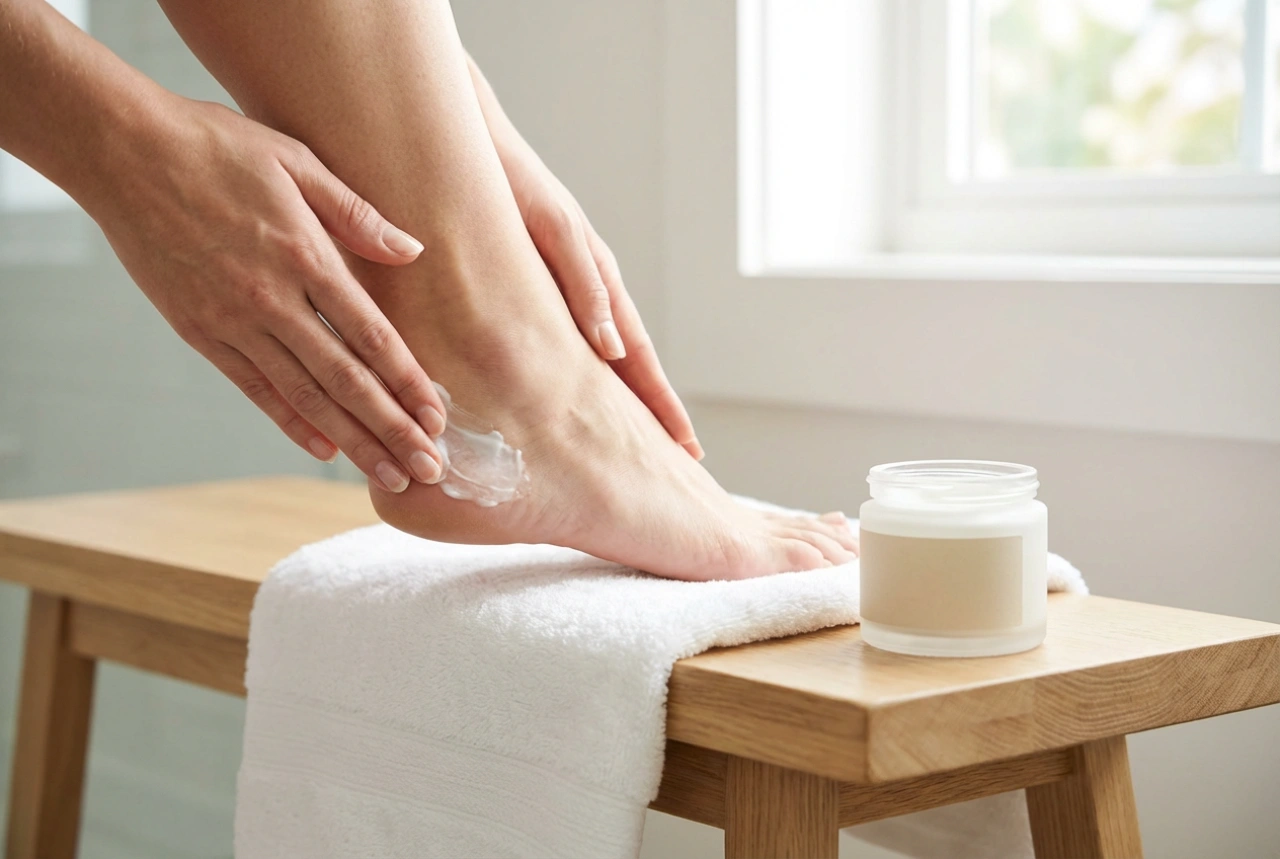
- Massage Thoroughly: Apply the cream to your entire foot, including the top, ankle, sole, and toes. Use firm, circular motions to massage it in, paying special attention to the driest areas like the heels. This not only helps with absorption but also stimulates circulation.
- The Cotton Sock Trick: For a truly intensive treatment, apply a thick layer of cream before bed and then pull on a pair of clean cotton socks. The socks prevent the cream from rubbing off on your sheets and create a warm, occlusive environment that forces the moisturising ingredients deep into the skin. You will wake up to noticeably softer feet.
- Be Consistent: The single most important factor for success is consistency. Make foot cream application a non-negotiable part of your daily, or at least nightly, routine. Lasting softness is the result of cumulative care, not a one-time treatment.