

Achieving smooth, hair-free skin is a common goal in many beauty routines. With a variety of tools available, from razors and creams to waxes, it can be confusing to know which path to take. Fundamentally, all hair removal techniques fall into two main categories: depilation and epilation. Understanding the difference between them is the first step towards choosing the method that best suits your lifestyle, pain tolerance, and desired results.
What is Depilation?
Depilation refers to the removal of hair from the surface of the skin. The hair root and follicle beneath the skin remain untouched. Because it only targets the visible part of the hair, depilation offers a quick, and typically painless, solution for temporary smoothness. The results are short-lived as the hair continues to grow from the follicle and becomes visible again within a few days.
Common Depilation Methods
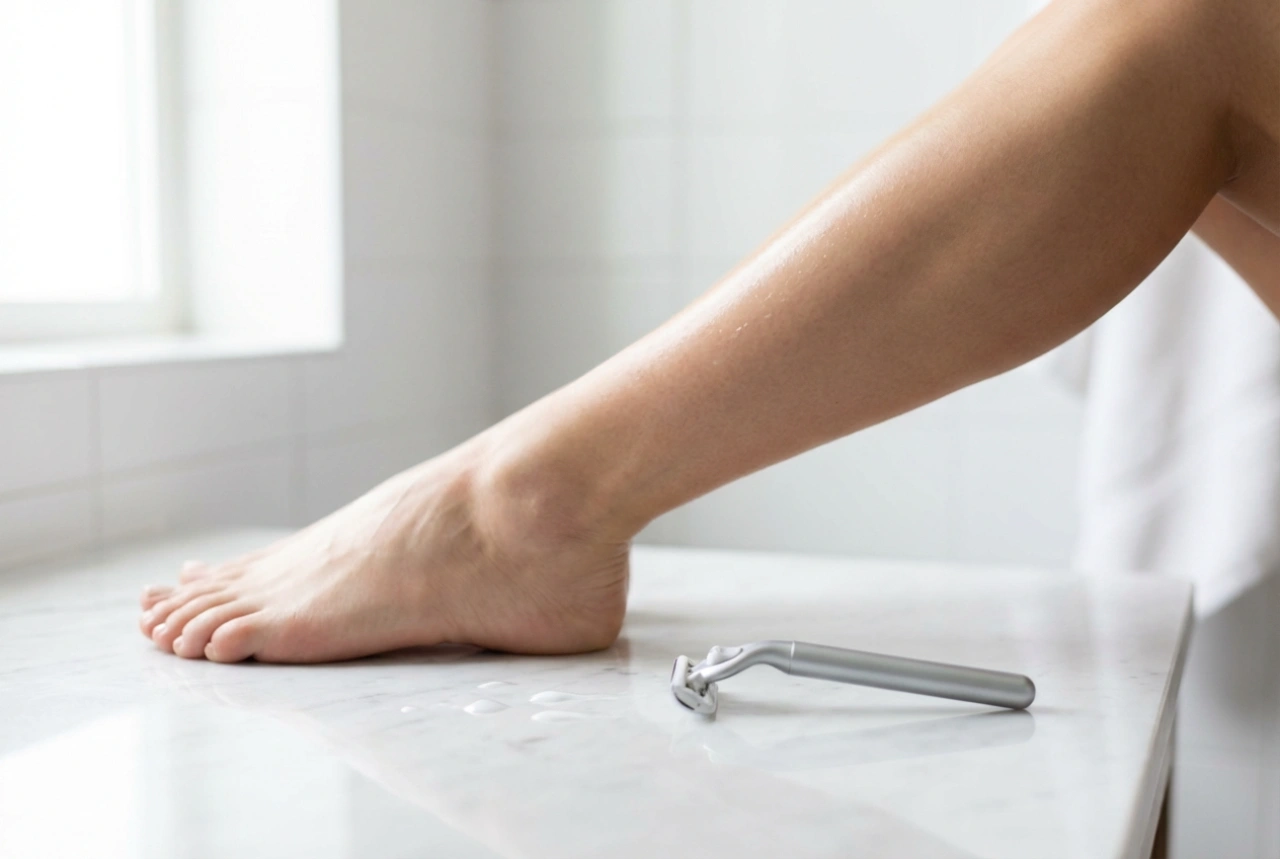
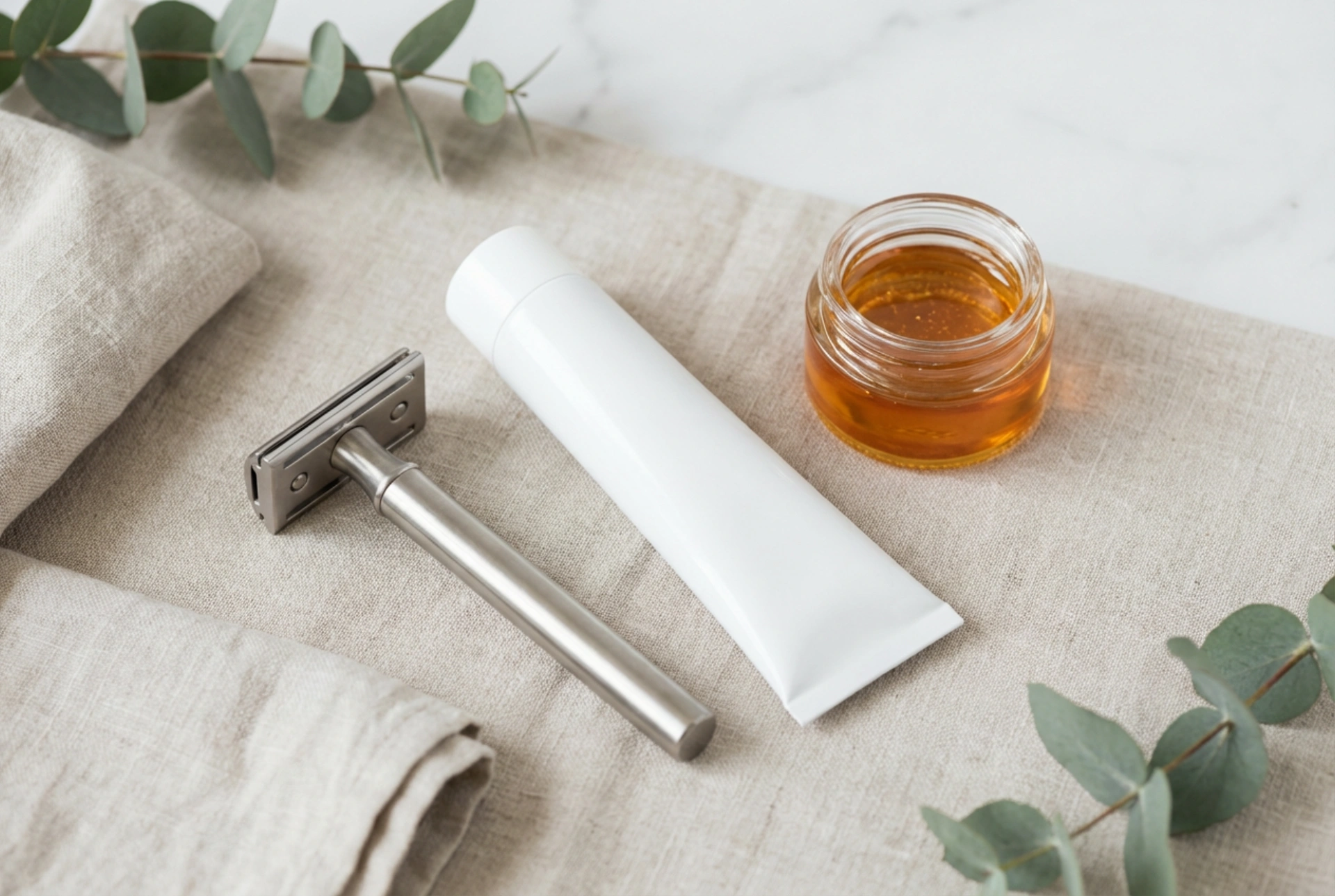
- Shaving: This is perhaps the most common depilation method. Using a razor, the hair is cut level with the skin's surface. It's fast, inexpensive, and can be done easily at home. However, results last only a day or two, and frequent shaving can sometimes lead to skin irritation, razor burn, or ingrown hairs if not done with care. The cut edge of the hair can also feel blunt or coarse as it grows back.
- Depilatory Creams: These creams or lotions use chemicals (thioglycolates) to break down the keratin structure of the hair, effectively dissolving it at the surface. The cream is applied, left for a specified time, and then wiped or rinsed off, taking the weakened hair with it. It’s painless and provides slightly longer-lasting results than shaving. It is crucial to perform a patch test before first use to check for skin sensitivity or allergic reactions.
What is Epilation?
Epilation, in contrast, involves removing the entire hair, including the part below the skin's surface: the root. Because the hair is removed from the follicle, it takes much longer to grow back. Over time, repeated epilation can even lead to hair growing back finer and less densely. This long-term effect is what attracts many to these methods, despite them being generally more uncomfortable than depilation.
Common Epilation Methods
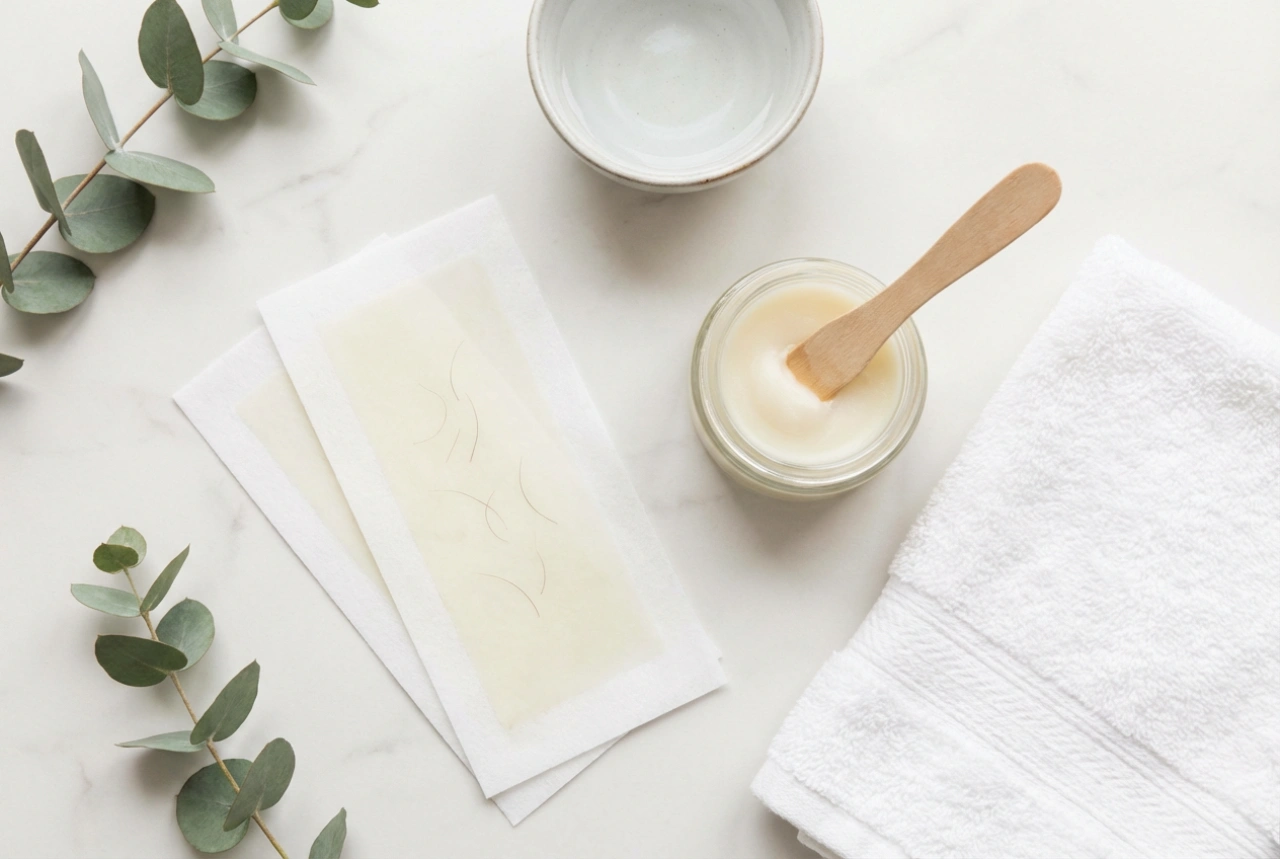
- Waxing and Sugaring: In waxing, warm or cold wax is applied to the skin in the direction of hair growth. A strip of cloth or the wax itself is then pulled off quickly against the direction of growth, pulling the hairs out from the root. Sugaring is a similar, ancient method using a paste made of sugar, lemon, and water. It is often considered gentler as the paste adheres less to the skin and is pulled in the direction of hair growth, reducing discomfort and breakage. Both methods provide smooth skin for two to six weeks.
- Epilators: An epilator is an electrical device that uses a series of rotating tweezers to pluck multiple hairs from the root simultaneously. It can be used on dry skin or sometimes in the shower, depending on the model. While the initial experience can be painful, many find that the discomfort lessens with regular use. Epilators are effective on very short hairs and are a convenient at-home option for long-lasting smoothness.
- Tweezing: This is the most basic form of epilation, using tweezers to pluck individual hairs. It's ideal for small, precise areas like eyebrows or stray facial hairs, but it is too time-consuming for larger areas like the legs.
How to Choose the Right Method for You
Deciding between depilation and epilation depends entirely on your personal priorities. Ask yourself the following questions:
- What is my pain tolerance? If you have a low tolerance for pain, depilation methods like shaving or using creams are your best bet. If you can handle some discomfort for longer-lasting results, epilation might be worth exploring.
- How long do I want the results to last? For a quick fix before an event, depilation is perfect. For weeks of smoothness, for example for a holiday, an epilation method like waxing or using an epilator is more suitable.
- What is my budget? Shaving is very cost-effective initially. Depilatory creams are also affordable. An epilator is a one-time investment that pays off over time, while professional waxing can be a recurring expense.
- How much time do I have? Shaving is very quick. Creams require a few minutes of waiting time. Waxing and epilating can be more time-consuming sessions, but they are performed less frequently.
Essential Pre- and Post-Care for Hair Removal
Regardless of the method you choose, proper skin care is essential to minimise irritation and achieve the best results.
Before Hair Removal
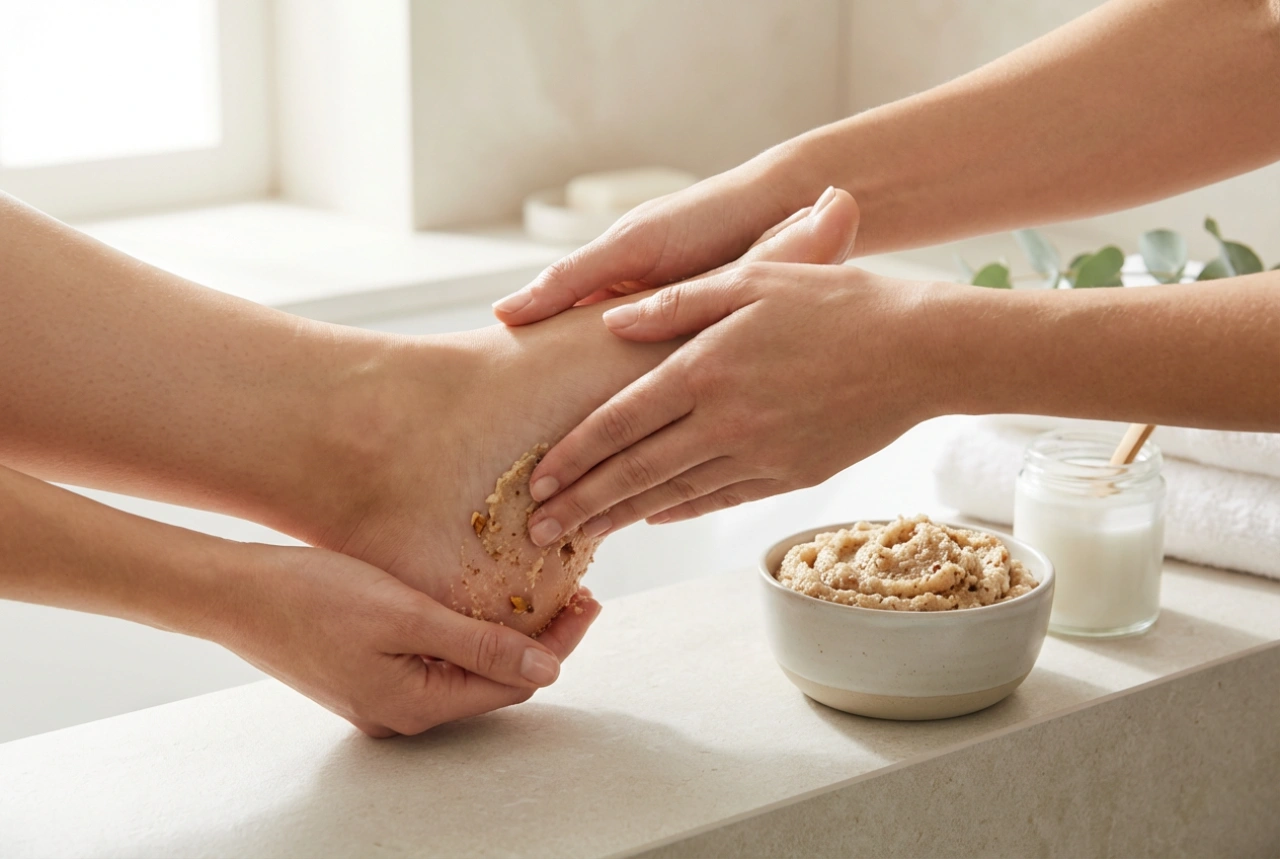
Gently exfoliate your skin a day or two before your session. This removes dead skin cells and helps prevent ingrown hairs, especially for epilation methods. Ensure your skin is clean and free from oils or lotions just before you begin.
After Hair Removal
Immediately after, your skin may be sensitive. Avoid hot baths, saunas, tight clothing, and heavily perfumed products for at least 24 hours. Apply a soothing, alcohol-free moisturiser or a product containing calming ingredients like aloe vera to help the skin recover. Continue to moisturise daily to keep the skin soft and exfoliate gently once or twice a week to help the new hairs grow back properly.