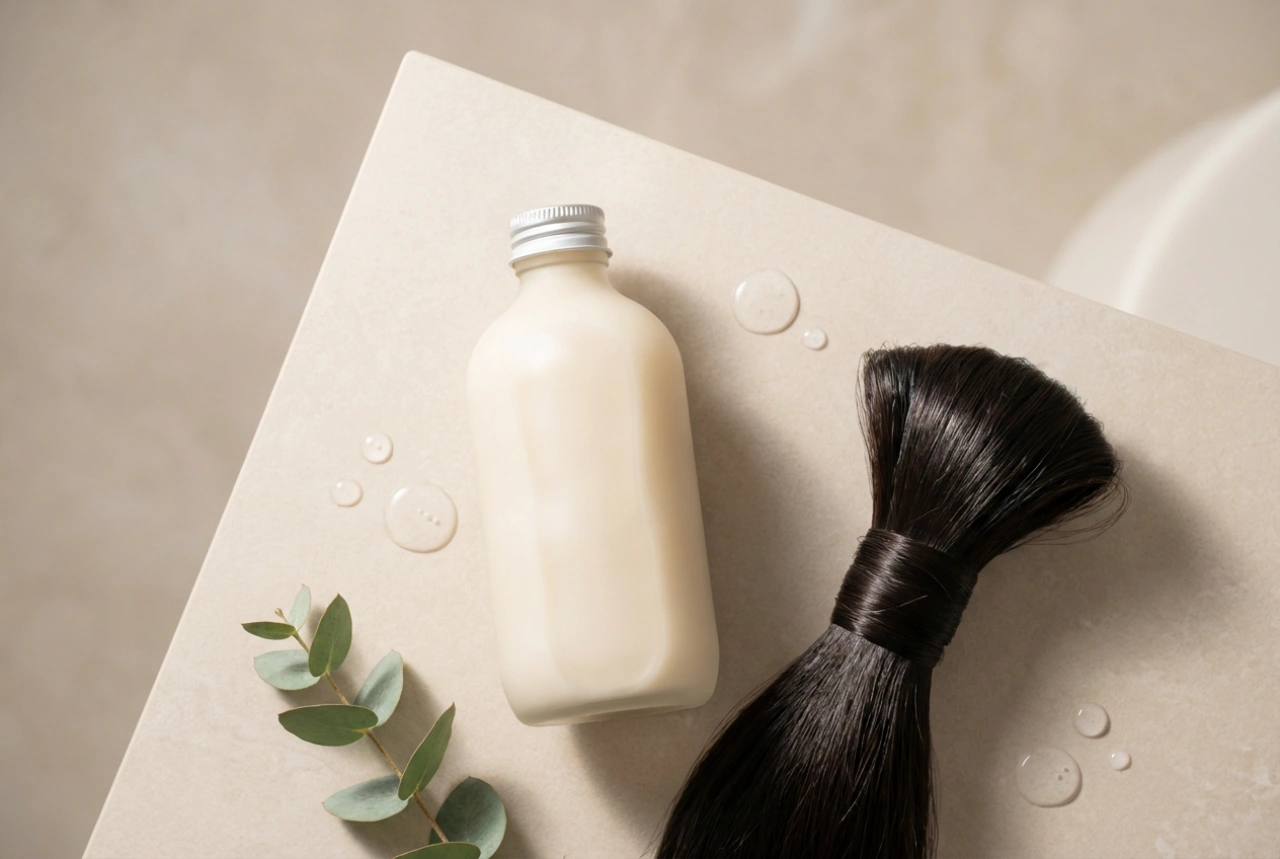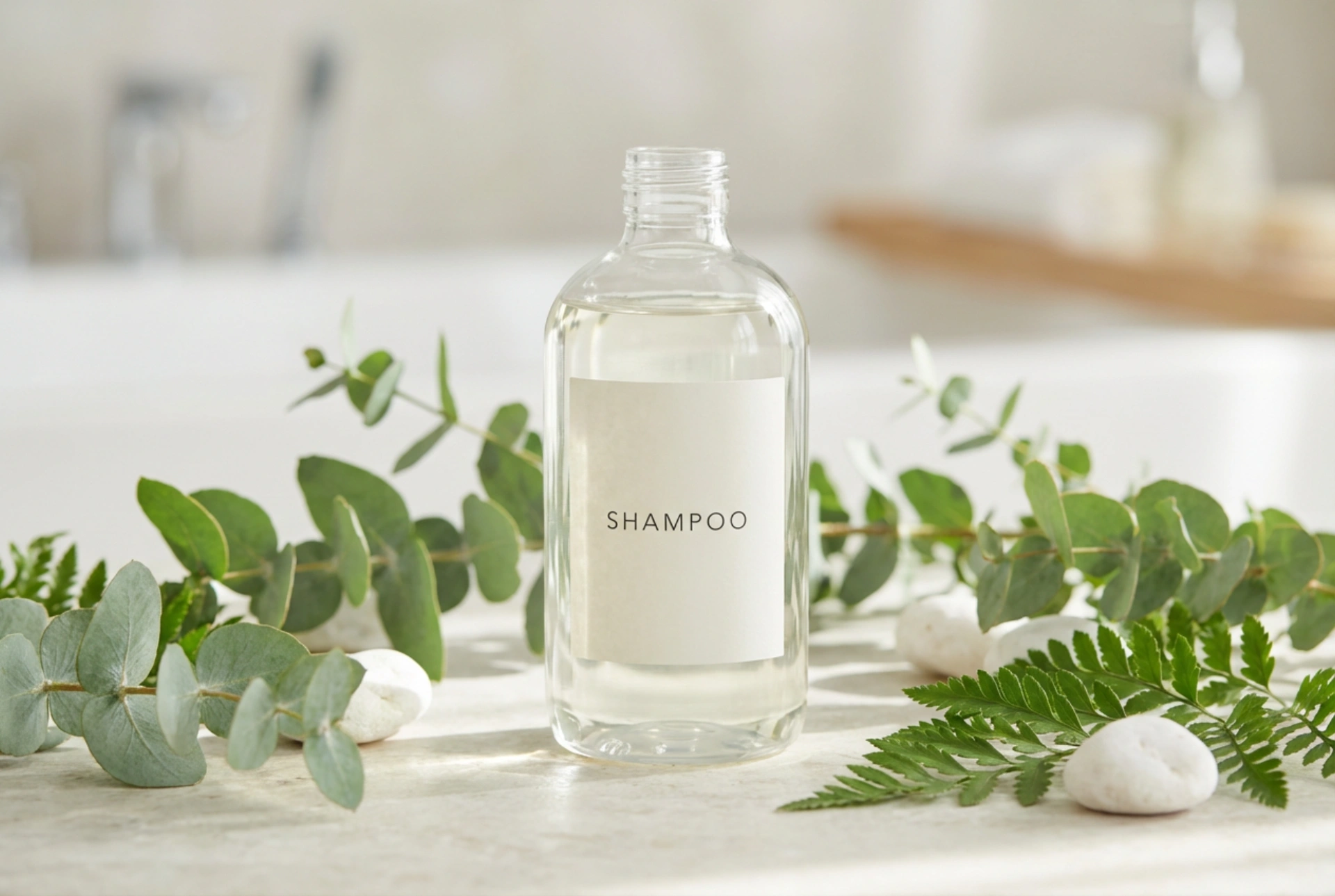


The appeal of hair care that feels closer to nature is growing. Seeing a simple, clear bottle surrounded by fresh botanicals can evoke a sense of purity and gentleness. However, navigating the world of 'natural' and 'bio' shampoos can be confusing. These terms are often used in marketing, but what do they truly mean for the product inside the bottle? Understanding the ingredients is the key to making an informed choice that aligns with your hair care philosophy and needs. This guide will help you decode the labels and evaluate a shampoo's formulation in practice.
What Do 'Natural' and 'Bio' Mean in Cosmetics?
When you pick up a shampoo labelled 'natural' or 'bio', it's important to know that these terms are not always strictly regulated in the cosmetics industry. Their meaning can vary significantly from one product to another. Generally, 'natural' suggests that a large portion of the ingredients are derived from natural sources, such as plants or minerals. However, these ingredients may still undergo processing to make them suitable and effective for use in a cosmetic formula. The term 'bio', often used interchangeably with 'organic', typically goes a step further. It usually indicates that the plant-derived ingredients were cultivated without the use of synthetic pesticides, herbicides, or fertilisers. To provide consumers with more clarity, some brands seek certification from independent organisations that have strict criteria for what can be labelled as organic or natural. These certifications can be a helpful guide, but the ultimate source of truth is always the ingredient list itself.
How to Read a Shampoo's Ingredient List (INCI)
Every cosmetic product features an ingredient list, usually titled 'Ingredients' and following a system called INCI (International Nomenclature of Cosmetic Ingredients). This standardised naming system allows you to identify what's in your shampoo, regardless of where it was purchased. The most important rule of INCI is that ingredients are listed in descending order by concentration. The first five to seven ingredients typically make up the majority of the formula. Ingredients present at a concentration of less than 1% can be listed in any order after those that are present at higher concentrations. Learning to quickly scan the first few ingredients gives you a powerful insight into the base of the shampoo and its primary characteristics.
Key Ingredients in Natural-Leaning Shampoos
When you're looking for a shampoo with a more natural profile, certain types of ingredients will appear frequently. Understanding their function can help you choose the best product for your hair type.
Gentle Cleansing Agents (Surfactants)
Surfactants are responsible for cleansing the hair and scalp by removing dirt and oil. In shampoos marketed as natural, you will often find milder surfactants derived from plant sources like coconut or sugar. Look for names such as:
- Coco-Glucoside
- Decyl Glucoside
- Lauryl Glucoside
- Sodium Cocoyl Isethionate
- Sodium Lauroyl Sarcosinate
- Sodium Cocoyl Glutamate
These agents are known for being less stripping than some traditional sulphates, making them a good option for dry, delicate, or colour-treated hair.
Moisturising and Conditioning Agents
To counteract the cleansing effect and add moisture back into the hair, shampoos include conditioning agents. In natural formulations, these are often plant-based. Glycerin, a humectant, draws moisture into the hair shaft. Aloe Vera juice is another popular ingredient known for its soothing and hydrating properties. Plant oils and butters like Jojoba Oil, Argan Oil, Coconut Oil, and Shea Butter provide nourishment, improve elasticity, and add shine. Panthenol (Pro-vitamin B5) is also a star ingredient that helps to strengthen hair and retain moisture.
Botanical Extracts and Essential Oils
A walk through the INCI list of a natural shampoo is often like a walk through a garden. You will find a variety of plant extracts chosen for their specific benefits. For example, nettle extract may be included for its properties related to scalp wellness, while chamomile is known for its calming effect. Green tea extract is a source of antioxidants. These botanicals contribute to the overall effect of the product. Essential oils, such as lavender, rosemary, or peppermint, are often used instead of synthetic fragrances to scent the product and can offer additional benefits for the scalp and hair.
Ingredients Some People Prefer to Avoid
While all ingredients used in cosmetics must be deemed safe for use, some consumers prefer to choose formulations without certain substances for personal reasons. Understanding their function can help you decide what's right for you.
- Sulphates: Powerful cleansing agents like Sodium Lauryl Sulfate (SLS) and Sodium Laureth Sulfate (SLES) create a rich lather and are very effective at removing oil and product build-up. However, their strong cleansing action can sometimes strip the hair of its natural oils, which may be a concern for those with very dry or sensitive scalps.
- Silicones: Ingredients ending in '-cone', '-conol', or '-siloxane' (like Dimethicone) are used to create a smooth, silky feel and add shine. They work by forming a thin coating around the hair shaft. Some people prefer to avoid them, particularly water-insoluble types, out of concern that they may lead to build-up over time, weighing the hair down.
- Parabens: These are a class of preservatives, such as Methylparaben and Propylparaben, used to prevent the growth of bacteria and mould in water-based products. Due to ongoing public debate about their effects, many brands have opted for alternative preservative systems.
- Artificial Fragrances: A component listed as 'Parfum' or 'Fragrance' can be a complex mixture of scent chemicals. For individuals with sensitive skin or allergies, synthetic fragrances can sometimes be a source of irritation.
Putting It All Together: Choosing a Shampoo for You
Choosing the right shampoo is about more than just avoiding certain ingredients or seeking out 'natural' labels. It's about finding a formulation that works for your unique hair type, texture, and scalp needs. Use the marketing claims on the front of the bottle as a starting point, but let the INCI list be your ultimate guide. Pay attention to the primary cleansing agents, the types of moisturising ingredients, and the presence of botanical extracts that appeal to you. Don't be afraid to experiment. Sometimes the best way to know if a shampoo is right for you is to try it and observe how your hair and scalp respond. By becoming a more informed consumer, you can confidently choose products that help your hair look and feel its best.