

The quest for radiant, healthy-looking skin often leads us to explore the meticulous and effective world of Korean beauty rituals. At the heart of this philosophy lies the regular use of face masks, a practice celebrated for its ability to deliver concentrated ingredients and provide a moment of calming self-care. From the iconic sheet mask to rich overnight treatments, understanding how to incorporate them into your routine can significantly enhance your skin's appearance and texture.
Understanding Different Types of Korean Face Masks
The variety of Korean masks available allows you to tailor your skincare to your specific needs on any given day. Each type offers a unique texture, application method, and set of benefits.
Sheet Masks
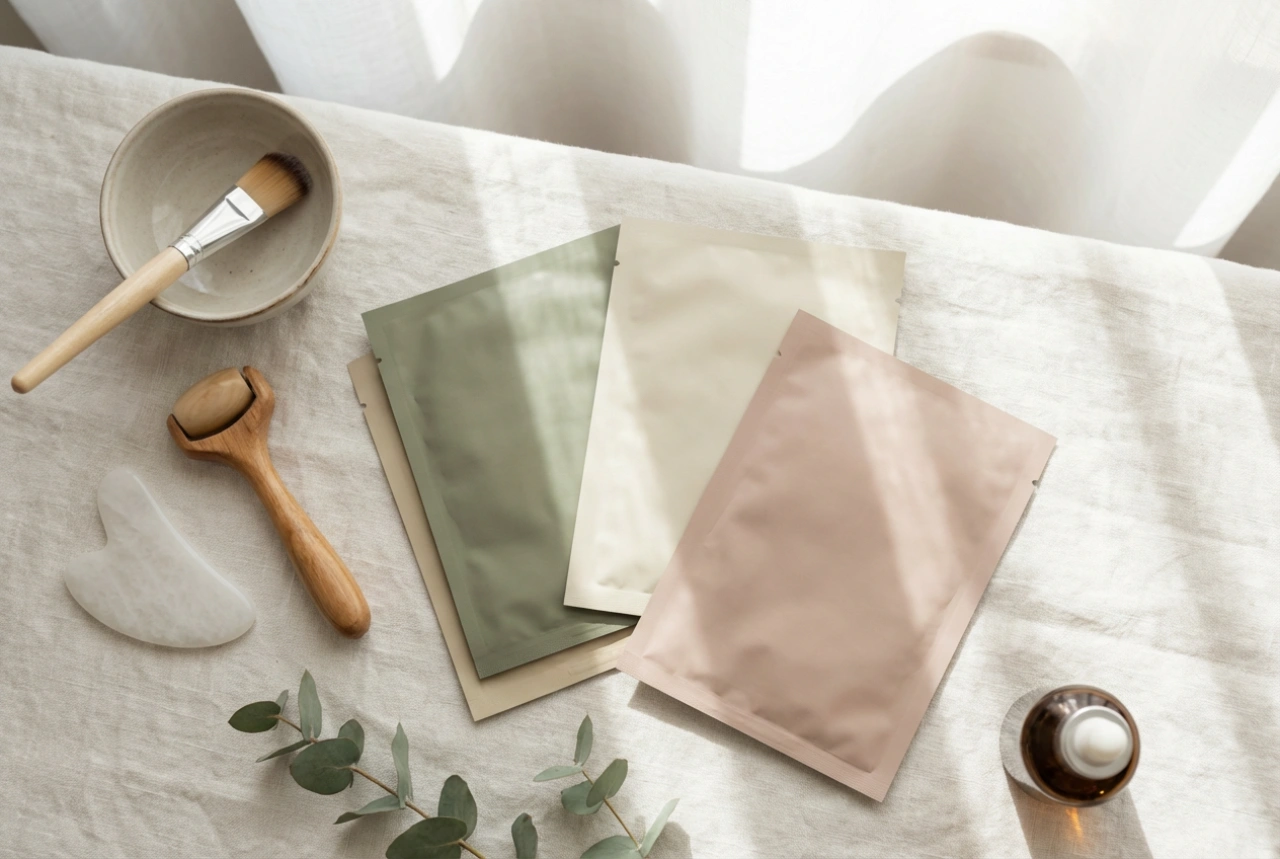
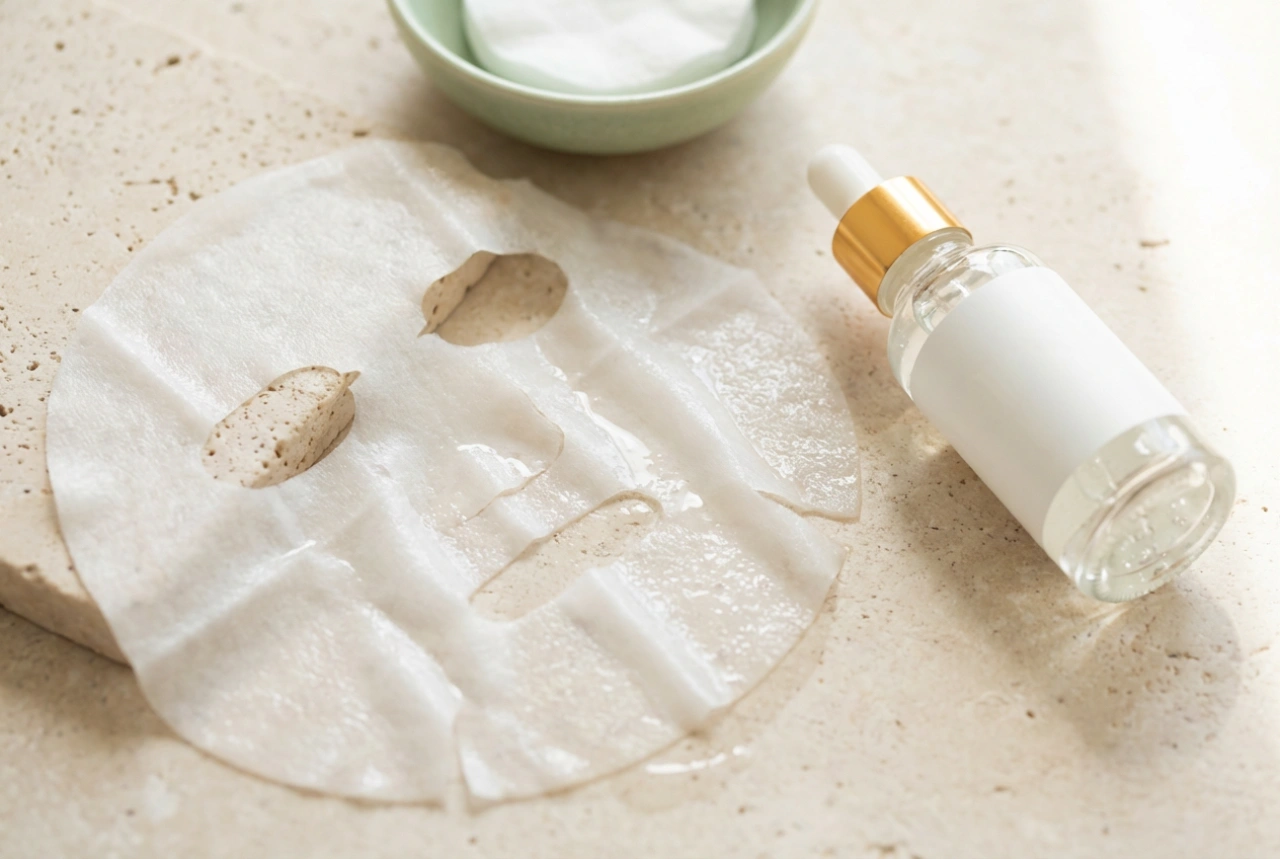
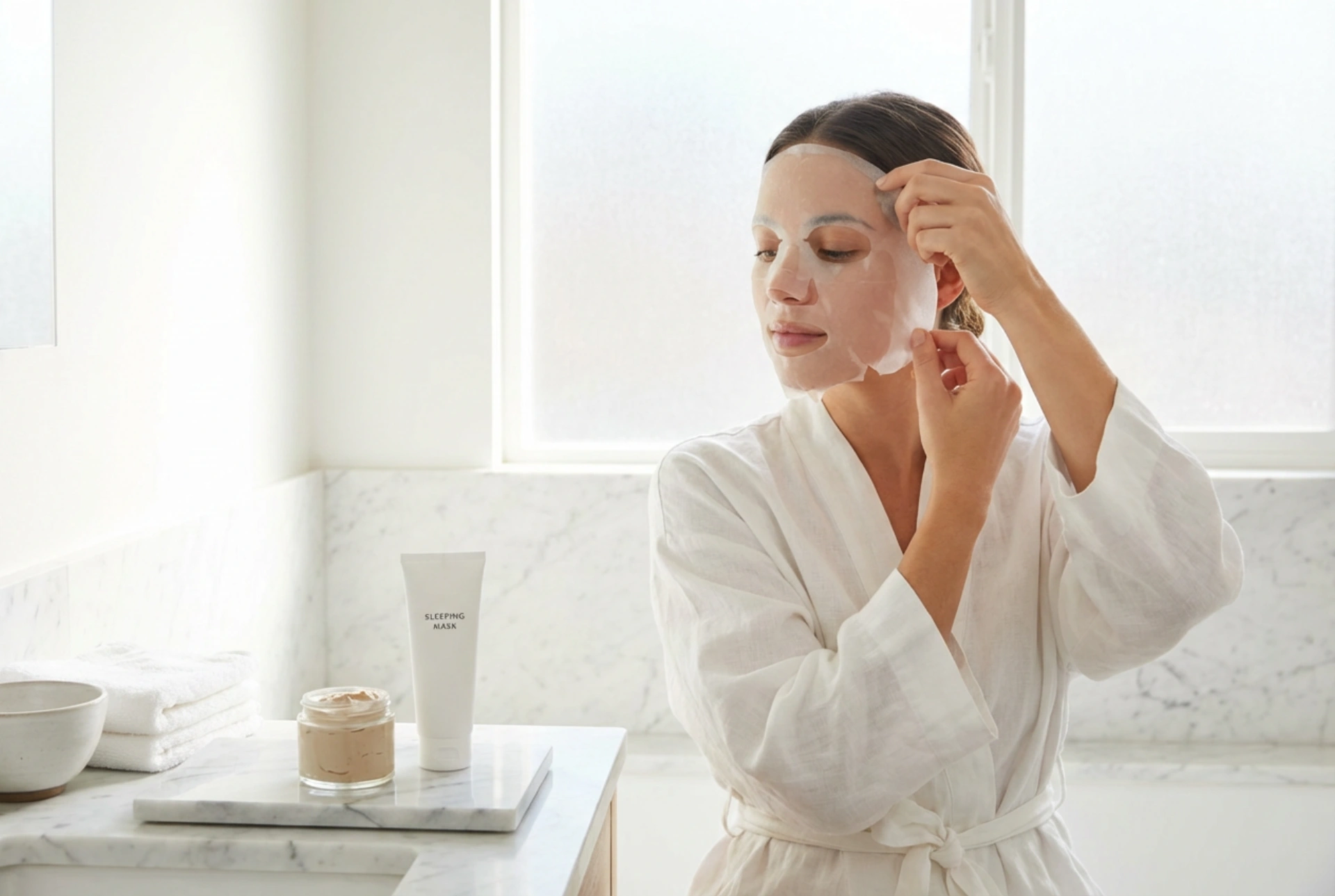
Perhaps the most famous of K-beauty exports, sheet masks are single-use fabric sheets soaked in a nutrient-rich serum, or 'essence'. They are designed to provide an intense dose of hydration and targeted treatment in a short amount of time. The sheet acts as a barrier, preventing the beneficial ingredients from evaporating and allowing them to penetrate deeply into the skin. Common ingredients include hyaluronic acid for moisture, vitamin C for brightening, and centella asiatica for soothing.
Clay and Mud Masks
Ideal for those with combination or oily skin, clay and mud masks excel at deep cleansing and purifying pores. They work by drawing out impurities, excess sebum, and environmental debris from the skin's surface. Ingredients like kaolin or bentonite clay help to minimise the appearance of pores and leave the skin feeling refreshed and clarified. Unlike sheet masks, they require rinsing off after they have partially dried.
Sleeping Masks
Also known as sleeping packs, these are moisturising treatments designed to be left on overnight. They typically have a lighter gel or cream texture than a traditional night cream and are applied as the final step in your evening skincare routine. While you sleep, the mask works to intensely hydrate, repair, and revitalise the skin, so you wake up with a plumper, more luminous complexion. They are particularly beneficial for dry or dehydrated skin.
Peel-Off Masks
Peel-off masks are applied as a gel that dries into a firm layer, which is then peeled away from the skin. This action provides gentle physical exfoliation, helping to lift away dead skin cells and fine hairs for a smoother surface. They are often formulated with ingredients aimed at purifying pores and improving skin clarity.
How to Correctly Apply a Korean Face Mask
To get the most out of your masking session, following the correct steps is crucial. Proper preparation and aftercare ensure that your skin can fully absorb the benefits.
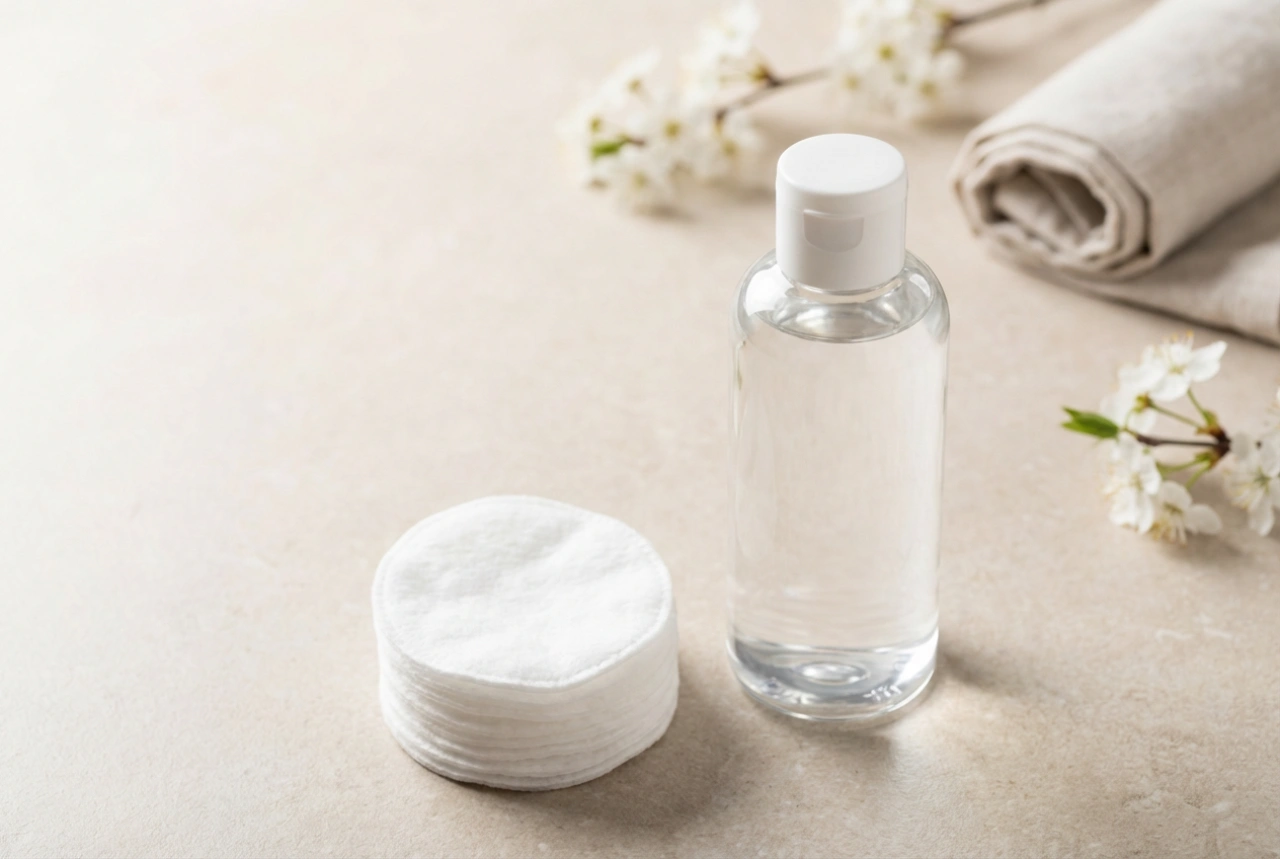
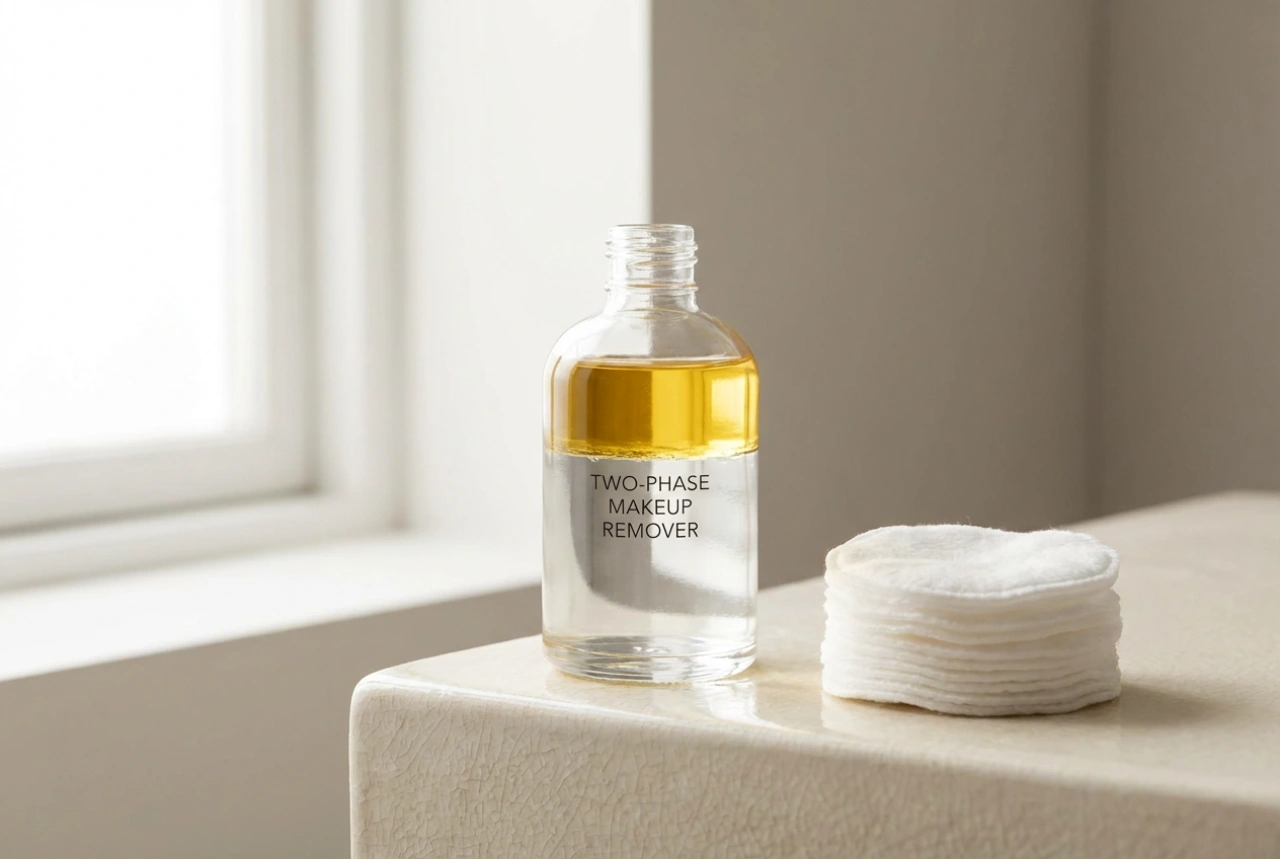
- Step 1: Cleanse Thoroughly: Always start with a clean canvas. Use a gentle cleanser to remove all makeup, dirt, and oil from your skin. For an authentic K-beauty approach, consider a double cleanse, starting with an oil-based cleanser followed by a water-based one.
- Step 2: Apply Toner: After cleansing, apply a hydrating toner. This step helps to balance the skin's pH and dampens the skin, preparing it to absorb the mask's ingredients more effectively.
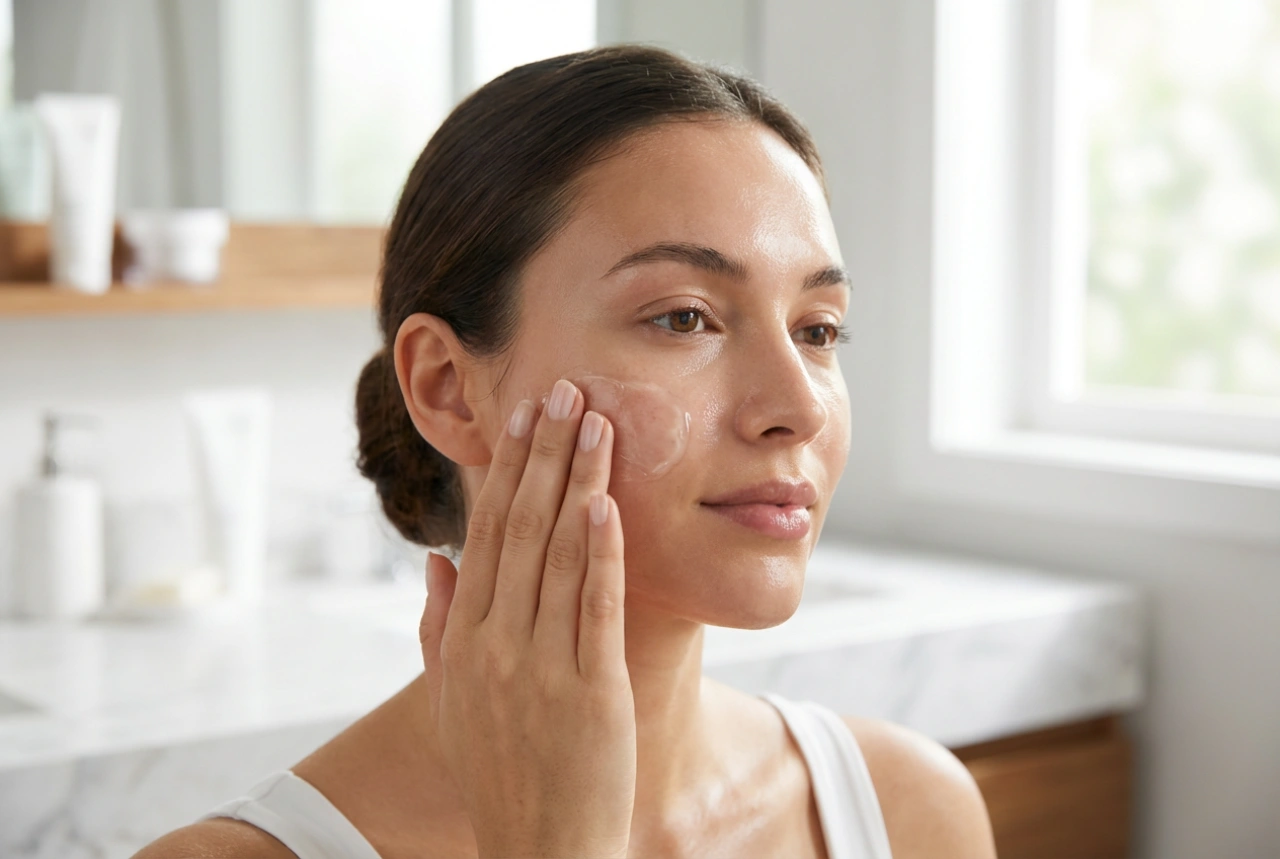
- Step 3: Apply the Mask: Carefully apply your chosen mask. For a sheet mask, unfold it and place it onto your face, smoothing it out to ensure good contact. For a clay or peel-off mask, use clean fingers or a brush to apply an even layer, avoiding the delicate eye and lip areas. For a sleeping mask, scoop a suitable amount and gently massage it into the skin.
- Step 4: Relax and Wait: Adhere to the recommended time on the packaging. Sheet and clay masks typically require 10-20 minutes. It is important not to let them dry out completely on the skin, as this can have a reverse effect and draw moisture out. Sleeping masks are left on until the morning.
- Step 5: Remove and Follow Up: For a sheet mask, peel it off and gently pat the remaining serum into your skin, neck, and décolletage. Do not rinse. For a clay mask, rinse it off thoroughly with lukewarm water. After any mask (except a sleeping mask), it's good practice to apply a moisturiser to seal in all the benefits.
Maximising the Effects of Your Masking Routine
A few extra tips can elevate your masking experience from a simple step to a transformative ritual.
Frequency is Key
The ideal frequency depends on the mask type and your skin's condition. Hydrating sheet masks can be used several times a week, while purifying clay masks are best used once a week to avoid over-drying the skin. Sleeping masks can be used 2-3 times a week or whenever your skin needs an extra boost of hydration.
Try Multi-Masking
Multi-masking involves applying different masks to different areas of your face at the same time. For example, you could apply a clay mask to your T-zone to control oil and a hydrating cream mask to your cheeks to combat dryness. This technique allows you to address multiple concerns in one session.
Use Leftover Essence
Sheet mask packets almost always contain extra essence. Don't let it go to waste! Pour the excess into your palm and pat it onto your neck, chest, arms, and hands for an all-over hydrating treat.