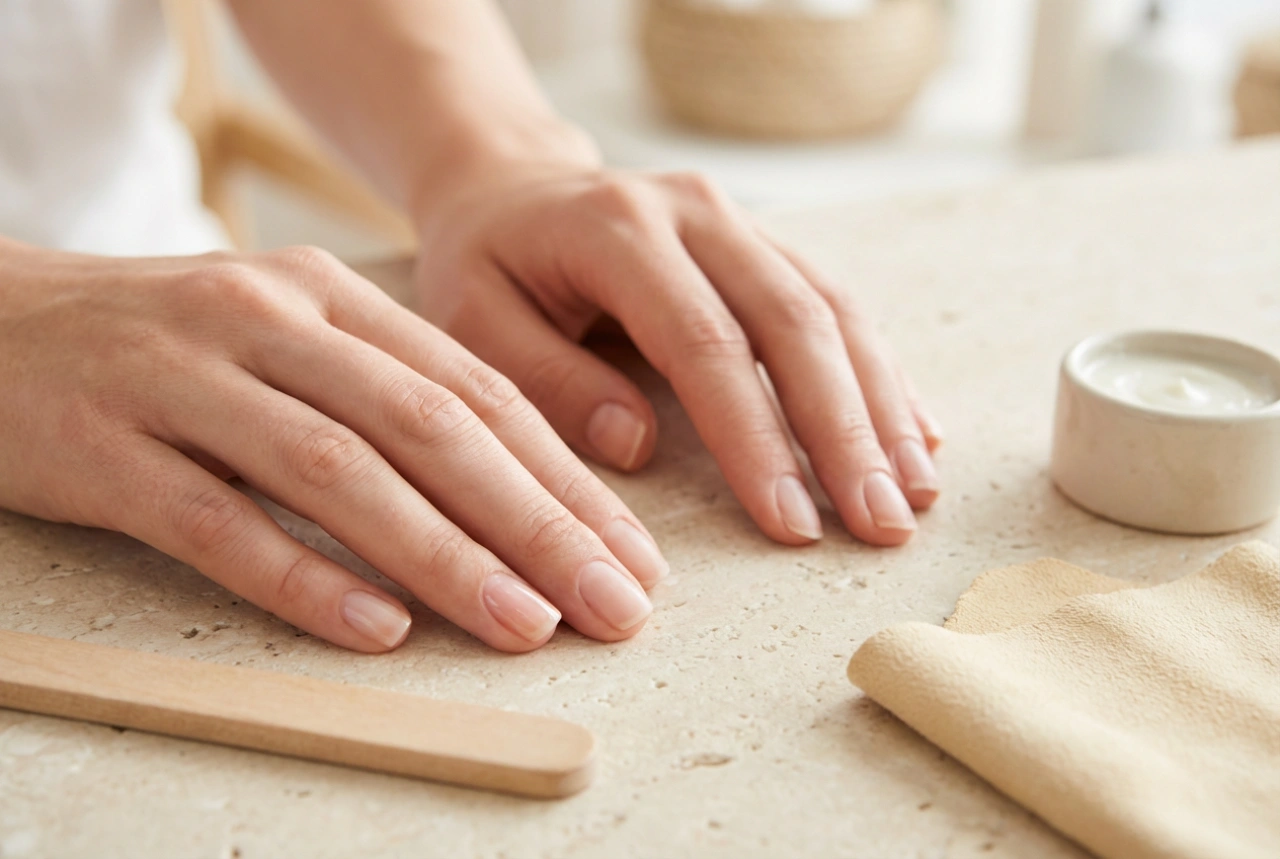


The Japanese manicure is a timeless technique that champions the beauty of natural nails. Unlike conventional manicures that often rely on layers of polish, this method focuses on nourishing the nail plate from within, leaving it with a stunning, healthy, and long-lasting pearly gloss. It is a tribute to minimalist beauty, using natural ingredients to strengthen and protect the nails. This treatment is ideal for anyone looking to improve the condition of their nails, especially if they are brittle, weak, or have an uneven surface.
What is a Japanese Manicure?
Originating from Japan centuries ago, this traditional nail care ritual is more of a treatment than a simple cosmetic procedure. Its primary goal is to restore the nail's natural vitality and shine. The process involves rubbing a special vitamin-rich paste into the nail plate, followed by a fine powder that seals in the nutrients and creates a unique, water-resistant protective layer. The ingredients used are typically derived from natural sources and are chosen for their conditioning properties. Common components include keratin, vitamins A and E, bee pollen, and silica from the Sea of Japan. These elements work together to nourish, strengthen, and encourage healthy nail growth.
What Does a Japanese Manicure Kit Contain?
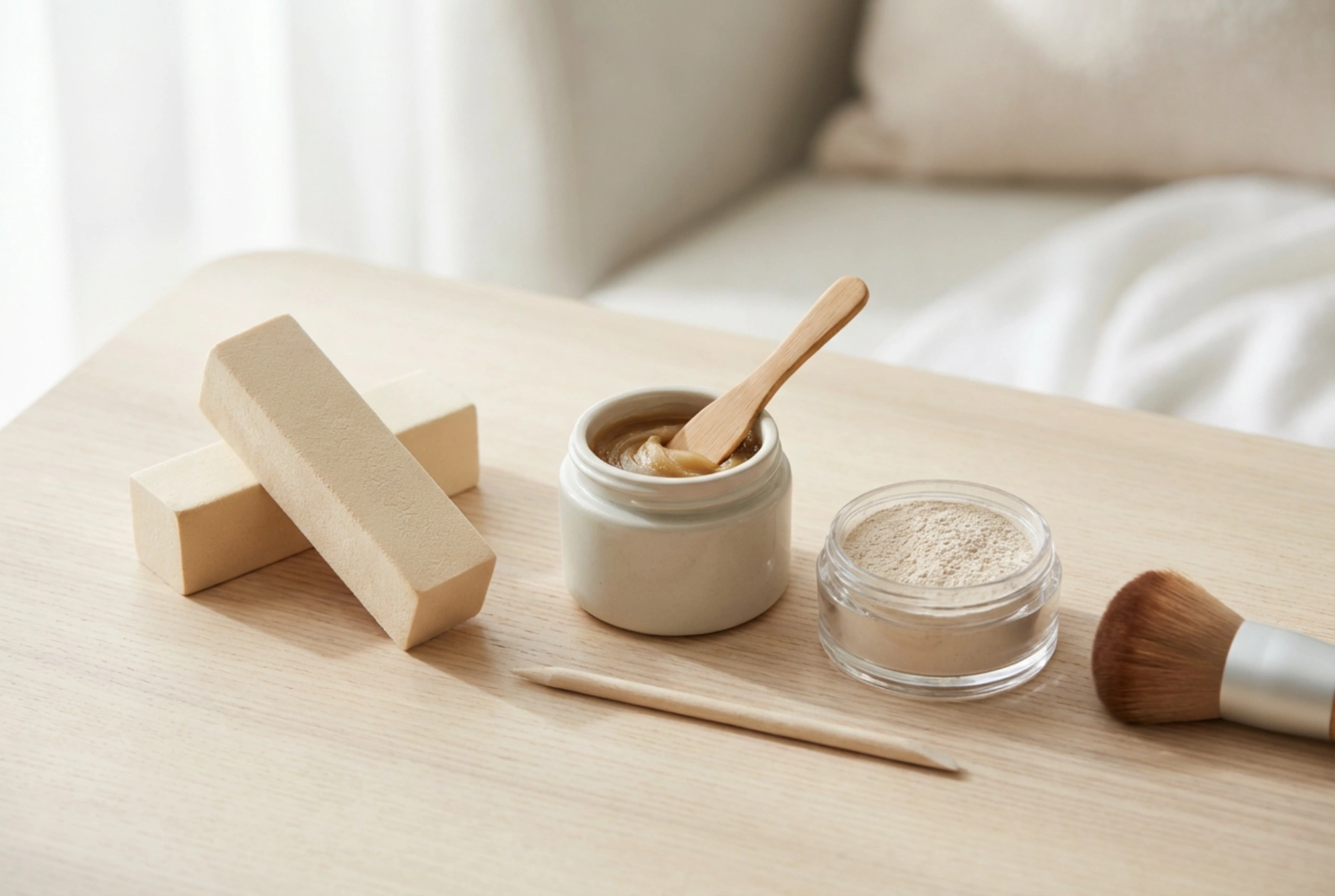
A standard kit for performing a Japanese manicure at home contains all the essential tools and products. While packaging may vary, the core components are universal and designed for a two-step process. Understanding each element is key to achieving the desired professional-looking results.
Key Components of the Kit
- Nail File: A fine-grit nail file is used to shape the nails before the treatment. It is important to choose one that is not too harsh to avoid damaging the nail edges.
- Cuticle Pusher: Usually made of wood or plastic, this tool is used to gently push back the cuticles. It is crucial not to cut the cuticles, as this can lead to irritation.
- Double-Sided Buffer: A gentle buffer is used to slightly mattify the nail plate. This step removes any natural oils and creates a receptive surface for the paste.
- Nourishing Paste (Step 1): This is a dense, typically green-coloured paste rich in vitamins and minerals. Its purpose is to deeply nourish the nail plate, fill in any ridges, and provide the foundational nutrients for strength and repair.
- Polishing Powder (Step 2): A fine, usually pink-coloured powder is applied after the paste. It works to seal the nutrients into the nail plate and create the characteristic high-gloss, pearly shine. This powder also forms a protective layer against external factors like water and detergents.
- Applicators/Shiners: The kit will include two specific applicators, often colour-coded (e.g., green for the paste, pink for the powder). These are designed to work the products into the nail plate effectively. It's important to use the correct applicator for each step to avoid cross-contamination.
How to Perform a Japanese Manicure at Home: Step-by-Step Guide
Performing a Japanese manicure at home is straightforward if you follow the steps carefully. Set aside about 30-40 minutes for a relaxing and rewarding nail care session.
Step 1: Preparation
Begin by thoroughly cleaning your hands and nails. Remove any old nail polish. Use the nail file to shape your nails to your desired length and form. Next, gently push back your cuticles using the cuticle pusher. Do not cut them. Finally, use the double-sided buffer to very lightly buff the surface of each nail plate. The goal is to remove the shine and create a matte surface, not to thin the nail.
Step 2: Applying the Nourishing Paste
Using the designated applicator (often green), take a very small amount of the nourishing paste. Apply it to the nail plate and rub it in firmly, always moving in one direction. Continue rubbing until the nail plate feels smooth and the paste is almost fully absorbed. This step delivers the essential nutrients deep into the nail.
Step 3: Applying the Polishing Powder
Now, using the second, clean applicator (often pink), take a small amount of the polishing powder. Apply it to the nail plate in the same manner as the paste, rubbing it in vigorously in a single direction. You will quickly notice a beautiful, high-gloss shine appearing on your nails. This step seals the paste and creates a durable, shiny finish.
Step 4: Finishing Touches
Once you are finished, there is no need to apply a top coat or any other polish. The beauty of the Japanese manicure is its natural, glossy finish. Simply wipe away any excess powder. For best results, avoid painting your nails for at least a few days after the treatment to allow the nutrients to fully penetrate.
Benefits and Aftercare
The results of a Japanese manicure are immediate and can last for up to two weeks. The treatment not only makes nails look beautiful but also significantly improves their health over time.
Key Benefits
- Strengthens the nail plate and prevents splitting and brittleness.
- Provides a natural, healthy-looking pinkish hue and an intense gloss.
- Smoothes out ridges and imperfections on the nail surface.
- Nourishes and moisturizes the nails and cuticles.
- Promotes faster, healthier nail growth.
Aftercare Tips
To maintain the effects, it is recommended to repeat the treatment every 2 to 3 weeks. Between treatments, use a nourishing cuticle oil daily to keep the surrounding skin hydrated. Try to wear gloves when doing household chores involving water and detergents to protect the shiny layer and prolong the manicure's lifespan.