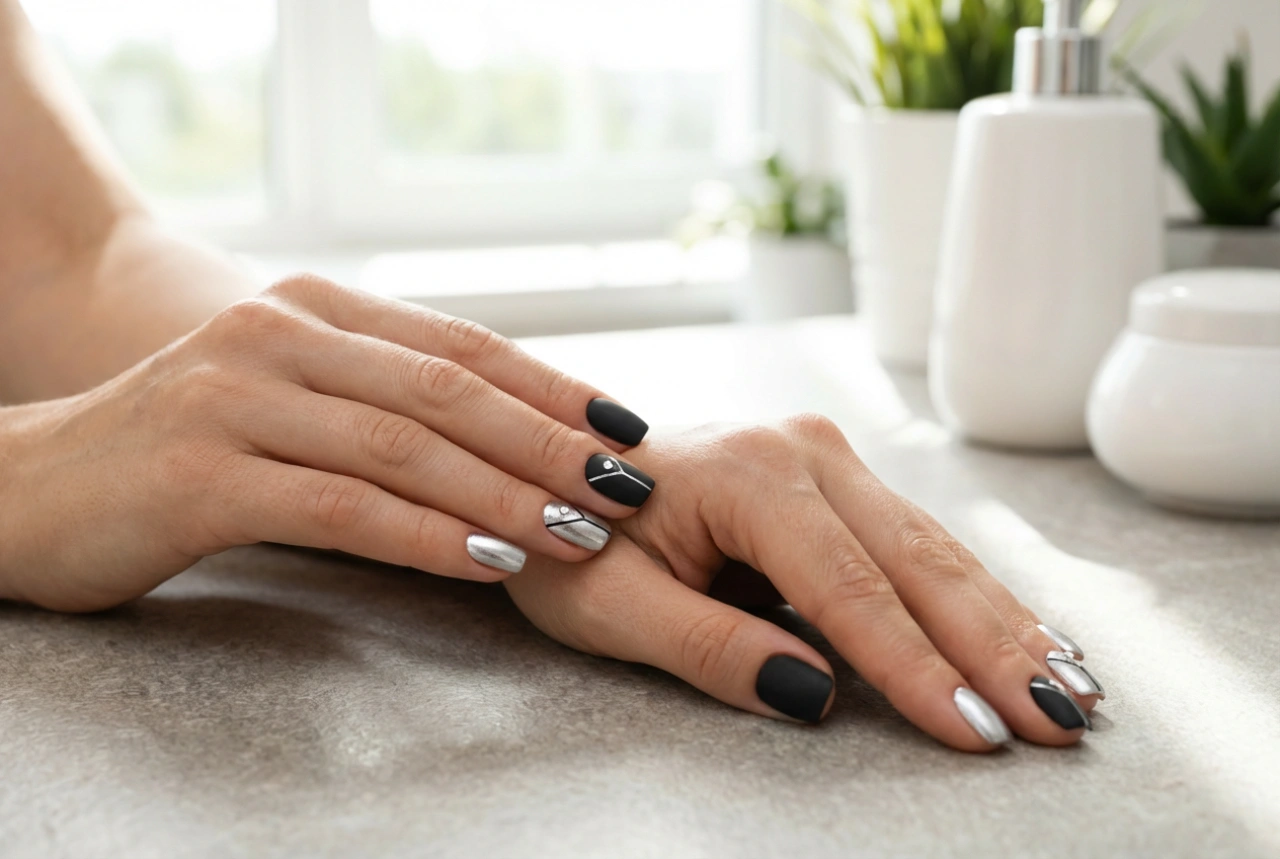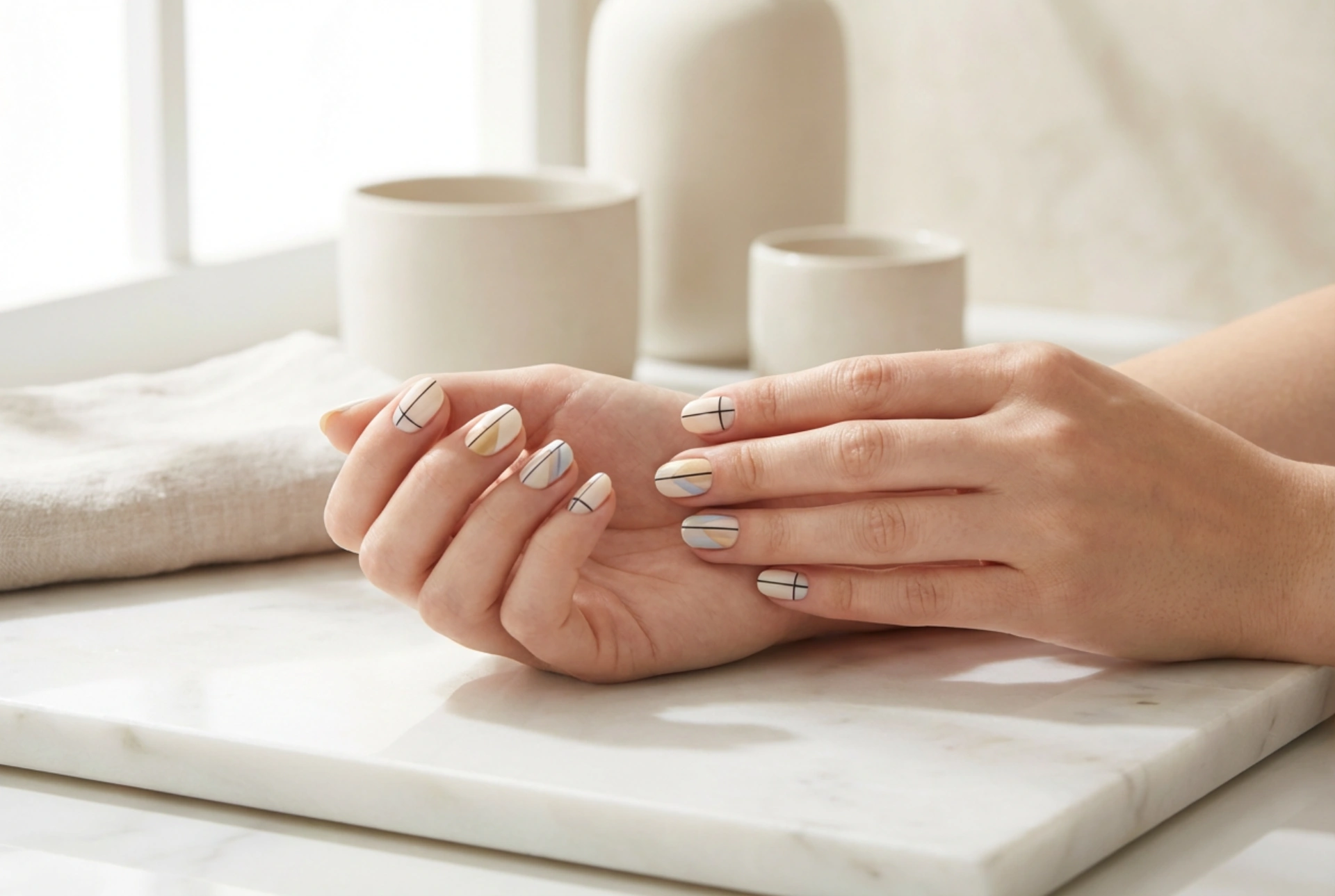


Geometric patterns offer a touch of modern artistry and refined elegance to any manicure. Their clean lines, sharp angles, and balanced shapes can transform your nails into miniature canvases. Whether you prefer subtle accents or bold, statement-making designs, mastering a few basic techniques is all it takes to achieve a professional-looking geometric manicure at home. With a little patience and the right tools, you can explore endless creative possibilities, from simple stripes to intricate mosaics.
Preparation: The Foundation for Flawless Art
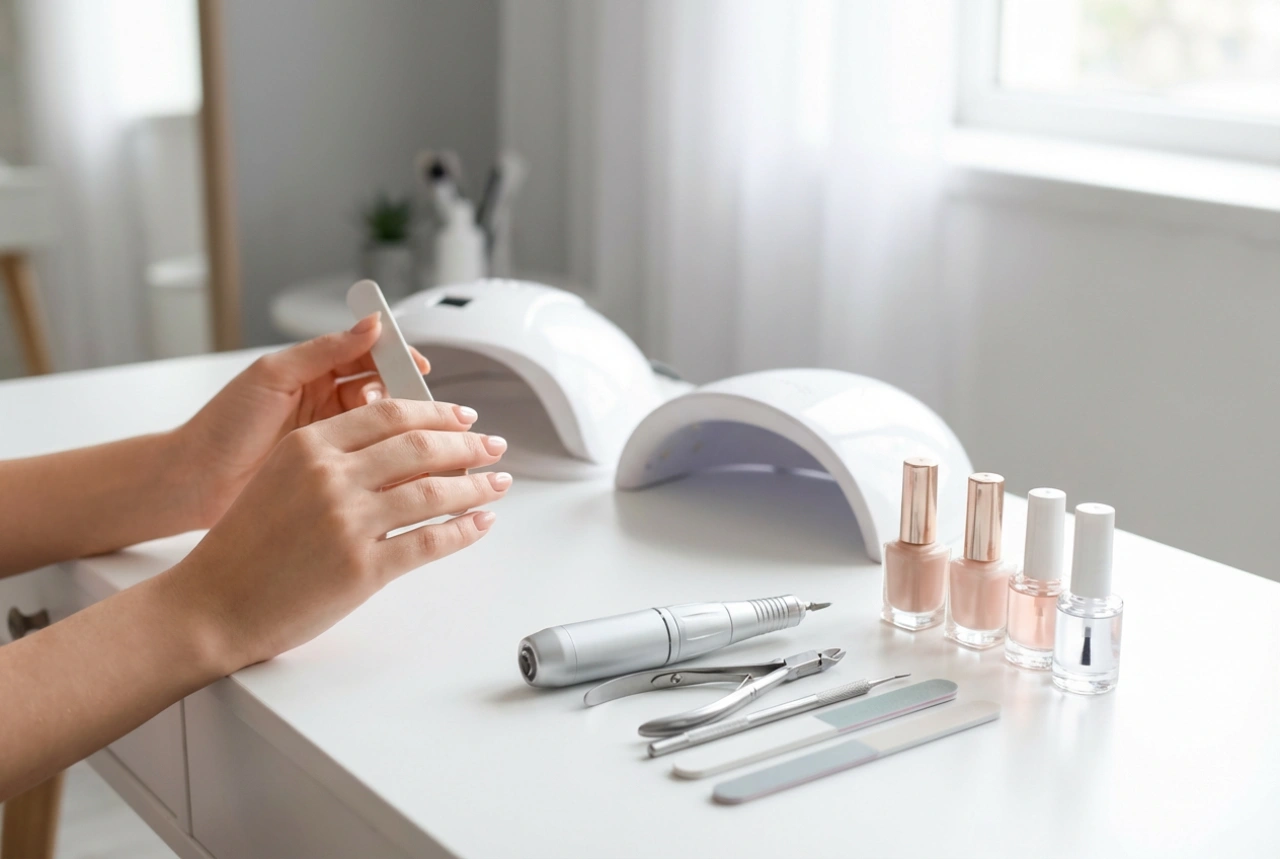
Before you begin creating your design, proper nail preparation is essential. A smooth, well-prepared base ensures your nail art applies evenly and lasts longer. Start by cleaning your nails thoroughly, removing any old polish. Shape your nails with a file to your desired length and form. Gently push back your cuticles and buff the nail surface lightly to create a smooth canvas. Always apply a quality base coat to protect your natural nails from staining and to provide a perfect surface for your colour polish to adhere to.
Choosing Your Colour Palette
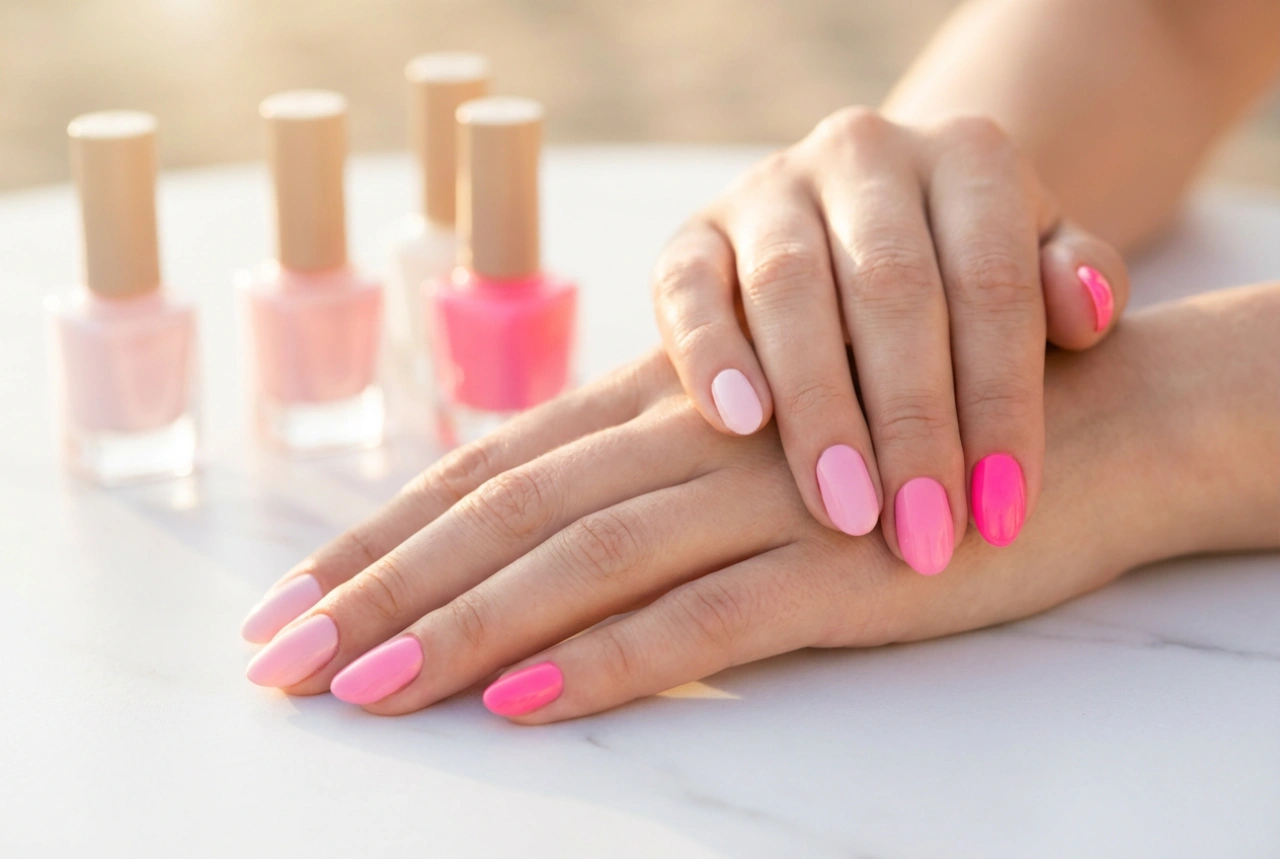
The success of a geometric design often lies in its colour combination. Consider the look you want to achieve. For a minimalist and chic style, you might use a neutral base with a single contrasting line in black, white, or metallic. For a more vibrant and playful look, you can combine several complementary or contrasting colours. Swatching your chosen colours on a piece of paper first can help you visualise the final result and ensure they work well together.
The Tape Method for Crisp, Sharp Lines
Using nail art tape is one of the easiest ways to achieve perfectly straight lines and sharp geometric shapes. This method is ideal for beginners and is highly effective for creating colour-blocked designs, chevrons, and stripes.
- Step 1: Apply Your Base Colour. Paint your nails with your chosen base colour and allow it to dry completely. This is the most crucial step; if the polish is not fully dry, the tape will lift it when removed. Applying a quick-dry top coat can help speed up this process.
- Step 2: Place the Tape. Cut nail art striping tape or thin strips of regular household tape and apply them to your nails to section off the areas you want to paint. Press the edges down firmly to prevent the new polish from bleeding underneath.
- Step 3: Paint Your Second Colour. Apply your second nail polish colour over the taped-off section. Work with a confident, even coat.
- Step 4: Remove the Tape. While the second polish is still wet, carefully peel off the tape. Pulling it off while the polish is wet ensures a clean, crisp line.
- Step 5: Seal Your Design. Once the design is dry to the touch, apply a generous layer of top coat to seal the pattern, add shine, and protect your manicure from chipping.
Using Stamps for Intricate and Repetitive Patterns
Nail stamping is a fantastic technique for creating complex, detailed geometric designs that would be difficult to paint by hand. It involves a stamping kit, which typically includes an engraved metal plate with designs, a scraper, and a silicone stamper.
How to Master Nail Stamping
Stamping requires a bit of practice, but the results are worth it. The key is to work quickly. First, apply a special, highly-pigmented stamping polish over your chosen design on the plate. Use the scraper at a 45-degree angle to swiftly remove the excess polish. Immediately, press the silicone stamper onto the plate using a rolling motion to pick up the design. Without delay, transfer the design onto your nail, again using a gentle rolling or pressing motion. Clean the plate, scraper, and stamper with a polish remover before stamping the next nail. Finish with a top coat to protect the delicate design.
Freehand Painting for Ultimate Creative Freedom
For those with a steady hand and an artistic flair, freehand painting offers limitless possibilities. This method allows for unique, personalised designs that are truly your own. The essential tools for this technique are fine-detail nail art brushes and dotting tools.
Tips for Freehand Geometric Art
If you're new to freehand painting, start simple. Practice painting straight lines, triangles, squares, and dots on a piece of paper or a practice wheel before working on your nails. Use a dotting tool for perfect circles and a thin striper brush for lines. To create your design, rest your painting hand on a stable surface to minimise shaking. Build your pattern gradually, allowing each element to dry before adding the next to avoid smudging. Remember, perfection isn't the goal; creativity is. Small imperfections can add to the charm of a hand-painted design. Once you are happy with your creation, seal it with a high-shine top coat to complete the look.