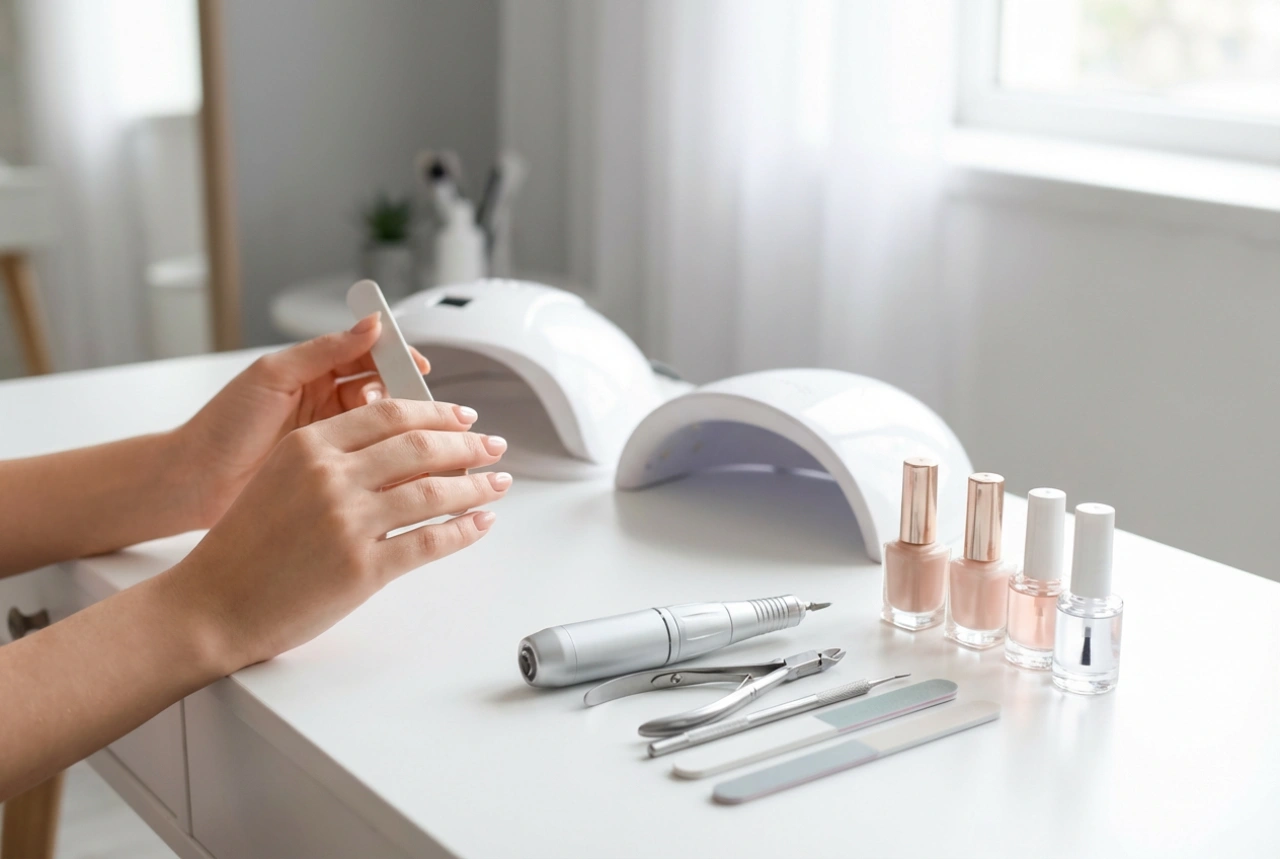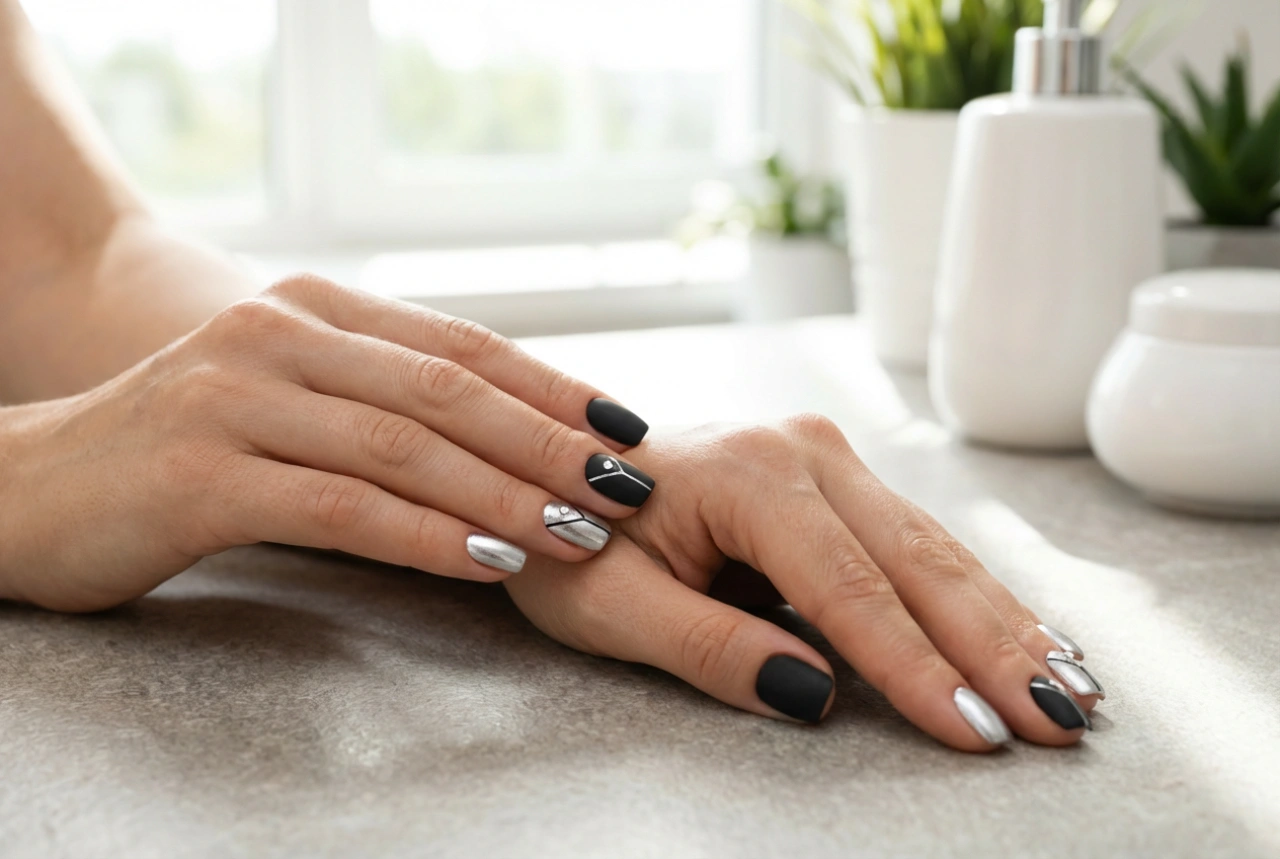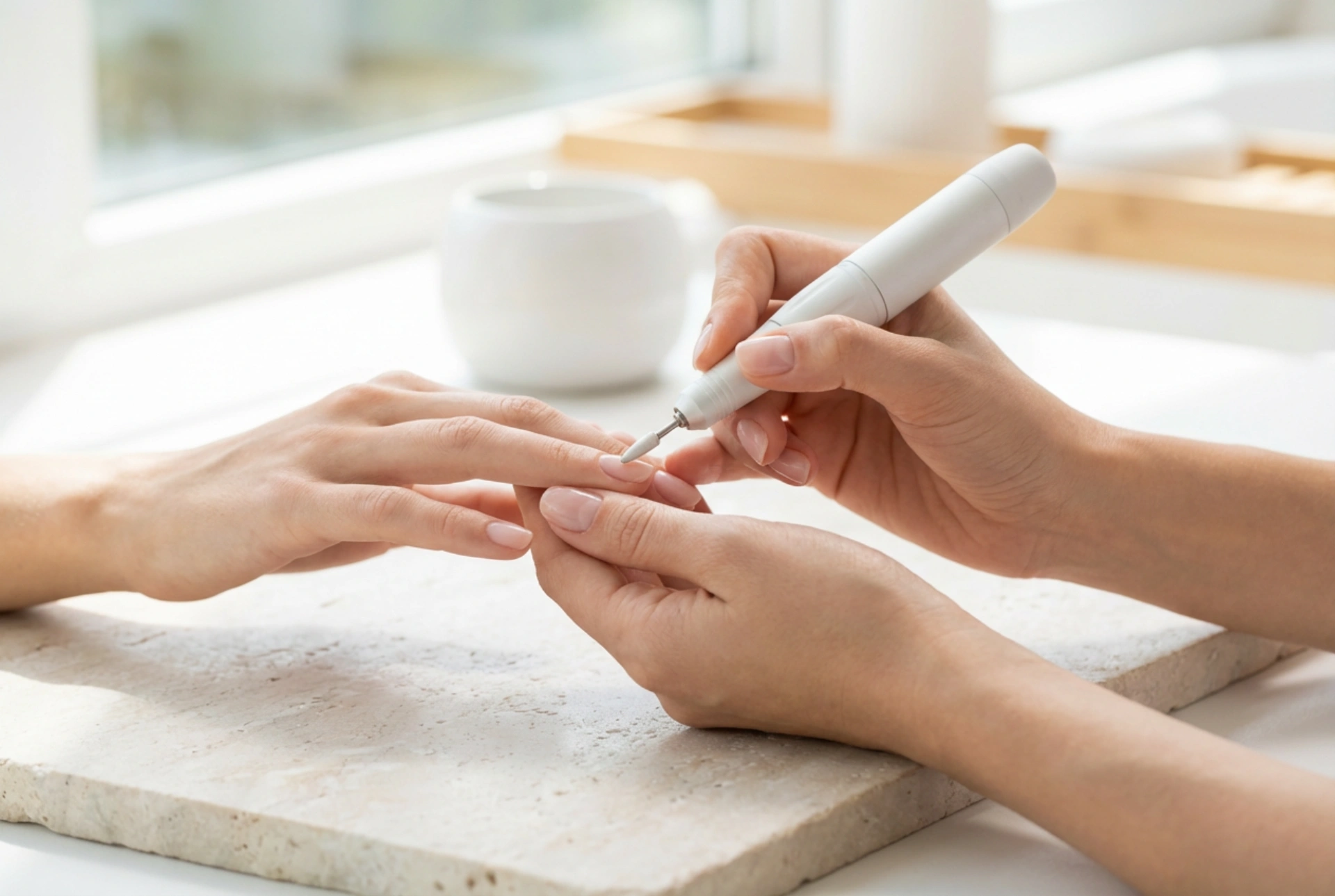


Achieving a flawless manicure at home has become an art form, with an array of tools designed to bring professional precision to your fingertips. Among these, the small nail drill stands out as a compact yet powerful ally. This sleek device, often seen in a minimalist setting, promises to elevate your at-home beauty care routine by making intricate nail tasks simpler and more efficient. But what exactly can this mini tool do, and is it the right addition to your collection?
What is a Small Nail Drill?
A small nail drill, also known as a mini electric nail file or a portable e-file, is a handheld, motorised tool designed for nail grooming. Unlike the larger, more powerful models used by professionals in salons, these mini versions are created with the home user in mind. They are typically lightweight, ergonomic, and often cordless, powered by rechargeable batteries or a simple USB connection. Their main appeal lies in their convenience, ease of use, and the precision they offer for tasks that can be tedious with manual files and buffers.
Key Features
Most mini nail drills come as a kit with a variety of interchangeable attachments, or 'bits'. Each bit has a specific shape and texture designed for a particular task. The devices usually feature variable speed settings, allowing you to control the intensity of the rotation. This is particularly important for beginners, as it helps prevent damage to the natural nail plate by starting slowly and building confidence.
Capabilities of a Mini Nail Drill
Despite its small size, a mini nail drill is a versatile tool capable of handling several key aspects of a manicure and pedicure. When used correctly, it can significantly speed up your routine and improve the final result.
- Cuticle Care: Specialised bits can gently push back and remove dry, non-living tissue from the nail plate. This creates a clean, tidy nail bed and helps your polish application look more professional. It’s a much gentler and more precise alternative to cutting cuticles.
- Shaping and Shortening: Filing and shaping nails with a manual file can be time-consuming. An electric file can quickly shorten and shape the free edge of both natural and artificial nails, helping you achieve a consistent look across all fingers.
- Smoothing the Nail Surface: Buffing bits can be used to smooth out ridges and create a perfectly even nail surface. This is an excellent preparatory step before applying base coat and polish, as it helps the products adhere better and last longer.
- Removing Gel Polish: A small nail drill can be used to carefully file down the top layers of gel or hybrid polish. This thins the product, making the soak-off removal process much faster and less strenuous on your nails. It's crucial to do this gently to avoid filing into the natural nail.
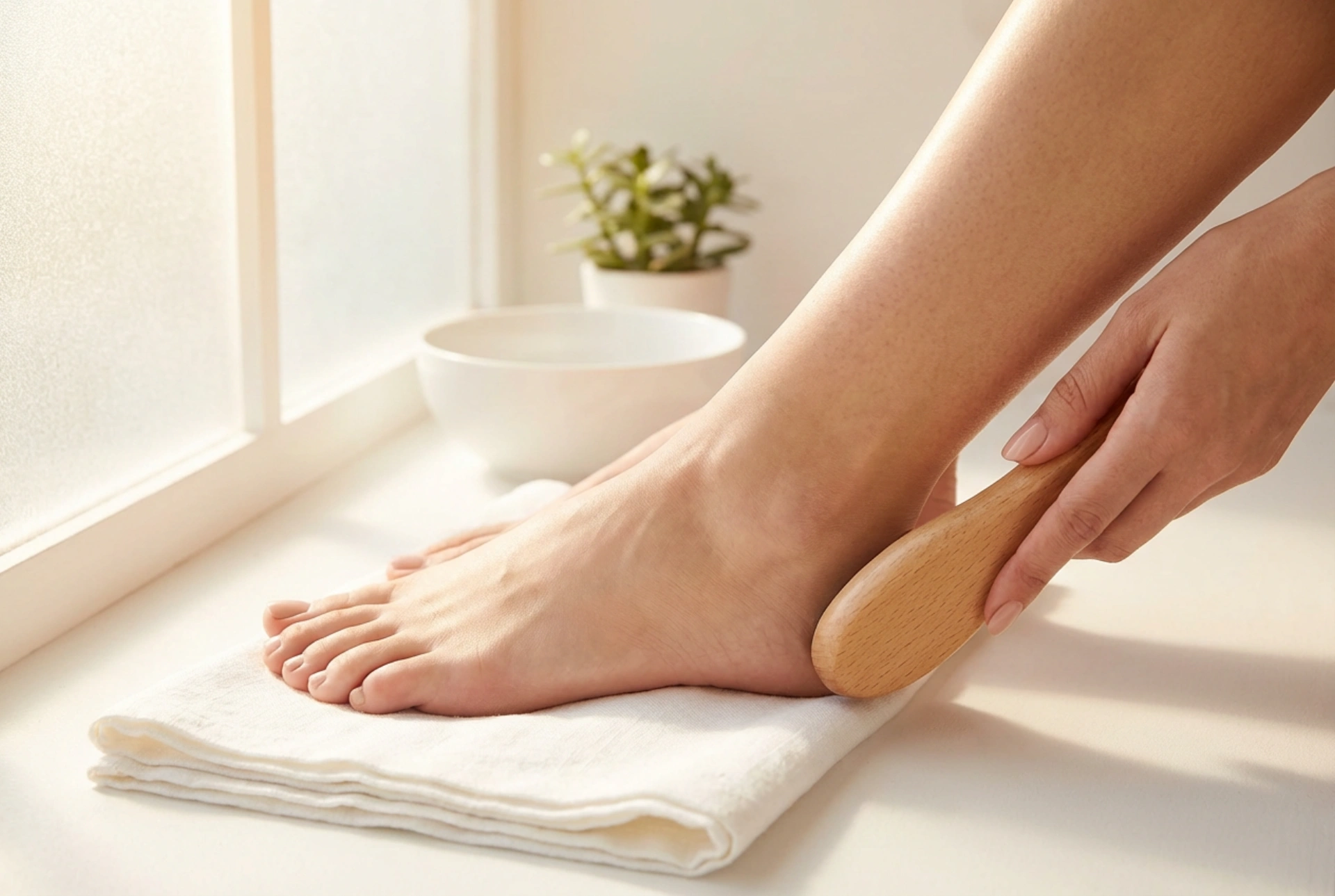
- Tackling Hard Skin: Some attachments are designed for pedicure purposes, allowing you to gently exfoliate calluses and hard skin around the toenails or on the fingers.
Who is a Small Nail Drill For?
A mini nail drill is not just for aspiring nail technicians; its user-friendly design makes it accessible to a wide audience.
The Perfect Tool For:
- Manicure Beginners: If you're new to the world of electric files, a small model is the ideal starting point. The lower power and manageable speeds reduce the risk of accidental damage, allowing you to learn the techniques safely.
- DIY Enthusiasts: For anyone who regularly does their own manicures at home, a mini drill is a game-changer. It saves time, reduces physical effort, and provides a level of refinement that's difficult to achieve with manual tools alone.
- Travellers: Its compact and portable nature makes it a perfect travel companion for maintaining pristine nails while on the go. You can easily pack it in your luggage for quick touch-ups.
Safety and Best Practices for Home Use
To get the most out of your mini nail drill without compromising the health of your nails, it’s essential to follow some basic safety guidelines. Always read the manufacturer's instructions before your first use.
Tips for Safe Operation:
- Start Slow: Always begin with the lowest speed setting, especially when working near the cuticle area or on your natural nail.
- Use the Correct Bit: Familiarise yourself with the purpose of each bit. Use finer grit bits for natural nails and coarser ones for artificial extensions or for removing gel polish.
- Keep it Moving: Never hold the rotating bit in one spot. Use continuous, light strokes to prevent heat build-up, which can cause discomfort and damage the nail.
- Apply Light Pressure: Let the tool do the work. Applying too much pressure can lead to over-filing and thinning of the nail plate.
- Work on Dry Nails: For best results and to avoid tearing, ensure your nails and the surrounding skin are completely dry before you begin filing.
- Clean Your Tools: Hygiene is paramount. Clean and disinfect your bits after every use to prevent the spread of bacteria.
In conclusion, a small nail drill is an incredibly useful and versatile device for anyone serious about at-home nail care. It empowers you to perform a range of manicure tasks with greater speed and precision. By understanding its capabilities and adhering to safe practices, you can easily achieve salon-quality results from the comfort of your own home.