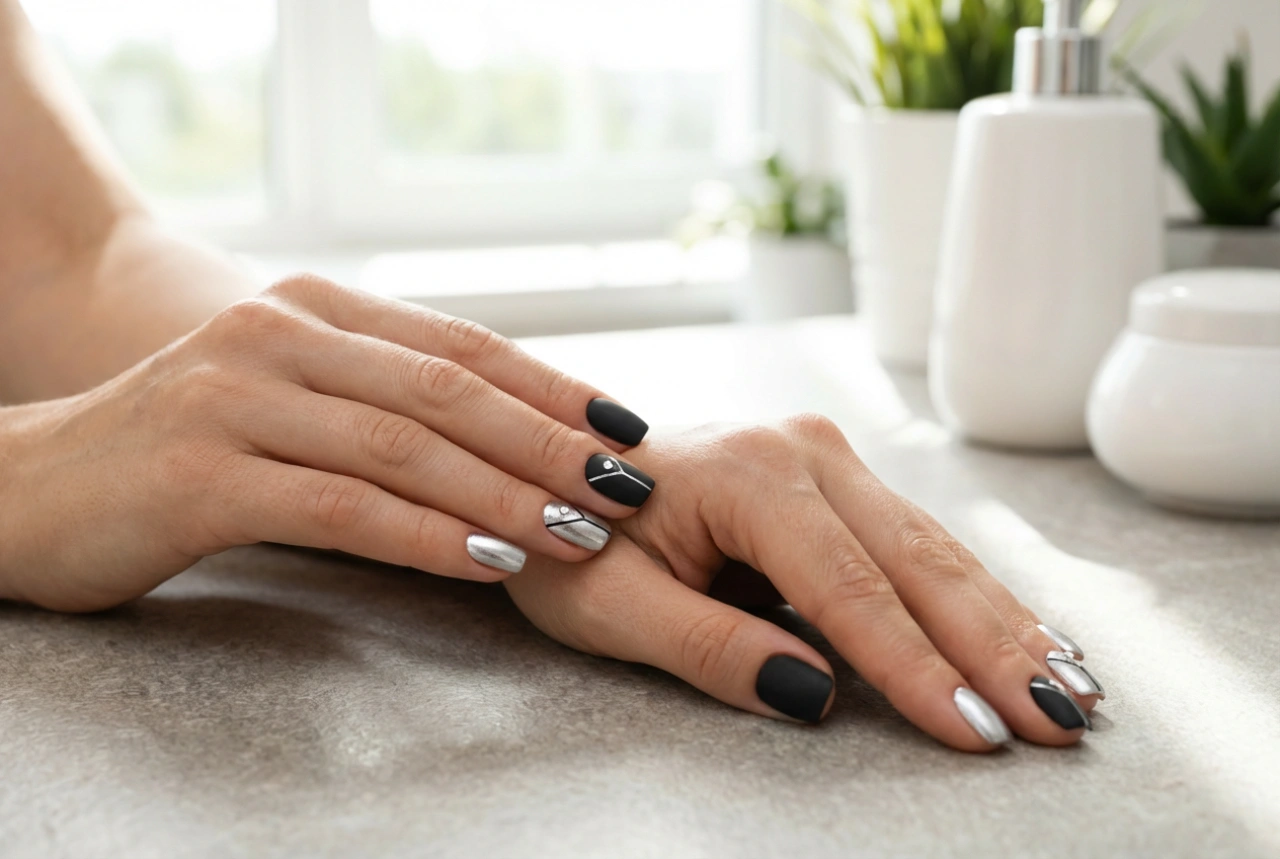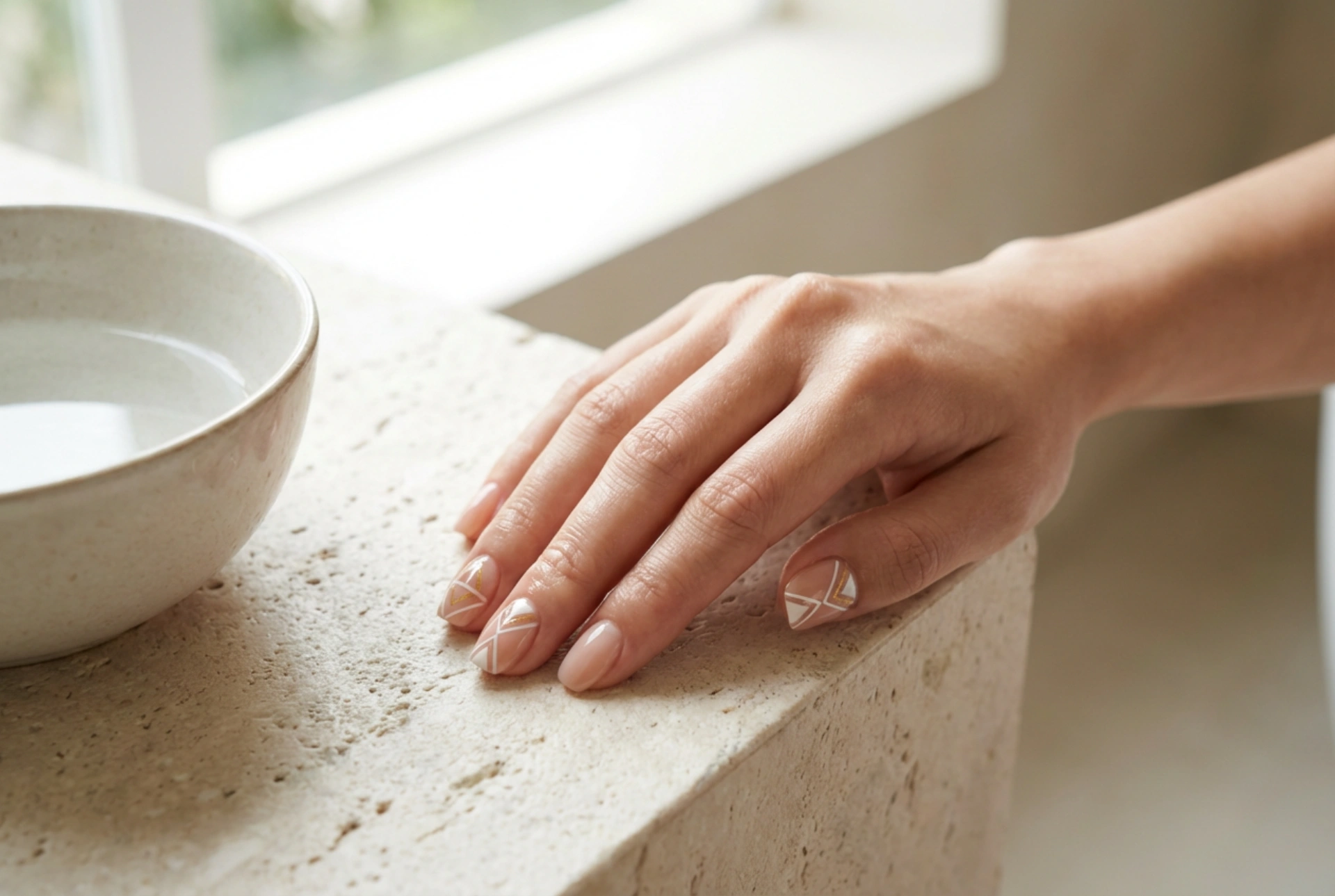


Intricate and elegant nail art, with its glossy finish and perfect lines, can seem like a work of art reserved for professionals. However, with the right materials and techniques, creating durable, beautiful designs at home is entirely achievable. The key lies in using a specialised gel for zdobienia, or nail art, and understanding how to properly apply and protect it. This guide will walk you through the steps to create lasting ornaments and secure them with a top coat for a flawless, long-lasting manicure.
Understanding Art Gels for Nail Design
Not all gels are created equal. While standard gel polishes provide colour, gels specifically designed for art have a unique consistency that makes them ideal for detailed work. These are often called art gels or painting gels. Their primary characteristic is a much thicker, more viscous texture. Unlike regular gel polishes that self-level and can spread, art gels stay exactly where you put them. This no-flow property is essential for creating sharp lines, tiny dots, and complex patterns without the risk of the design bleeding or losing its shape before curing. Furthermore, they are typically highly pigmented, meaning you can achieve opaque coverage with a very thin layer, preventing a bulky or uneven finish on the nail.
Essential Preparation for Flawless Nail Art
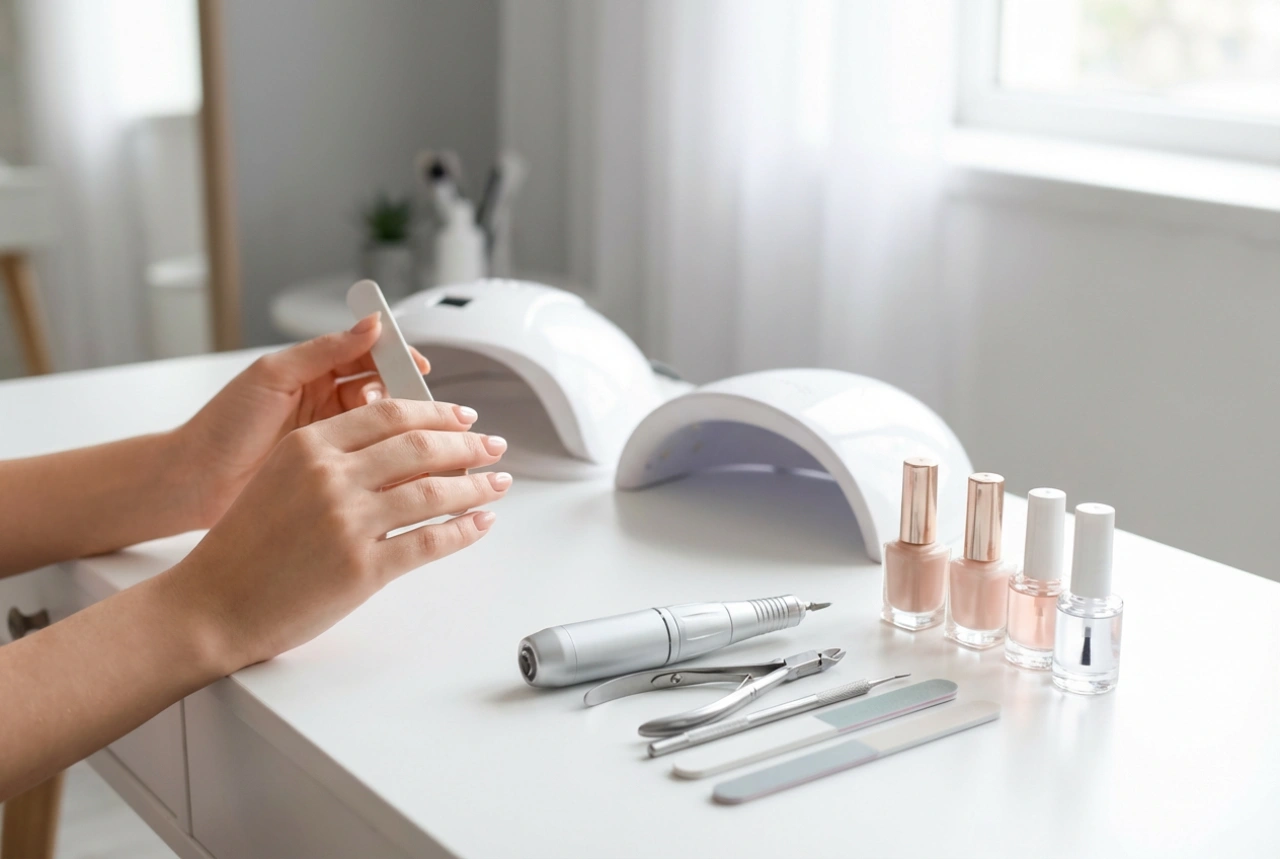
A beautiful design needs a solid foundation. Before you even pick up your art brush, preparing the nail surface correctly is crucial for both the application process and the longevity of your art. Start with your standard manicure preparation and apply your chosen base coat and colour layers, curing each as required.
Creating the Perfect Canvas
Once your base colour is fully cured, you have two main options for preparing the surface for art:
- Wipe the Inhibition Layer: Most gel polishes leave a sticky, or inhibition, layer after curing. For detailed art, it's best to remove this. Gently wipe the nail with a lint-free pad soaked in an appropriate nail cleanser. This creates a smooth, non-slippery surface that gives you more control over the art gel.
- Apply a Matte Top Coat: An excellent technique, especially for beginners, is to apply and cure a thin layer of a matte top coat over your base colour. The matte surface provides a slight grip, making it easier to draw precise lines and preventing the brush from slipping.
Techniques for Creating Intricate and Lasting Designs
With your canvas ready, it's time to create. The right tools are essential; fine-tipped liner brushes of varying lengths and dotting tools are your best friends for this process. Load your brush with a small amount of art gel. Remember, it's easier to add more than to take it away.
Application and Curing Strategy
When painting your design, use a light, steady hand. Let the brush do the work rather than applying firm pressure. For complex, layered designs, 'flash curing' is a game-changing technique. After painting a small section of your design, place your hand in the lamp for just 5-10 seconds. This partially cures the gel enough to set it in place, so you can paint new elements next to or on top of it without smudging. For example, when creating a flower, you can flash cure each petal before adding the next one. Once your entire design is complete, perform a full cure according to the gel manufacturer's instructions, typically 60-120 seconds, to ensure it is hardened all the way through.
Sealing Your Masterpiece: The Role of the Top Coat
Your beautiful nail art is complete, but the final step is arguably the most important for ensuring its durability. A high-quality top coat protects the design from scratches, chipping, and fading from UV exposure. It also encapsulates the design, smoothing over any texture and providing that coveted high-gloss finish.
The Floating Technique
The biggest risk when applying a top coat is smudging your hard work. To avoid this, use the 'floating' technique. Get a generous bead of top coat on your brush and gently 'float' it over the nail surface without letting the bristles make firm contact with the art underneath. Start near the cuticle and guide the gel down towards the free edge. Be sure to 'cap' the free edge by running the brush along the tip of the nail. This creates a seal that prevents lifting and significantly extends the life of your manicure. After application, cure the top coat fully. Depending on whether you used a 'wipe' or 'no-wipe' top coat, you may need to cleanse the sticky layer as the final step.