

Strong, smooth, and resilient nails are often seen as a sign of good grooming and care. However, many people struggle with nails that split, peel, and break easily, which can be frustrating. This common issue, often referred to as onychoschizia, involves the horizontal splitting of the nail plate into layers. While it can be a persistent problem, understanding the causes and adopting a consistent, gentle care routine can make a significant difference in improving the appearance and strength of your nails.
Understanding the Common Causes of Nail Splitting
The nail plate is composed of multiple layers of a protein called keratin, which are held together by natural oils and moisture. When these binding elements are depleted, the layers can separate, leading to splitting. Several non-medical factors can contribute to this condition.
External Factors
The most frequent culprits are environmental. Repeatedly wetting and drying the hands, such as during dishwashing or frequent hand washing, strips the nails of their natural oils. Harsh detergents, cleaning agents, and some nail polish removers containing acetone can also have a significant drying effect. Furthermore, physical stress plays a large role. Using your nails as tools to scrape surfaces, open cans, or type aggressively can cause delamination and breakage at the tip.
Internal Factors
Just as skin requires hydration, so do your nails. Insufficient water intake can lead to dehydration that manifests throughout your body, including your nail plates, making them more brittle. A balanced diet also plays a foundational role in the health of all body tissues. While specific deficiencies should be discussed with a professional, a diet lacking in a variety of vitamins and minerals may be reflected in the condition of your hair, skin, and nails.
A Gentle Routine for Healthier-Looking Nails
Adopting a careful and consistent nail care routine is the cornerstone of managing splitting nails. The focus should be on minimising stress and maximising moisture.
Filing and Shaping
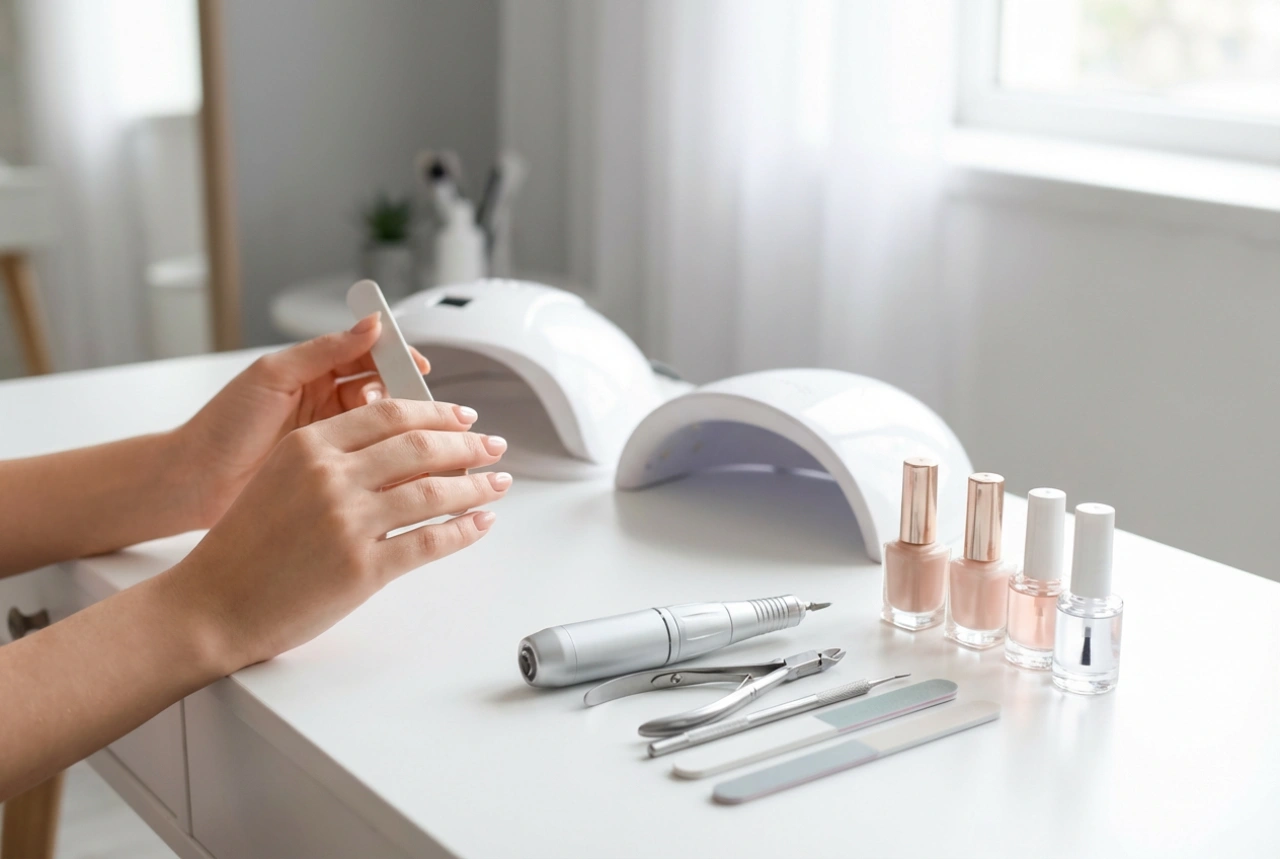
Swap aggressive emery boards for a fine-grit or glass nail file. Instead of sawing back and forth, which can fray the nail tip, file gently in one direction. A slightly rounded or 'squoval' (square-oval) shape is often more durable than a sharp, square, or pointed one, as it is less likely to snag on clothing and surfaces. Keep nails at a manageable, practical length to reduce the risk of accidental breakage.
Cuticle Care and Moisturization
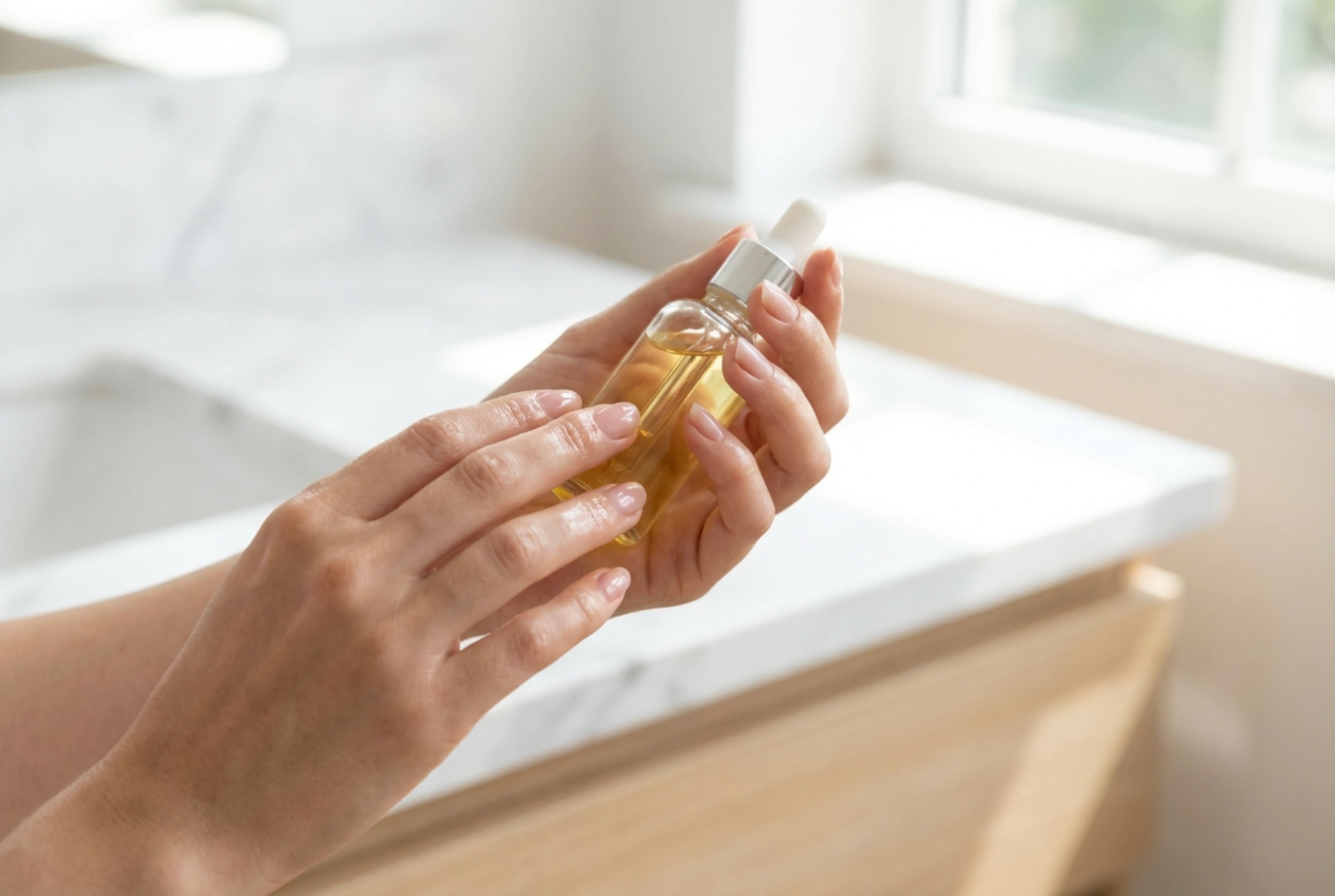
The cuticle is a natural barrier that protects the new nail as it grows from the matrix. Avoid cutting or aggressively pushing back dry cuticles. Instead, apply a dedicated cuticle remover to soften them, then gently nudge them back with a soft-tipped tool or a cloth after a shower. The most critical step is moisturisation. Apply a rich hand cream several times a day, especially after washing your hands. At night, treat your nails and cuticles to a nourishing oil. Look for ingredients like jojoba oil, almond oil, shea butter, or vitamin E, and massage a small amount into each nail bed to promote flexibility and hydration.
Protective Measures in Daily Life
Preventing damage is just as important as treating it. Simple changes to your daily habits can shield your nails from unnecessary harm.
- Wear Gloves: Always wear waterproof, cotton-lined gloves when washing dishes, hand-washing clothes, or using household cleaning products. This creates a physical barrier against water and harsh chemicals.
- Be Mindful of Your Hands: Make a conscious effort not to use your nails as tools. Use the pads of your fingers to type, a letter opener for mail, and a dedicated tool for scraping labels or opening cans.
- Choose Products Wisely: Opt for acetone-free nail polish removers, as they are less drying. When using hand sanitiser, which is often high in alcohol, be sure to follow up with a moisturising hand cream.
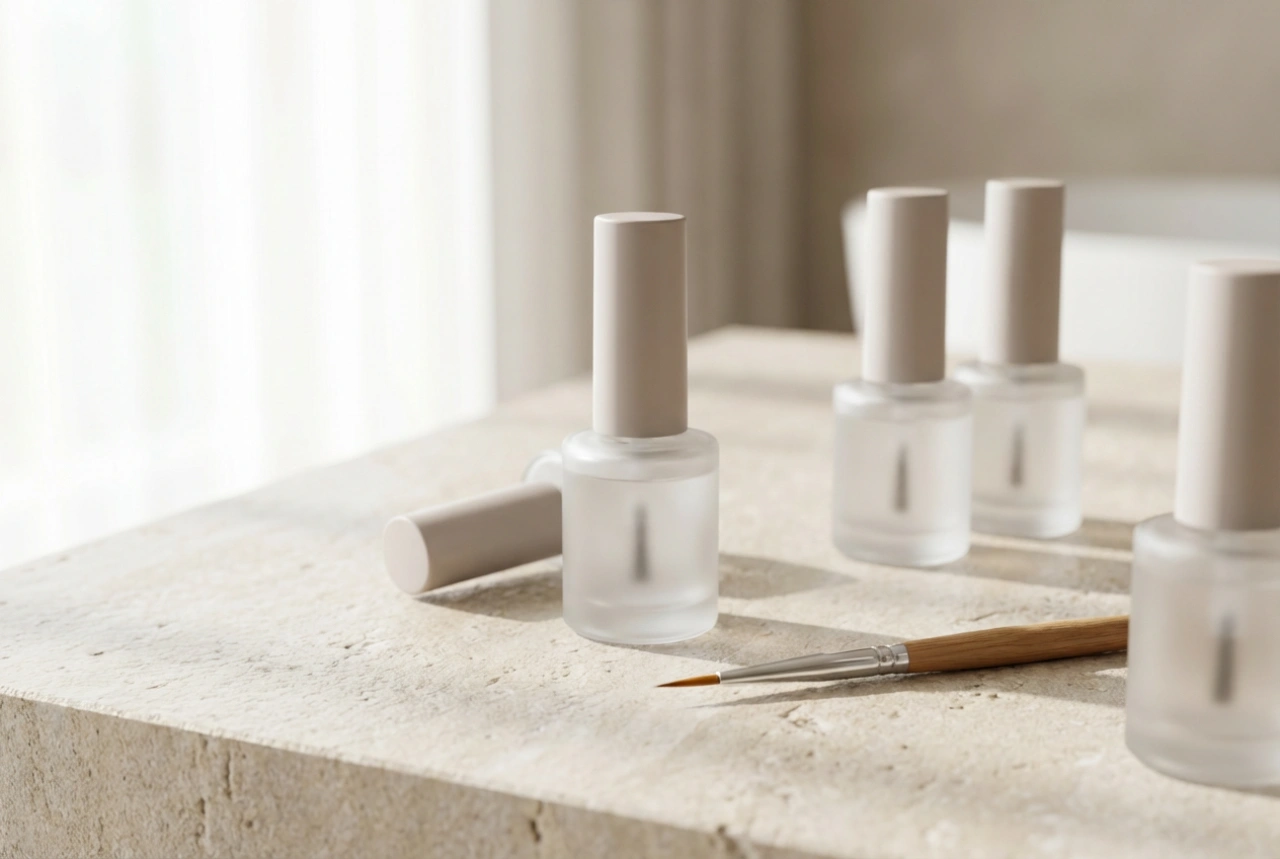
- Consider a Protective Polish: A clear nail strengthening polish can provide an extra layer of protection against physical damage and moisture loss. Allow your nails to have breaks from any polish to prevent discolouration.
The Role of a Balanced Lifestyle
While topical treatments are effective, what you put into your body is reflected on the outside. Staying well-hydrated by drinking plenty of water throughout the day helps to hydrate the nail plate from the inside out. Furthermore, a balanced and varied diet rich in fruits, vegetables, lean proteins, and healthy fats provides the building blocks for all cells, including those that form your nails. Consuming a rainbow of foods ensures a broad intake of the vitamins and minerals that support overall bodily health, which in turn contributes to the appearance of strong and healthy nails.