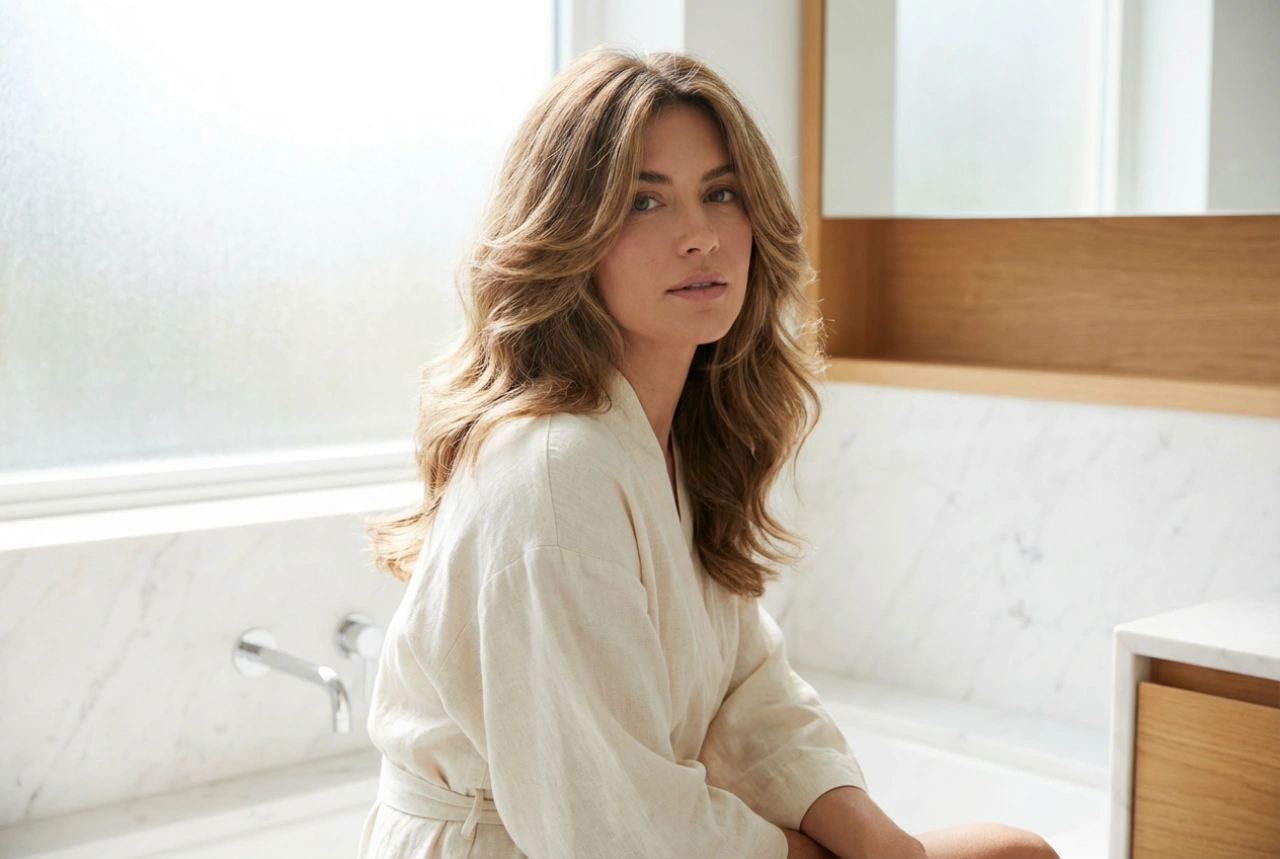


Long hair has a timeless appeal, often associated with elegance and femininity. Its versatility allows for a multitude of styling options, from simple, everyday looks to more elaborate creations for special occasions. However, maintaining long, healthy hair requires dedication and proper care. Understanding how to look after your long locks and which styles complement your features is the key to showcasing their full beauty. This guide will walk you through the essentials of caring for and styling long hair.
Who Do Long Hairstyles Suit?
While long hair is often seen as a universally flattering choice, certain factors can influence how well it complements an individual. The key is to adapt the cut and style to your unique features, such as face shape and hair texture.
Face Shape Considerations
- Oval Faces: Considered the most versatile face shape, it can pull off almost any long hairstyle, from straight and sleek to voluminous waves or curls.
- Round Faces: Longer styles are excellent for elongating a round face. Layers that start around the chin or collarbone can help to add definition and create the illusion of a more oval shape. Parting the hair slightly off-centre can also be very flattering.
- Square Faces: Softness is key. Long hair with waves, curls, or feathered layers around the face can soften the strong jawline characteristic of a square face. Avoid blunt, straight-across fringes.
- Heart-Shaped Faces: Long hair helps to balance a wider forehead and a narrower chin. Styles with volume at the bottom half of the hair, such as soft curls or waves starting from the ears down, are particularly flattering.
Hair Type and Texture
The natural texture of your hair plays a significant role in how long styles will behave. Fine hair can sometimes look flat when long, so incorporating long layers can add movement and the illusion of volume. For thick hair, long styles are great for managing its weight, and strategic layering can prevent it from becoming too bulky. Naturally curly or wavy hair looks beautiful when long, as the length can help weigh down the curls slightly, making them more manageable and defined.
Essential Care for Long Hair
Healthy hair is the foundation of any great hairstyle. Long hair is older and has been exposed to more potential damage, so it requires extra attention to stay in prime condition.
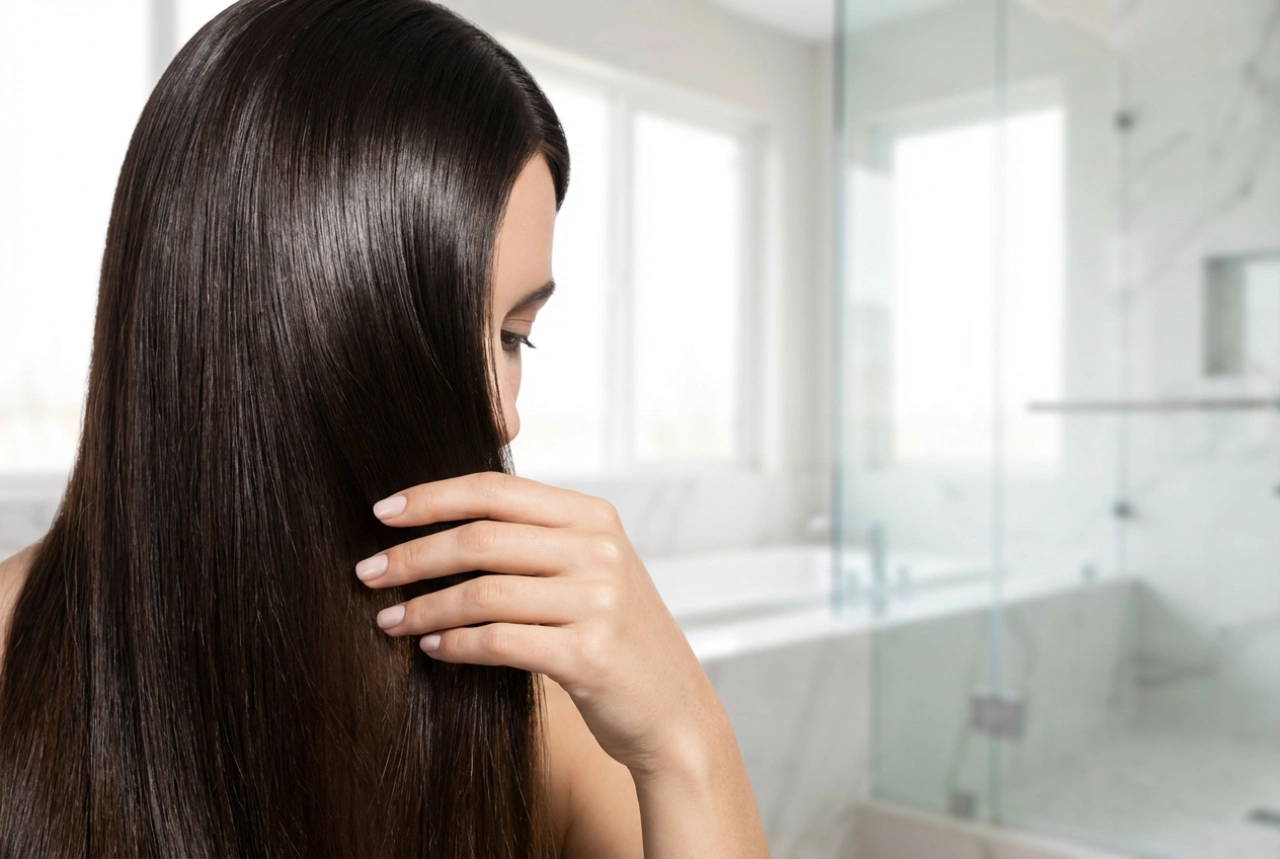
- Gentle Cleansing: Focus shampoo on the scalp where oil and dirt accumulate, and let the suds run down the lengths as you rinse. Avoid harsh scrubbing on the ends, which can cause friction and breakage.
- Consistent Conditioning: Always follow shampoo with a conditioner, concentrating the product on the mid-lengths and ends. This is the oldest and driest part of your hair and needs the most moisture. Consider a leave-in conditioner for extra hydration.
- Minimise Heat: Frequent use of heat styling tools can lead to dryness and split ends. When you do use them, always apply a heat protectant product first. Opt for air-drying whenever possible or use the lowest heat setting on your hairdryer.
- Regular Trims: It might seem counterintuitive when growing your hair, but regular trims every 8-12 weeks are crucial. This removes split ends before they can travel up the hair shaft, preventing further damage and helping your hair to look thicker and healthier.
Simple Styling Techniques for Everyday
You don't need complex skills to create beautiful styles with long hair. Here are a few simple ideas you can master at home.
Effortless Waves
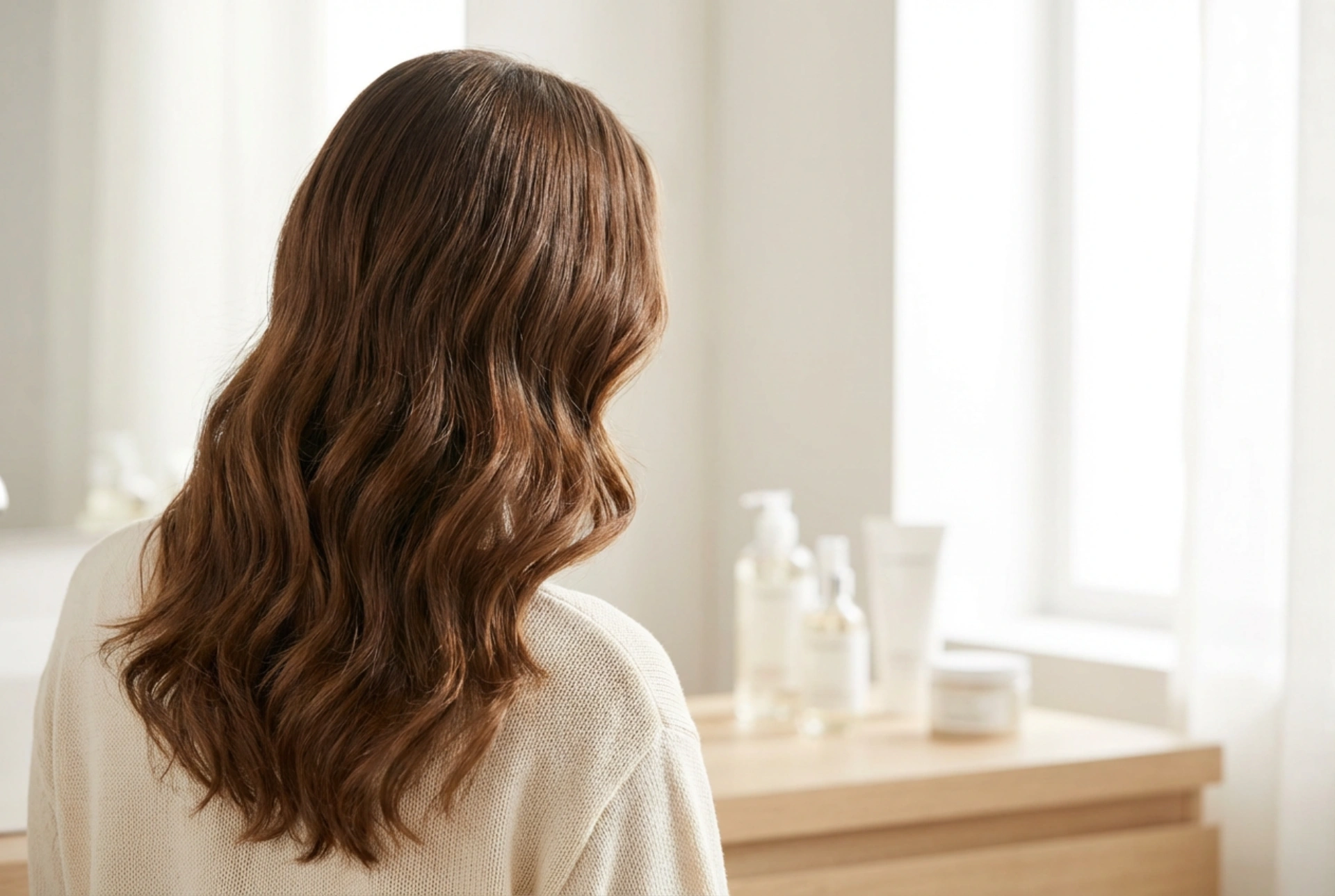
For natural-looking, beachy waves without heat, try braiding your hair. Wash your hair in the evening, let it air-dry until it's about 80% dry, and then put it into one or two loose braids. In the morning, undo the braids and gently tousle your hair with your fingers. A light spritz of texturising spray can help hold the waves.
The Elevated Ponytail
A ponytail can be much more than a quick, functional style. To make it look more polished, gather your hair into a low or high ponytail and secure it with a hair tie. Then, take a small section of hair from the underside of the ponytail, wrap it around the hair tie to conceal it, and secure the end with a bobby pin underneath.
The Simple Low Bun
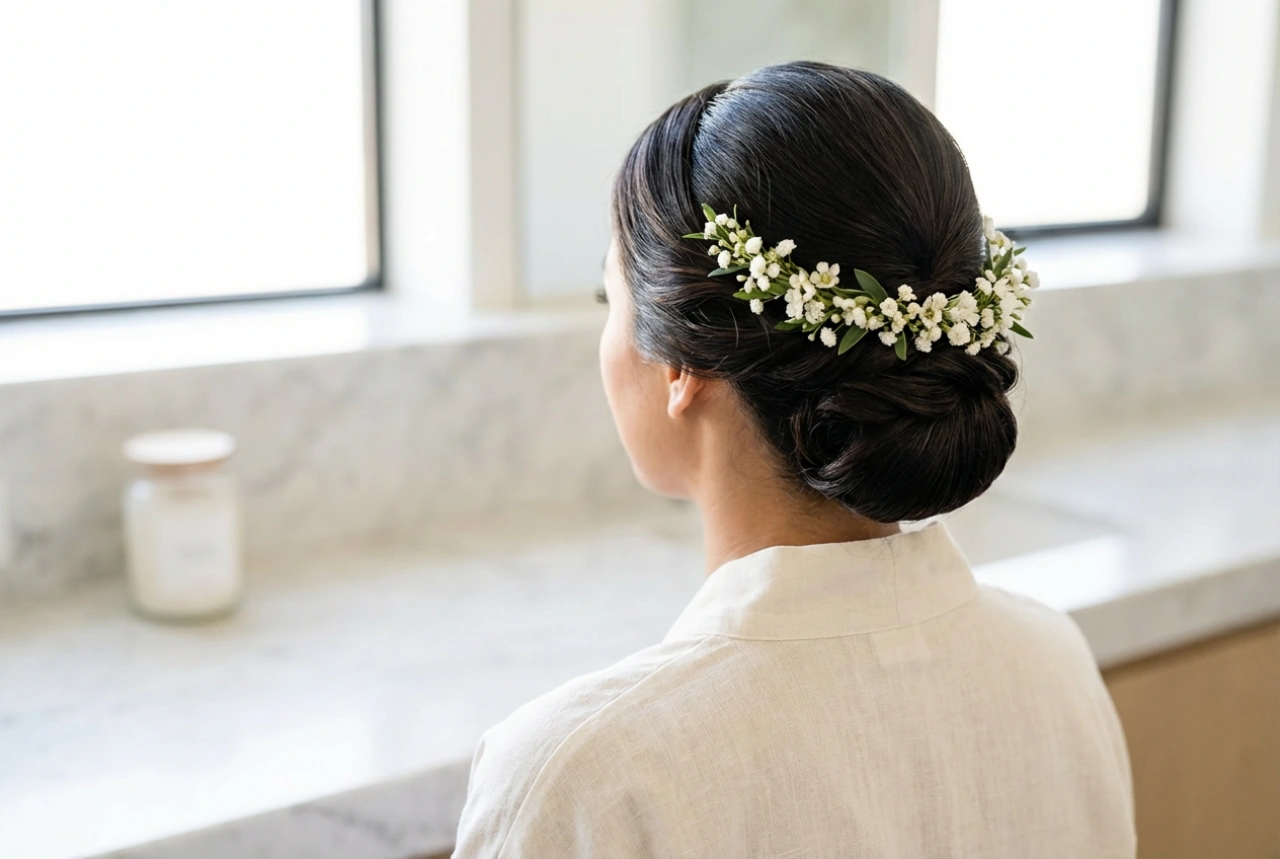
For an elegant and chic look, the low bun is a perfect choice. Gather your hair into a low ponytail at the nape of your neck. Gently twist the ponytail, then wrap it around its base to form a bun. Secure it with bobby pins or a second hair tie. You can pull out a few face-framing strands for a softer, more relaxed feel.