

Achieving beautifully smooth, hair-free legs is a goal for many, and with the right technique, it's entirely possible to get professional-looking results in the comfort of your own home. At-home waxing can seem daunting, but by following a clear process, you can turn it into a simple and effective beauty ritual. This guide will walk you through every step, from preparing your skin to the crucial aftercare, ensuring a smooth and successful experience.
Preparing Your Skin for Waxing
Proper preparation is the key to an effective and less uncomfortable waxing session. Neglecting this step can lead to skin irritation, missed hairs, and a less-than-perfect finish. Before you even open the wax, make sure your skin is ready.
Cleanse and Exfoliate
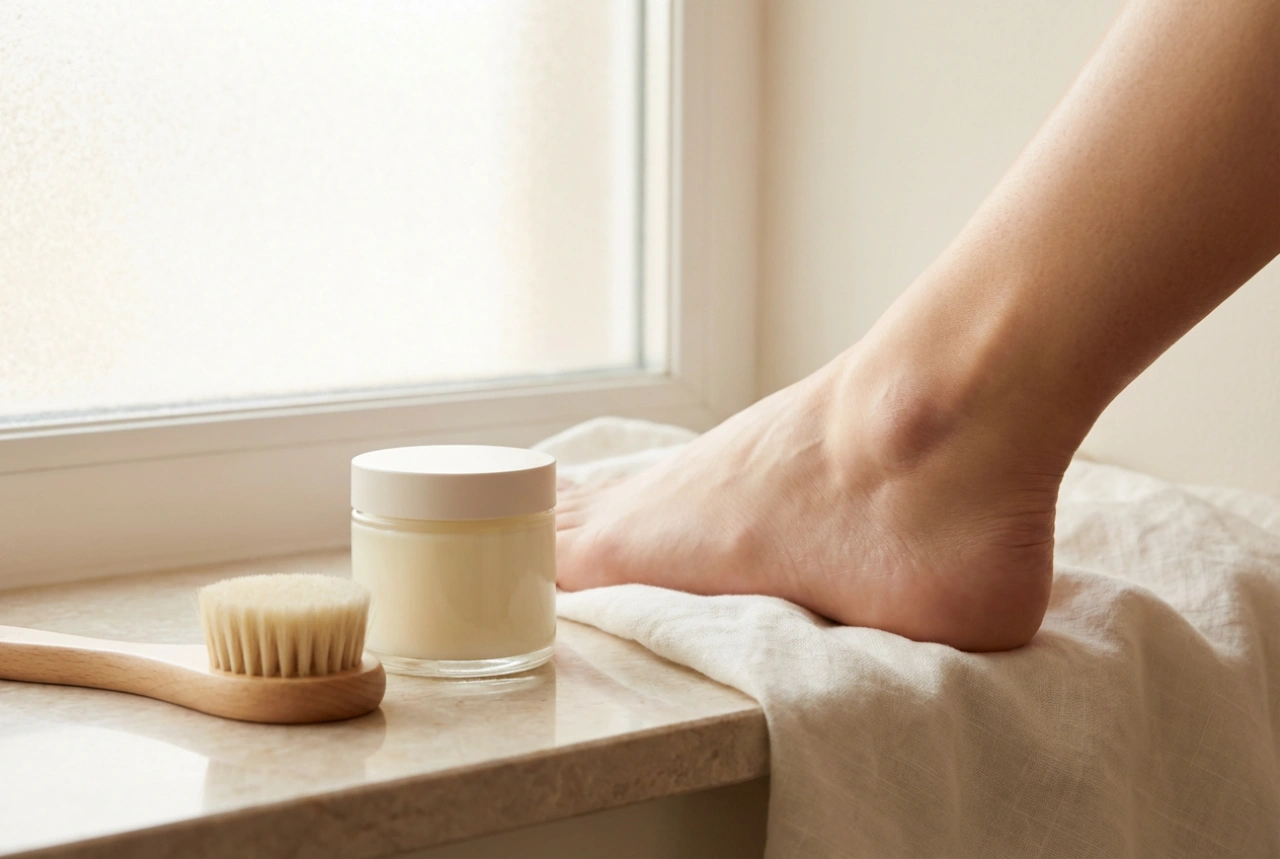
Start by cleansing your legs thoroughly to remove any oils, lotions, or creams. Skin should be completely clean and dry. A day or two before you plan to wax, gently exfoliate your skin with a mild scrub or brush. This helps to remove dead skin cells, which can clog the wax and prevent it from gripping the hair properly. Exfoliation also helps to release any hairs that might be trapped just beneath the surface, making them easier to remove.
Ensure Ideal Hair Length
For wax to be effective, your hair needs to be the right length—ideally about 6mm (or ¼ inch). If the hair is too short, the wax won't be able to grip it. If it's too long, the removal process can be more uncomfortable and may not be as clean. If your hair is longer than about 1.5cm (or ½ inch), consider trimming it carefully before you begin.
The Waxing Process: A Step-by-Step Guide
Once your skin is prepped, you can begin the waxing process. Work in a comfortable, well-lit area and lay down a towel to protect your surfaces from any drips. Patience is key; work in small, manageable sections rather than trying to wax large areas at once.
Heating and Testing the Wax
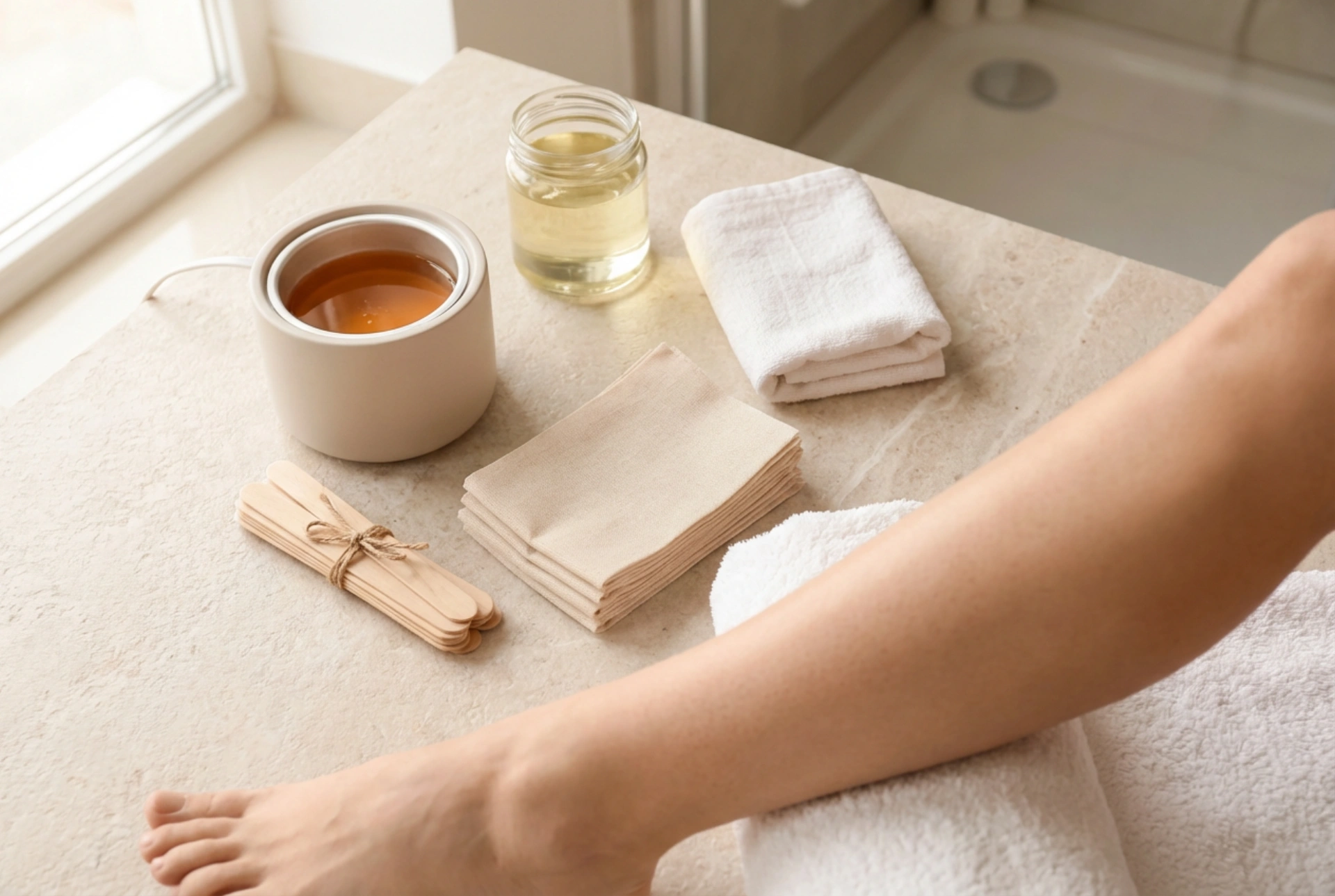
Follow the instructions on your waxing kit to heat the wax to the correct temperature. The ideal consistency is similar to that of thick, warm honey. It should be spreadable but not too runny or hot. Before applying it to your leg, always test a small amount on the inside of your wrist to ensure the temperature is safe and won't burn your skin.
Application and Removal
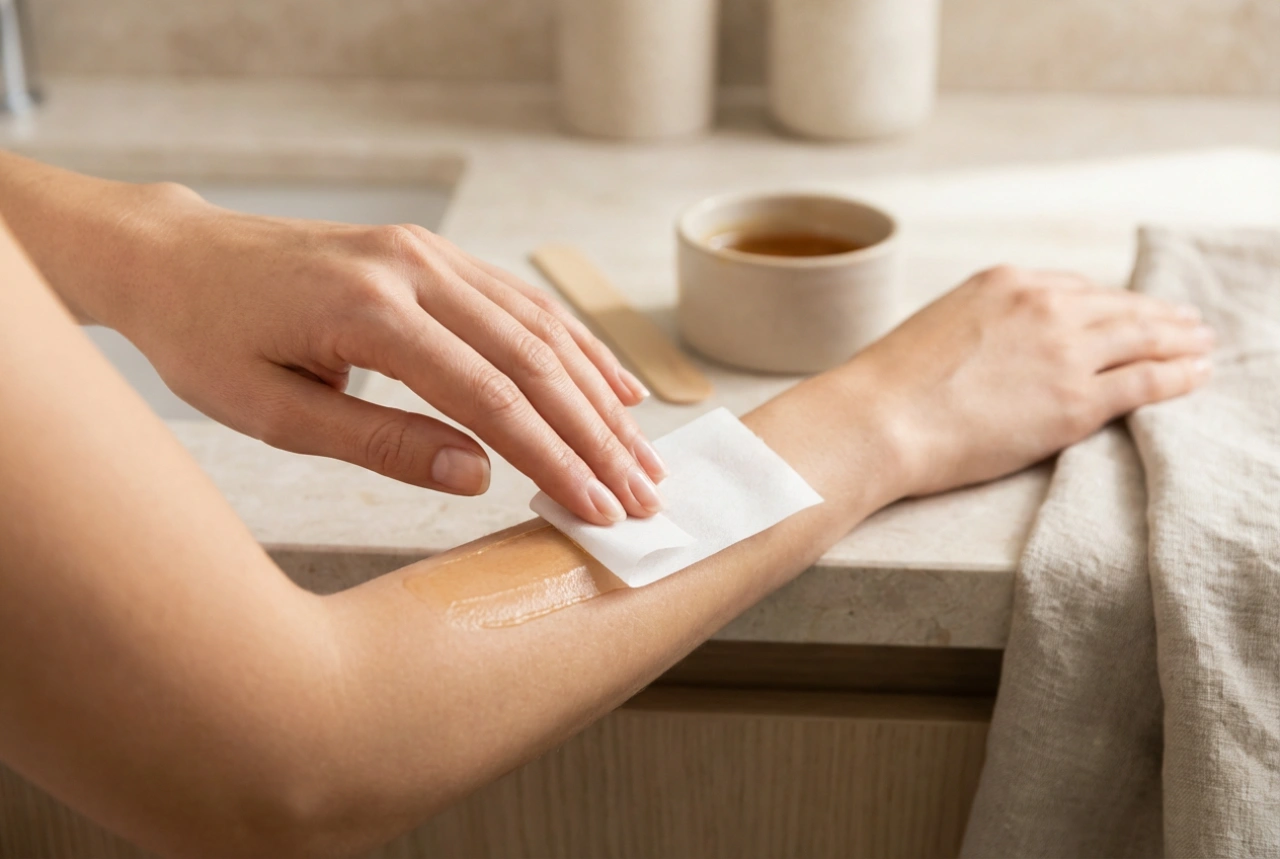
Using a clean spatula, apply a thin, even layer of wax onto a small section of your skin. Always apply the wax in the direction of hair growth. Next, place a wax strip over the wax, pressing it down firmly and rubbing it in the same direction as the hair growth for a few seconds. Leave a small 'tab' of the strip at the end that isn't covered in wax, as this will be your handle for removal. To remove, hold the skin taut with one hand. With the other hand, grip the tab and pull the strip off quickly and decisively. Crucially, you must pull in the opposite direction of hair growth and keep the strip as close and parallel to the skin as possible. Avoid pulling the strip upwards and away from the skin, as this can cause bruising or skin irritation.
Aftercare: Soothing and Maintaining Your Skin
What you do after waxing is just as important as the preparation. Proper aftercare helps to soothe the skin, prevent irritation, and maintain your smooth results for longer.
Remove Residue and Soothe
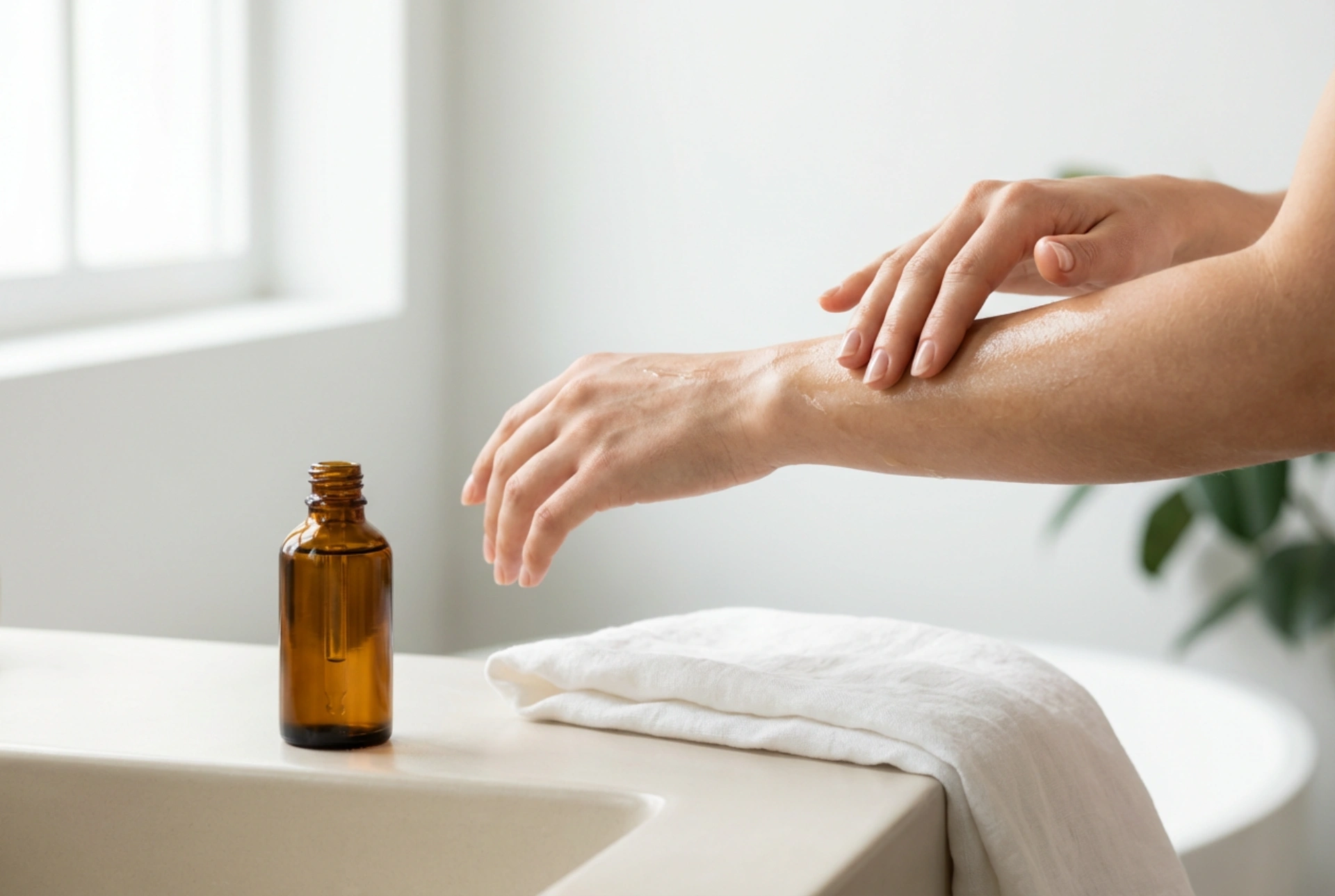
After you've finished waxing all desired areas, you may have some sticky wax residue left on your skin. Most waxing kits come with a special post-wax oil or wipes to remove this. If not, a natural oil like olive oil or coconut oil on a cotton pad will work effectively. Water will not remove wax residue. Once your skin is clean, apply a gentle, soothing lotion, preferably one containing calming ingredients like aloe vera, to help reduce redness and calm the skin.
Post-Waxing Care and Prevention
For the first 24 to 48 hours after waxing, avoid hot baths, saunas, swimming pools, and sun exposure, as your skin will be more sensitive. Wear loose-fitting clothing to prevent friction and irritation. To help prevent ingrown hairs, begin gently exfoliating the area again about two or three days after waxing and continue to do so two to three times a week. Keeping the skin moisturised daily will also help to keep it soft and allow new hairs to grow through the surface without becoming trapped.