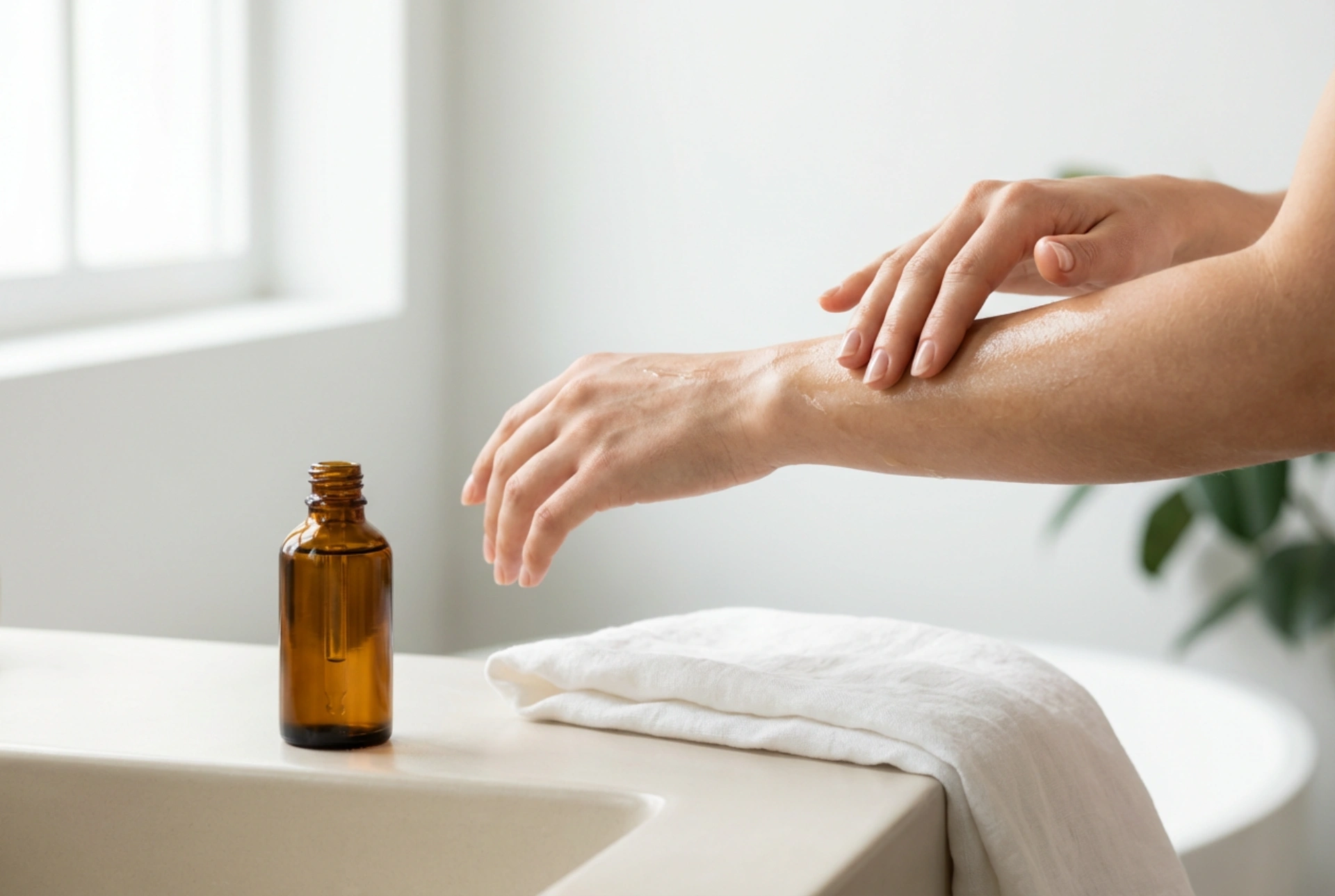


Incorporating a massage into your self-care routine can be a deeply relaxing experience, and using the right oil is key to elevating it. A good massage oil not only facilitates smooth, effortless movements across the skin but also provides significant nourishment, leaving it feeling supple and wonderfully hydrated. Understanding how to choose, apply, and care for your skin afterwards will transform a simple home massage into a truly restorative ritual.
Choosing the Ideal Massage Oil
The market offers a wide variety of oils, and the best one for you depends on your skin type and desired experience. Carrier oils, derived from plants, are the foundation of any good massage blend. For a light, easily absorbed feel, consider oils like grapeseed or sweet almond oil. They provide good glide without leaving a heavy residue. If your skin is on the drier side, richer oils such as jojoba or avocado oil offer more intensive moisturisation. Coconut oil is another popular choice, known for its pleasant aroma and hydrating properties. When selecting an oil, look for pure, cold-pressed options, as they retain more of their natural nutrients. You can also look for oils infused with gentle botanicals for an added sensory experience.
The Art of Application for Perfect Glide
Proper application is crucial for achieving that seamless glide that makes a massage so effective and enjoyable. Rushing the process or using too much or too little product can hinder the experience.
Preparing for the Massage
- Warm the Oil: Cold oil can be a shock to the system and cause muscles to tense up. Warm a small amount of oil by rubbing it between your palms or by placing the bottle in a bowl of warm water for a few minutes. This simple step makes the massage far more pleasant.
- Prepare the Skin: For best results, apply massage oil to clean skin. A warm shower or bath beforehand can help to relax your muscles and open your pores, allowing the oil to be absorbed more effectively. Pat your skin dry before application.
Application Technique
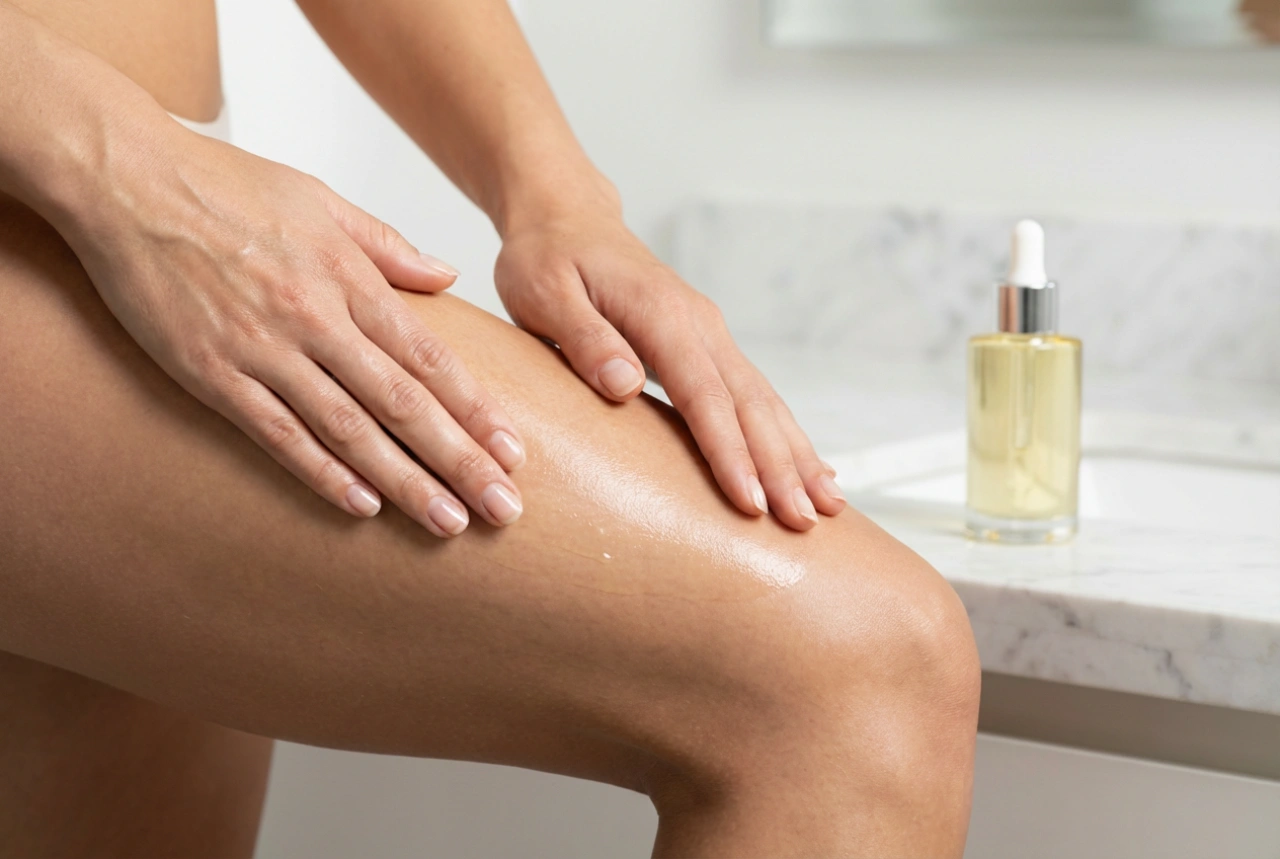
Start with a small, coin-sized amount of oil in your palm. Rub your hands together to distribute it evenly and then apply it to the skin using long, sweeping strokes. This initial layer helps to create a base for the massage. As you work on different areas, add more oil as needed, but always in small increments. The goal is to have enough slip to move your hands freely without friction, but not so much that your hands slide uncontrollably or the skin feels overly greasy. This controlled approach ensures a comfortable, non-messy, and effective massage.
Post-Massage Skin Care
What you do after the massage is just as important as the massage itself. It helps to lock in the benefits and care for your skin. There is generally no need to wash the oil off immediately, especially if you've used a high-quality, natural oil. Your skin will continue to absorb its nourishing properties. If you feel there's an excess of oil on your skin, you can gently blot it with a soft towel. Avoid rubbing, as this can irritate the skin. Allow the remaining oil to fully absorb, acting as a deep moisturiser. To avoid staining clothes or bed linen, you might want to wear loose, comfortable clothing you don't mind getting a little oily or wait about 15-20 minutes before dressing.
Creating a Restorative Atmosphere
To fully embrace the benefits of a home massage, take a few moments to set a tranquil scene. Dim the lights, play some calming music, or simply enjoy the quiet. Focus on your breathing as you massage, taking slow, deep breaths to enhance relaxation. Pay attention to areas that hold tension, such as the neck, shoulders, and lower back, using gentle but firm pressure. This mindful approach transforms the physical act of massage into a holistic practice that soothes both body and mind, leaving you feeling refreshed and cared for.