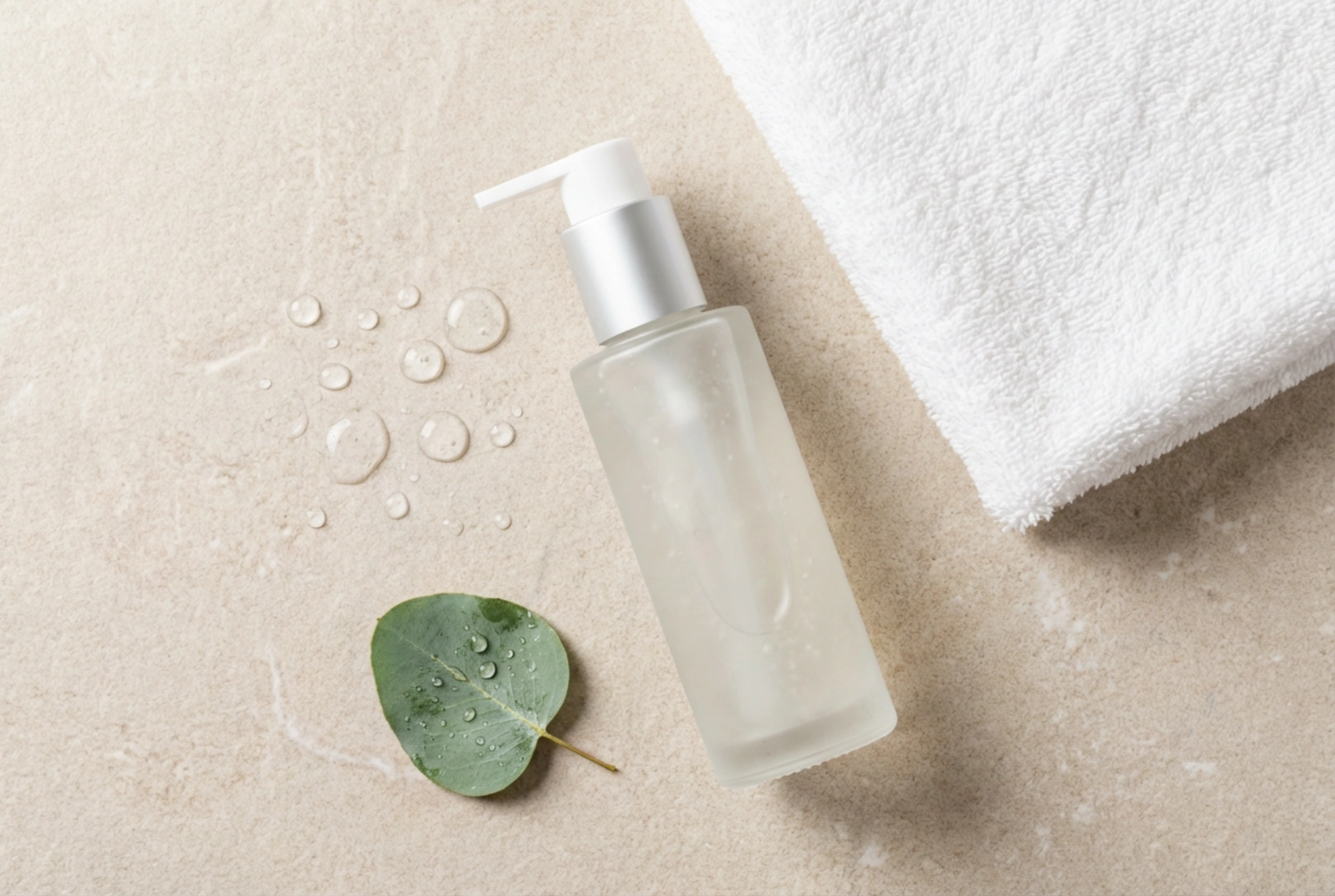


Achieving a clean, fresh complexion without that tight, stripped feeling is a cornerstone of any effective skincare routine. The secret often lies in the very first step: cleansing. Using a gentle face wash gel can make all the difference, helping to remove impurities, excess oil, and makeup while respecting your skin's delicate natural balance. Understanding how to choose and use the right type of cleanser is key to maintaining a hydrated, comfortable, and healthy-looking appearance.
Why Gentle Cleansing is Crucial for Healthy Skin
Your skin has a natural protective barrier, often called the acid mantle, which is composed of lipids and sweat. This barrier helps to lock in moisture and keep out environmental aggressors. Harsh cleansers with strong detergents can strip away these essential natural oils, disrupting the skin's pH balance and weakening its protective function. This can lead to a range of issues, including dryness, sensitivity, redness, and a feeling of tightness. By opting for a gentle formula, you support this barrier, ensuring your skin remains resilient, hydrated, and calm.
What to Look For in a Gentle Face Wash Gel
When selecting a face wash, it's less about flashy claims and more about the fundamental formulation. Here are some key characteristics to seek out for a truly gentle cleanse:
Key Features of a Mild Cleanser
- pH-Balanced Formula: Look for cleansers that are close to the skin's natural pH (around 5.5). This helps to prevent disruption of the acid mantle.
- Mild Surfactants: Surfactants are the ingredients that create lather and cleanse the skin. Gentle options are derived from sources like coconuts or sugars and are less likely to strip the skin compared to harsher sulphates.
- Hydrating and Soothing Ingredients: The presence of ingredients like glycerine, hyaluronic acid, panthenol (pro-vitamin B5), and various plant extracts can help to hydrate and soothe the skin during the cleansing process. These agents help to replenish moisture, leaving the skin feeling soft and supple, not tight.
- Fragrance-Free and Colourant-Free: Artificial fragrances and dyes are common culprits for skin sensitivity and irritation. A simpler, clearer formula is often a safer choice, especially for reactive skin types.
The Correct Technique for Cleansing Your Face
How you wash your face is just as important as what you use. Applying the right technique ensures you get a thorough cleanse without causing unnecessary friction or irritation.
Follow these simple steps for an effective and gentle wash:
- Start with Lukewarm Water: Hot water can strip the skin of its natural oils, while very cold water may not be as effective at dissolving impurities. Lukewarm water is the perfect middle ground.
- Use a Small Amount: You only need a pea-sized amount of gel. Lather it between your damp hands before applying it to your face. More product doesn't mean a better cleanse.
- Apply with Gentle, Circular Motions: Using your fingertips, massage the cleanser onto your damp skin for about 30 to 60 seconds. Focus on areas prone to oiliness, like the T-zone, but avoid harsh scrubbing.
- Rinse Thoroughly: Splash your face with lukewarm water until all traces of the cleanser are gone. Pay attention to your hairline, jawline, and the sides of your nose.
- Pat, Don't Rub: Use a clean, soft towel to gently pat your skin dry. Rubbing can cause micro-tears and irritation. Your skin should be left slightly damp, ready for the next steps in your skincare routine, like a serum or moisturiser.
Signs You Might Be Over-Cleansing
It's possible to have too much of a good thing. If your skin feels consistently tight, looks red, starts to flake, or becomes unusually sensitive after washing, you may be over-cleansing or using a product that's too harsh for your needs. In this case, consider reducing your cleansing frequency or switching to an even milder, more hydrating formula to help your skin's barrier recover.