

Choosing a new hairstyle is a wonderful way to refresh your look and express your personal style. While trends come and go, the most flattering haircut is often one that harmonises with your natural features, particularly your face shape. Understanding how hair length, parting, and volume interact with your facial structure is the key to unlocking a style that not only looks great but also makes you feel confident. This guide will walk you through the simple steps to identify your face shape and select a hairstyle that beautifully complements it.
How to Determine Your Face Shape
Before you can choose the most suitable style, you need to identify your face shape. Pull your hair back completely from your face and look into a mirror. Pay attention to the overall contours. The main shapes are generally categorised as oval, round, square, heart, and long. An oval face is slightly longer than it is wide, with a softly curved jawline. A round face has similar width and length with full cheeks. A square face is characterised by a strong, angular jawline and a broad forehead. A heart-shaped face is wider at the forehead and tapers down to a narrower chin. A long or oblong face is noticeably longer than it is wide, with straight sides.
Choosing the Right Length for Balance
The length of your hair can dramatically alter the perception of your face shape, either by elongating it or adding width. The goal is to create an illusion of an oval shape, which is often considered the most balanced.
For Oval and Long Faces
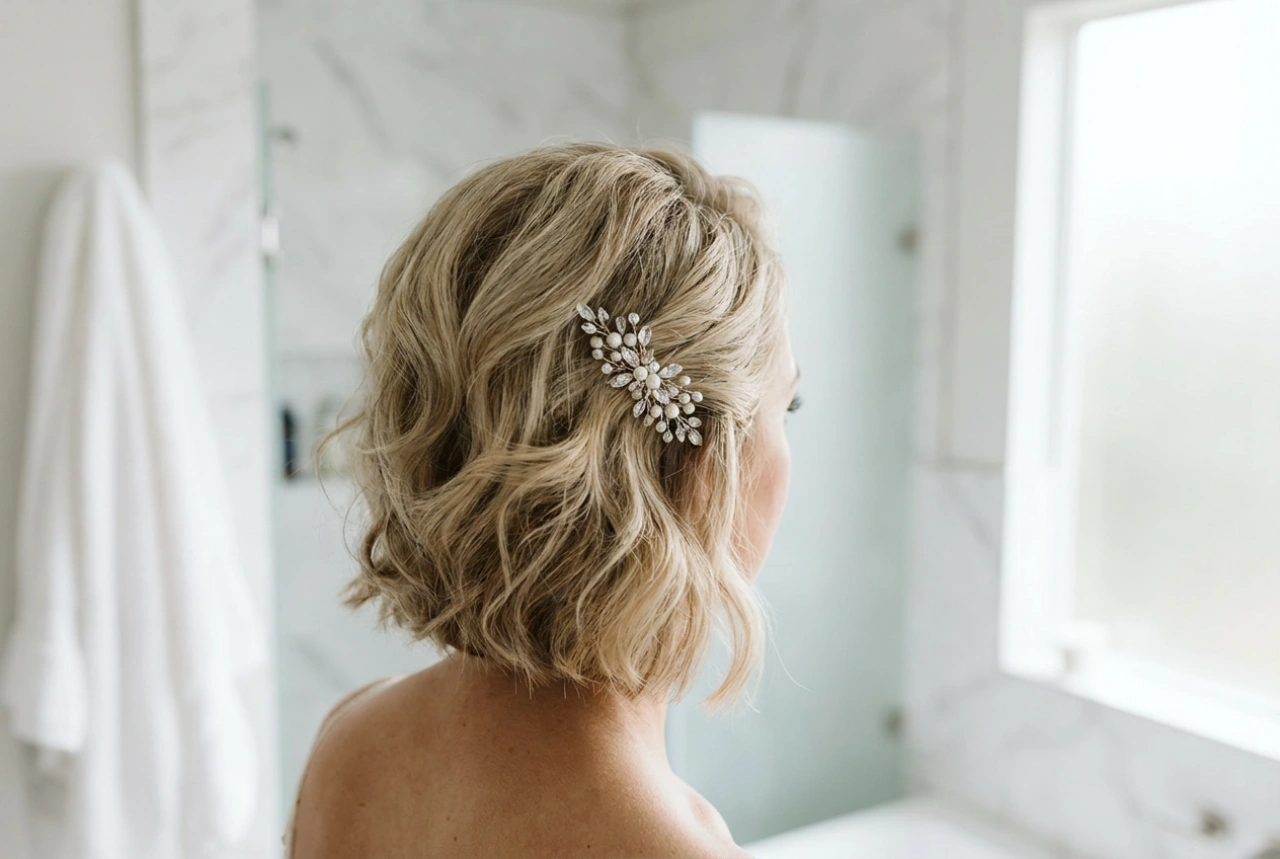
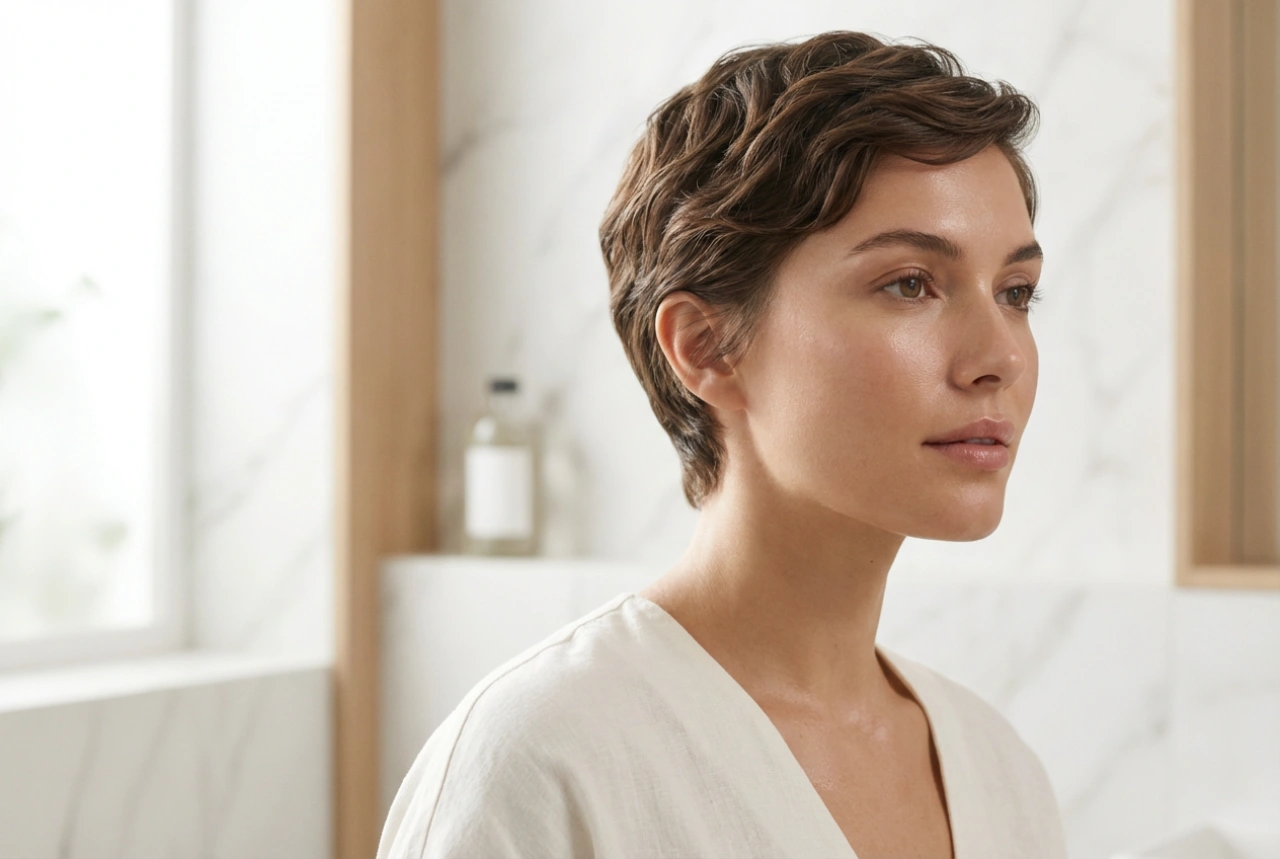
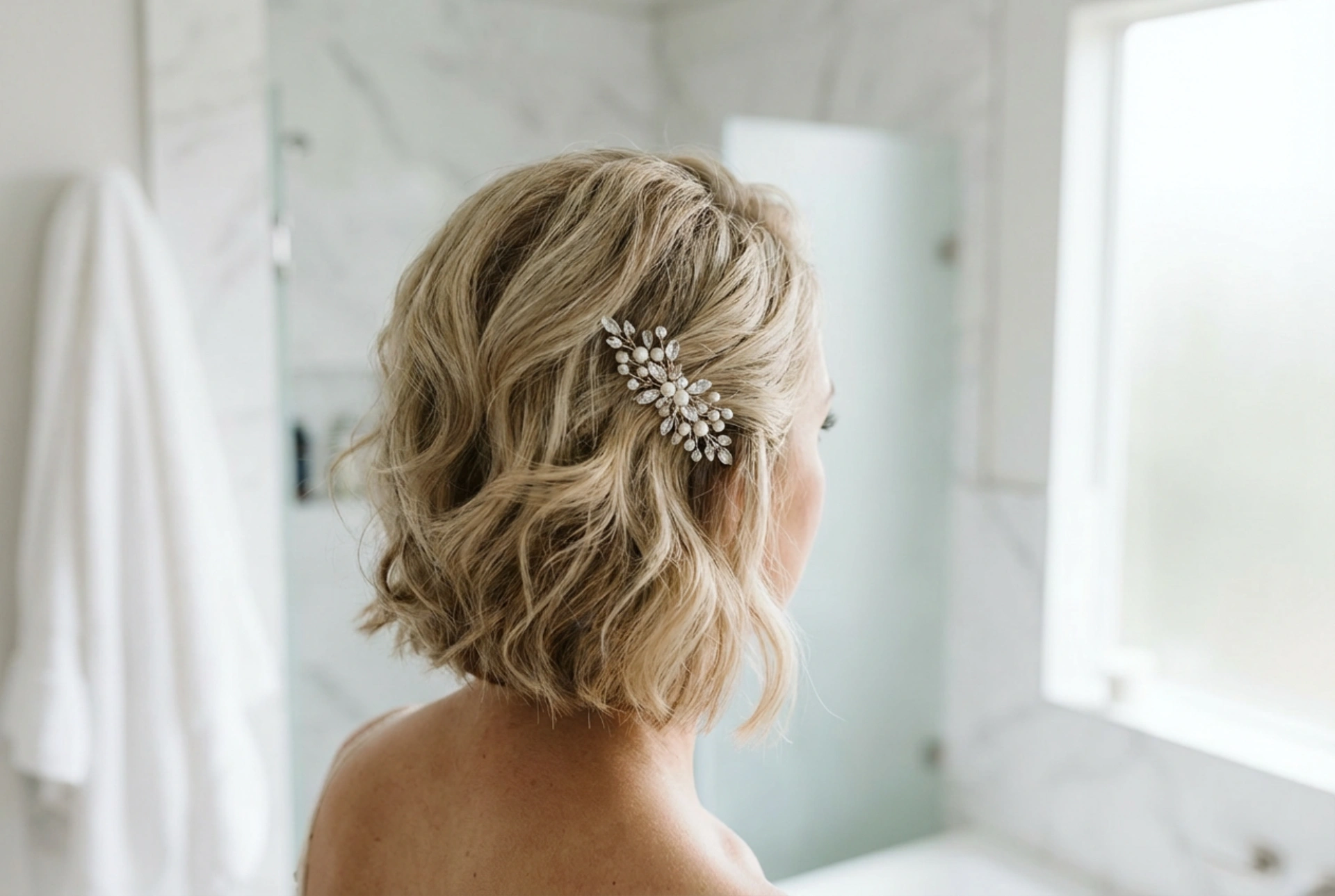
Oval faces are highly versatile and suit almost any hair length, from short pixie cuts to long, flowing locks. If you have a long face, it's best to avoid very long, straight hair, as this can accentuate the length. Instead, consider shoulder-length cuts, bobs that end at the chin, or styles with curls and waves to add width and softness.
For Round and Square Faces
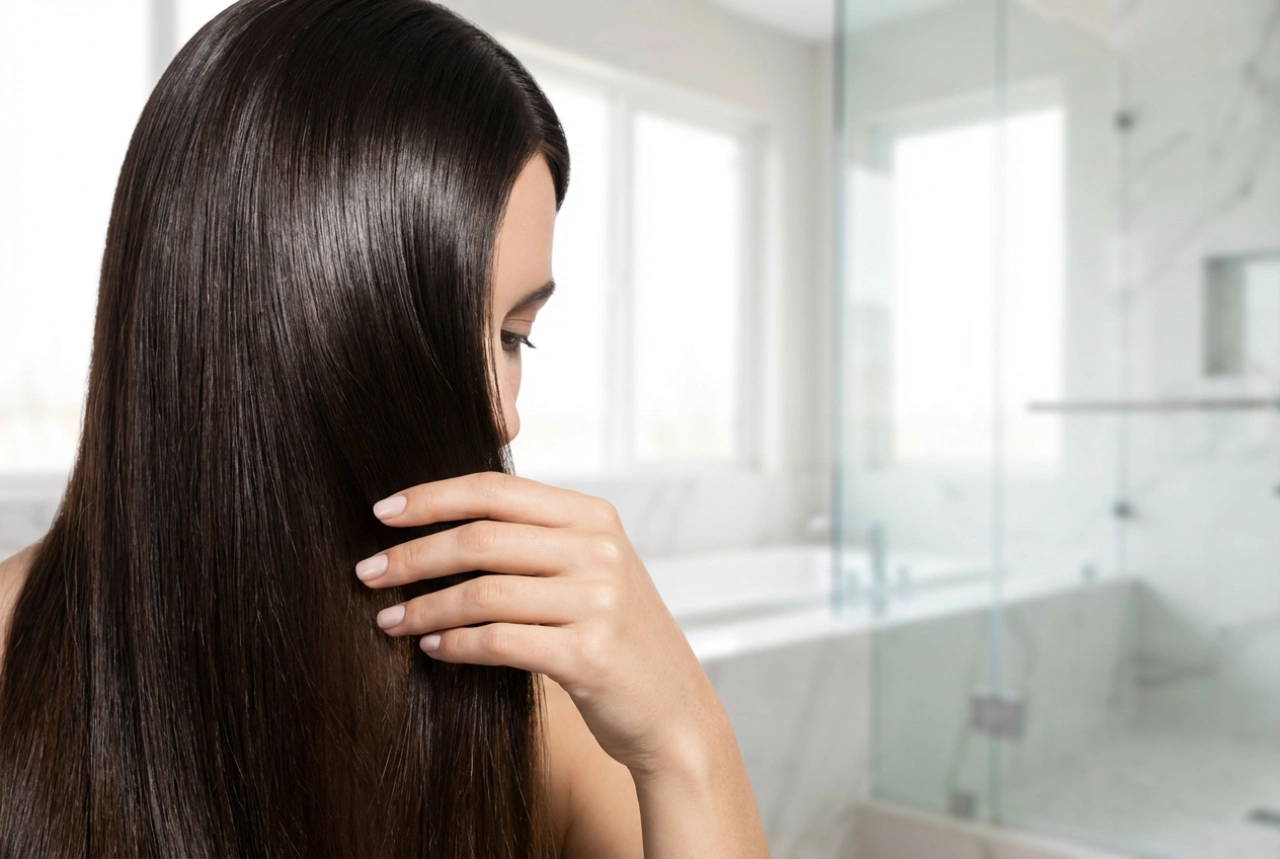
If you have a round face, the aim is to add length and definition. Longer hair is an excellent choice, as it helps to visually slim the face. Layers that start below the chin can also create a more elongated appearance. For square faces, the key is to soften the strong angles of the jawline. Soft, wavy styles, long layers, and cuts that fall below the shoulders are particularly flattering. Avoid blunt, straight-across fringes and sharp bobs that end at the jawline, as they can emphasise angularity.
For Heart-Shaped Faces
With a heart-shaped face, the objective is to balance a wider forehead with a narrower chin. Chin-length or shoulder-length hair works beautifully, as it adds volume around the lower part of the face. Long hair with soft, sweeping layers is also a great option. Try to avoid styles that add too much volume at the top of the head.
The Power of the Parting
Something as simple as changing your hair parting can have a significant impact on your overall look. It's a quick and easy way to experiment with different styles without committing to a cut.
- Centre Parting: A middle part tends to draw a vertical line down the face, which can be very flattering for oval shapes. It can sometimes accentuate length, so those with long faces may prefer a slightly off-centre part.
- Side Parting: A deep or soft side part is almost universally flattering. It creates asymmetry, which can soften the features of a round or square face. For heart-shaped faces, a side part helps to draw attention away from the width of the forehead.
- No Parting (Swept Back): For a more dramatic look, styling the hair back without a defined part can highlight your cheekbones and open up your face. This works well for those with oval or well-proportioned features.
Using Volume to Create Harmony
Volume is your secret tool for balancing your facial proportions. Where you place volume can either add width or height, depending on what your face shape needs. Layering is one of the most effective techniques for controlling volume and creating movement in your hair.
For round and square faces, adding volume at the crown of the head can create the illusion of height, making the face appear longer and slimmer. Avoid heavy volume at the sides, which can make the face look wider. Conversely, if you have a long or heart-shaped face, adding volume at the sides—particularly around the chin and jaw area—can create a more balanced silhouette. Soft waves, curls, and feathered layers are excellent for achieving this effect. A skilled stylist can use layering to remove bulk where it's not needed and add fullness where it is, customising the shape of your haircut perfectly for you.