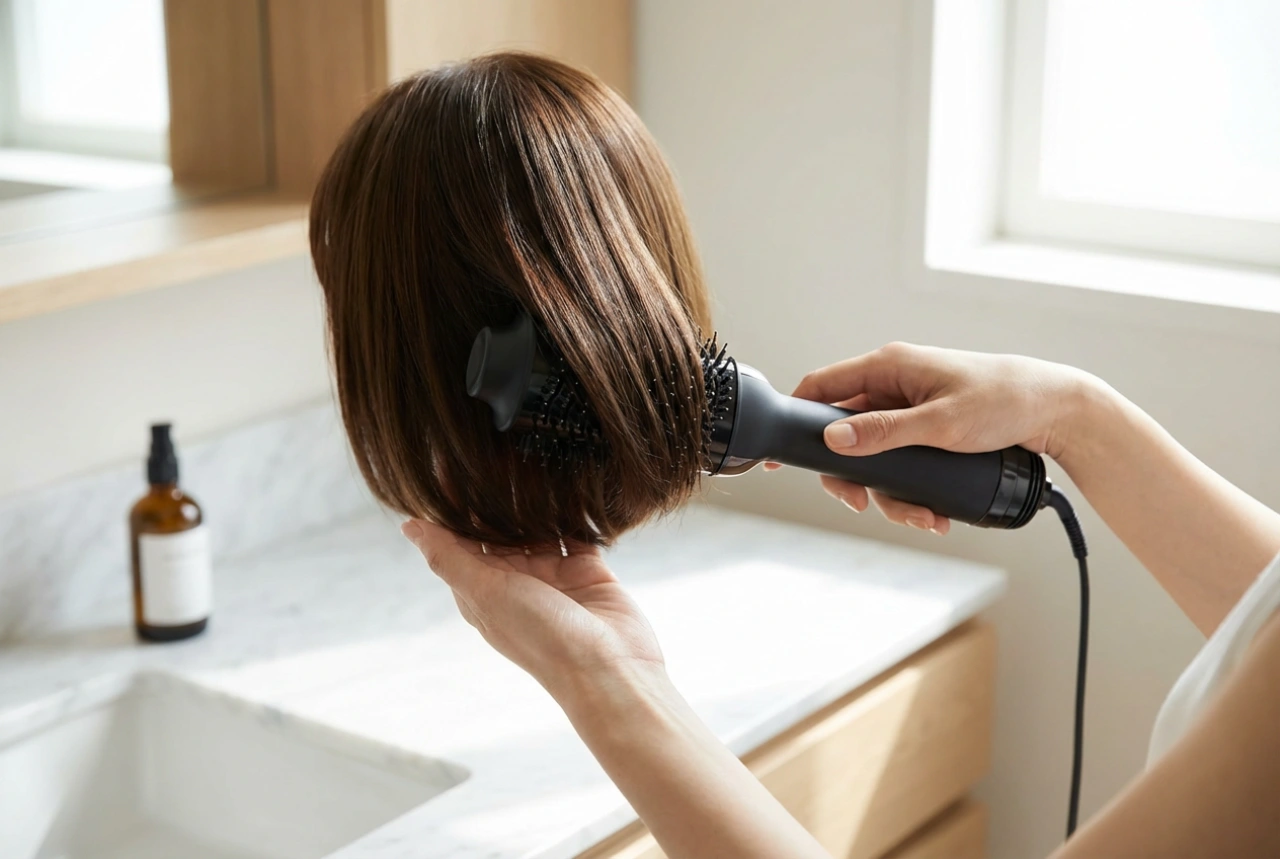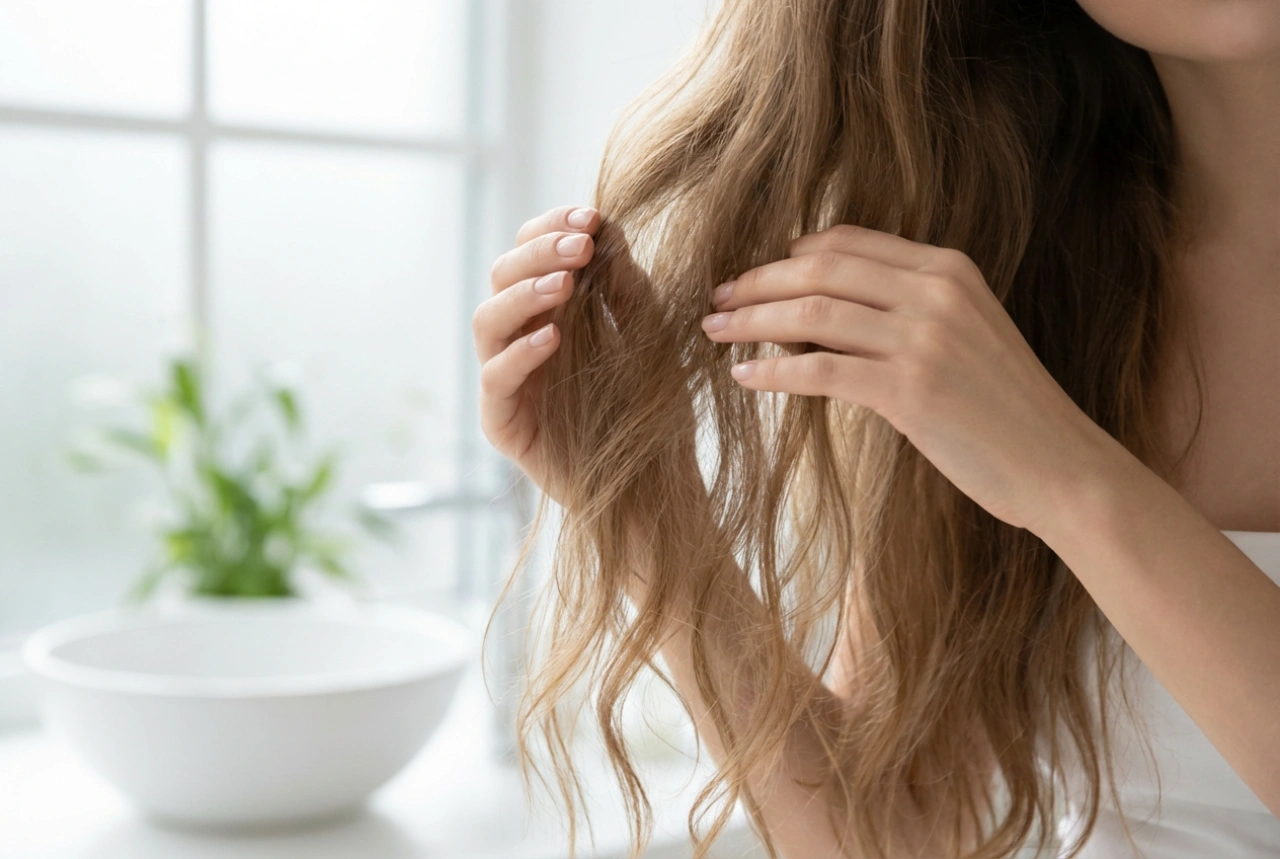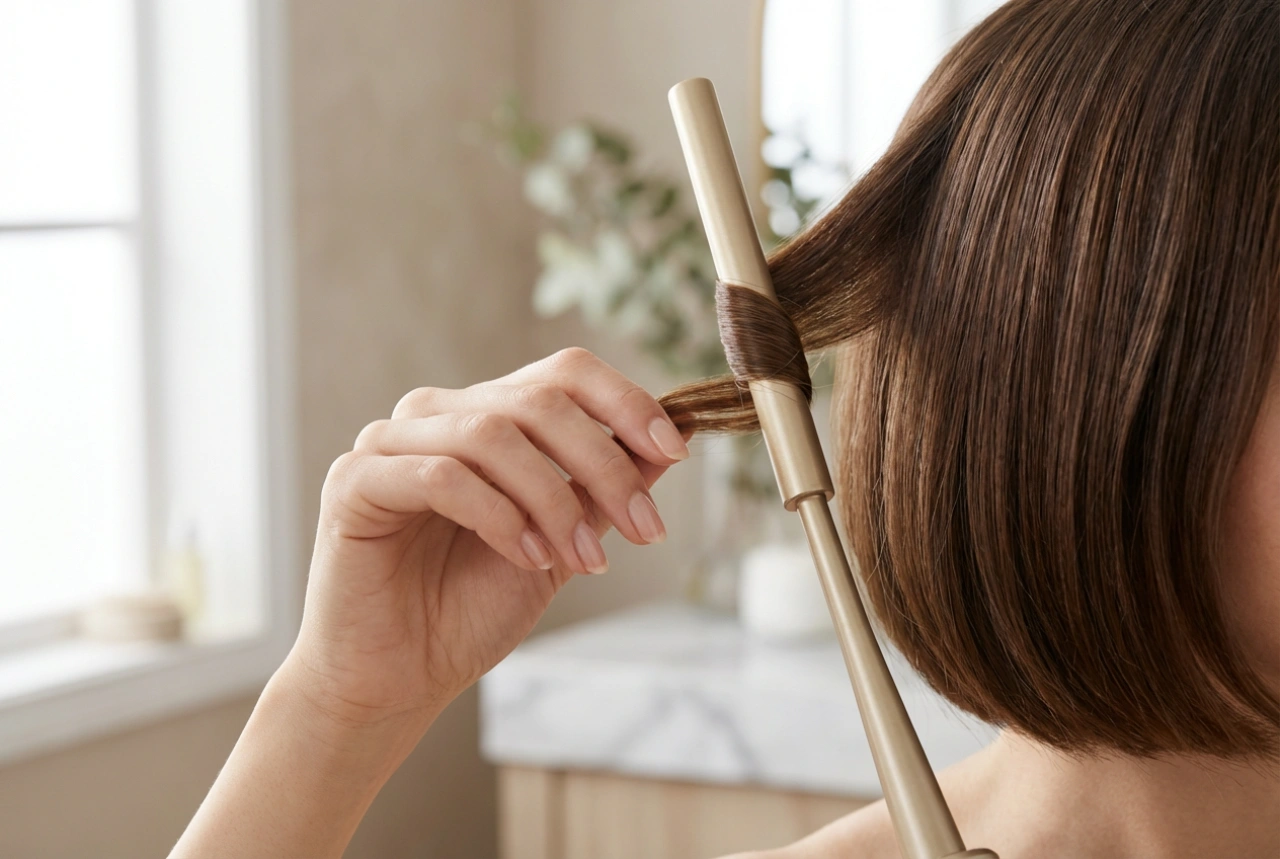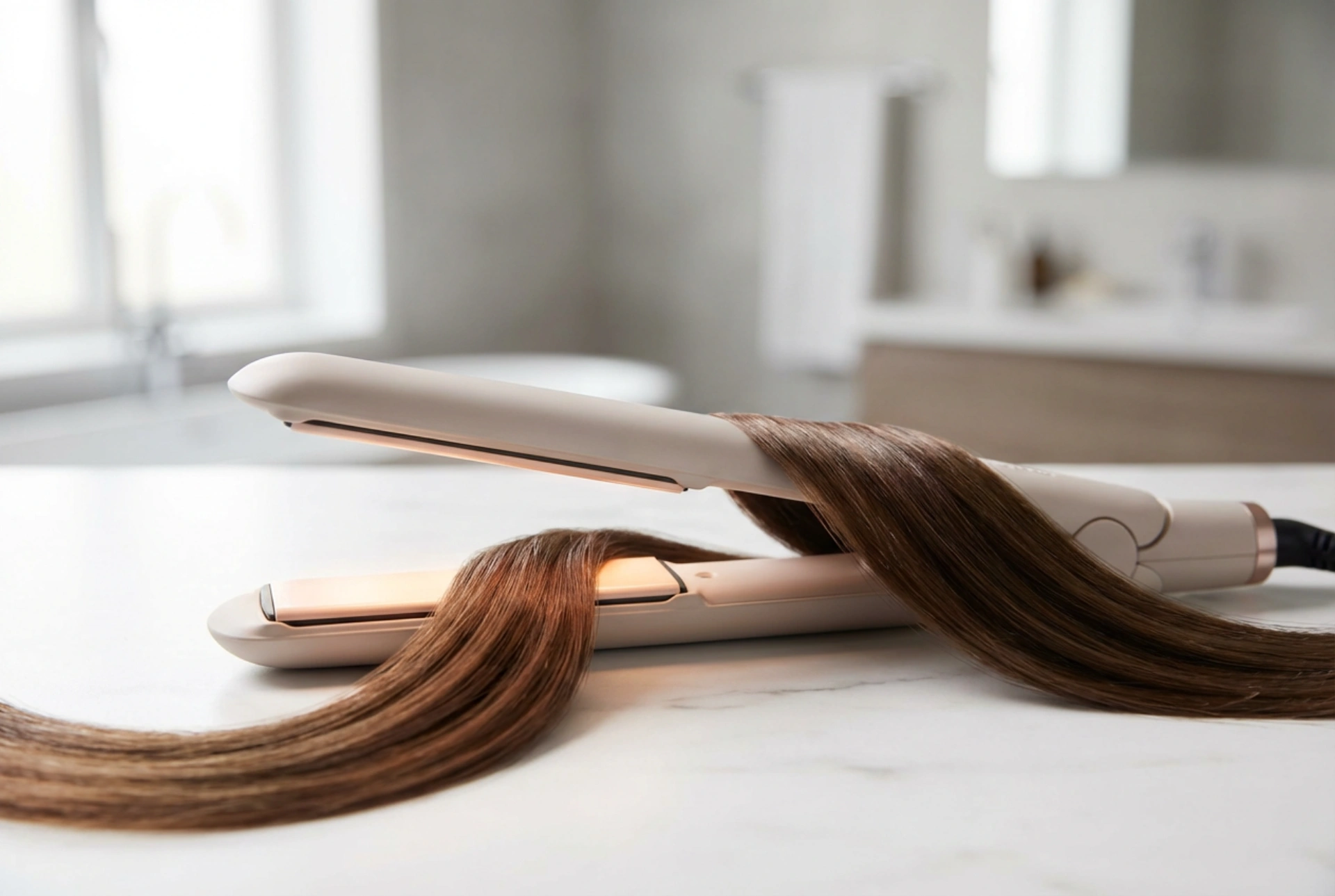


Achieving sleek, straight hair is a timeless style goal, but the fear of heat damage often holds us back. Fortunately, styling technology is constantly evolving, offering more sophisticated and gentler tools. One of the most significant innovations in recent years is the infrared hair straightener. Unlike traditional tools, it uses a unique heating method designed to style hair effectively while prioritising its health and integrity. Understanding how this technology works is the first step towards achieving beautifully smooth hair without compromise.
What is Infrared Technology in Hair Straighteners?
To appreciate the benefits of an infrared (IR) straightener, it’s helpful to understand the science behind it. Infrared is a type of light wavelength that transfers heat in a very efficient way. While conventional straighteners have plates that heat up and transfer that heat directly to the surface of your hair, infrared straighteners work differently. They emit infrared rays that penetrate the hair shaft, heating it gently and evenly from the inside out. This 'internal' heating method is much gentler than the intense surface heat of traditional stylers, which can strip hair of its natural moisture and damage the delicate outer cuticle.
How is it Different from Traditional Straightening?
The primary difference lies in the method of heat application. Imagine a traditional straightener 'cooking' the hair from the outside, while an infrared straightener 'warms' it from the core. This inside-out approach helps to protect the hair's outermost layer, which is crucial for maintaining shine, strength, and smoothness. By heating the hair shaft evenly, it reduces the need for multiple passes over the same section, further minimising exposure to potentially damaging high temperatures.
Key Benefits of Using an Infrared Straightener
Switching to an infrared straightener can offer several advantages for the health and appearance of your hair. This technology is particularly beneficial for those with delicate, colour-treated, or already compromised hair, but it's a great choice for anyone looking to reduce heat damage.
- Gentler on Hair: The primary benefit is its gentle nature. By heating from within, it minimises the risk of burning the hair cuticle, leading to less dryness, frizz, and fewer split ends over time.
- Maintains Natural Moisture: The infrared heat helps to lock in the hair's natural moisture balance instead of boiling it away. This results in hair that looks shinier, feels softer, and has more elasticity.
- Faster and More Efficient Styling: Because the heat is distributed so uniformly throughout the hair shaft, styling can be quicker. You may find you can achieve your desired look with fewer passes, saving you time and reducing your hair's overall heat exposure.
- Longer-Lasting Results: Styles created with infrared heat often last longer. The deep, even heating helps to set the hair's new shape more effectively, meaning your sleek look can withstand humidity and daily activities better.
How to Use an Infrared Straightener for Best Results
Even with the gentlest of tools, proper technique is essential for protecting your hair and achieving a flawless finish. Following these steps will help you get the most out of your infrared straightener.
- Start with Clean, Completely Dry Hair: This is a golden rule for any heat styling. Using a straightener on wet or damp hair can cause serious damage as the water inside the hair shaft turns to steam. Always blow-dry or air-dry your hair fully first.
- Always Apply a Heat Protectant: A good quality heat protectant spray or serum is non-negotiable. It creates a protective barrier between your hair and the heat, further reducing the risk of damage. Distribute it evenly from roots to ends.
- Section Your Hair: Divide your hair into small, manageable sections using clips. Working with smaller sections ensures that the heat is applied evenly and prevents you from having to go over the same piece of hair multiple times.
- Choose the Correct Temperature: One of the biggest mistakes is using a temperature that is too high. Start with a lower setting and only increase it if you find it’s not effective for your hair type. Fine, thin, or colour-treated hair requires less heat than thick, coarse hair.
- Glide Smoothly and Steadily: Clamp the straightener near the roots of a section and glide it down towards the ends in one fluid, steady motion. Do not pause or hold the straightener in one spot, as this can concentrate heat and cause damage.
Caring for Your Styling Tool
To ensure your infrared straightener performs at its best for years to come, simple maintenance is key. After each use, once the tool has completely cooled down, wipe the plates with a soft, slightly damp cloth to remove any product residue. This prevents build-up that can cause snagging and uneven heating. Store your straightener in a safe place, avoiding wrapping the cord tightly around the body of the tool, as this can damage the internal wiring over time. A well-maintained tool is a safer and more effective tool for your hair care routine.